

Wetlands International expresses profound solidarity with the millions of Filipino families grappling with the severe repercussions of the escalating energy crisis, a situation exacerbated by the ongoing geopolitical tensions stemming from the US-Iran conflict. The organization acknowledges the immense hardship this crisis has inflicted upon communities and stands firmly with them in advocating for immediate, long-term, and sustainable solutions. A critical component of this call is a robust investment in renewable energy sources, which Wetlands International posits as the key to achieving energy security without jeopardizing the nation’s invaluable natural heritage.
The declaration of a State of National Energy Emergency, formally instituted under Executive Order 110, underscores the gravity of the situation. In this context, Wetlands International implores the Philippine government to accelerate and decisively expedite its transition towards renewable energy. This transition, they argue, is not merely an economic imperative but an ecological necessity.
A significant point of contention and deep concern for Wetlands International is the reported renewed impetus to pursue oil and gas exploration within the Liguasan Marsh. Located in south-central Mindanao, the Liguasan Marsh stands as the Philippines’ largest swamp and marshland system, and critically, as one of the country’s most vital and biodiverse wetland ecosystems. While the urgency to address the current energy emergency is undeniable, the organization stresses that the ecological fragility of the marsh demands the highest degree of environmental scrutiny and caution.
Liguasan Marsh: A Lifeline Under Threat
Dr. Annadel Cabanban, Country Director of Wetlands International Philippines, articulated the critical importance of the Liguasan Marsh in a poignant statement. "The Liguasan Marsh is not just a wetland—it is a lifeline for communities, wildlife, and our climate resilience," she stated. "We cannot afford to damage an ecosystem that safeguards us from floods, supports fisheries, and stores vast amounts of carbon. A truly secure energy future is one that strengthens, not sacrifices, the natural systems that protect Filipino lives."
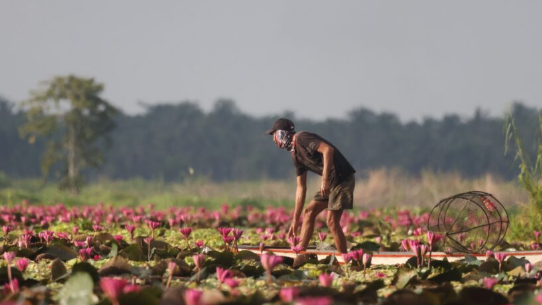
This sentiment highlights the multifaceted role of the Liguasan Marsh. Beyond its intrinsic ecological value, it provides essential ecosystem services that directly benefit human populations. Its capacity to absorb and mitigate floodwaters is crucial for communities in Mindanao, particularly in an era of increasing climate-induced extreme weather events. Furthermore, the marsh’s rich biodiversity underpins local fisheries, providing a vital source of food security and livelihood for many. Its significant carbon sequestration capabilities also contribute to global climate regulation efforts.
The Perils of Unregulated Extraction
Wetlands International acknowledges the immediate need for action to stabilize the energy sector. However, they emphatically argue that any exploration or exploitation of natural resources, particularly in ecologically sensitive areas like the Liguasan Marsh, must be contingent upon comprehensive environmental impact assessments and genuine, inclusive consultations with scientific experts and affected communities. The organization’s stance is clear: the nation’s natural ecosystems, especially its freshwater and coastal wetlands, should never be compromised for short-term developmental gains.
The Liguasan Marsh is described as an irreplaceable ecological system. The risks associated with unregulated extraction are manifold and potentially irreversible. These include the contamination of vital water sources, which could have devastating consequences for both human health and aquatic life. Increased flood risks could emerge as the marsh’s natural water-regulating functions are disrupted. The loss of biodiversity would be a significant blow to the region’s ecological integrity, and the disturbance of the marsh’s soils and vegetation would release substantial amounts of stored carbon into the atmosphere, exacerbating climate change. Furthermore, such activities pose direct threats to the traditional livelihoods and the rich cultural heritage of the local communities who depend on the marsh.
Broader Implications for Philippine Wetlands and Climate Resilience
The ramifications of unregulated resource extraction extend far beyond the immediate vicinity of any single site. Such practices could endanger the entire spectrum of the Philippines’ wetlands and forest ecosystems. The degradation of these natural systems diminishes their capacity to provide essential services that are fundamental to community well-being. These services include the provision of clean water, the maintenance of food security through healthy fisheries and agricultural lands, the buffering of coastlines against storm surges, and the support of diverse wildlife populations.
The climate dimension of this issue is equally urgent. The destruction of carbon-rich ecosystems like wetlands releases stored carbon, thereby intensifying climate impacts and undermining the Philippines’ own commitments to emissions reduction. These are not abstract or distant concerns; they translate directly into tangible threats to the lives, livelihoods, and long-term safety of Filipino citizens. The interconnectedness of these ecosystems means that damage in one area can have cascading effects across the archipelago.
A Call for a Just and Rapid Energy Transition
Filipinos, Wetlands International asserts, deserve a development trajectory that is both responsible and sustainable. This path must prioritize the safeguarding of the nation’s precious ecosystems, uphold its climate obligations, and ensure the well-being of both present and future generations.
In this critical moment of national urgency, Wetlands International reiterates its call for the Philippine government to prioritize investments in renewable energy, advocating for a just and rapid energy transition. The organization firmly believes that fossil fuel extraction in fragile ecosystems is not a viable or climate-resilient solution.

Regional Successes as a Model for the Philippines
The Philippines can draw valuable lessons and inspiration from the successes of neighboring Southeast Asian nations in their pursuit of renewable energy. Vietnam, for instance, has demonstrated remarkable progress in the rapid expansion of solar power. Indonesia has made strides in developing renewable microgrids, extending energy access to remote areas. Thailand has championed community-based biomass systems, empowering local communities in their energy solutions. Malaysia has implemented competitive solar auctions, fostering a dynamic renewable energy market. These examples collectively illustrate that energy security and environmental protection are not mutually exclusive goals; they can and should advance in tandem.
Renewed Emphasis on Wetlands’ Role in Climate Resilience
Dr. Annadel Cabanban further elaborated on the intrinsic link between fossil fuel reduction and wetland preservation. "Moving away from fossil fuels is not only an energy decision—it is a wetlands decision," she emphasized. "Every wetland we protect strengthens our resilience against floods, droughts, and climate impacts that fossil fuels continue to worsen. By reducing our reliance on oil and investing in renewable energy, we allow vital wetlands like the Liguasan Marsh to keep doing what they do best: protect communities, sustain biodiversity, and stabilize our climate."
This perspective underscores the critical role of wetlands as natural infrastructure for climate adaptation and mitigation. Their preservation is a proactive measure that enhances a nation’s resilience to the escalating impacts of climate change.
Towards a Sustainable Energy Future
Guided by a long-term, future-oriented energy strategy, Wetlands International Philippines is committed to working collaboratively with government agencies, civil society partners, and scientific institutions. This strategy must prioritize the safeguarding of wetlands, adhere to principles of scientific and community consultation, and remain aligned with the nation’s climate commitments. The organization stands ready to contribute to shaping a resilient and sustainable energy transition that is firmly rooted in sound science and the welfare of communities.
This period of national challenge presents an opportunity to forge a future where energy security is harmoniously integrated with environmental protection, robust climate resilience, and the inherent dignity and well-being of all Filipinos. The path forward requires a holistic approach that recognizes the interconnectedness of energy policy, environmental stewardship, and social equity. By embracing renewable energy and protecting vital ecosystems, the Philippines can build a more secure, prosperous, and sustainable future for all its citizens.
The ongoing energy crisis, coupled with the looming threat to the Liguasan Marsh, serves as a critical juncture for the Philippines. The decisions made today will profoundly shape the nation’s environmental legacy, its economic stability, and the quality of life for generations to come. Wetlands International’s call for a renewable energy revolution, grounded in ecological prudence and community well-being, offers a clear and compelling vision for a resilient future.
