
Springtime often ushers in a playful yet persistent myth: that rabbits, not birds, are the architects of vibrantly colored eggs hidden for children to discover. While the whimsical notion of the Easter Bunny continues to delight, it’s the avian world that holds the true mastery of egg artistry, having produced a breathtaking spectrum of egg colors for millennia. These natural wonders, far from being mere decorative objects, are sophisticated biological tools, each hue and pattern serving critical roles in survival and reproduction. This exploration delves into the scientific marvels behind bird egg coloration, contrasts it with the origins of Easter egg traditions, and examines the fascinating biological and evolutionary drivers that shape these miniature masterpieces.
The Spectrum of Avian Egg Colors: A Biological Canvas
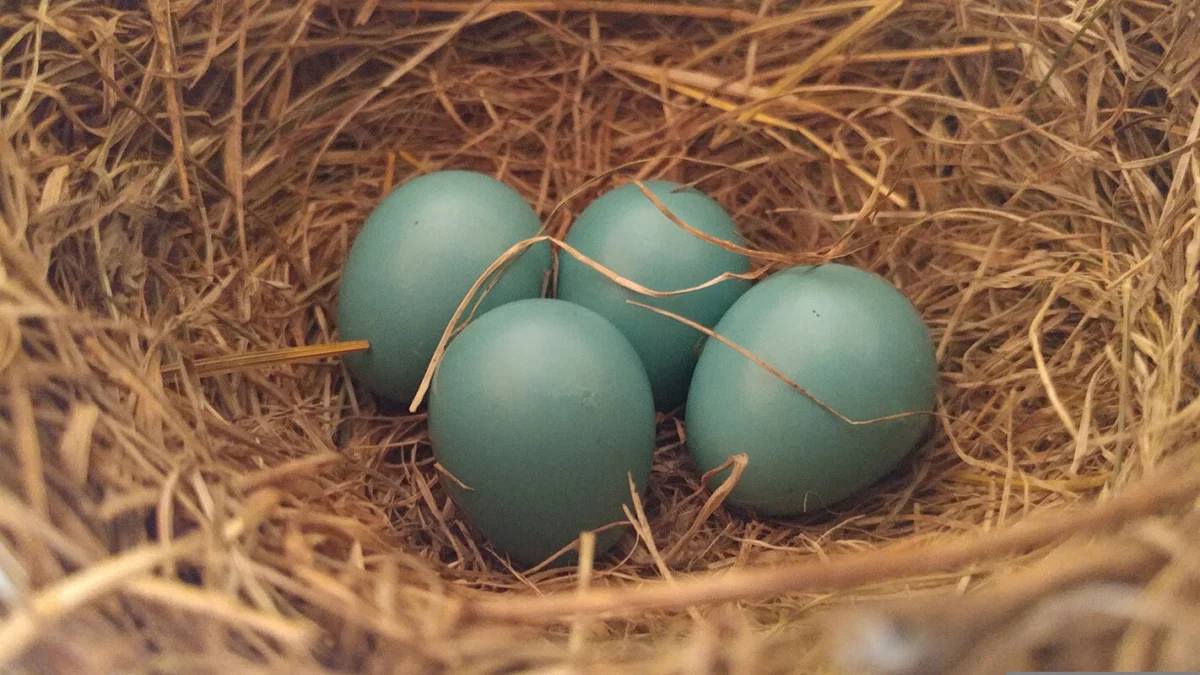
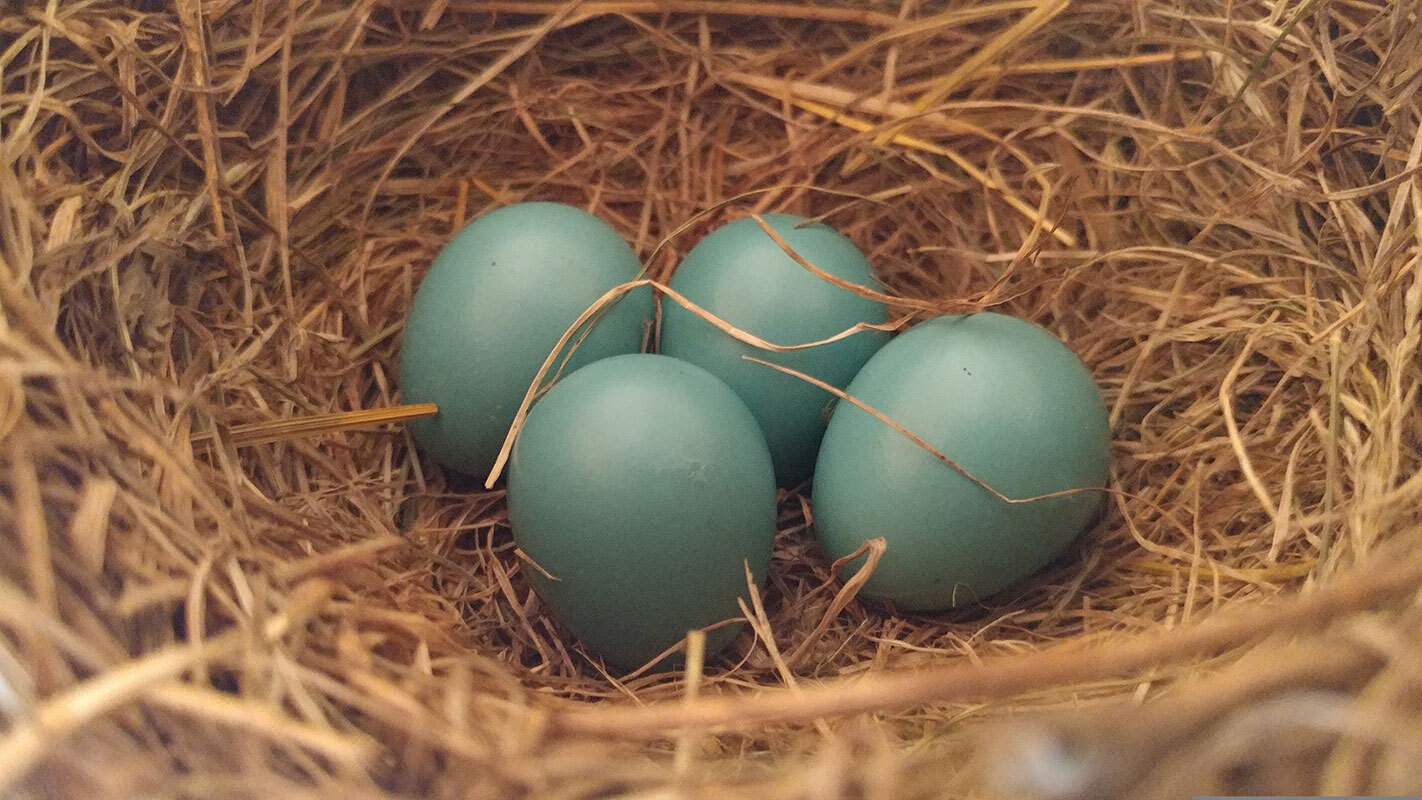
Birds, the undisputed experts in oviparous reproduction, have evolved an astonishing diversity in egg coloration. While many might associate blue eggs with robins, the avian world boasts a far wider array of species that lay these striking shells. Birdfy.com, a prominent ornithological resource, highlights 26 distinct bird species known for laying blue eggs, a phenomenon that often sparks curiosity given that only a small fraction of these species are themselves blue. This suggests that the blue coloration is not a matter of mimicry but rather a deliberate evolutionary adaptation.
The study of avian egg color, as explored on Cornell Lab All About Birds’ "The Beauty and Biology of Egg Color" blog, reveals a dazzling spectrum that extends far beyond blues. Eggs can range from deep, cerulean blues and vibrant greens to warm earthy tones that resemble chocolate or coffee. This variation is not random; it is a testament to the intricate interplay between genetics, environment, and evolutionary pressures. In stark contrast, the eggs of parrots, often admired for their intelligence and vibrant plumage, are almost exclusively a matte white, a characteristic that likely serves them in their arboreal nesting habits.
Functionality Beyond Aesthetics: The Purpose of Pigmentation
The beauty of bird eggs is intrinsically linked to their functionality. Egg colors serve a multifaceted purpose, primarily revolving around survival and successful reproduction. One of the most significant roles is camouflage. Many birds lay eggs that blend seamlessly with their surroundings, whether it’s the dappled light of a forest floor, the textured bark of a tree, or the muted tones of a grassy nest. This camouflage is a critical defense mechanism against predators, helping to conceal the nest and its precious contents from prying eyes.
Beyond camouflage, egg color can also serve as an indicator of the bird’s health and reproductive fitness. Studies have suggested that the intensity and hue of egg pigmentation can correlate with the female’s nutritional status and the overall vigor of the laying bird. For instance, brighter, more vibrant colors might signal a well-nourished and healthy female, potentially influencing mate selection or parental investment decisions in some species.
The physical characteristics of eggs, including their shape and pattern, are equally diverse and indicative of evolutionary adaptation. Unlike the uniform, artificially dyed eggs of Easter celebrations, bird eggs are biologically engineered for optimal survival. This intricate design is further illuminated by research exploring the physics and biology behind egg formation. A study featured in Harvard Magazine delves into how bird egg shapes are influenced by flight dynamics, suggesting that stronger fliers tend to produce more elliptical eggs, which may be more stable and less prone to rolling out of the nest. Conversely, weaker fliers might lay rounder eggs. Furthermore, biophysical models demonstrate that the interplay between the eggshell membrane and internal pressure can generate the full spectrum of natural egg shapes observed in birds.
Adding another layer to this complexity, research highlighted in Science News indicates a correlation between egg color and climate. Birds residing in colder regions often lay eggs with darker pigmentation. This darker hue is believed to enhance thermal absorption, allowing the eggs to retain more heat from the sun or ambient temperatures. This evolutionary strategy is crucial for embryonic development in environments where temperatures can fluctuate dramatically, potentially increasing the survival rates of embryos in low-temperature conditions.
The Mythical Origins of the Egg-Laying Rabbit
The notion of rabbits laying colorful eggs for children to find is a charming tradition, deeply embedded in Western culture, particularly around the Easter holiday. However, this folklore has a surprisingly tangible origin, rooted in ancient European traditions and evolving over centuries. The concept of the Easter Bunny is widely believed to have originated from German Lutheran traditions. The "Osterhase," or Easter Hare, was a folkloric figure depicted as a judge who would assess whether children had been good or bad, delivering colored eggs to the well-behaved.
This tradition likely emerged from pre-Christian springtime festivals that celebrated fertility and the renewal of life. Rabbits, with their remarkable reproductive capabilities, were natural symbols of fertility and abundance, closely associated with the arrival of spring. The goddess Eostre, a Germanic deity of dawn and spring, is also often linked to these traditions, and her name is thought to be the etymological root of "Easter." The earliest documented mention of the Osterhase dates back to the late 17th century, suggesting that this legend has been passed down and embellished for over 300 years. German immigrants are credited with bringing this custom to America in the 18th century, where it gradually gained widespread popularity and evolved into the modern Easter Bunny tradition.
Shared Instincts: The Art of Nest Building
While rabbits do not lay eggs, they share a fundamental instinct with birds: the art of nest building. However, the methods and locations of these nests differ significantly. Unlike the elevated, often camouflaged nests of birds, rabbit nests are typically simple, shallow depressions dug into the ground. The mother rabbit meticulously lines this burrow with soft fur she pulls from her own body, creating a warm and insulated environment for her young, known as kits. Dried grass and leaves are often used to conceal the nest, providing an additional layer of protection.
The maternal care provided by rabbits is also distinct. To minimize the risk of attracting predators to the nest, the mother rabbit does not remain with her kits continuously. Instead, she makes brief feeding visits, typically occurring at dawn and dusk. This secretive behavior ensures the safety of her vulnerable offspring while she herself remains inconspicuous. This contrast in nesting and maternal strategies further highlights the unique evolutionary paths taken by these two distinct animal groups, despite their shared connection to the symbolism of spring and new life.

Broader Implications and Future Research
The study of bird eggs offers a rich field for ongoing scientific inquiry, extending beyond color and shape to encompass their role in broader ecological dynamics. Understanding the factors that influence egg production and quality can provide valuable insights into the health of avian populations and the environmental conditions they inhabit. As climate change continues to impact ecosystems worldwide, research into how birds adapt their reproductive strategies, including egg coloration in response to temperature variations, becomes increasingly critical.
Furthermore, the enduring fascination with egg symbolism, from the scientific marvel of avian eggs to the cultural significance of Easter eggs, underscores humanity’s deep connection to the cycles of nature and the mysteries of life. Continued exploration into the biological underpinnings of these natural wonders not only enriches our understanding of the avian world but also offers a profound appreciation for the intricate and often unseen forces that shape life on Earth. The colorful eggs of birds are not just a visual delight; they are a testament to millions of years of evolution, a symphony of biological adaptations, and a vibrant reminder of nature’s enduring creativity.
