
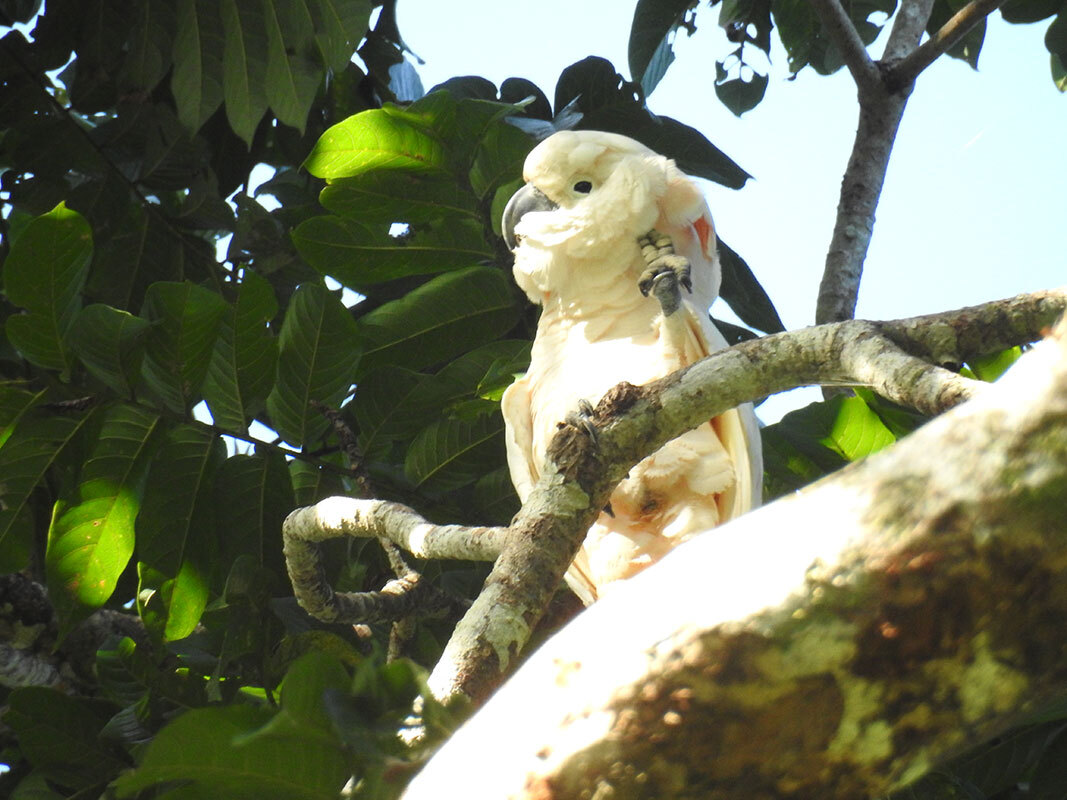
The salmon-crested cockatoo, scientifically known as Cacatua moluccensis, is a magnificent avian species native to the verdant island of Seram, the largest and primary landmass within Indonesia’s Maluku province. Characterized by their soulful, dark eyes and the striking peachy hues of their crest feathers, these birds are not only visually spectacular but also possess a vocal prowess that can reach an astonishing 135 decibels, marking them as one of the loudest members of the parrot family. Despite their grandeur and unique cultural significance, the future of the Moluccan cockatoo hangs precariously in the balance, classified as endangered on the IUCN Red List and subject to the strictest international trade prohibitions under Appendix I of CITES since 1989. Their historical range, once encompassing several satellite islands of Seram, has tragically contracted, with populations now declared extinct on Haruku, Saparua, and Nusa Laut. The primary drivers of this alarming decline are well-documented: relentless trapping for the illegal pet trade and pervasive habitat loss, both of which have decimated their numbers.
A Majestic Bird Facing Extinction
The Moluccan cockatoo’s journey toward endangerment is a stark reminder of the pressures facing many exotic species. Their distinctive appearance and intelligent nature have unfortunately made them targets for the pet trade. The prohibition of international trade in wild-caught individuals, implemented through CITES, signifies a global acknowledgment of their vulnerable status. However, this ban does not entirely halt the pressures, as illegal poaching and habitat destruction continue to threaten their existence in their natural environment. The IUCN Red List classification further underscores the urgency of conservation efforts, highlighting a significant and ongoing population reduction. The loss of these birds from islands like Haruku, Saparua, and Nusa Laut represents a tangible shrinkage of their genetic diversity and ecological role within those specific ecosystems.
While these birds are known for their loud calls, they also possess remarkable longevity. A 2012 study investigating parrot lifespan data identified a salmon-crested cockatoo as the oldest known parrot, reaching an impressive 92 years of age. This extended lifespan, while indicative of resilience, also means that conservation strategies must consider generational impacts and long-term commitment. The challenges of keeping such intelligent and demanding birds in captivity—requiring extensive space, specialized diets, and significant mental stimulation—further amplify the imperative to protect them in their native Indonesian habitat. Ensuring their survival and prosperity in the wild is paramount, not only for the species itself but also for the ecological balance of their native environment.
Cultural Significance: The Huaulu Tribe and the Cidaku Ritual
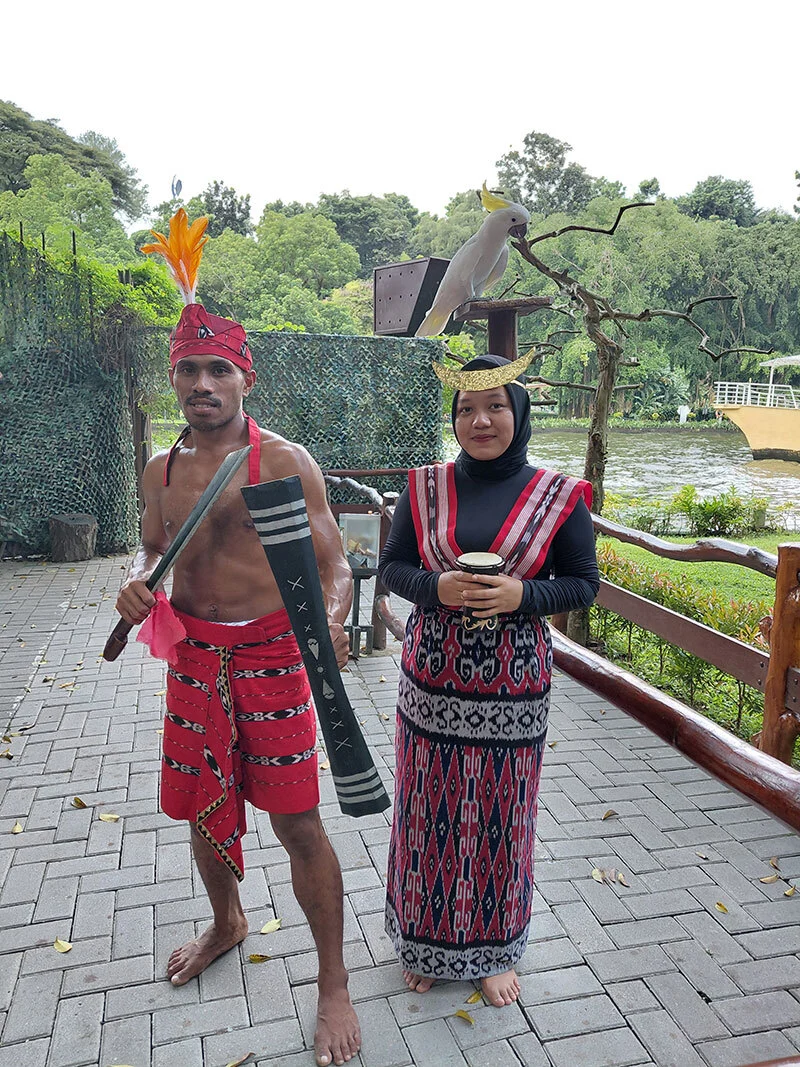
On the island of North Seram, within the Maluku region, the salmon-crested cockatoo, locally known as lakam, holds a deeply revered status within the Huaulu indigenous community. Their cultural importance is intrinsically linked to a sacred rite of passage for young men. Between the ages of 12 and 17, boys are expected to undertake a significant ritual to mark their transition into adulthood. This ceremony, known as Cidaku, involves the symbolic hunting of the Moluccan cockatoo to procure its prized salmon-colored feathers. These feathers are not merely decorative; they are an indispensable component of a ceremonial headdress called a puheliam.
The Cidaku ceremony is conducted with a profound sense of order and tradition. Its execution follows the birth order of the male siblings within a family, and critically, cannot be performed more than once per year for any given family. The iconic pink crest feather is central to the ritual’s meaning and cannot be substituted. It embodies the essence of sacred life, symbolizing immense strength and courage, mirroring the cockatoo’s erect crest when asserting itself. Furthermore, the crest represents the ideals of an adult male: the defense of his sanctity, the maintenance of self-respect, and a constant vigilance against perceived threats. This deep-seated cultural connection underscores the complex interplay between human traditions and wildlife conservation, presenting a unique challenge and opportunity for preservation efforts.

A Groundbreaking Agreement: Feathers for Conservation
Recognizing the critical need to protect wild Moluccan cockatoos while respecting the cultural heritage of the Huaulu tribe, the Indonesian NGO Perkumpulan Konservasi Kakatua Indonesia (KKI) took a pioneering step in 2019. KKI initiated an innovative proposal to supply molted salmon-crested cockatoo feathers from its own Rehabilitation Center to the Huaulu community. This groundbreaking offer was met with agreement from the indigenous community and relevant stakeholders.
The formalization of this initiative occurred in October 2019 with the signing of an agreement by the Head of Huaulu village. The event was further validated by the presence of several local officials and received official acknowledgment and approval from the Indonesian Ministry of Forestry. This agreement marked a monumental stride forward in the collective effort to safeguard wild Moluccan cockatoos. By providing a sustainable and ethically sourced alternative for the crucial puheliam headdresses, the initiative aimed to alleviate the pressure on wild populations that had historically been hunted for their feathers.
Challenges and Continued Commitment
Despite the official agreement, the monitoring of traditional Cidaku ceremonies to ensure the exclusive use of molted feathers from captive birds, rather than wild ones, remains a complex undertaking. The implementation of this conservation strategy has encountered resistance from certain parties who may not fully support the feather collection program. Nevertheless, KKI remains steadfast in its commitment to upholding the agreement by consistently providing crest feathers from its rehabilitation facility.
To foster ongoing collaboration and understanding, KKI actively engages in intensive communication with the Huaulu tribe. This includes organizing workshops and educational sessions designed to reinforce the importance of conservation and the benefits of the feather collection program. These community-based initiatives have consistently seen strong attendance from tribe members, indicating a growing awareness and willingness to participate in conservation efforts.

KKI’s vision extends beyond this single program. The NGO aims to develop additional conservation initiatives that actively involve the Huaulu community. One such proposed program is the formation of a "Parrot Squad," a community-led parrot patrol designed to monitor wild populations and combat illegal activities. Furthermore, KKI is collaborating with the Huaulu tribe to explore and establish alternative income-generating opportunities, such as ecotourism. The objective is to demonstrate to the community the economic value of preserving their native Moluccan cockatoo and, in doing so, significantly improve the species’ conservation status. The success of these endeavors hinges on sustained collaboration, mutual respect, and a shared commitment to ensuring the long-term survival of this iconic Indonesian bird.
This month, Lafeber is proud to contribute to KKI’s ongoing and vital conservation efforts, providing essential support for the magnificent salmon-crested cockatoo’s fight for survival.
