
The Toucan Rescue Ranch, situated in the lush highlands of Heredia, Costa Rica, has emerged as a pivotal institution in the global effort to preserve tropical biodiversity through sophisticated veterinary interventions and a rigorous rehabilitation framework. Since its inception, the facility has evolved from a specialized bird rescue into a full-scale wildlife hospital and sanctuary, addressing the complex medical needs of injured, orphaned, and displaced fauna. As Costa Rica continues to navigate the challenges of habitat fragmentation and human-wildlife conflict, the Ranch’s commitment to cutting-edge medical treatment serves as a critical buffer against the loss of the nation’s iconic species. The organization’s multi-disciplinary approach combines clinical excellence with ecological sensitivity, ensuring that every resident, from the smallest hummingbird to the most elusive oncilla, receives a level of care comparable to modern domestic veterinary standards but tailored specifically for wild biology.
The Clinical Foundation: Comprehensive Health Assessments
The journey toward recovery for any animal entering the Toucan Rescue Ranch begins with a rigorous intake protocol designed to identify both obvious trauma and underlying physiological stressors. Upon arrival, every patient undergoes a comprehensive health assessment conducted by a specialized veterinary team. These initial evaluations are critical, as wild animals are biologically programmed to mask symptoms of illness or injury to avoid predation—a phenomenon known as the "survival mask." To penetrate this biological defense, the Ranch utilizes advanced diagnostic tools, including high-resolution imaging and on-site blood chemistry analysis.
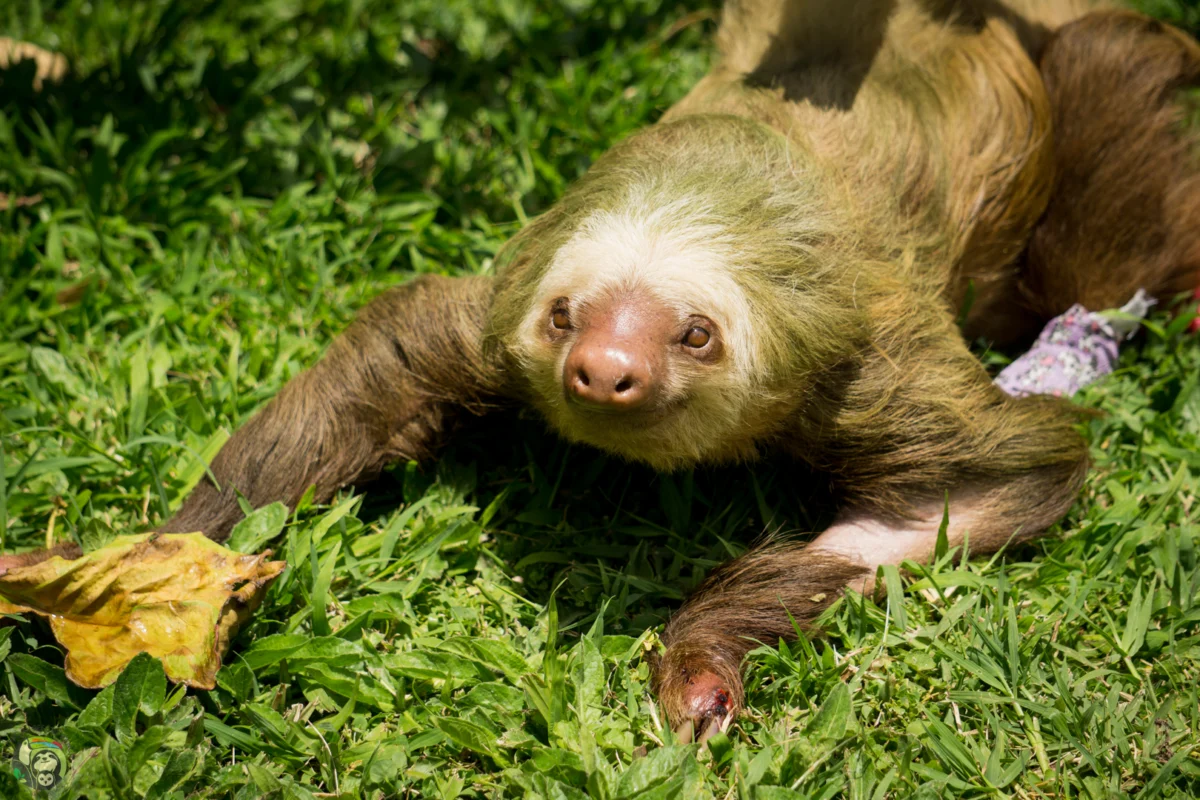
Physical examinations cover everything from plumage and fur quality to musculoskeletal integrity. For many avian patients, this involves checking for wing fractures often sustained during collisions with power lines or windows. For mammals, such as the two-toed and three-toed sloths that are frequent residents, the assessment focuses on respiratory health and the presence of external parasites. By establishing a baseline of health through these detailed diagnostics, the medical team can develop individualized treatment plans that address the specific nutritional, medicinal, and surgical requirements of each species.
Specialized Veterinary Interventions and Surgical Innovation
Wildlife medicine requires a level of specialization that transcends traditional veterinary practices. The Toucan Rescue Ranch has invested heavily in state-of-the-art medical technology to facilitate complex procedures that were once considered impossible for wild patients. The facility’s clinic is equipped to perform intricate surgeries, ranging from orthopedic repairs on fractured limbs to specialized shell reconstructions for turtles.
One of the most notable aspects of the Ranch’s medical program is its expertise in avian and exotic animal medicine. Birds, particularly toucans, require specialized anesthesia and surgical techniques due to their unique respiratory systems and fragile bone structures. The Ranch has gained international recognition for its work in beak repair and prosthetic integration, allowing birds that have suffered traumatic injuries to regain the ability to feed and preen. Furthermore, the use of laser therapy and advanced wound management techniques has significantly reduced recovery times for animals suffering from electrical burns—a common injury in areas where wildlife habitats overlap with uninsulated power grids.
The Chronology of Rehabilitation: From Clinic to Canopy
The transition from the operating table to the wild is a multi-stage process that prioritizes the gradual restoration of natural behaviors. Once a patient is medically stable, it moves from the intensive care unit to specialized recovery enclosures. These spaces are meticulously designed to simulate the animal’s natural environment, incorporating native flora, varied terrain, and species-appropriate enrichment.
- Stabilization Phase: The animal is kept in a controlled, sterile environment to prevent secondary infections and allow for close monitoring of medication efficacy.
- Physical Therapy and Conditioning: Patients are moved to larger outdoor enclosures where they can regain muscle tone. For birds, this involves flight conditioning in "flight tunnels," while for primates and sloths, it involves climbing structures that mimic the rainforest canopy.
- Behavioral Assessment: Before release, the veterinary and husbandry teams evaluate the animal’s ability to forage, hunt, and recognize predators. This phase is crucial to ensure the individual can survive independently without human intervention.
- Soft Release or Permanent Sanctuary: Whenever possible, the Ranch pursues a "soft release" strategy, where animals are monitored in a semi-wild environment before full reintegration. For those whose injuries are too severe for survival in the wild, the Ranch provides a lifelong sanctuary, where they serve as ambassadors for their species.
Nutritional Science as a Pillar of Recovery
Proper nutrition is the cornerstone of the rehabilitation process at the Toucan Rescue Ranch. Unlike domestic animals, wildlife have highly specific dietary requirements that fluctuate based on their age, health status, and reproductive cycles. The Ranch employs specialized nutritionists who work in tandem with the veterinary staff to formulate species-specific diets.
For toucans, this involves a low-iron diet to prevent hemochromatosis, a common and often fatal condition in captive soft-billed birds. For orphaned sloths, the nutritional program is even more delicate, requiring a specific balance of goat milk and native leaves to support their complex digestive systems. The facility maintains its own gardens to provide fresh, organic produce and native browse, ensuring that the transition back to a wild diet is seamless. This scientific approach to feeding not only aids in physical healing but also supports the psychological well-being of the animals, reducing the stress associated with captivity.
Preventative Medicine and Biosecurity Protocols
In the context of global health, the work of the Toucan Rescue Ranch extends beyond individual animal care to include broader public health and conservation goals. The facility implements rigorous preventative medicine protocols, including routine vaccinations for certain species and comprehensive parasite control. These measures are vital for preventing the spread of zoonotic diseases—illnesses that can jump from animals to humans.
Biosecurity is a top priority at the Ranch. Strict quarantine procedures for new arrivals ensure that pathogens are not introduced to the resident population or the local ecosystem. By maintaining a healthy captive population and conducting disease surveillance on incoming wildlife, the Ranch acts as an early warning system for emerging health threats in Costa Rica’s environment. This "One Health" approach recognizes that the health of people, animals, and the environment is inextricably linked.
Educational Outreach and Scientific Contribution
The Toucan Rescue Ranch serves as a global hub for wildlife education and professional training. Through its internship and volunteer programs, the facility hosts aspiring veterinarians and biologists from around the world, providing them with hands-on experience in tropical wildlife medicine. This transfer of knowledge is essential for building a global network of professionals equipped to handle the unique challenges of exotic animal care.
The Ranch also contributes to the scientific community by sharing data on wildlife health and rehabilitation success rates. This information is invaluable for government agencies like the Ministry of Environment and Energy (MINAE) in Costa Rica, helping to inform national conservation policies and habitat management strategies. By documenting the causes of injury—such as the prevalence of dog attacks or vehicle strikes—the Ranch provides the empirical evidence needed to advocate for wildlife bridges, slower speed limits in biological corridors, and stricter domestic pet regulations.
Broader Impact and the Future of Wildlife Conservation
The work of the Toucan Rescue Ranch has profound implications for the future of biodiversity in Central America. In an era of rapid climate change and urban expansion, sanctuaries and rehabilitation centers are no longer just "animal hospitals"; they are essential components of the conservation landscape. The successful release of a single apex predator, like an oncilla, or a key seed disperser, like a toucan, has a ripple effect on the entire ecosystem, promoting forest regeneration and maintaining the balance of prey populations.
Furthermore, the Ranch’s success serves as a model for other rescue centers worldwide. By demonstrating that high-tech medical care can be successfully applied in a field setting, the Toucan Rescue Ranch is challenging the traditional limitations of wildlife rehabilitation. The organization’s holistic model—combining rescue, medicine, nutrition, and education—creates a sustainable framework for protecting the natural heritage of Costa Rica.
As the Toucan Rescue Ranch continues to expand its medical capabilities and research initiatives, its message remains clear: the survival of the world’s most vulnerable species depends on a combination of compassionate action and rigorous science. Through continued public support and international collaboration, the Ranch is ensuring that the vibrant colors and sounds of the Costa Rican rainforest will endure for generations to come. Together, the efforts of the veterinary team, the dedication of the staff, and the engagement of the global community are building a brighter, healthier future for wildlife, proving that every life saved is a victory for the planet.
