
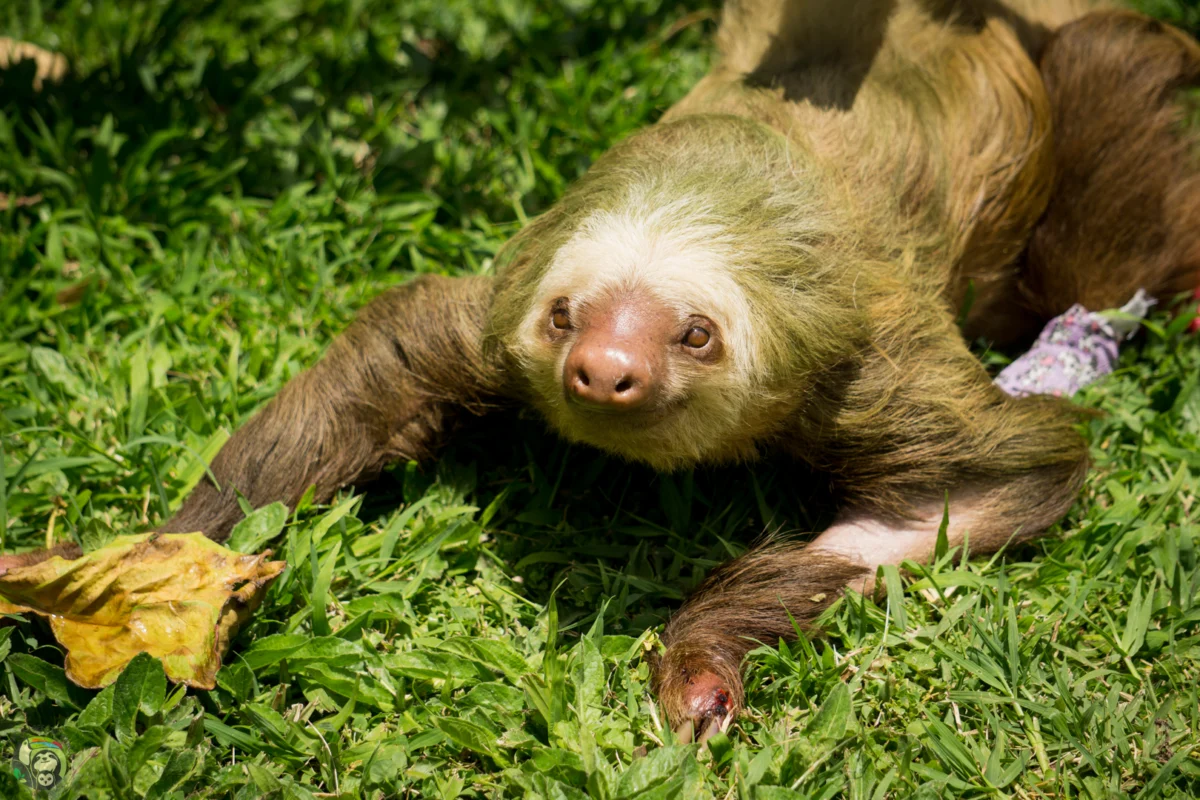
Located in the lush landscape of Heredia, Costa Rica, the Toucan Rescue Ranch (TRR) has established itself as a critical vanguard in the field of wildlife medicine and ecological preservation. Founded in 2004, the organization has evolved from a small rescue center primarily focused on toucans into a world-class sanctuary and medical facility capable of treating a vast array of Costa Rican fauna, ranging from high-canopy sloths to elusive oncillas and marine turtles. As Costa Rica holds nearly 6% of the world’s biodiversity within its borders, the medical operations at TRR serve as a vital lifeline for animals displaced by urbanization, illegal trafficking, and environmental shifts. The facility’s commitment to combining compassionate care with cutting-edge veterinary science has transformed the landscape of wildlife rehabilitation in Central America.
The Foundation of Wildlife Medicine: Comprehensive Health Assessments
The medical journey for any animal entering the Toucan Rescue Ranch begins with a rigorous and systematic health assessment. Given that wildlife species are biologically programmed to mask signs of illness or injury to avoid predation, the diagnostic phase is both complex and essential. Upon arrival, every patient—whether a neonate sloth found on the forest floor or a raptor with a wing fracture—undergoes a comprehensive physical examination. This includes evaluating body condition scores, hydration levels, and neurological responses.
To supplement physical exams, TRR utilizes advanced diagnostic technology tailored for exotic species. This includes high-resolution digital radiography to identify fractures or internal trauma, ultrasound for soft tissue evaluation, and on-site blood chemistry analysis. These tools are crucial for establishing a baseline for each resident, allowing the veterinary team to detect underlying infections, parasitic loads, or metabolic bone diseases that are common in orphaned animals or those rescued from the illegal pet trade. By identifying these issues early, the ranch can develop highly individualized treatment plans that address the specific physiological needs of the species in question.
Specialized Surgical and Medical Interventions
Wildlife medicine requires a specialized skill set that diverges significantly from traditional domestic veterinary practice. The Toucan Rescue Ranch employs a team of experts trained in avian and exotic medicine, capable of performing intricate procedures that would be impossible in a standard clinical setting. Specialized treatments at the ranch often involve orthopedic surgeries to repair limbs damaged by power line electrocutions or vehicle strikes—two of the leading causes of wildlife injury in Costa Rica.
The clinic is equipped with specialized anesthesia protocols designed for the unique metabolic rates of exotic animals. For instance, avian patients require precise respiratory monitoring, while reptiles like sea turtles necessitate temperature-controlled environments during surgical recovery. The use of advanced wound management techniques, including laser therapy and specialized dressings, has significantly improved the prognosis for animals that previously would have been considered non-releasable. These medical interventions are not merely about survival; they are focused on restoring full functionality, ensuring that if an animal is returned to the wild, it possesses the physical capabilities necessary to hunt, forage, and evade predators.
The Chronology of Care: From Rescue to Reintroduction
The rehabilitation process at Toucan Rescue Ranch follows a strict chronological pathway designed to maximize the chances of a successful return to the wild. This lifecycle of care is divided into several critical phases:
- Intake and Stabilization: The first 24 to 72 hours are critical. Patients are often in shock or suffering from severe dehydration. The focus is on pain management, fluid therapy, and stabilizing vital signs in a quiet, low-stress environment.
- Acute Medical Treatment: Once stabilized, the animal undergoes necessary surgeries or starts long-term medication regimens. This phase involves daily monitoring by the veterinary staff.
- Physical Rehabilitation: As the animal heals, it is moved from the clinic to outdoor enclosures. These spaces are designed to simulate the animal’s natural habitat, encouraging the use of natural behaviors such as climbing, flying, or swimming.
- Soft Release and Monitoring: For species like sloths and owls, a "soft release" protocol is often used. This involves moving the animal to a release site where they are monitored and provided with supplemental food until they are fully integrated into the ecosystem.
This structured approach ensures that the transition from the sterile environment of a clinic to the unpredictable reality of the rainforest is handled with scientific precision.
Environmental Threats and the Necessity of Intervention
The need for facilities like Toucan Rescue Ranch is driven by the increasing intersection of human infrastructure and wildlife habitats. Supporting data from environmental agencies in Costa Rica suggests that as the country’s tourism and urban sectors expand, the frequency of wildlife-human conflict rises. Electrocution from uninsulated power lines remains a catastrophic threat, particularly for arboreal species like the mantled howler monkey and the three-toed sloth.
Furthermore, road accidents contribute significantly to the intake numbers at TRR. The ranch acts as a primary responder for the Ministry of Environment and Energy (MINAE), the government body responsible for wildlife. When MINAE officials confiscate animals from illegal pet situations or find injured wildlife, TRR provides the specialized medical infrastructure that the government often lacks. This partnership is essential for maintaining the ecological integrity of the region, as the loss of even a few keystone species can have a cascading effect on forest health.
Nutritional Support and Species-Specific Diets
A cornerstone of the recovery process at TRR is its sophisticated nutritional program. Nutrition in wildlife medicine is not a one-size-fits-all discipline; the dietary requirements of a fruit-eating toucan are vastly different from those of a carnivorous oncilla or a folivorous sloth. The ranch employs nutritionists who work in tandem with the veterinary team to formulate diets that mimic what the animals would consume in the wild.
For growing orphans, this involves specialized milk formulas that provide the correct balance of fats and proteins. For injured adults, nutritional support is often supplemented with vitamins and minerals to accelerate bone healing and feather regrowth. Proper nutrition also plays a vital role in the psychological well-being of the residents; foraging enrichment—where food is hidden or presented in a way that requires effort to obtain—helps maintain the cognitive skills necessary for survival post-release.
Preventative Medicine and the "One Health" Approach
Beyond treating the injured, the Toucan Rescue Ranch is a proponent of preventative medicine. This includes routine health screenings for permanent residents and strict quarantine protocols for new arrivals to prevent the spread of zoonotic diseases. The ranch operates under the "One Health" framework, which recognizes that the health of humans, animals, and the environment are inextricably linked.
By monitoring the health of wildlife, TRR can serve as an early warning system for emerging diseases that could potentially impact domestic animals or human populations. Vaccinations and parasite control are standard procedures, ensuring that any animal released back into the wild does not introduce pathogens into the native population. This proactive stance is a vital component of modern conservation biology.
Education, Training, and Global Collaboration
The Toucan Rescue Ranch serves as an international hub for education and professional development. The facility hosts interns, veterinary students, and researchers from around the world, providing them with hands-on experience in exotic medicine that is rarely available in academic settings. Through workshops and training sessions, the ranch shares its proprietary techniques for neonatal care and surgical rehabilitation.
Education extends to the local community as well. TRR invests heavily in public outreach programs aimed at reducing wildlife-human conflict. By educating the public on the dangers of the illegal pet trade and the importance of preserving biological corridors, the ranch addresses the root causes of wildlife displacement. "Our goal is not just to fix the animals that come through our doors, but to create a world where fewer animals need our help in the first place," a representative of the ranch’s educational wing noted.
Broader Impact and the Future of Costa Rican Conservation
The work performed at the Toucan Rescue Ranch has implications that reach far beyond the borders of Costa Rica. As climate change alters habitats globally, the medical and rehabilitative protocols developed at TRR provide a blueprint for wildlife conservation in other tropical regions. The ranch’s success in breeding and releasing endangered species, such as certain types of raptors and small wild cats, contributes to the genetic diversity of wild populations.
From a socio-economic perspective, the ranch supports Costa Rica’s reputation as a leader in eco-tourism and environmental stewardship. The health of the country’s wildlife is directly tied to its national identity and its economy. By providing high-level medical care to the nation’s "natural capital," TRR plays an indispensable role in the country’s sustainable development goals.
In conclusion, the Toucan Rescue Ranch represents the pinnacle of modern wildlife medicine. Through its rigorous health assessments, specialized surgical interventions, and comprehensive rehabilitation programs, it provides a second chance at life for thousands of animals. As the organization continues to expand its medical capabilities and educational reach, it remains a beacon of hope for the future of biodiversity in Costa Rica and a model for conservation efforts worldwide. Together, through science, dedication, and community support, the ranch ensures a healthier, more resilient future for the extraordinary wildlife of the Central American rainforest.
