
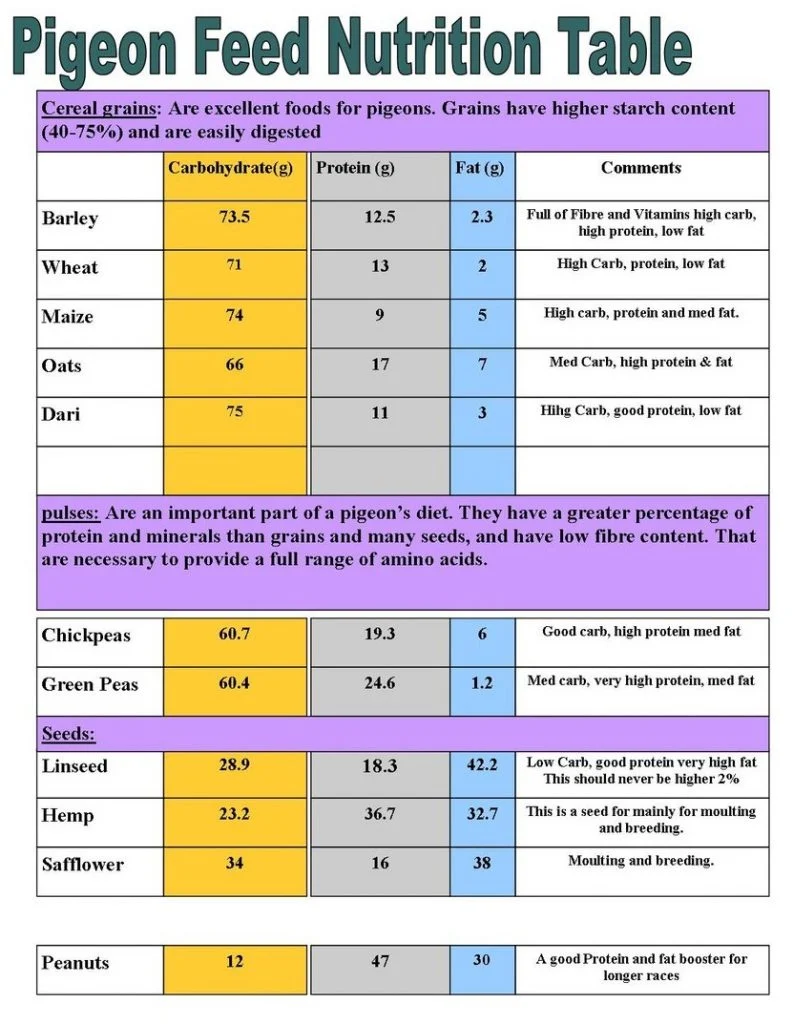
The foundational diet of the modern racing pigeon is predominantly composed of carbohydrates, a nutritional reality that dictates the physiological limits of the bird during high-stakes competition. Within the complex digestive architecture of the pigeon, carbohydrates derived from staples such as maize, wheat, and peas are synthesized into animal proteins. These proteins are subsequently stored within the bird’s musculature and liver in the form of glycogen. In the context of competitive racing, this glycogen serves as the primary fuel source, functioning much like gasoline within an internal combustion engine. However, the efficiency of this energy conversion is a critical factor in determining whether a bird returns to its loft in peak condition or in a state of physical exhaustion.
The biological combustion of one gram of glycogen yields approximately 4.1 calories of energy. For short-duration flights, this reserves-to-energy ratio is often sufficient. However, a significant physiological crisis occurs when a pigeon’s "glycogen tank" is depleted before it reaches its destination. In the absence of available glycogen, the avian body begins to metabolize its own structural proteins—essentially burning its own muscle tissue to sustain flight. This secondary combustion process also yields 4.1 calories per gram, but the cost to the bird is devastating. Pigeons subjected to this metabolic stress lose significant body mass, and in extreme cases, may return to the loft as little more than "feathers and bones," having sacrificed their physical integrity to maintain the energy required for survival and navigation.
The Caloric Advantage of Lipid-Based Nutrition
To mitigate the risks of muscle wasting during marathon races, avian nutritionists and successful fanciers have increasingly turned toward high-fat dietary interventions. The comparative energy density of fats versus carbohydrates presents a compelling argument for their use in endurance sports. While carbohydrates and proteins provide 4.1 calories per gram, fat provides a staggering 9.3 calories per gram. This represents a 2.33-fold increase in energy efficiency. By providing a "high-octane" fuel source before a bird is basketed for a race, fanciers can ensure that the pigeon utilizes fat for energy rather than depleting its muscle-bound protein stores.
This caloric disparity is why fat-rich diets are often compared to the specialized fuels used in Formula-1 racing. A bird equipped with sufficient fat reserves is capable of completing a grueling marathon race and returning "nice and round," maintaining excellent physical condition because it had a more efficient energy source at its disposal. To achieve this, many fanciers supplement standard feed with maize (containing 4% fat) and rolled oats (7% fat). However, as the season progresses toward the most demanding marathon events, the dietary focus shifts toward oil-rich seeds. These include sunflower seeds (28% fat), linseed (34%), hempseed (32%), and rapeseed (42%). These seeds are not merely treats; they are essential strategic tools that can become the deciding factor in difficult races, allowing birds to maintain their form and weight under extreme environmental pressures.
The Peanut: A Specialized Fuel for Avian Engines
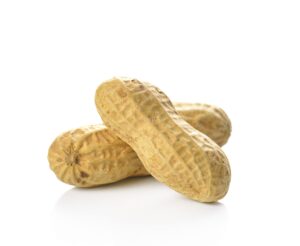
Among the various fat sources available to the pigeon fancier, the peanut stands out as a premier fuel. Research conducted in the United Kingdom has previously demonstrated that high-fat diets, particularly those supplemented with 5% corn oil, result in measurable performance improvements. The peanut, characterized by its oblong shape and thin brown skin, offers a unique nutritional profile that mimics the composition of crop milk—consisting primarily of fats and proteins.

With a protein content of approximately 30%, the peanut is second only to the soybean in terms of protein density, far exceeding the levels found in maize or wheat. This makes it an ideal feed not only for racing but also for the development of nest-raised young. However, the energy density of the peanut is its most notable feature: 5.7 grams of peanuts provide the caloric equivalent of 10 grams of a standard grain mixture. Theoretically, a pigeon could survive on half its usual ration if fed exclusively on peanuts, a claim supported by historical accounts from the post-war era.
Historical Context and Expert Observations
The efficacy of a peanut-centric diet is exemplified by the experiences of Eduard Pape of Hamburg, a laborer who worked at the port unloading peanuts for oil mills following World War II. Due to the scarcity of traditional feed and the availability of peanuts, Pape transitioned his flock to a diet consisting almost entirely of the nuts. Despite the unconventional nature of the diet, his birds achieved exceptional racing results, particularly in challenging competitions.
Building on these historical precedents, modern experts like Dr. Meyer have refined the application of peanuts in loft management. Dr. Meyer advocates for the mechanical processing of peanuts—cracking them into three or four pieces. This ensures an equitable distribution of the high-value feed among the flock. In a collective feeding environment, more aggressive birds—the "fast eaters"—often consume whole peanuts before less aggressive birds, who may be the superior racers, can access them. By providing smaller pieces, the fancier ensures every bird receives its necessary caloric boost.
Chronology of Nutritional Management Throughout the Season
The strategic use of peanuts follows a specific timeline tailored to the life cycle of the racing pigeon:
- Winter Introduction: The best time to introduce pigeons to peanuts is during the winter months. Because pigeons are naturally cautious with unfamiliar feed, this period allows them to acclimate to the taste and texture. Once accustomed, birds often begin to prioritize peanuts over other grains.
- Breeding and Development: During the rearing of young birds, parents are provided with 5 to 10 grams of peanut pieces, particularly between the sixth and twelfth day of the squabs’ lives. This period is a critical transition from crop milk to solid feed. Peanuts provide the necessary fat and protein to support rapid growth and ease the transition for parents who may struggle with producing traditional "mush."
- Weaning and Training: Newly weaned birds are introduced to peanuts immediately. Fanciers use peanuts as a reward to "call in" young birds to the loft. This psychological conditioning ensures that the pigeons associate the loft with high-value rewards, eliminating entry problems after future races.
- The Racing Season and Widowhood: During the competitive season, peanuts serve a dual purpose: physiological fueling and psychological motivation.
Strategic Application in the Widowhood System
In the widowhood system, peanuts are used to increase the bird’s attachment to its nest box. Fanciers often place peanut pieces in the feeders of individual boxes after the birds have been exercised. This creates an environment where the widowers are eager to return to their boxes, anticipating a treat from the fancier’s hand. This practice fosters a close bond between the bird and the fancier, which is considered a vital component of successful loft management.
For birds that have struggled in a previous race and returned underweight, a peanut-heavy ration is used to expedite recovery. Standard "cleansing" rations, which are typically low in protein, may not be sufficient to return a worn-out bird to racing form within a week. The high-energy density of peanuts allows these birds to regain weight more rapidly.
The management of racing hens also involves careful peanut titration. Hens are fed smaller quantities than cocks to maintain their drive, but they are given an increased portion on the evening before and the day of basketing. This ensures they have sufficient energy for the race without the risk of "lesbian activity" or premature egg-laying, which can occur with overfeeding. Dr. Meyer notes that this method allows hens to remain competitive and reliable for up to 14 weeks of racing, often outperforming the cocks in difficult conditions.
Weather-Based Feeding Strategies and Broader Implications
The final determination of a pigeon’s diet often depends on the meteorological forecast. When head-winds are predicted, indicating a strenuous and long-duration flight, fanciers provide an extra portion of peanuts to maximize fat reserves. Conversely, if tail-winds are expected, the peanut ration is curtailed to prevent the birds from becoming too heavy or overly energetic for a shorter flight.
For marathon races involving two nights in the transport basket, a specialized feeding schedule is employed. On the day of basketing, pigeons are fed high-carbohydrate grains in the morning, followed by an afternoon feeding of as many peanuts as they desire. This "double-loading" strategy effectively provides the bird with two days’ worth of energy in a single day, ensuring they do not need to rely on the often inferior field corn provided during transport.
The shift toward high-fat, peanut-supplemented diets represents a broader evolution in the sport of pigeon racing. As the margin between victory and defeat narrows, the application of avian nutritional science has become as important as genetic selection and training. By understanding the metabolic pathways of glycogen and lipids, and by leveraging the high caloric density of the peanut, fanciers can protect the physical health of their birds while pushing the boundaries of avian performance. This professionalized approach to nutrition ensures that the "racing engines" of these elite birds are fueled for maximum endurance, safety, and speed.

