
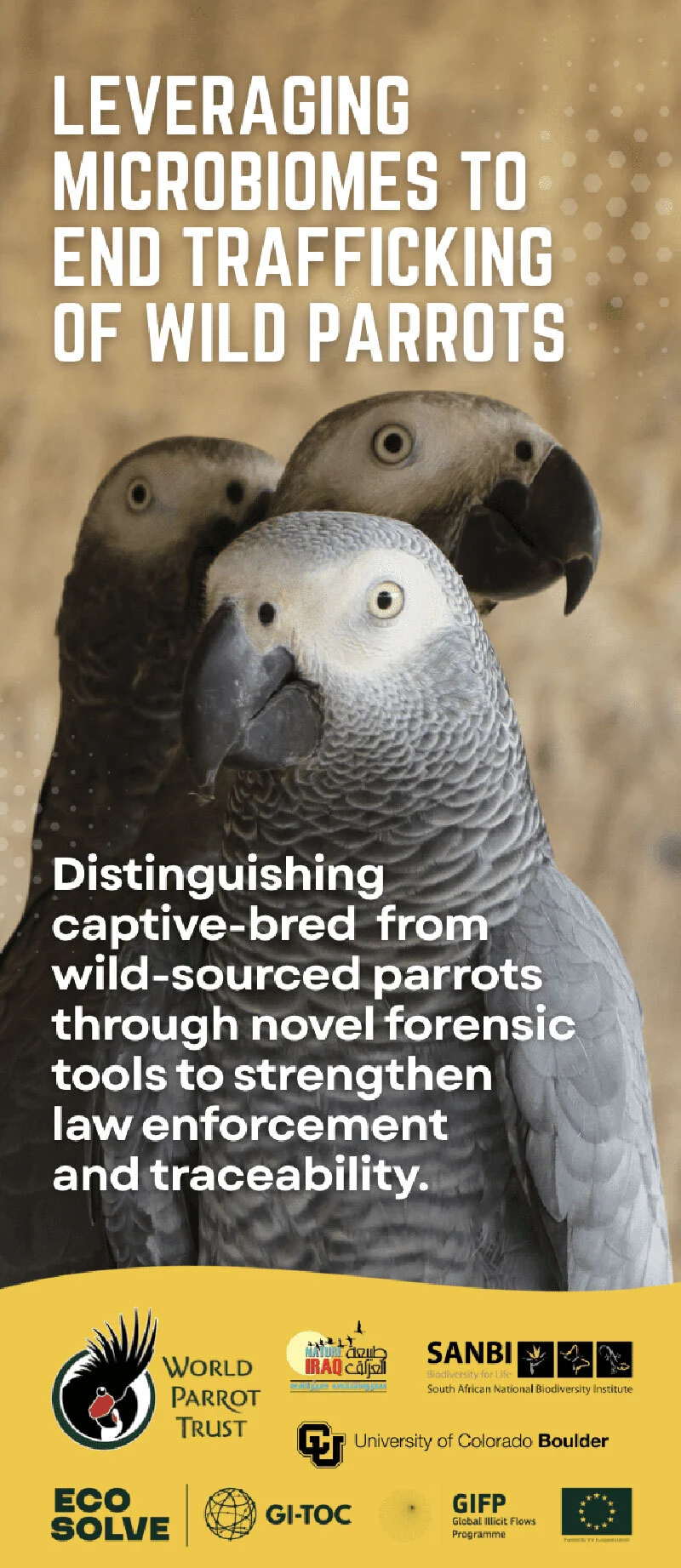
Groundbreaking advancements in genomic research and investigative technologies are revolutionizing our ability to understand and protect the natural world, particularly in the critical fight against illegal wildlife trafficking. The advent of sophisticated DNA sequencing machines has empowered scientists to meticulously map entire genomes – the comprehensive genetic blueprint of an organism. This unprecedented capability has unlocked the development of powerful new tools capable of identifying species with pinpoint accuracy, distinguishing between individuals, and even analyzing the genetic makeup of entire ecosystems through a field known as metagenomics. These innovations are not just academic curiosities; they are rapidly becoming indispensable instruments for conservationists, law enforcement, and researchers striving to safeguard biodiversity and uphold international regulations.
The Evolving Landscape of Genetic Science: From DNA to Genomics
For decades, Deoxyribonucleic Acid (DNA) has been recognized as the fundamental molecule of heredity, carrying the genetic instructions for the development, functioning, growth, and reproduction of all known organisms. The early days of genetic research focused on understanding individual genes and their roles. However, the significant leap forward came with the development of high-throughput sequencing technologies, which allowed scientists to read vast stretches of DNA code efficiently and affordably. This led to the concept of genomics, the study of an organism’s entire genome, including the complex interactions between genes and their environment.
The Human Genome Project, completed in 2003, was a monumental undertaking that sequenced the entire human genome. While a landmark achievement for human health, the same technological advancements have since been applied to countless other species, from the smallest microbes to the largest mammals, and crucially, to birds like the African grey parrot. This shift from studying individual genes to understanding the entire genetic orchestra has opened up new avenues for scientific inquiry and practical application.
Combating Illegal Wildlife Trade: Genomics as a Forensic Powerhouse
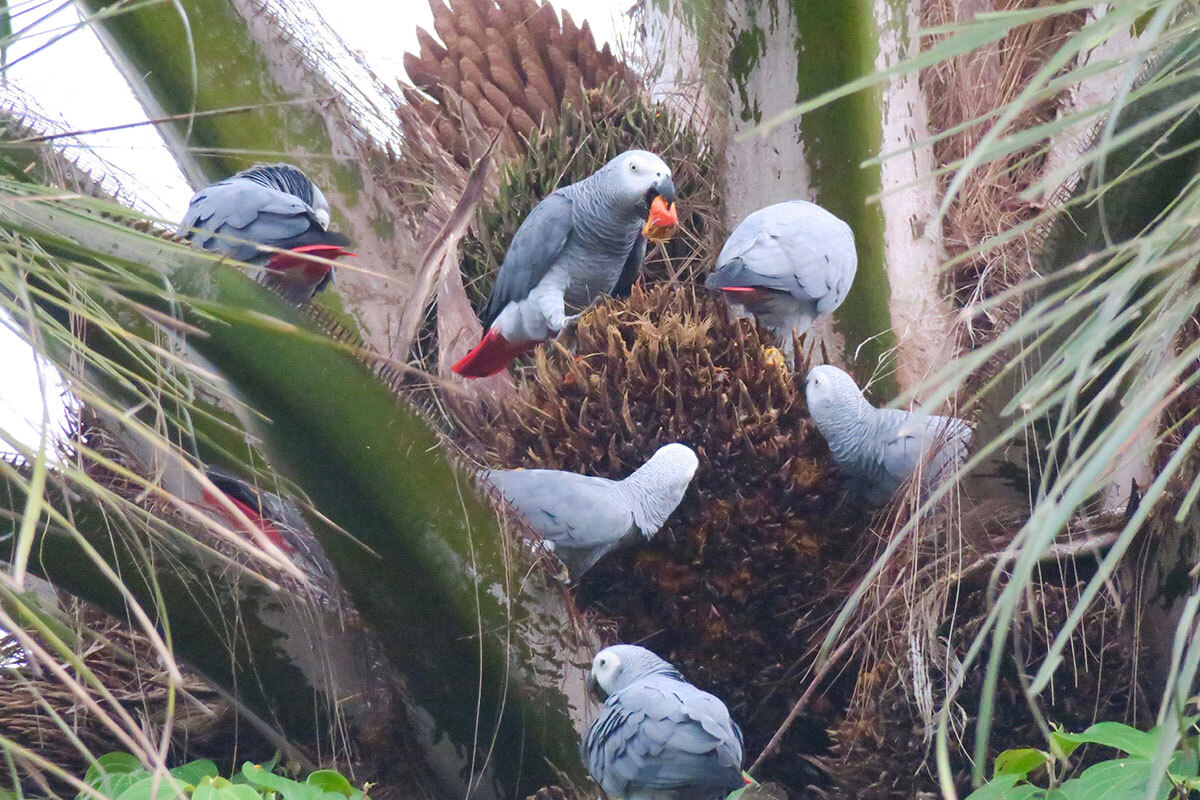
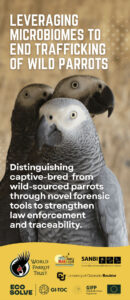
The application of genomics in conservation efforts, especially against the backdrop of the illegal wildlife trade, represents a potential paradigm shift. Forensic scientists are at the forefront of developing innovative tools that leverage genomic data to differentiate between wild-sourced and captive-bred animals. One particularly promising area of research involves the analysis of gut microbiomes. The microbiome, the collection of microorganisms residing in an animal’s digestive tract, is highly sensitive to an animal’s diet and environment. Wild animals have distinct microbial communities shaped by their natural foraging habits and habitats, while captive-bred animals, exposed to different diets and environments, will possess a different microbial signature.
This distinction is critically important for addressing the pervasive issue of wildlife laundering, where unscrupulous traffickers exploit legal trade channels by falsely labeling illegally captured wild birds as captive-bred. The international trade in parrots, particularly species like the African grey parrot (Psittacus erithacus), has been a significant concern for conservation organizations for years. These birds, highly sought after for their intelligence and ability to mimic human speech, are native to various parts of Africa. However, the demand for them in the exotic pet trade has led to unsustainable levels of capture from the wild, pushing some populations towards endangerment.
The Scale of the Problem: A Look at Parrot Trafficking
The sheer volume of parrots involved in international trade highlights the magnitude of the challenge. Since 2020, for instance, over 46,000 African grey parrots have reportedly been exported from South Africa, purportedly as "captive-bred." While a portion of this trade may indeed be legitimate, the potential for widespread illegal activity is substantial. In the Democratic Republic of Congo, a known trafficking hotspot, images have emerged depicting the grim reality of grey parrots being trafficked, underscoring the urgency of effective enforcement.
The legal trade in wildlife, while intended to support conservation and sustainable livelihoods, can inadvertently create pathways for illegal products to enter the market. This creates immense challenges for regulatory bodies tasked with protecting vulnerable wild populations from the pressures of illegal capture. Metagenomics, by enabling the comprehensive analysis of genetic material from environmental samples or biological specimens, offers a powerful new method for monitoring legal supply chains. This allows authorities to detect anomalies and identify potential points of exploitation, thereby providing investigators with the crucial tools needed to dismantle trafficking networks.
A Timeline of Innovation and Application
The journey from understanding DNA to leveraging genomics for wildlife forensics has been a progressive one.
- Early 20th Century: Gregor Mendel’s work on inheritance lays the foundation for genetics.
- 1953: Watson and Crick discover the double helix structure of DNA, revolutionizing molecular biology.
- Late 20th Century: Development of Polymerase Chain Reaction (PCR) and DNA sequencing techniques, enabling the amplification and reading of DNA fragments.
- 2003: Completion of the Human Genome Project, demonstrating the feasibility of sequencing entire genomes.
- 2010s onwards: Advancements in next-generation sequencing (NGS) technologies dramatically reduce costs and increase speed, making whole-genome sequencing accessible for a wide range of species.
- Mid-2010s: Research begins to explore the potential of microbiome profiling for wildlife forensics, with early studies focusing on differentiating wild and captive populations of various species.
- Late 2010s – Present: Increased application of genomic tools in conservation, including DNA barcoding for species identification, population genetics for understanding genetic diversity, and microbiome analysis for tracking origins, particularly in response to rising concerns over illegal wildlife trade. The African grey parrot emerges as a key species for these forensic applications due to its high value in the pet trade and its threatened status.
- 2024: Initiatives like the Lafeber donation to the World Parrot Trust signify a commitment to implementing these cutting-edge genomic tools in real-world conservation scenarios, aiming to directly combat trafficking by verifying the origin of traded birds.
The Future of Forensic Science: A Laboratory in Your Pocket
The evolution of DNA sequencing technology is not just about increased accuracy and scope; it’s also about accessibility and portability. Traditionally, DNA sequencers have been large, complex pieces of equipment, often occupying significant laboratory space. However, the field is rapidly moving towards the development of miniaturized, portable sequencing devices. Imagine handheld or USB-drive-sized instruments capable of performing complex genomic analyses in the field, directly at the point of collection or at border crossings.
This miniaturization and increased portability offer transformative advantages:
- Rapid On-Site Analysis: Investigations can be conducted immediately, reducing the time between sample collection and result generation, which is crucial for apprehending traffickers and intercepting illegal shipments.
- Decentralized Testing: Samples no longer need to be transported to specialized central laboratories, minimizing risks of sample degradation and chain-of-custody issues.
- Empowering Field Operatives: Wildlife rangers and law enforcement officers can be equipped with these tools, allowing them to make real-time decisions based on genetic evidence.
- Cost-Effectiveness: While initial investment may be required, the long-term cost savings associated with reduced transportation and laboratory overheads can be significant.
- Broader Geographic Reach: Remote areas, often the front lines of wildlife trafficking, can benefit from advanced forensic capabilities without the need for extensive infrastructure.
These future developments promise to democratize access to advanced genetic analysis, making it a more ubiquitous and effective tool in the global effort to protect endangered species.
Broader Implications and Expert Perspectives
The implications of these genomic advancements extend far beyond the immediate task of combating parrot trafficking. They offer a blueprint for similar efforts targeting a vast array of endangered species threatened by illegal trade, including pangolins, rhinos, tigers, and marine life. By being able to reliably trace the origin of wildlife products, authorities can better target enforcement efforts, disrupt illicit supply chains, and hold poachers and traffickers accountable.
Dr. Eleanor Vance, a leading conservation geneticist not directly involved with this specific project but familiar with the methodology, commented on the significance of such research: "The ability to authenticate the origin of wildlife is a critical missing piece in many enforcement efforts. Traditional methods can be circumvented, but a bird’s microbiome, shaped by its environment from birth, is a much harder fingerprint to fake. This type of forensic application of genomics is not just innovative; it’s essential for the survival of many species."
Furthermore, the ethical considerations surrounding the use of genetic data are paramount. Ensuring that data is collected and used responsibly, with appropriate privacy safeguards and benefits flowing back to local communities and conservation initiatives, is crucial for long-term success and public trust.
A Collaborative Effort: Supporting World Parrot Trust
The commitment to applying these cutting-edge genomic tools is being bolstered by philanthropic efforts. This month, Lafeber, a company dedicated to avian health and welfare, has announced a significant donation to support the World Parrot Trust’s mission. This contribution is specifically earmarked for the implementation of microbiome profiling as a forensic tool.
By enabling the non-invasive sampling of parrots and the subsequent genetic analysis of their gut microbiomes, this initiative aims to directly address the issue of wild parrots being laundered through legal supply chains. The ultimate goal is to significantly slow down this illicit activity and provide enhanced protection for high-risk parrot species. This collaboration underscores the growing recognition that innovative scientific solutions, coupled with dedicated conservation organizations and supportive corporate partnerships, are vital in the ongoing battle to preserve our planet’s precious biodiversity. The integration of advanced genomic science into practical conservation strategies represents a powerful new frontier in the fight for wildlife.
