
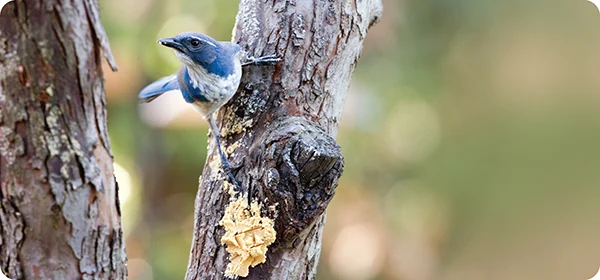
The concept of "feasting," traditionally defined as the consumption of an elaborate meal to mark a special occasion, often conjures images of Thanksgiving gatherings. Families unite around tables laden with seasonal bounty, sharing not only food but also engaging in activities that foster connection. For many, this festive spirit extends to their backyards, where the simple act of observing and feeding backyard birds becomes an integral part of the celebration. This year, as communities prepare for holiday traditions, a growing sentiment encourages incorporating avian companions into the celebratory meal, offering them a taste of the season’s abundance.
Embracing a Broader Definition of Celebration
The traditional Thanksgiving feast is characterized by an "impeccable table," often adorned with special china, serving as the centerpiece for a spread of the season’s finest and most abundant foods. This culinary event is shared with cherished friends and family. The accompanying entertainment, while varied, often involves activities like games, puzzles, outdoor excursions, or communal viewing of sports and films. However, a significant and often overlooked aspect of this celebratory period for many is the active engagement with their backyard bird feeders. This enjoyment of observing the diverse avian life that frequents these feeding stations can be seen as a form of shared entertainment.
Recognizing this burgeoning tradition, Wild Birds Unlimited (WBU) is highlighting the opportunity to extend the spirit of feasting to local bird populations. The organization suggests that just as humans celebrate with elaborate meals, providing a similarly enriching experience for birds can deepen the connection between people and nature. This perspective frames bird feeding not merely as a hobby, but as an act of thoughtful hospitality, treating feathered visitors as integral members of the extended community.
Crafting an Avian Banquet: A Culinary Guide for Birds
The core of this extended feasting concept lies in providing a high-quality and varied menu for birds. WBU emphasizes the importance of an "impeccable" avian table, which translates to meticulously clean feeders, a consistent supply of fresh water, and a diverse offering of premium food.
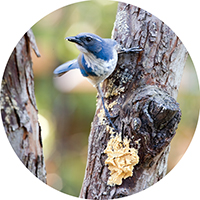
The foundational elements of a bird’s feast, according to WBU recommendations, begin with a base of high-quality seed blends. These blends are designed to cater to a wide range of species, providing essential nutrients. Beyond seeds, suet is highlighted as a crucial component, offering a calorie-rich energy source, particularly vital during colder months. Nyjer® seed, known for its appeal to finches and other small seed-eating birds, is also recommended as a specialty offering.
To elevate the avian menu from a simple meal to a true "feast," WBU suggests incorporating additional delicacies. Peanuts, in various forms (shelled, unshelled, or as peanut butter-based products), are a high-protein favorite for many backyard birds, including jays, woodpeckers, and chickadees. Bark Butter® products, a proprietary WBU offering, are also promoted as an enticing treat that can attract a broad spectrum of insectivorous and omnivorous birds. Furthermore, specialty seed blends, such as the "Winter SuperBlend®," are formulated to provide optimal nutrition and energy for birds facing the challenges of colder weather.
The implication of offering such a diverse and high-quality menu is that the birds themselves become part of the day’s entertainment. A well-fed and content bird population can provide hours of engaging observation, with varied species, behaviors, and interactions contributing to the festive atmosphere.
The Coffee Connection: A Symbiotic Celebration
Beyond the direct offerings for birds, the article introduces a thoughtful connection between human holiday indulgence and avian well-being. It suggests that while enjoying a slice of pumpkin or apple pie, individuals can also partake in a cup of shade-grown, bird-friendly coffee. This recommendation is rooted in a significant conservation message. Shade-grown coffee farms, by preserving forest canopies, provide critical habitat for migratory songbirds during their wintering grounds in the tropics.
This practice directly supports over 42 species of North American migratory songbirds. By choosing coffee that is cultivated with ecological considerations in mind, consumers can contribute to the survival of these birds, many of which are familiar visitors to backyard feeders during their northward migration in the spring. This initiative transforms a simple beverage choice into a meaningful act of support for bird conservation, aligning personal enjoyment with ecological responsibility. The article posits that this dual benefit – personal enjoyment and support for bird conservation – represents a particularly rewarding aspect of the feasting tradition.

Expanding the Toolkit: Additional Ways to Support Birds
The concept of "feasting with feathered friends" extends beyond the immediate holiday meal. WBU directs readers to external resources that offer broader strategies for avian support. A link to "7 Simple Actions" from Cornell Lab of Ornithology suggests practical, actionable steps individuals can take to assist birds. These actions might include providing clean water sources year-round, reducing pesticide use in gardens, planting native species that offer food and shelter, and participating in citizen science initiatives. Such resources empower individuals to move beyond seasonal gestures and become consistent stewards of bird populations.
The "Nature Centered" Podcast: Deeper Dives into Avian Engagement
For those seeking more in-depth insights and engaging discussions on attracting a wider variety of birds and enhancing backyard bird-feeding experiences, WBU promotes its "Nature Centered" podcast. A specific episode, "Feasting with Feathered Friends," is highlighted. This podcast episode features experts John and Brian, who reportedly offer entertaining and informative advice on how to maximize the joy derived from backyard birding. The podcast serves as an educational platform, providing practical tips and fostering a deeper appreciation for the natural world.
The podcast episodes, and indeed the broader mission of WBU, are centered around the idea of "bringing people and nature together." This includes not only the provision of high-quality products but also the dissemination of knowledge and encouragement of active engagement with the environment.
Background and Context: Wild Birds Unlimited and Bird Conservation
Wild Birds Unlimited (WBU), the organization behind this initiative, is a significant player in the backyard bird feeding industry. As the "original and largest franchise system" of its kind, with over 350 locations across the United States and Canada, WBU has a substantial reach and influence. Their business model is predicated on providing specialized products, expert advice, and educational events focused on bird feeding and nature appreciation.
The company’s emphasis on "bringing people and nature together" reflects a broader trend towards nature-based recreation and a growing public interest in conservation. In recent years, there has been a documented increase in birdwatching and backyard bird feeding, driven by a desire for connection with the natural world, particularly in urban and suburban environments. This trend has been amplified by increased awareness of environmental issues and the impact of human activities on wildlife.
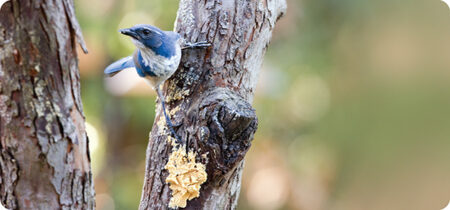
The promotion of shade-grown, bird-friendly coffee aligns with WBU’s commitment to conservation. Many organizations and consumers are increasingly scrutinizing the environmental and social impact of their purchasing decisions. By endorsing products that have a positive ecological footprint, WBU positions itself as a socially responsible entity and educates its customer base on making informed choices.
Data and Analysis: The Impact of Bird Feeding
The practice of bird feeding has quantifiable impacts, both on bird populations and human well-being. Studies have shown that supplemental feeding can be crucial for bird survival, especially during harsh winters when natural food sources are scarce. For instance, research has indicated that feeders can significantly reduce mortality rates for certain species during prolonged periods of cold and snow.
From a human perspective, birdwatching and feeding are associated with numerous mental and physical health benefits. These include stress reduction, improved mood, increased physical activity (in setting up and maintaining feeders), and enhanced connection to nature. A 2017 study published in the journal Ecopsychology found that spending time in nature, even observing birds from one’s home, can lead to significant improvements in mental well-being.
The economic implications of the bird feeding industry are also considerable. The U.S. Fish and Wildlife Service’s National Survey of Fishing, Hunting, and Wildlife-Associated Recreation consistently reports billions of dollars spent annually on bird feeding supplies and related activities, supporting jobs and local economies.
Broader Implications and Future Trends
The WBU initiative to encourage "feasting with feathered friends" reflects a growing anthropomorphism in human-animal interactions, where pets and even wildlife are increasingly seen as members of the family or community. This trend can foster greater empathy and encourage more active participation in conservation efforts.

The emphasis on shade-grown coffee also highlights the interconnectedness of global ecosystems and the far-reaching impact of consumer choices. As climate change continues to affect migratory patterns and habitat availability, initiatives that support bird-friendly practices in distant locations become increasingly vital.
Looking ahead, the integration of technology, such as smart bird feeders and advanced bird identification apps, is likely to further enhance the engagement of individuals with backyard wildlife. Educational platforms like podcasts and online resources will continue to play a crucial role in disseminating information and fostering a deeper understanding of avian ecology and conservation needs. The "feasting with feathered friends" concept, therefore, serves as a timely reminder of the reciprocal relationship between humans and nature, encouraging a more mindful and celebratory approach to coexisting with the natural world. The success of such initiatives hinges on continued public engagement and a commitment to sustainable practices that benefit both people and the planet.
