
The discipline of pigeon racing, often referred to as the "marathon of the skies," demands a sophisticated understanding of avian physiology and metabolic optimization. At the core of a racing pigeon’s performance lies its nutritional intake, which serves as the primary determinant of endurance, recovery, and overall competitive viability. Historically, the staple diet of racing pigeons has been dominated by carbohydrates, yet modern advancements in ornithological nutrition suggest that a strategic shift toward high-lipid diets—specifically through the integration of peanuts—can provide a decisive advantage in long-distance events.
The Bio-Energetics of Avian Flight: Glycogen vs. Lipids
The physiological requirements of a pigeon during a race are comparable to those of a high-performance endurance athlete. When a pigeon consumes traditional grains such as maize, wheat, and peas, its digestive system converts these complex carbohydrates into animal proteins and glycogen. This glycogen is subsequently stored within the liver and the pectoral muscles, serving as the bird’s primary "fuel tank."
In metabolic terms, the combustion of one gram of glycogen yields approximately 4.1 calories of energy. While this is sufficient for short-duration flights, the limitations of glycogen storage become apparent during marathon races. Once the glycogen reserves are exhausted, the pigeon’s metabolism undergoes a catabolic shift, beginning to break down its own body proteins—essentially consuming its own muscle tissue—to sustain flight. This process, which also yields 4.1 calories per gram, results in significant weight loss and physical degradation. In extreme cases, birds returning from grueling races may arrive in a state of emaciation, having utilized nearly all available soft tissue to reach their destination.
The alternative to this metabolic crisis is the utilization of fats. Lipids offer a significantly higher energy density than carbohydrates or proteins. A single gram of fat provides 9.3 calories, which is roughly 2.33 times the energy output of glycogen. By shifting the pigeon’s primary energy source from carbohydrates to fats prior to a race, fanciers can ensure that the bird has a more efficient and longer-lasting fuel supply. This prevents the "burning" of muscle tissue, allowing the bird to return in excellent physical condition, maintaining its roundness and muscle tone even after several hundred miles of flight.
Comparative Lipid Profiles in Avian Feed
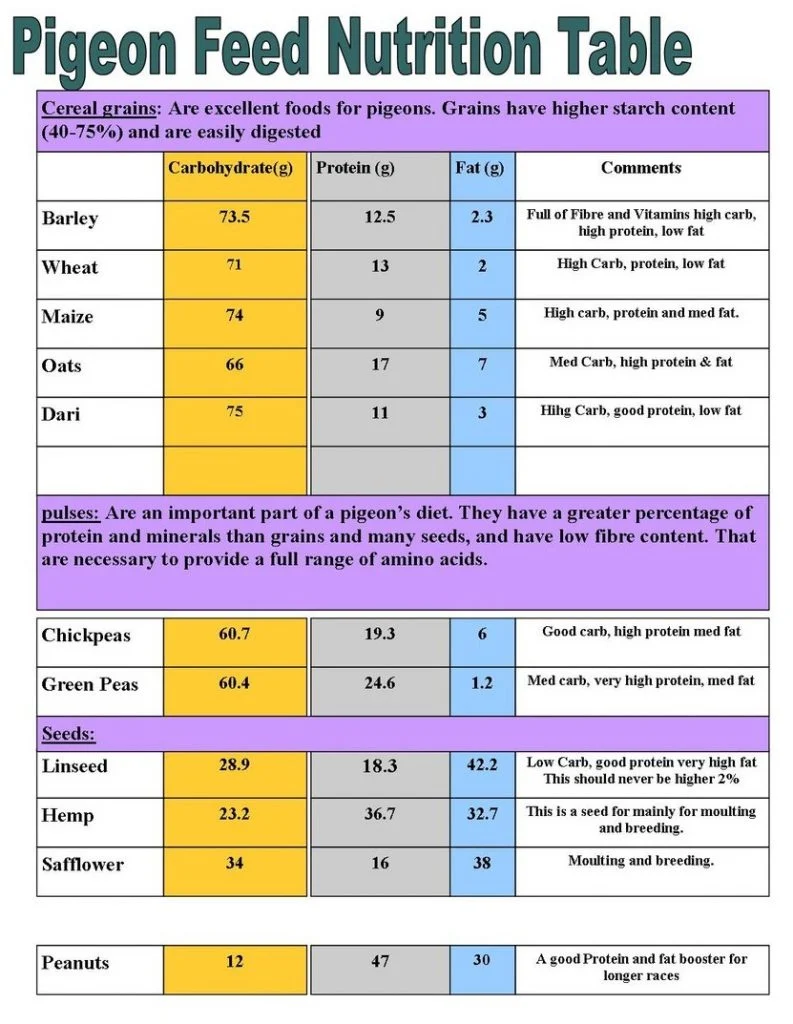
To achieve the necessary fat loading, experienced fanciers have traditionally supplemented standard mixes with specific oil-rich seeds. The nutritional landscape of pigeon feed varies significantly across different grain types:

- Maize: 4% fat content
- Rolled Oats: 7% fat content
- Sunflower Seeds: 28% fat content
- Hempseed: 32% fat content
- Linseed: 34% fat content
- Rapeseed: 42% fat content
While these seeds are vital components of a high-energy diet, researchers in the United Kingdom have demonstrated that performance can be further enhanced by increasing the total fat percentage of the daily ration, often by adding liquid corn oil to the mix. However, among all available supplements, the peanut has emerged as a "first-class fuel" for racing pigeons due to its unique combination of fats and proteins.
The Peanut: A Nutritional Superfuel
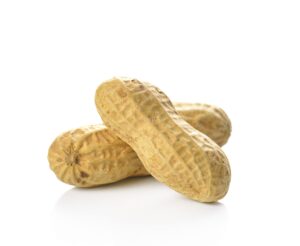
The peanut is an energy-dense legume that offers a potent nutritional profile. Beyond its high fat content, it contains approximately 30% protein, trailing only the soybean in protein density among common avian feeds. This makes the peanut an ideal source of sustained energy and muscle-building blocks.
The historical efficacy of a peanut-centric diet is exemplified by the case of Eduard Pape, a laborer in the port of Hamburg following World War II. Pape, who had access to surplus peanuts intended for oil mills, fed his racing pigeons an almost exclusive diet of peanuts. Despite the unconventional nature of this feeding regimen, Pape achieved extraordinary racing results, particularly in difficult, long-distance events. His success underscored a critical nutritional fact: the energy value of peanuts is so high that 5.7 grams of peanuts provide the same caloric value as 10 grams of a standard grain mixture. Consequently, pigeons can thrive on smaller portions if those portions are nutrient-dense.
Strategic Implementation and Behavioral Benefits
Introducing peanuts into a loft’s feeding schedule requires a methodical approach. Because pigeons may not initially recognize peanuts as food, fanciers often begin the introduction during the winter months. Once the birds become accustomed to the taste, they frequently prioritize peanuts over other grains, a behavior that can be leveraged for loft management.
Dr. Meyer, a noted authority on the subject, emphasizes the importance of the "hand-feeding" method. By carrying peanuts in a pocket and offering them individually, a fancier can foster a bond of trust with the birds. This taming process is not merely for aesthetic or emotional purposes; a tame pigeon is easier to manage, less stressed during transport, and more likely to enter the loft quickly upon returning from a race—a crucial factor in a sport where seconds determine the winner.
Furthermore, Dr. Meyer advocates for cracking peanuts into smaller pieces. This ensures that less aggressive birds, which are often the most talented racers, receive their fair share of the supplement, preventing more dominant birds from monopolizing the high-energy treat.
Lifecycle Applications: From Breeding to Competition
The utility of peanuts extends beyond the racing season into the breeding and weaning phases. The nutritional composition of a peanut—high in fat and protein—closely mirrors that of "crop milk," the substance produced by parent pigeons to feed their hatchlings.
- The Breeding Phase: Between the 6th and 12th day of a youngster’s life, as they transition from crop milk to solid feed, supplementing the parents’ diet with 5-10 grams of peanut pieces can ensure the chicks receive optimal nutrition for rapid growth.
- The Weaning Phase: Introducing young birds to peanuts early facilitates better "trapping" behavior. Young pigeons that associate the loft and the fancier’s call with the reward of a peanut are significantly more disciplined when returning from training flights.
- The Widowhood System: In the competitive widowhood system, peanuts are used to increase the bird’s attachment to its nest box. By placing a few peanuts in the feeder of a returning widower, the fancier reinforces the bird’s desire to return home as quickly as possible.
Weather-Contingent Feeding Strategies
One of the most sophisticated aspects of pigeon nutrition is the adjustment of rations based on meteorological forecasts. The physical demand placed on a bird varies wildly depending on wind direction and intensity.
- Head Winds: When a race is expected to be strenuous due to head winds, fanciers provide an extra portion of peanuts in the days leading up to basketing. This ensures the "fat tank" is full, providing the endurance necessary for a slow, difficult flight.
- Tail Winds: In contrast, if the forecast indicates strong tail winds, the birds will return much faster with less physical exertion. In these instances, peanuts are fed sparingly to prevent the birds from becoming too heavy or overly energetic, which could lead to erratic behavior.
- Multi-Night Basketing: For races where birds spend two nights in the transport basket, a specific two-stage feeding process is recommended. In the morning, birds are fed high-carbohydrate grains for immediate energy. In the afternoon, they are given as many peanuts as they desire. This "double-loading" strategy ensures the bird has sufficient reserves to last through the duration of the transport and the subsequent race.
Broader Implications and Analytical Conclusion
The shift toward high-lipid diets in pigeon racing reflects a broader trend in animal science toward precision nutrition. By moving away from the "one-size-fits-all" approach of bulk grain feeding and toward a targeted, energy-dense strategy, fanciers are able to improve not only the speed of their birds but also their post-race welfare.
The analytical implication of this dietary shift is clear: energy efficiency is the deciding factor in modern racing. As competition becomes more intense and distances remain demanding, the ability to provide a bird with a fuel source that yields 2.33 times the energy of traditional feed is a technological advantage that cannot be ignored. While peanuts are more expensive than traditional maize or wheat, the reduction in muscle wasting and the improvement in recovery times offer a significant return on investment for the serious fancier.
In conclusion, the integration of peanuts into the racing pigeon’s diet is a multifaceted strategy that addresses physiological, behavioral, and competitive needs. By understanding the metabolic pathways of glycogen and lipids, and by strategically applying this knowledge through the lifecycle of the bird, fanciers can ensure their pigeons are not only faster but also healthier and more resilient in the face of the sport’s extreme challenges.

