
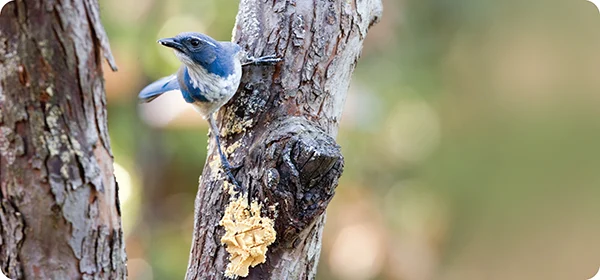
The approaching holiday season, a time traditionally marked by elaborate meals and shared experiences, presents a unique opportunity to extend the spirit of generosity to the avian inhabitants of our backyards. This year, as families gather to celebrate, an emphasis is being placed on inclusive feasting, recognizing that our feathered friends also appreciate thoughtful offerings during this abundant time. The concept of "feasting" itself, often defined as the consumption of an elaborate meal to mark a special occasion, can be thoughtfully applied to the practice of backyard bird feeding, transforming a simple hobby into a meaningful act of connection with nature.
A Tradition of Abundance and Connection
Thanksgiving, a cornerstone of the autumnal celebration in North America, is synonymous with a table laden with seasonal bounty, shared with loved ones. This tradition of abundance naturally extends to the care and appreciation of the natural world. For many, the holiday entertainment includes activities that foster connection, whether through games, outdoor excursions, or shared screen time. Increasingly, observing and interacting with backyard bird feeders has become a cherished part of this family entertainment. This perspective invites individuals to consider their backyard birds not just as passive observers, but as integral members of the seasonal celebration, deserving of their own special "feast."
The practice of providing for birds during colder months is not new. Historically, communities have recognized the challenges faced by wildlife during winter and have implemented measures to support their survival. This includes the provision of food sources, which become particularly critical as natural food availability dwindles. Modern backyard bird feeding has evolved from a simple act of scattering seeds to a sophisticated practice informed by ornithological knowledge and a desire to support diverse avian populations.
Curating the Avian Banquet: A Menu for Success
Creating an "impeccable table" for birds requires attention to detail, mirroring the care taken in preparing a human feast. This begins with the fundamental elements of a bird’s diet: clean feeders, a constant supply of fresh water, and high-quality food offerings. The menu for feathered guests can be as varied and appealing as any human spread, catering to different tastes and nutritional needs.
Foundational Offerings:
- Quality Seed Blends: The cornerstone of any bird feeding station, these blends should be formulated to attract a variety of species. High-quality blends typically feature a mix of black oil sunflower seeds, striped sunflower seeds, safflower seeds, and millet, providing essential fats, proteins, and carbohydrates. The absence of excessive fillers like red milo, which is often less palatable to many common backyard birds, is a key indicator of a superior blend.
- Suet: A calorie-rich food, suet is particularly beneficial during colder months when birds require extra energy to maintain body temperature. Available in various formulations, suet cakes can be enhanced with ingredients like nuts, berries, and insects, further increasing their appeal to insectivorous birds like woodpeckers, nuthatches, and chickadees.
- Nyjer® Seed: This tiny, oil-rich seed is a favorite of finches, particularly American Goldfinches. Its small size necessitates specialized feeders, often referred to as thistle feeders, designed to prevent waste and allow these delicate birds easy access. The popularity of Nyjer® seed has grown significantly, transforming many backyards into vibrant finch havens.
Gourmet Additions:
- Peanuts: Offered whole, shelled, or as peanut pieces, peanuts are a high-energy food that attracts a wide range of birds, including jays, woodpeckers, chickadees, and titmice. Their high fat content makes them an excellent supplement, especially during winter.
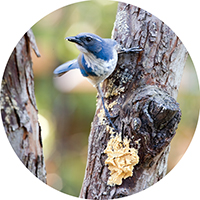
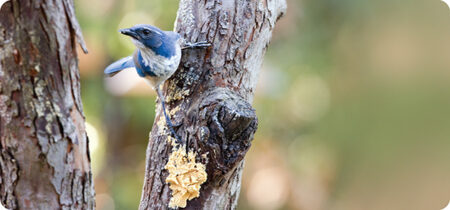
- Bark Butter® Products: Developed as a highly palatable and versatile food source, Bark Butter® and its variations can be spread on tree trunks, branches, or offered in specialized feeders. These products often contain a blend of suet, peanut butter, and cornmeal, making them attractive to a broad spectrum of birds, including those that may not readily visit traditional feeders.
- Specialty Seed Blends: Beyond basic mixes, specialized blends like "Winter SuperBlend®" are formulated to meet the heightened nutritional demands of birds during the colder seasons. These blends may incorporate higher percentages of high-energy seeds and fats, ensuring that birds have the fuel they need to survive.
The selection of these diverse food sources not only enhances the dining experience for the birds but also serves as a form of "entertainment" for the observers. The variety of species attracted by different offerings creates a dynamic and engaging spectacle, adding to the joy of the holiday season.

Beyond the Plate: Sustaining Avian Lives
The act of feasting with feathered friends extends beyond providing food. It encompasses a holistic approach to supporting their well-being.
The Importance of Shade-Grown Coffee:
A subtle yet significant connection can be made between human enjoyment of seasonal treats and the welfare of migratory birds. Opting for shade-grown, bird-friendly coffee provides a direct link to conservation efforts. Shade-grown coffee farms, by preserving the forest canopy, offer crucial habitat for over 42 species of North American migratory songbirds that winter in tropical regions. Choosing this type of coffee during the holidays is a way to acknowledge and support the complex migratory journeys of these birds, ensuring their survival and return to North American breeding grounds. This conscious choice transforms a personal indulgence into a tangible contribution to global biodiversity.
Water: The Essential Element:
Just as humans require hydration, birds need access to clean, fresh water. During colder months, this can be challenging as natural water sources freeze. Bird baths, especially heated bird baths, can be invaluable. Regularly cleaning and refilling bird baths ensures that birds can drink and bathe, which is essential for maintaining feather health and insulation.
A Broader Context of Conservation:
The initiative to "feast with our feathered friends" aligns with a growing awareness of the environmental impact of human activities and a desire to contribute positively. Numerous organizations are dedicated to bird conservation, providing resources and advocating for practices that support avian populations.
Seven Simple Actions to Help Birds:

To further engage with this spirit of generosity, individuals can explore simple yet impactful actions. The Cornell Lab of Ornithology, a leading institution in bird research and education, outlines seven actionable steps that can make a significant difference in the lives of birds. These actions often include:
- Providing native plants: These offer natural food sources (seeds, berries, nectar) and habitat for insects that birds consume.
- Reducing pesticide use: Pesticides can harm birds directly or indirectly by depleting their insect food supply.
- Keeping cats indoors: Domestic cats are a significant threat to bird populations.
- Making windows bird-safe: Preventing window collisions through various deterrents can save countless birds.
- Supporting bird-friendly initiatives: This can include purchasing shade-grown coffee or supporting organizations that protect bird habitats.
- Providing nesting sites: Birdhouses and natural cavities offer essential shelter and breeding opportunities.
- Educating others: Sharing knowledge about bird conservation fosters a broader community of support.
These actions, when integrated into daily life, amplify the impact of seasonal gestures of goodwill towards birds, contributing to their long-term health and the preservation of biodiversity.
A Deeper Understanding Through Audio Resources
For those seeking to deepen their understanding and enjoyment of backyard birding, educational resources are readily available. The Wild Birds Unlimited (WBU) Nature Centered Podcast, for instance, offers episodes dedicated to topics like "Feasting with Feathered Friends." Such podcasts, hosted by knowledgeable experts, provide engaging and informative content that can enhance the backyard bird-feeding experience. Episodes like these often delve into practical tips for attracting a wider variety of birds, understanding their behaviors, and appreciating their ecological roles. The podcast’s commitment to bringing people and nature together is evident in its accessible and informative format, making complex ecological concepts understandable and actionable for a broad audience.
Conclusion: A Shared Season of Gratitude
The tradition of feasting, at its core, is about gratitude and sharing. By extending this tradition to our feathered neighbors, we not only enhance their well-being during a critical time of year but also enrich our own lives with a deeper connection to the natural world. Providing a thoughtfully curated menu of high-quality foods, ensuring access to clean water, and adopting bird-friendly practices beyond the feeder are all integral components of this inclusive celebration. As the holiday season unfolds, let us embrace the opportunity to share our abundance with the birds, fostering a shared season of gratitude and reinforcing the interconnectedness of all living beings. The simple act of filling a bird feeder can become a profound expression of ecological stewardship and a joyful testament to the beauty and resilience of nature.
