
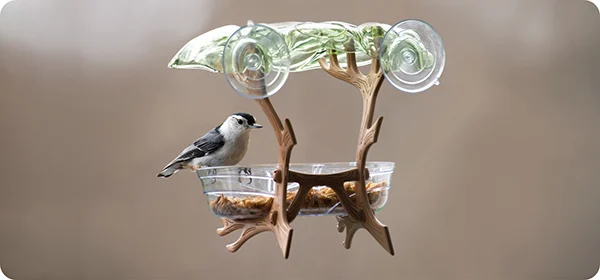
October’s arrival, marked by falling leaves and a crisp autumnal air, often conjures images of costumed children and candy. However, for ornithology enthusiasts and backyard bird watchers, this season presents a unique opportunity to extend the spirit of giving beyond human traditions and into the natural world. Wild Birds Unlimited (WBU) Inc., a leading franchise system dedicated to bringing people and nature together, is highlighting how to turn the familiar concept of "trick or treat" into a beneficial experience for avian populations. The company’s latest insights focus on employing subtle "tricks" to attract birds and offering them delightful "treats" that go far beyond the typical seed and suet offerings.
Enticing Feathered Friends: The Art of the Bird "Trick"
The notion of "tricking" nature might seem counterintuitive, yet WBU Inc. advocates for strategic methods to enhance bird visitation to backyards. One of the most consistently effective attractants for birds is the sound of moving water. This auditory cue signals a vital resource, drawing in a diverse range of species. Incorporating a water feature, such as a bird bath with a circulating pump or a gentle dripper, can transform an ordinary yard into a magnetic hub for avian activity. The gentle murmur of water not only quenches thirst but also provides opportunities for bathing, a crucial aspect of avian health and hygiene. Bird baths, in particular, have seen a surge in popularity among hobbyists, with sales figures indicating a sustained interest in enhancing backyard ecosystems. According to industry reports, the bird feeding and related products market has experienced consistent growth, with water features representing a significant segment of this expansion.
Beyond auditory lures, WBU Inc. suggests a practical "trick" for accelerating the discovery and adoption of new feeders or food sources. Birds primarily locate their sustenance through sight. Therefore, scattering a small amount of new seed directly on top of or beneath a feeder can significantly expedite the birds’ awareness and utilization of the offering. This visual cue acts as an immediate invitation, bypassing the weeks it might otherwise take for birds to confidently investigate and consume unfamiliar food. This technique is particularly effective for introducing novel seed blends or specialized food types, ensuring that the investment in new bird feeding supplies yields quicker results. The visual appeal of food laid out in an accessible manner is a powerful initial draw for many bird species, especially those that are more cautious or territorial.
Beyond the Ordinary: Delectable "Treats" for a Varied Diet
The concept of "treats" for birds, as proposed by WBU Inc., diverges sharply from the sugary confections associated with human Halloween traditions. Instead, it emphasizes offering a supplementary, high-value nutritional boost that complements their regular diet of seeds and suet. This approach acknowledges the diverse dietary needs of different bird species and aims to provide them with energy-rich foods that support their health and well-being, particularly as the weather turns colder and natural food sources become scarcer.
A prime example of such a treat is Jim’s Birdacious® Bark Butter®, a product specifically formulated to attract a wide array of bird species, including those less inclined to visit traditional feeders. This spreadable suet is a culinary delight for birds, renowned for its ability to draw in species that might typically forage elsewhere. Documented evidence indicates that Bark Butter has attracted an impressive 155 different bird species across North America, a testament to its broad appeal and nutritional value. The "trick" associated with maximizing its effectiveness involves smearing it onto the bark of a favored tree or directly onto the edge of an active feeder. This placement makes it easily accessible and visible, encouraging immediate exploration and consumption. The popularity of such specialized products reflects a growing understanding among bird enthusiasts of the importance of varied and appealing food sources.
Peanuts, in various forms, are another highly recommended treat. These legumes are a powerhouse of energy and are relished by a broad spectrum of birds, including woodpeckers, titmice, nuthatches, chickadees, and bushtits. Their appeal extends particularly to jays, who are well-known for their habit of caching food for later consumption. Jays exhibit a strong preference for peanuts in the shell, often burying up to 100 in a single day, which can rapidly deplete a tray feeder. Observing jays meticulously burying these nutritious treasures, sometimes traveling up to six miles to find suitable hiding spots, provides an engaging glimpse into their survival strategies. The energy density of peanuts makes them an ideal food source for birds during the demanding autumn and winter months, when they need to maintain body fat reserves to survive colder temperatures.
Other specialized treats cater to the specific palates of different bird groups. Mealworms are a particular favorite among bluebirds, providing essential protein. For orioles, fruits and jelly offer a sweet and energy-rich supplement. Hummingbirds, with their incredibly high metabolic rates, thrive on nectar, which mimics their natural food source of flower nectar. The availability of these specialized foods allows bird watchers to create a more attractive and nutritionally complete environment, fostering greater biodiversity in their backyards.

A Deeper Dive into Bird Nutrition and Behavior
The nutritional requirements of wild birds are complex and vary significantly based on species, age, and season. During autumn, birds are preparing for migration or the onset of winter. This often involves accumulating fat reserves, which necessitates a diet rich in energy-dense foods like fats and proteins. Suet-based products, like Bark Butter, provide a concentrated source of fat, while nuts and seeds offer a balance of protein, fats, and carbohydrates.
The act of caching, as observed in jays, is a critical survival behavior. This stored food acts as a vital buffer against periods of scarcity. The distance jays travel to cache food, sometimes up to six miles, highlights their sophisticated spatial memory and their commitment to ensuring future food security. This behavior also plays an indirect role in seed dispersal, as not all cached seeds are recovered, leading to the germination of new plants.
The attraction of specific food types to particular species is a fascinating aspect of ornithology. For instance, the preference of bluebirds for mealworms is well-documented. Mealworms are a readily digestible source of protein and fat, crucial for the development of young birds and the overall health of adults. Similarly, the vibrant colors of fruits and the sweetness of jelly appeal to frugivores and nectarivores like orioles and hummingbirds, whose diets in the wild are heavily reliant on these food sources. Nectar, a sugar-rich liquid produced by flowers, is the primary food source for hummingbirds, providing the rapid energy they need for their high-speed aerial maneuvers and sustained flight.
The Broader Impact on Backyard Ecosystems and Conservation
The practice of providing supplementary food and water for wild birds extends beyond mere hobbyism; it plays a tangible role in supporting local avian populations and contributing to broader conservation efforts. In urban and suburban environments, natural food sources can be diminished due to habitat fragmentation and development. Supplementary feeding can help bridge these gaps, ensuring that birds have adequate nutrition, especially during challenging times.
WBU Inc.’s emphasis on offering a diverse range of high-quality foods and attractive water features contributes to the health and resilience of bird populations. By attracting a wider variety of species, backyard bird watchers also become more engaged observers of nature, fostering a deeper appreciation for the avian world and the importance of habitat preservation. This increased engagement can translate into greater support for conservation initiatives and a more informed public regarding ecological issues.
The "trick or treat" analogy, when applied to birds, serves as an accessible entry point for individuals to learn about and participate in bird-friendly practices. It demystifies the process of attracting birds and highlights that simple, thoughtful actions can have a significant positive impact. The educational component, often provided by organizations like WBU Inc. through their stores, podcasts, and online resources, is crucial in fostering responsible bird feeding habits.
Expert Endorsements and Further Resources
John and Brian, hosts of the WBU Nature Centered Podcast, further elaborate on these concepts in their episode titled "Treats for Birds. No Tricks." This podcast episode, available on the WBU website, offers an entertaining and informative discussion on the most effective ways to provide nourishment and attract birds to one’s backyard. Such resources are invaluable for both novice and experienced bird enthusiasts seeking to deepen their understanding and improve their bird-feeding practices. The podcast, a key element of WBU’s commitment to education, aims to empower individuals with the knowledge to create thriving backyard habitats.
The information shared by WBU Inc. is rooted in decades of experience and scientific understanding of avian behavior and dietary needs. Their commitment to providing high-quality products and expert advice has positioned them as a trusted authority in the backyard bird feeding community. The franchise model, with over 350 locations across the United States and Canada, ensures that this expertise is accessible to a broad audience, fostering a nationwide network of informed and engaged bird lovers.

Conclusion: A Rewarding Exchange
The playful reinterpretation of "trick or treat" for the avian community offers a delightful and rewarding way to engage with nature during the autumn season. By understanding and implementing simple yet effective "tricks" to attract birds and providing them with nutritious "treats," individuals can contribute to the well-being of local bird populations while enriching their own backyard experiences. This approach not only enhances the visual and auditory appeal of a garden but also fosters a deeper connection with the natural world, reminding us that the spirit of generosity can extend to all creatures, feathered or otherwise. As Halloween approaches, the true magic lies not in candy, but in the joyful flutter of wings drawn to a thoughtfully provided sanctuary. The ongoing popularity of bird feeding and the increasing awareness of its ecological benefits suggest that this "trick or treat" for birds is a tradition that will continue to thrive and evolve.
