
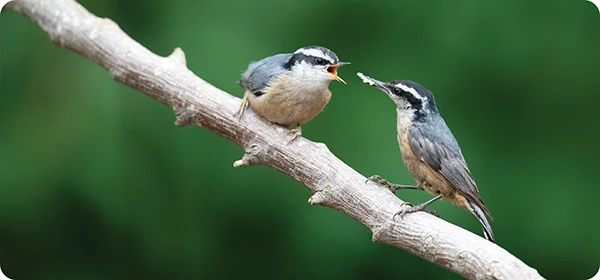
The symphony of chirps and flutters emanating from backyards across North America is more than just a pleasant auditory experience; it signifies a critical period of reproduction and development for avian populations. The arrival of young birds, from the hesitant first flights of bluebirds to the boisterous demands of fledgling chickadees and goldfinches, represents a vibrant testament to nature’s resilience and a profound opportunity for human engagement. This annual spectacle, deeply cherished by nature enthusiasts and backyard observers alike, underscores the vital role that thoughtful habitat provision plays in supporting avian life cycles.
The Delicate Dance of Nesting: A Seasonal Phenomenon
Spring and early summer herald the peak nesting season for a multitude of bird species. This period is characterized by a flurry of activity as birds engage in courtship rituals, select nesting sites, construct elaborate homes, and nurture their offspring. The success of these endeavors is intricately linked to the availability of essential resources: food, water, shelter, and nesting materials. For many species, particularly those that have adapted to or coexist with human environments, the presence of well-maintained bird feeders and thoughtfully designed nesting habitats can significantly influence their reproductive outcomes.
The visual and auditory cues of nesting birds offer a unique connection to the natural world. Witnessing a parent bluebird diligently bringing food to its young in a backyard feeder, or observing the comical, yet endearing, persistence of fledglings demanding sustenance from their parents, provides moments of pure delight. Even the clumsy attempts of young woodpeckers to navigate bird feeders or their patient waiting for a share of suet or specialized food offerings like Wild Birds Unlimited’s Bark Butter®, are sources of considerable entertainment and wonder. These interactions are not merely passive observations; they offer a tangible link to the perpetuation of life and the intricate ecological processes at play.
The Science Behind the Feeder: Enhancing Reproductive Success
Beyond the aesthetic and emotional rewards, scientific research has illuminated the tangible benefits that supplemental feeding provides to nesting bird populations. Studies have consistently demonstrated a correlation between consistent access to bird feeders and an earlier onset of egg-laying. This seemingly minor temporal shift carries significant implications. Earlier broods often face less competition for resources and enjoy more favorable environmental conditions, leading to demonstrably higher rates of survival and fledging success compared to those hatched later in the season.
The advantage conferred by feeders extends to the breeding females themselves. By reducing the time and energy expenditure required for foraging, females can dedicate more attention to crucial aspects of nest building and site selection. This allows for the construction of more robust and strategically located nests, offering greater protection against environmental stressors and predators. Furthermore, with a reliable food source readily available, parent birds can allocate more time and energy to safeguarding their nests, eggs, and vulnerable young from the myriad threats they face.
The impact of abundant feeder food on parental foraging behavior is equally significant. When parent birds have access to a consistent and energy-rich food supply, they are liberated to explore a broader spectrum of natural food sources for their offspring. This diversification of their diet for the young can lead to enhanced nutritional intake. Research suggests that this improved nutrition plays a crucial role in mitigating aggression among nest siblings, fostering a more harmonious environment within the nest, and ultimately promoting more robust growth rates in the young birds. This scientific backing underscores that supporting bird populations is not solely an act of generosity but a scientifically validated method of ecological stewardship.
Beyond the Feeder: The Importance of Habitat and Housing

While bird feeders offer substantial advantages, they are only one piece of the puzzle in supporting successful nesting. The provision of appropriate nesting structures, such as well-designed and correctly installed birdhouses, can dramatically improve nesting success rates, particularly during periods of inclement weather. These structures offer crucial refuge from extreme cold, damp conditions, and harsh winds, providing a stable environment for eggs and young. The design considerations for birdhouses are critical; dimensions, entrance hole size, ventilation, and drainage all play a role in attracting specific species and ensuring the safety and well-being of their inhabitants. For instance, the cavity-nesting habits of species like bluebirds, tree swallows, and some wrens make them particularly reliant on artificial nest boxes.
Equally vital is the quality of the natural habitat within a yard or surrounding landscape. An immaculately manicured lawn, while aesthetically pleasing to some, can be remarkably deficient in the natural resources that birds require for successful nesting. Birds depend on a variety of natural materials for nest construction, including twigs, grasses, mosses, and even mud. An overly tidy yard may lack these essential components.
A more ecologically conscious approach, often termed "messy" gardening, can significantly enhance a yard’s suitability for nesting birds. This can involve allowing certain areas to remain natural, with leaf litter, fallen branches, and a variety of plant growth. Furthermore, the strategic planting of native trees, shrubs, and wildflowers is paramount. These indigenous plants not only provide essential nesting spaces, offering branches for perching and cavities for shelter, but also serve as vital food sources. Native flora supports a diverse array of insects, which are a primary food source for many bird species, especially during the breeding season when protein demands are exceptionally high. A vibrant ecosystem within a backyard can become a miniature nature preserve, supporting multiple generations of birds.
Specialized Nutrition for Nesting Families
Recognizing the specific nutritional needs of nesting birds, companies like Wild Birds Unlimited have developed specialized products designed to support these critical life stages. Their Nesting SuperBlend®, for example, is formulated to provide the essential protein and calcium required by nesting families. This blend typically incorporates high-energy ingredients such as sunflower chips and peanuts, along with protein-rich mealworms, Bark Butter Bits, and calcium-fortified components like Nutrasaff and tree nuts. This comprehensive mix is engineered to benefit birds at all stages of the nesting cycle: during courtship and nest building, throughout incubation and chick-rearing, and for the fledglings as they transition to independent foraging. The inclusion of calcium is particularly important, as it plays a vital role in eggshell formation and bone development in young birds.
The Broader Impact: A Human-Nature Symbiosis
The joy derived from observing nesting birds is amplified by the knowledge that human actions can make a profound positive difference in their survival and thriving. This symbiotic relationship highlights the interconnectedness of human stewardship and ecological health. By providing appropriate food sources, safe nesting sites, and a supportive natural habitat, individuals can actively contribute to the well-being of local bird populations. This engagement fosters a deeper appreciation for the natural world and cultivates a sense of responsibility for its preservation.
The implications of this human-nature symbiosis extend beyond individual backyards. As urbanization continues to expand, natural habitats are increasingly fragmented and degraded. The role of suburban and even urban green spaces, enhanced with bird-friendly practices, becomes even more critical in providing essential ecological corridors and refuges for wildlife. Supporting nesting birds contributes to biodiversity, pest control (as many birds consume insects), and the overall ecological balance of our communities.
Expert Insights and Further Exploration
For those seeking to deepen their understanding of supporting summer bird populations and the nuances of nesting behavior, resources like educational podcasts offer valuable insights. The "Joy of Summer Birds" episode from Wild Birds Unlimited’s Nature Centered Podcast provides an in-depth exploration of these topics, offering practical advice and fascinating information for both novice and experienced bird enthusiasts. Such platforms serve as vital educational tools, empowering individuals to become more effective stewards of their local avian communities.

The act of nurturing nesting birds is a profound reminder that joy can be found not only in what we observe in nature but also in what we actively do to support it. The quiet satisfaction of knowing that one has contributed to the successful raising of a new generation of birds is a reward in itself, reinforcing the powerful and fulfilling connection between humanity and the natural world. As the calls of young birds echo through the trees, they serve as a testament to the success of these efforts and a hopeful promise for the future of avian populations.
