
The Scope of Wildlife Challenges in Costa Rica
Costa Rica is home to approximately 5% of the world’s known biodiversity, making it a global priority for conservation efforts. However, this biological richness faces constant threats. According to environmental data, the illegal pet trade remains a multi-million dollar industry in the region, frequently targeting high-profile species such as toucans, macaws, and sloths. Beyond trafficking, rapid urbanization has led to an increase in wildlife injuries caused by electrocutions on uninsulated power lines, vehicular strikes, and domestic animal attacks.
The Toucan Rescue Ranch Release Program was established to address these systemic issues. While many sanctuaries provide lifetime care, TRR’s primary objective is the "return to the wild" model. This approach is essential for maintaining healthy ecosystems, as many of the species rehabilitated—particularly avian species—serve as vital seed dispersers that facilitate forest regeneration.
A Chronological Approach to Wildlife Rehabilitation
The path from rescue to release is a disciplined, multi-stage process that can span months or even years, depending on the age and condition of the animal.
Phase I: Intake and Stabilization
The process begins the moment an animal arrives at the TRR headquarters in San Josecito, Heredia. Each patient undergoes a rigorous medical evaluation by a team of specialized veterinarians. For many, this includes emergency surgery for fractures or treatment for malnutrition. During this phase, the animal is kept in a controlled quarantine environment to prevent the spread of zoonotic diseases and to allow for stabilization without the stress of external stimuli.
Phase II: Physical and Behavioral Recovery
Once stabilized, the focus shifts to rehabilitation. This stage is tailored to the specific biological needs of the species. For raptors and toucans, this involves flight conditioning in large aviaries to rebuild muscle atrophy. For mammals like sloths or anteaters, it involves physical therapy to regain climbing dexterity. Behavioral enrichment is introduced here to stimulate natural instincts, ensuring that the animals do not become lethargic or desensitized during their recovery.
Phase III: The Pre-Release Assessment
Before an animal is moved to a release site, it must pass a "readiness exam." Experts evaluate three critical criteria:
- Physical Health: The animal must be free of chronic pain and possess the physical stamina required for life in the wild.
- Foraging and Hunting Proficiency: The animal must demonstrate the ability to identify, capture, or harvest its own food without human assistance.
- Human Aversion: One of the most vital components of survival is a healthy fear of humans. Animals that have become too "habituated" or "imprinted" on caregivers are disqualified from release to prevent dangerous interactions in the wild.
Release Candidates versus Permanent Residents
The ethical framework of the TRR Release Program dictates that not every animal can—or should—be released. The organization maintains a strict classification system to ensure the safety of both the animals and the ecosystems they would enter.
Release Candidates are typically adult animals that were wild-born and possess intact survival instincts. This category also includes offspring from TRR’s controlled breeding programs, such as toucan chicks raised with minimal human contact to ensure they retain their natural wildness.
Permanent Residents, conversely, are animals whose injuries or history of domesticity make survival in the wild impossible. Examples include parrots that have had their wings permanently clipped by previous owners, owls with irreversible neurological damage, or animals that have lost their fear of humans due to years in the illegal pet trade. While these animals cannot return to the canopy, they serve a vital role as "ambassadors" in TRR’s educational initiatives, providing a tangible face to the consequences of wildlife exploitation.
Strategic Site Selection and Partnerships
The success of a release is heavily dependent on the environment into which the animal is reintroduced. TRR does not release animals haphazardly; instead, it utilizes a network of protected lands and private reserves to ensure maximum protection from poachers and predators.
Collaborations with Academic and Biological Reserves
TRR maintains robust partnerships with institutions such as EARTH University and the Tirimbina Biological Reserve. These sites offer thousands of acres of protected secondary and primary rainforests. By releasing animals into these managed areas, TRR ensures that the fauna has access to sufficient food resources and a habitat that is legally protected from deforestation.
The Dedicated TRR Release Sites
In addition to partnerships, TRR operates its own dedicated release facilities. These include two properties totaling 41 acres specifically managed for "soft release" programs. A soft release involves placing the animal in an enclosure within its future habitat for a period of weeks. This allows the animal to acclimate to the local climate, sounds, and scents while still receiving supplemental food. Gradually, the enclosure is opened, allowing the animal to explore the wild at its own pace while having the option to return to the safety of the enclosure until it is fully confident.
The Role of MINAE and Regulatory Oversight
Every release conducted by the Toucan Rescue Ranch is done in strict coordination with the Ministry of Environment and Energy (MINAE), Costa Rica’s wildlife governing agency. This collaboration ensures that all releases comply with national conservation laws and contribute to the broader "biological corridor" goals of the Costa Rican government.
"The synergy between private rescue centers and government agencies is fundamental," notes a representative involved in regional wildlife management. "By following MINAE protocols, TRR ensures that the genetic integrity of local populations is maintained and that release efforts are data-driven and legally sound."
Monitoring, Technology, and Post-Release Data
The Release Program does not end when the cage door opens. Post-release monitoring is a critical component used to measure the program’s success and refine future protocols. This is achieved through several methods:
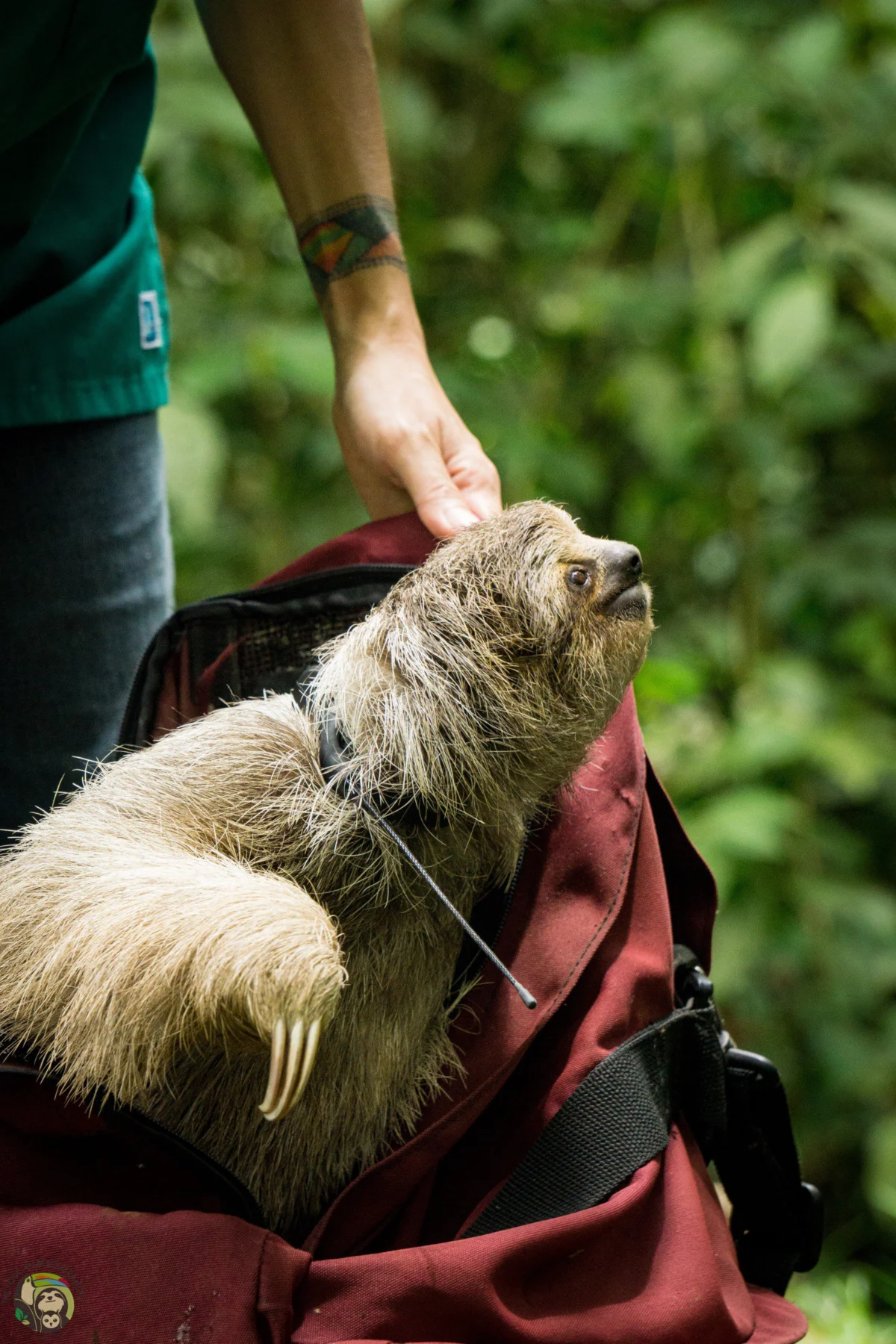
- Radio Telemetry: Some high-priority species are fitted with radio collars or transmitters, allowing biologists to track their movements and survival rates over several months.
- Camera Trapping: Motion-activated cameras placed near release sites provide visual confirmation of the animals’ health and their ability to integrate into wild social groups.
- Observational Data: Field interns and biologists conduct regular "follow-ups" to observe the animals from a distance, ensuring they are foraging successfully and avoiding predators.
This data is invaluable. It provides scientific evidence that rehabilitated animals can indeed thrive, debunking the myth that once an animal is in human care, it is "ruined" for the wild.
Ecological and Social Implications
The broader impact of the Toucan Rescue Ranch Release Program extends beyond the individual lives saved. From an ecological perspective, the return of keystone species helps maintain the "trophic balance" of the rainforest. For instance, the return of a rehabilitated raptor helps control rodent populations, while the release of toucans ensures the dispersal of large-seeded tropical trees.
Socially, the program fosters a culture of conservation within Costa Rica and internationally. By involving local communities in release events and providing volunteer opportunities for global citizens, TRR creates a sense of shared responsibility for the planet’s health.
Conclusion and Future Outlook
The Toucan Rescue Ranch Release Program represents a sophisticated model for modern wildlife conservation. Through a combination of expert medical care, rigorous behavioral training, and strategic environmental partnerships, the program provides a blueprint for how humanity can begin to repair its relationship with the natural world.
As habitat loss continues to challenge wildlife globally, the work of TRR serves as a reminder that with the right resources and scientific dedication, a second chance is possible. The program’s ongoing expansion into new release sites and its investment in monitoring technology suggest a future where rescued wildlife not only survives but plays an active role in the restoration of the world’s most precious ecosystems. For the animals of the Toucan Rescue Ranch, the ultimate goal remains clear: a return to the trees where they truly belong.
