

The Philippines is grappling with a severe energy crisis, exacerbated by the ongoing geopolitical tensions stemming from the US-Iran war, which has significantly disrupted global energy markets and driven up prices. This crisis has placed immense hardship on millions of Filipino families, prompting Wetlands International to express profound solidarity and advocate for an urgent, long-term shift towards sustainable energy solutions. The organization, in its latest statement released on April 14, 2026, urges the Philippine government to prioritize renewable energy investments, emphasizing that true energy security should not come at the expense of the nation’s invaluable natural heritage, particularly its vital wetland ecosystems.
The Deepening Energy Crisis and its Ramifications
The current energy crunch in the Philippines is a multifaceted problem, rooted in a complex interplay of global supply chain disruptions, fluctuating international oil prices, and domestic energy infrastructure vulnerabilities. The escalation of the US-Iran conflict has sent shockwaves through the global energy sector, leading to a substantial increase in the cost of imported fossil fuels, which the Philippines heavily relies upon. This price surge has translated directly into higher electricity bills for consumers, increased operational costs for businesses, and a ripple effect across the economy, impacting everything from transportation to food production.
The declaration of a State of National Energy Emergency under Executive Order 110 by the Philippine government underscores the severity of the situation. This measure grants the administration broader powers to address the crisis, including potential interventions in the energy market and accelerated development of energy resources. However, Wetlands International cautions that such measures must be implemented with a keen awareness of their environmental implications.
Liguasan Marsh: A Vital Ecosystem Under Threat
Amidst this urgent need for energy solutions, Wetlands International has voiced significant concern over renewed proposals for oil and gas exploration in the Liguasan Marsh. This vast wetland system, located in south-central Mindanao, is not only the largest swamp and marsh area in the Philippines but also a critical biodiversity hotspot and a crucial component of the nation’s climate resilience infrastructure.
Dr. Annadel Cabanban, Country Director of Wetlands International Philippines, articulated the organization’s deep-seated apprehension: "The Liguasan Marsh is not just a wetland—it is a lifeline for communities, wildlife, and our climate resilience. We cannot afford to damage an ecosystem that safeguards us from floods, supports fisheries, and stores vast amounts of carbon. A truly secure energy future is one that strengthens, not sacrifices, the natural systems that protect Filipino lives."
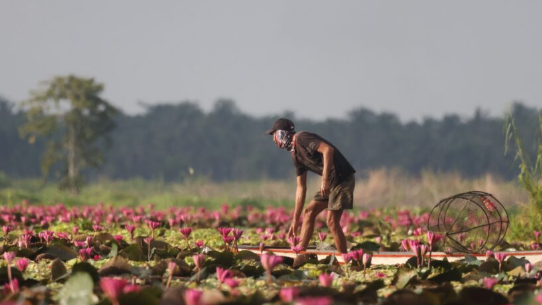
The Liguasan Marsh plays an indispensable role in maintaining ecological balance and providing essential ecosystem services. It acts as a natural buffer against devastating floods, a critical habitat for numerous species of flora and fauna, and a significant carbon sink, helping to mitigate the effects of climate change. Furthermore, the marsh sustains the livelihoods of many local communities who depend on its rich biodiversity for fishing and other traditional practices. The cultural heritage of these communities is also intrinsically linked to the health and vitality of the marsh.
The Perils of Unregulated Resource Extraction
Wetlands International stresses that while addressing the energy emergency is paramount, any pursuit of natural resource exploration, particularly in ecologically sensitive areas like the Liguasan Marsh, must be subjected to the highest standards of environmental scrutiny. The organization advocates for a rigorous and comprehensive environmental impact assessment (EIA) process, coupled with genuine and inclusive consultation with scientific experts and affected communities, before any exploration or exploitation activities commence.
The potential consequences of unregulated oil and gas exploration in the Liguasan Marsh are dire and far-reaching. These include:
- Water Contamination: Drilling and extraction activities carry a significant risk of contaminating precious freshwater sources, impacting both human consumption and the delicate aquatic ecosystems within the marsh.
- Increased Flooding: Wetlands are natural flood regulators. Disturbing their structure and hydrology can diminish their capacity to absorb excess water, leading to more severe and frequent flooding events for surrounding communities.
- Biodiversity Loss: The Liguasan Marsh is home to a rich array of endemic and migratory species. Habitat destruction, pollution, and noise associated with exploration can lead to irreversible biodiversity loss, threatening species survival.
- Carbon Emissions: Disturbing peatlands and other carbon-rich wetland soils releases substantial amounts of stored carbon dioxide into the atmosphere, exacerbating climate change and undermining national and global emissions reduction targets.
- Threats to Livelihoods and Cultural Heritage: The degradation of the marsh directly endangers the traditional livelihoods of fishing communities and erodes the cultural fabric that is intertwined with this natural resource.
The implications of such degradation extend beyond the immediate vicinity of the Liguasan Marsh. The Philippines boasts an extensive network of freshwater and coastal wetlands, as well as vast forest areas, all of which provide critical ecosystem services. Sacrificing these natural assets for short-term development gains jeopardizes the nation’s long-term environmental stability, economic prosperity, and the well-being of its citizens.
A Call for a Just and Rapid Energy Transition
Wetlands International unequivocally advocates for a decisive shift towards renewable energy sources as the most viable and sustainable path forward for the Philippines. The organization believes that a rapid and just energy transition is not only an environmental imperative but also a strategic economic opportunity.
The Philippines can draw inspiration and practical lessons from the successes of its Southeast Asian neighbors in accelerating their adoption of renewable energy. Countries like Vietnam have demonstrated remarkable progress in solar energy expansion, achieving significant increases in solar capacity in recent years. Indonesia has been a pioneer in developing renewable microgrids, bringing clean energy to remote and underserved communities. Thailand has successfully implemented community-based biomass energy systems, empowering local populations and fostering sustainable development. Malaysia has also made strides in its renewable energy sector through competitive solar auctions, attracting investment and driving down costs.

These regional examples underscore the feasibility and benefits of investing in renewables. They offer tangible proof that energy security and environmental protection are not mutually exclusive goals but can, and indeed must, advance in tandem.
Dr. Cabanban further elaborated on this crucial point: "Moving away from fossil fuels is not only an energy decision—it is a wetlands decision. Every wetland we protect strengthens our resilience against floods, droughts, and climate impacts that fossil fuels continue to worsen. By reducing our reliance on oil and investing in renewable energy, we allow vital wetlands like the Liguasan Marsh to keep doing what they do best: protect communities, sustain biodiversity, and stabilize our climate."
Charting a Resilient and Sustainable Future
Wetlands International Philippines is committed to supporting the nation in navigating this critical juncture. The organization stands ready to collaborate with government agencies, civil society partners, and scientific institutions to help shape an energy transition that is both resilient and sustainable. This transition must be guided by a long-term, future-oriented energy strategy that prioritizes the safeguarding of wetlands, upholds the principles of scientific integrity and community consultation, and aligns with the Philippines’ climate commitments.
The organization emphasizes the importance of a "just transition," ensuring that the benefits of renewable energy are shared equitably and that vulnerable communities are not left behind. This includes investing in training and reskilling programs for workers in the fossil fuel sector and ensuring that renewable energy projects are developed in a manner that respects local rights and promotes community well-being.
The current energy crisis presents an opportunity for the Philippines to fundamentally rethink its energy future. By embracing renewable energy and safeguarding its natural heritage, the nation can forge a path towards energy independence, enhanced climate resilience, and a more prosperous and dignified future for all Filipinos. The choice is clear: a future powered by clean, sustainable energy that respects and protects the natural systems that are the bedrock of national security and well-being, or a future of continued environmental degradation and vulnerability. Wetlands International urges the nation to choose the former.
