
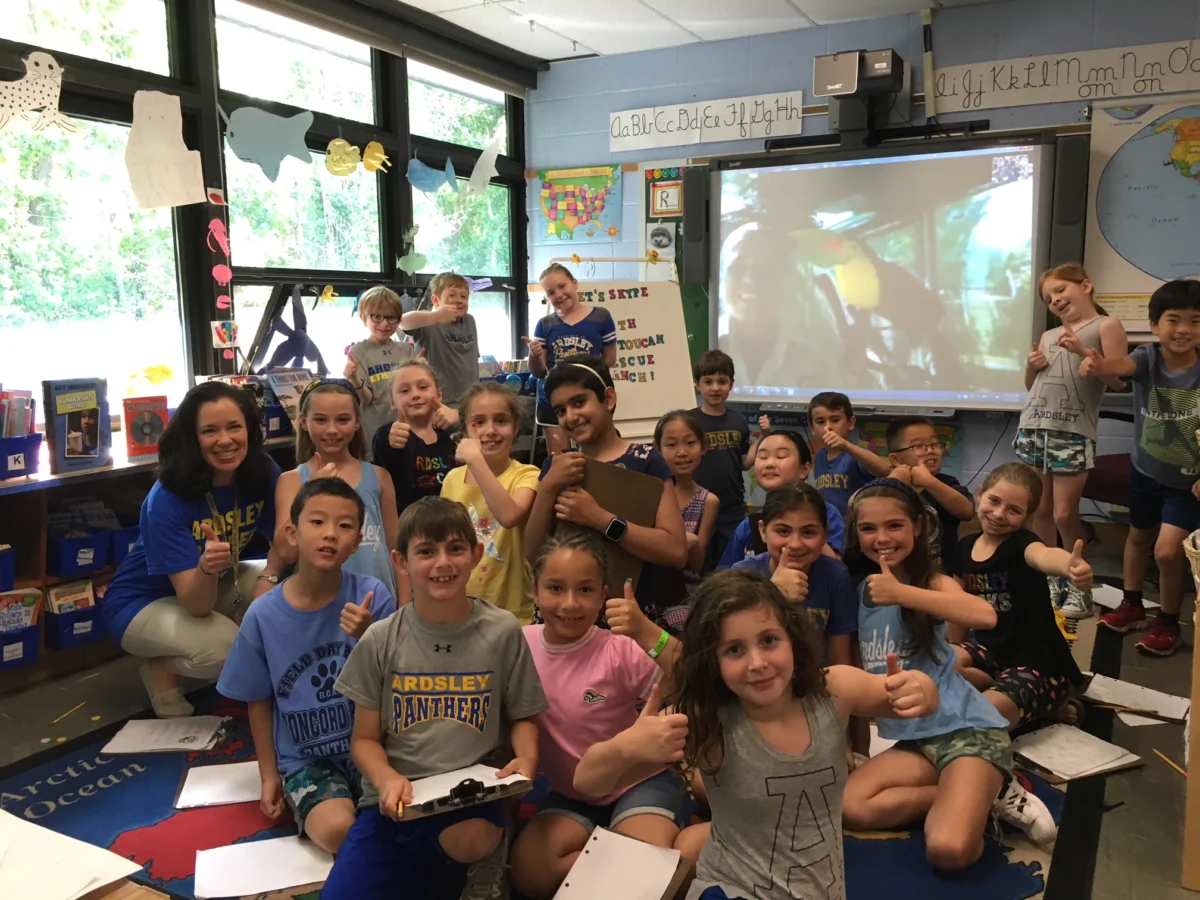
The Toucan Rescue Ranch, a prominent wildlife rescue and rehabilitation center based in Costa Rica, has fundamentally transformed its approach to environmental preservation by placing education at the forefront of its mission. While the organization is widely recognized for its clinical work in treating injured and orphaned animals, its dynamic Education Program serves as the primary vehicle for long-term conservation impact. By fostering a deep understanding of wildlife and environmental stewardship among the public, the program seeks to address the root causes of wildlife endangerment rather than merely treating the symptoms. This multifaceted educational strategy combines onsite immersive experiences, tailored school curricula, and global virtual outreach to cultivate a new generation of informed environmental advocates.
The Evolution of Conservation Education at Toucan Rescue Ranch
The Toucan Rescue Ranch (TRR) was founded in 2004, initially focusing on the rescue and rehabilitation of toucans. However, as the facility grew and the diversity of its residents expanded to include sloths, owls, monkeys, and other Neotropical species, the leadership recognized that rescue efforts alone were insufficient to combat the systemic threats facing Costa Rican biodiversity. Habitat loss, illegal pet trafficking, and human-wildlife conflict remained persistent issues that required a cultural shift in how local and international communities interact with the natural world.
The resulting Education Program was designed to bridge the gap between scientific conservation and public perception. By providing interactive learning opportunities, TRR aims to demystify the lives of rainforest creatures and highlight the fragile balance of the ecosystems they inhabit. The program’s philosophy is rooted in the belief that people are more likely to protect what they understand and value. Consequently, the sanctuary has transitioned into a "living classroom" where visitors can witness the complexities of wildlife rehabilitation firsthand.
Immersive Learning and Onsite Engagement
At the heart of the TRR Education Program are its interactive onsite experiences. Unlike traditional zoos, the sanctuary emphasizes the stories of individual animals, many of whom are permanent residents due to injuries that prevent their release into the wild. These animals serve as ambassadors for their species, helping to illustrate the specific challenges wildlife face in a rapidly developing world.
Guided tours are meticulously structured to provide more than just a viewing experience. Educators provide detailed insights into animal behaviors, specialized diets, and the ecological roles of various species. For example, visitors learn how toucans act as vital seed dispersers, maintaining the health of the forest, and how sloths provide a unique microhabitat for moths and algae within their fur. Hands-on workshops further deepen this engagement, allowing participants to explore topics such as veterinary care in the field and the logistics of managing a high-volume rescue center. These experiences are designed for all age groups, ensuring that the message of conservation is accessible to both young children and adult environmentalists.
Tailoring Conservation for Academic Excellence
Recognizing the pivotal role of formal education, Toucan Rescue Ranch has developed specialized programs for schools and community organizations. These sessions are not generic presentations but are instead tailored to align with specific curriculum standards and group interests. By integrating wildlife conservation into science and social studies lessons, TRR provides educators with a tangible way to teach complex concepts such as biodiversity, evolution, and environmental ethics.
The school programs focus on three primary pillars: animal behavior, habitat preservation, and the human impact on the environment. Students are encouraged to think critically about the consequences of deforestation and urban encroachment. By bringing expert knowledge directly to students, TRR inspires a sense of agency, teaching them that their daily choices—such as supporting sustainable products or reducing plastic waste—have direct implications for the survival of species in the rainforest.
Virtual Horizons: The Partnership with Exploring By The Seat Of Your Pants
In an era of increasing globalization and digital connectivity, Toucan Rescue Ranch has expanded its reach far beyond the borders of Costa Rica. A cornerstone of this digital expansion is the strategic partnership with Exploring By The Seat Of Your Pants (EBTSOYP), a Canadian-based non-profit organization founded in 2015 by National Geographic Explorer Joe Grabowski.
EBTSOYP was established with a clear mission: to ignite the curiosity of future scientists and conservationists by bringing the world’s most remote locations and expert researchers directly into the classroom. Since its inception, the organization has hosted over 1,000 live virtual events, connecting hundreds of thousands of students in more than 60 countries with explorers, astronauts, and wildlife biologists. The partnership between TRR and EBTSOYP represents a fusion of boots-on-the-ground conservation and high-tech educational outreach.
Through this collaboration, TRR offers monthly virtual visits specifically focused on one of the world’s most charismatic and misunderstood animals: the sloth. These 40-minute sessions, led by TRR’s knowledgeable guides, provide North American classrooms with a window into the "Saving Sloths Together" program. This program, a joint venture between Toucan Rescue Ranch and The Sloth Institute Costa Rica, focuses on the rescue, rehabilitation, and eventual release of orphaned and injured sloths.
During these virtual field trips, students learn about the biological quirks of two-fingered and three-fingered sloths, the dangers of power line electrocutions, and the innovative "soft release" techniques used to return them to the wild. Each session concludes with a live Q&A, allowing students to engage directly with conservationists in the field. This level of direct interaction demystifies the career paths in STEM (Science, Technology, Engineering, and Mathematics) and conservation, showing students that they too can contribute to global environmental solutions.
Supporting Data and Environmental Context
The necessity of such educational initiatives is underscored by the current state of biodiversity in Costa Rica. Despite covering only 0.03% of the Earth’s surface, Costa Rica is home to nearly 5% of the world’s species. However, this biological wealth is under constant threat. According to data from the Ministry of Environment and Energy (MINAE), human-related incidents—such as dog attacks, vehicle collisions, and illegal possession—account for a significant portion of wildlife admissions to rescue centers annually.
Statistical analysis of educational outreach suggests that students who participate in interactive wildlife programs show a 30% higher retention rate of environmental facts compared to those who learn through traditional textbooks. Furthermore, programs like EBTSOYP have been shown to increase student interest in conservation careers by nearly 40% in participating classrooms. By offering these sessions for free to schools, EBTSOYP and TRR ensure that socioeconomic barriers do not prevent students from accessing high-quality environmental education.
To sustain these efforts, TRR and EBTSOYP have implemented a donation-based incentive program. Classrooms that contribute $25.00 or more to the sanctuary receive a special donation certificate. These funds are directly channeled into the "Saving Sloths Together" initiative, covering the costs of specialized milk formulas, medical supplies, and the construction of pre-release enclosures. This model not only educates but also provides a practical avenue for students to participate in philanthropy.
Broader Impact and Global Implications
The Education Program at Toucan Rescue Ranch is more than a local outreach initiative; it is a blueprint for how conservation organizations can leverage technology and storytelling to achieve global impact. By creating a network of informed and passionate advocates, TRR is building a support system that transcends geographical boundaries.
The implications of this work are significant. In the context of the global climate crisis and the "sixth mass extinction," the role of public education in conservation cannot be overstated. Informed citizens are better equipped to advocate for policy changes, support sustainable businesses, and contribute to citizen science projects. The partnership with National Geographic Explorers and platforms like EBTSOYP elevates the status of wildlife rescue from a localized charity effort to a global scientific and educational priority.
Furthermore, the focus on sloths and toucans as "flagship species" serves a strategic purpose. By capturing the public’s imagination through these iconic animals, TRR can draw attention to the broader need for habitat protection that benefits countless lesser-known species—insects, plants, and microorganisms—that are equally vital to the ecosystem’s health.
A Call to Action for Future Stewards
The Toucan Rescue Ranch continues to invite teachers, group leaders, and wildlife enthusiasts to engage with its programs. Whether through a physical visit to the sanctuary in Costa Rica or a virtual session from a classroom in Canada or the United States, the opportunity to connect with nature is more accessible than ever.
The success of the Education Program demonstrates that while the rescue of an individual animal is a victory, the education of a thousand people is a revolution. As TRR continues to evolve, its commitment to sharing knowledge remains the most powerful tool in its arsenal. By supporting these initiatives, individuals play a vital role in advancing wildlife conservation and fostering a deeper, more permanent appreciation for the natural world. The journey from curiosity to conservation begins with a single lesson, and through the Toucan Rescue Ranch, that lesson is being delivered to the world.
