
By WBU Inc | Hobby
As the crisp autumn air signals the approach of Thanksgiving and the holiday season, many households are preparing for a time of reflection, gratitude, and abundant meals shared with loved ones. This cherished tradition, deeply rooted in American history, often involves elaborate spreads of food, festive decorations, and quality time spent engaging in various activities. Wild Birds Unlimited (WBU), a leading retailer of backyard bird feeding supplies, is encouraging individuals to extend this spirit of feasting and generosity to their avian neighbors, suggesting that feathered friends can be integral participants in the holiday celebration.
The concept of "feasting," as defined by WBU, transcends the simple act of eating. It encompasses the consumption of an elaborate meal, often accompanied by entertainment, to commemorate a special occasion. For many, Thanksgiving embodies this definition, presenting an opportunity to gather around a meticulously set table, adorned with cherished china, and to savor the season’s finest foods with family and friends. The entertainment aspect of the holiday can range from board games and outdoor excursions to watching sports and movies. WBU proposes that observing and interacting with birds at backyard feeders can also be a significant source of family entertainment, adding another dimension to holiday enjoyment.
"If this is part of your day, why not treat your birds like family and include them as part of your feast?" the article suggests, framing the act of providing high-quality food and care for birds as an extension of familial hospitality. The organization emphasizes that the birds’ "table" should be as impeccable as any human dining experience, advocating for clean feeders, fresh water, and the most nutritious food offerings available.
Enhancing the Avian Menu for a Festive Spread
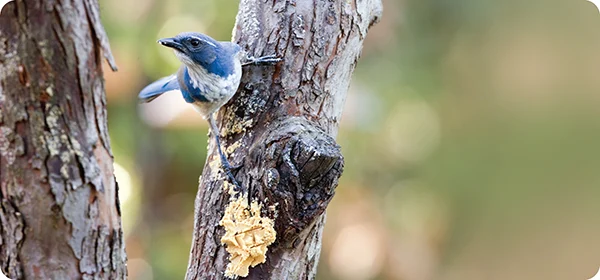
WBU outlines a tiered approach to creating a "feast" for birds, beginning with foundational offerings and progressing to more specialized treats. The core of any bird’s diet, and thus their feast, should consist of high-quality seed blends. These blends typically offer a balanced mix of seeds that cater to a wide variety of bird species, providing essential nutrients for energy and health. Beyond these staples, WBU recommends incorporating suet, a high-energy fat source particularly beneficial during colder months when natural food sources become scarce. Nyjer® seed, a small, oil-rich seed, is another favored item, attracting smaller finches like the American Goldfinch and House Finch.
To elevate the avian dining experience, WBU suggests including supplemental foods such as peanuts, which are a favorite among jays, woodpeckers, and chickadees, and Bark Butter® products. Bark Butter, a proprietary blend developed by WBU, is a versatile food that can be smeared on trees or offered in specialized feeders, attracting a broad spectrum of insectivorous birds. Specialty seed blends, like the company’s Winter SuperBlend®, are also highlighted as excellent additions to a festive avian menu. These blends are often formulated with ingredients that provide extra energy and appeal to a wider array of winter residents.

The implication of offering such a diverse and nutrient-rich selection is clear: well-fed birds are more likely to thrive, remain active, and provide consistent entertainment. The article posits that a well-provisioned feeder can become a dynamic focal point for backyard observation, offering hours of engaging natural spectacle.
Beyond the Seed: The Ethical Consumption Connection
In a poignant addition to the concept of feasting, WBU draws a connection between human holiday indulgence and the preservation of avian habitats, specifically through the choice of coffee. The article encourages readers to pair their Thanksgiving desserts, such as pumpkin or apple pie, with a cup of shade-grown, bird-friendly coffee. This seemingly simple suggestion carries significant ecological weight.
Shade-grown coffee farms, which maintain the forest canopy, provide crucial wintering grounds for over 42 species of North American migratory songbirds. These birds, which spend their breeding seasons in the United States and Canada, often migrate to tropical regions where shade-grown coffee plantations offer vital habitat. Conventional sun-grown coffee farms, on the other hand, often involve clear-cutting forests, leading to habitat loss and fragmentation, which negatively impacts migratory bird populations. By choosing shade-grown coffee, consumers can directly contribute to the conservation of these essential wintering grounds, ensuring the survival of these species as they undertake their arduous journeys. This act of conscious consumption transforms a personal enjoyment into a contribution to avian welfare, aligning the human feast with the well-being of the natural world.
A Broader Context: The History and Importance of Bird Feeding
The practice of feeding wild birds has a long and varied history, evolving from simple acts of charity to a widespread hobby and a recognized conservation effort. Early forms of bird feeding can be traced back to ancient times, where grains were sometimes left out for birds as offerings or simple acts of kindness. In North America, the tradition gained significant traction in the late 19th and early 20th centuries, coinciding with increased urbanization and a growing awareness of nature.
The establishment of organizations like the National Audubon Society in 1905 and the subsequent rise in birdwatching as a popular pastime further fueled interest in backyard bird feeding. It became a accessible way for people to connect with nature, observe wildlife, and contribute to local ecosystems. Wild Birds Unlimited, founded in 1981, has played a pivotal role in professionalizing and expanding the backyard bird feeding industry, emphasizing education, quality products, and a commitment to conservation. Their approach has shifted the perception of bird feeding from a casual hobby to a more informed and impactful practice.
Beyond the Feast: Simple Actions for Bird Conservation
The article extends its message of generosity beyond the holiday feast, offering practical advice for ongoing support of bird populations. It directs readers to a resource providing "7 Simple Actions" to help birds, suggesting that consistent, small efforts can have a significant cumulative impact. These actions often include:

- Providing clean water: A consistent source of fresh water is crucial, especially during dry spells or when natural water sources freeze over. Bird baths should be kept clean and filled.
- Reducing pesticide use: Pesticides can harm birds directly through ingestion or indirectly by reducing insect populations, a primary food source for many species.
- Creating habitat: Planting native trees, shrubs, and flowers can provide shelter, nesting sites, and natural food sources for birds.
- Keeping cats indoors: Domestic cats are a significant threat to wild bird populations. Keeping them indoors protects local birdlife.
- Using bird-safe windows: Window collisions are a major cause of bird mortality. Using decals, screens, or other deterrents can make windows visible to birds.
- Supporting conservation organizations: Donating to or volunteering with organizations dedicated to bird conservation amplifies efforts to protect habitats and species.
- Educating others: Sharing knowledge about bird conservation and the importance of backyard habitats can inspire broader community action.
These actions underscore that supporting avian well-being is not confined to a single holiday but is an ongoing commitment that benefits entire ecosystems.
A Deeper Dive: The WBU Nature Centered Podcast Episode
To further illuminate the subject, the article highlights a specific episode of the WBU Nature Centered Podcast, titled "Feasting with Feathered Friends." This podcast episode, featuring experts John and Brian, delves deeper into strategies for attracting a diverse array of bird species to backyards. Such a resource provides listeners with expert insights and practical advice, aiming to enhance their enjoyment of birdwatching and their ability to support bird populations. The availability of such educational content reinforces WBU’s commitment to fostering a deeper connection between people and nature. The podcast serves as an auditory extension of the article’s message, offering a more in-depth exploration of the "how-to" and "why" behind successful backyard bird feeding.
Conclusion: A Harmonious Blend of Human and Avian Celebration
The message from Wild Birds Unlimited is one of inclusion and shared experience. By reframing the holiday spirit of feasting to encompass the needs and joys of backyard birds, the organization encourages a more holistic approach to nature appreciation. The act of providing for birds is presented not merely as a charitable gesture but as an opportunity for mutual enjoyment and a recognition of our interconnectedness with the natural world. As families gather to celebrate Thanksgiving and the approaching holiday season, the simple yet profound act of "feasting with our feathered friends" offers a unique way to express gratitude, connect with nature, and contribute to the well-being of the avian populations that share our local environments. The ethical considerations, such as the choice of shade-grown coffee, further elevate this practice into a meaningful act of conservation, demonstrating that even small, everyday choices can have a significant positive impact on the planet and its inhabitants.
