
October ushers in a season of autumn splendor, crisp air, and the whimsical traditions of Halloween. While many associate this time of year with carved pumpkins, costumes, and the familiar chant of "trick or treat," backyard bird enthusiasts know that the true magic of October lies in providing delightful surprises for their feathered visitors. This year, Wild Birds Unlimited (WBU) Inc. is highlighting innovative ways for individuals to engage with nature during the Halloween season, transforming the familiar concept of "trick or treat" into an opportunity to enrich the lives of local bird populations.
Enticing Avian Visitors: The "Tricks" of Backyard Birding
The adage "it’s not nice to fool Mother Nature" often guides our interactions with the natural world. However, in the realm of backyard birding, a few carefully considered "tricks" can significantly enhance the allure of a garden, drawing a wider variety of bird species and encouraging longer stays. One of the most universally effective attractants for birds is the presence of moving water. The gentle sound of a circulating pump or a dripping water feature creates an irresistible auditory cue for birds, signaling a reliable and safe water source. This often acts as a powerful initial draw, leading birds to investigate the water and subsequently discover nearby feeders or other amenities.
Introducing new feeders or specialized food types can sometimes take time for birds to adapt to. To expedite this discovery process, a simple yet effective technique involves scattering a small amount of the new seeds on top of or directly beneath the feeder. Birds primarily locate their food by sight, and this visual cue makes it considerably easier for them to identify and access the new offerings more rapidly. This subtle manipulation of their environment can significantly shorten the acclimation period, ensuring that your efforts to diversify their diet are met with prompt appreciation.
The Sweetness of "Treats": Unconventional Delights for Feathered Friends
Beyond the "tricks," the concept of "treats" for birds takes on a decidedly different, and far more wholesome, meaning than the candy corn typically associated with Halloween. For bird enthusiasts, "treats" refer to supplementary food items that go beyond the standard seed and suet, offering unique nutritional benefits and attracting species that might not typically visit conventional feeders.
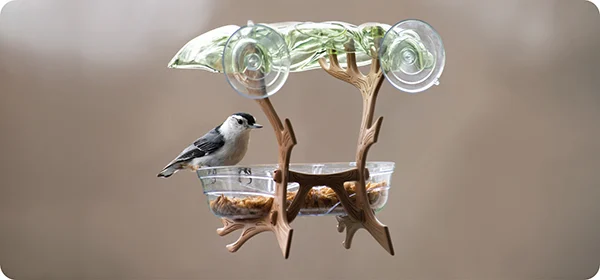
One of the most celebrated and effective treats in this category is Jim’s Birdacious® Bark Butter®. This unique product, a spreadable suet, has gained a reputation for its remarkable ability to attract a diverse array of birds, including those that are not usually drawn to standard feeders. Its efficacy is underscored by its documented success in attracting an impressive 155 different bird species across North America. The "trick" to maximizing Bark Butter’s appeal lies in its application: smearing it on the bark of a favorite tree or atop an active feeder provides an accessible and irresistible delicacy for a wide range of avian visitors.
Peanuts also represent another exceptional treat for birds, serving as a high-energy food source enjoyed by a broad spectrum of species. Woodpeckers, titmice, nuthatches, chickadees, and bushtits are among the many birds that readily consume peanuts. Jays, in particular, have a pronounced fondness for peanuts, especially those still in their shells. These intelligent birds actively cache peanuts for later consumption, often burying up to 100 in a single day, which can quickly deplete a tray feeder. Observing jays making repeated trips to your feeders, flying off to bury this nutritious treat as far as six miles away, is a testament to its value and their foraging instincts.
A Spectrum of Seasonal Delights
The WBU Inc. initiative extends to other specialized treats tailored to specific bird species, further enhancing the bird feeding experience during the autumn months. For bluebirds, offering mealworms provides a vital protein boost. Orioles, known for their preference for sweet nectar, can be enticed with fruit and specially formulated jelly. And for the ever-energetic hummingbirds, a constant supply of nectar remains the ultimate treat, ensuring their continued presence throughout the changing seasons.
The "Nature Centered" Podcast: A Deeper Dive into Avian Appreciation
To further educate and engage the public, WBU Inc. offers a wealth of resources, including their popular "Nature Centered" podcast. The episode titled "Treats for Birds. No Tricks." provides an entertaining and informative discussion with hosts John and Brian, who delve into the most effective strategies for treating birds. This podcast serves as an invaluable tool for anyone seeking to deepen their understanding of bird feeding and to maximize the enjoyment derived from their backyard wildlife. The episode is readily available on the WBU website, offering listeners practical advice and insights into creating a welcoming haven for birds.
Background and Context: The Evolving Landscape of Backyard Birding
The practice of backyard bird feeding has a rich history, evolving from simple birdhouses and scattered seeds to a sophisticated hobby supported by specialized products and extensive ecological knowledge. Organizations like Wild Birds Unlimited have been at the forefront of this evolution, not only providing high-quality products but also championing educational initiatives that foster a deeper connection between people and nature.

The timing of this WBU Inc. campaign, coinciding with the Halloween season, is a strategic choice. It leverages a widely recognized cultural event to introduce a broader audience to the joys of birdwatching and the importance of supporting local ecosystems. By reinterpreting the "trick or treat" theme, WBU Inc. aims to demystify bird feeding and present it as an accessible and rewarding activity for individuals and families.
The tradition of offering treats, while typically associated with human indulgence, can be readily adapted to benefit wildlife. In an urbanizing world where natural habitats are increasingly fragmented, backyard bird feeders and strategically chosen food sources play a crucial role in supplementing the diets of many bird species, particularly during the leaner months of autumn and winter. This initiative by WBU Inc. underscores the symbiotic relationship that can be cultivated between human communities and the natural world, even within suburban and urban environments.
Data and Analysis: The Impact of Supplemental Feeding
Scientific studies have consistently demonstrated the positive impact of supplemental feeding on bird populations. Research has shown that well-managed bird feeders can:
- Increase Bird Survival Rates: Especially during harsh weather conditions or periods of food scarcity, supplemental food sources can be critical for survival. A study published in the Journal of Avian Biology indicated that increased food availability through feeders correlated with higher overwinter survival rates for certain passerine species.
- Support Reproductive Success: High-quality food sources provide the necessary energy and nutrients for birds to successfully breed and raise their young. This is particularly relevant for species that rely on insects and seeds, both of which can fluctuate in availability.
- Promote Biodiversity: By offering a variety of food types, feeders can attract a wider array of species, contributing to local biodiversity. As highlighted by WBU Inc., specialized foods like Bark Butter can draw species not typically seen at standard feeders, enriching the observable birdlife.
- Facilitate Migration: For migratory birds, feeders can serve as vital refueling stations during their arduous journeys. Providing high-energy foods can significantly improve their chances of completing migration successfully.
The estimated number of bird feeders in North America is in the tens of millions, with billions of dollars spent annually on birdseed and related products. This economic activity reflects a deep-seated interest in nature and a commitment to supporting avian populations. The strategies promoted by WBU Inc., such as using water features and strategically placed food, align with best practices in wildlife management and ecological support.
Broader Implications: Fostering Environmental Stewardship
The "Trick or Treat is for the Birds!" campaign extends beyond mere seasonal novelty. It represents a broader effort to cultivate environmental stewardship and foster a deeper appreciation for the natural world. By engaging people in the act of providing for birds, WBU Inc. encourages a more mindful approach to their local ecosystems. This can lead to increased awareness of habitat loss, the importance of native plantings, and the interconnectedness of all living things.
The campaign also highlights the educational potential of backyard birding. Observing bird behavior, identifying species, and understanding their dietary needs provides a hands-on learning experience that can be particularly valuable for children. This experiential learning can spark a lifelong interest in conservation and environmental science.
Furthermore, the success of initiatives like this demonstrates the power of community engagement in conservation efforts. When individuals actively participate in supporting local wildlife, it can create a ripple effect, inspiring others to adopt similar practices and fostering a collective sense of responsibility for environmental well-being. The widespread appeal of Halloween, a holiday focused on fun and imagination, provides a unique and accessible entry point for individuals to connect with and contribute to the natural world around them. This creative approach by WBU Inc. ensures that the spirit of giving and delight associated with "trick or treat" finds a meaningful and impactful extension in the realm of avian appreciation.
