
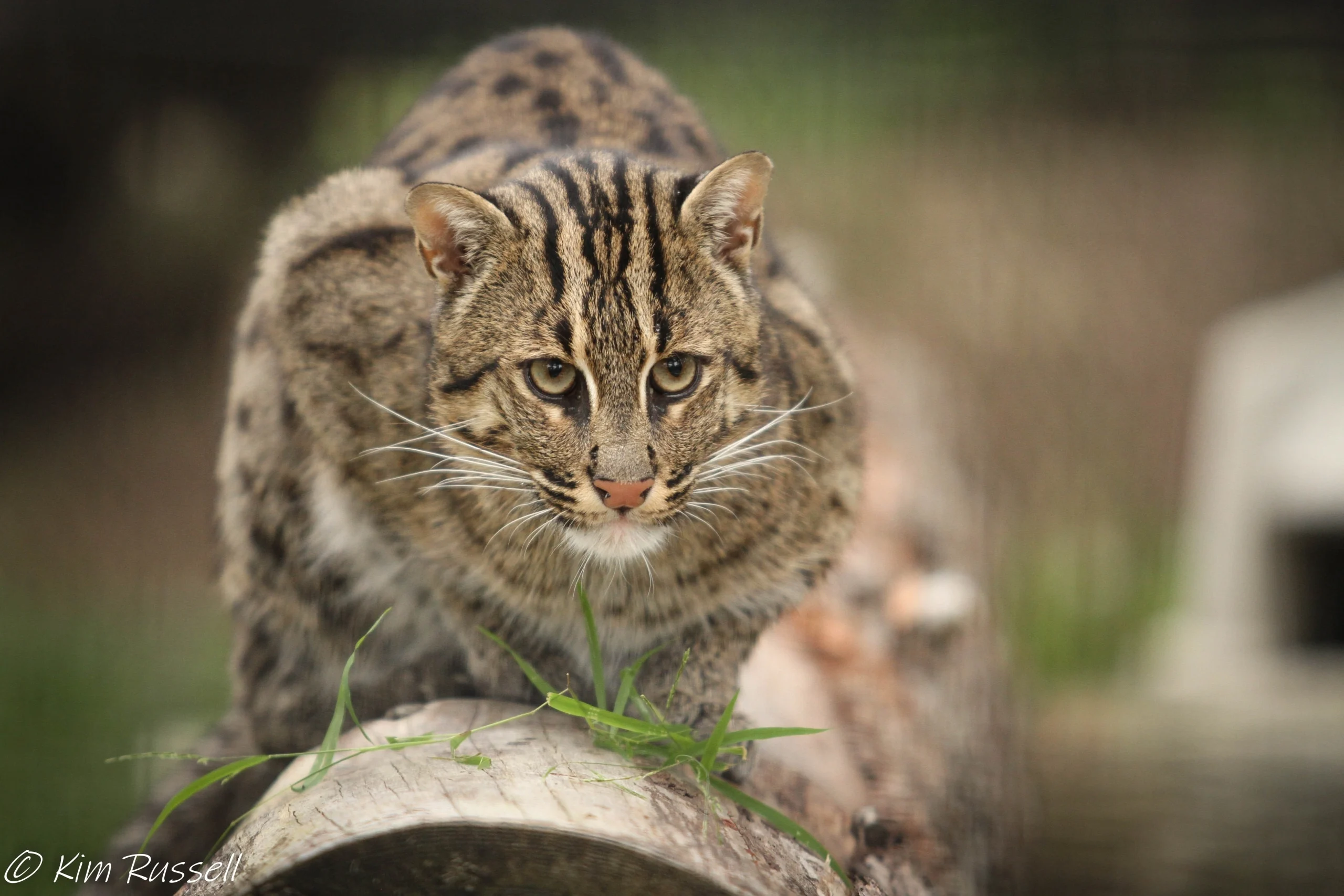
The annual observance of World Wildlife Day on March 3rd, 2024, is this year focused on the crucial theme of "Partnerships for Wildlife Conservation," underscoring the urgent need for collaborative action to safeguard the planet’s diverse and often imperiled fauna. This global initiative, established by the United Nations General Assembly in 2013, aims to raise awareness of the vast array of wildlife on Earth and the critical threats they face, emphasizing that human activities are the primary drivers of biodiversity loss. The chosen theme for 2024 directly addresses the complex challenges inherent in conservation, recognizing that no single entity can effectively protect endangered species in isolation. Instead, it champions a united front, bringing together governments, non-governmental organizations, local communities, scientists, and the public to forge stronger alliances for a sustainable future for wildlife.
The Elusive Fishing Cat: An Ambassador for a Vanishing Species
At the heart of this year’s World Wildlife Day message is the story of River, a six-year-old fishing cat residing at the Hawk Creek Wildlife Center. River embodies the spirit of the "Partnerships for Wildlife Conservation" theme, serving as a vital ambassador for her species, Prionailurus viverrinus. Fishing cats, named for their remarkable ability to hunt fish in aquatic environments, are classified as Vulnerable on the International Union for Conservation of Nature (IUCN) Red List. Their populations are experiencing a concerning decline across their native ranges in South and Southeast Asia, a trajectory that highlights the precarious state of many wild species.
Despite their ecological significance, fishing cats remain largely unknown to the general public. This lack of awareness poses a significant hurdle for conservation efforts, as public engagement and support are indispensable for driving meaningful change. River’s role as an ambassador animal is therefore paramount. Through her presence at Hawk Creek, she offers thousands of visitors an unparalleled opportunity to connect with a species they might otherwise never encounter. This direct interaction fosters empathy, sparks curiosity, and instills a sense of responsibility towards the challenges fishing cats face in the wild, including habitat loss, pollution, and human-wildlife conflict.
The Power of Partnerships: Scientific Research and Public Support
The significance of River’s role extends beyond public education. Her presence has also facilitated crucial scientific research. A recent visit from the founder of the Fishing Cat Conservancy to Hawk Creek exemplifies the collaborative spirit of conservation. This meeting allowed for direct observation and study of River’s unique behaviors, particularly her exceptional paw dexterity used for fishing. Fishing cats are notoriously elusive and difficult to study in their natural habitats, making ambassador animals like River invaluable living laboratories.
By observing and documenting River’s movements and hunting techniques, scientists gain vital insights that can be translated into effective conservation strategies for wild fishing cat populations. This symbiotic relationship between wildlife centers and conservation organizations allows for the collection of data that informs habitat protection initiatives, anti-poaching efforts, and community engagement programs. The data gathered from studying ambassador animals contributes to a deeper understanding of the species’ ecological needs, reproductive behaviors, and the specific threats that imperil them in their native environments. This knowledge is the bedrock upon which successful conservation blueprints are built.
The Fishing Cat Conservancy: A Model for Action
The Fishing Cat Conservancy, an organization dedicated to the preservation of this species, is actively implementing a multi-faceted approach to conservation. Their work embodies the core principles of the World Wildlife Day theme by actively forging partnerships and implementing on-the-ground solutions. Key initiatives include:
- Establishment of Nature Preserves: Creating protected areas where fishing cats can thrive undisturbed by human encroachment and habitat destruction is a cornerstone of their strategy. These preserves serve as safe havens, allowing populations to recover and breed.
- Landowner Partnerships: Recognizing that wildlife does not respect artificial boundaries, the Conservancy actively engages with private landowners. By collaborating with those who own land within critical fishing cat habitats, they work to promote sustainable land-use practices that minimize negative impacts on wildlife and preserve essential ecosystems. This approach acknowledges that the majority of land may be privately held, making these partnerships indispensable for landscape-level conservation.
- Inspiring Change: Beyond direct conservation actions, the Conservancy focuses on raising awareness and inspiring a broader societal shift in attitudes towards wildlife. This includes educational outreach, public campaigns, and advocacy for stronger wildlife protection policies.
The Conservancy’s website, fishcat.org, serves as a central hub for information, offering resources for individuals and organizations interested in supporting their mission. This transparency and accessibility are vital for fostering wider participation in conservation efforts.
The Global Context of World Wildlife Day
World Wildlife Day, proclaimed by the UN General Assembly in Resolution 68/204 on December 20, 2013, was established to celebrate and raise awareness of the world’s wild animals and plants. The date, March 3, was chosen because it marks the anniversary of the adoption of the Convention on International Trade in Endangered Species of Wild Fauna and Flora (CITES) in 1973. CITES is a landmark international agreement that aims to ensure that international trade in specimens of wild animals and plants does not threaten their survival.
Each year, the theme for World Wildlife Day is selected by the Secretariat of the Convention on International Trade in Endangered Species of Wild Fauna and Flora (CITES), in collaboration with the United Nations Environment Programme (UNEP) and other relevant organizations. The themes often reflect current conservation priorities and emerging challenges. Past themes have included "Forests and Livelihoods: Sustaining People and Planet" (2017), "Big Cats: Predators Under Threat" (2018), and "Life Below Water: For People and Planet" (2020). The consistent focus on specific species or ecosystems highlights the multifaceted nature of biodiversity loss and the need for tailored conservation approaches.
Supporting Data: The Declining Fortunes of Vulnerable Species
The plight of the fishing cat is not an isolated incident. The IUCN Red List currently identifies over 40,000 species as threatened with extinction, a number that has steadily increased over the years. This alarming trend underscores the urgency of the conservation message. For instance, the IUCN estimates that:
- Over 13% of bird species are threatened with extinction.
- Over 26% of mammal species are threatened with extinction.
- Over 40% of amphibian species are threatened with extinction.
- More than 37% of sharks and rays are threatened with extinction.
These statistics paint a stark picture of the biodiversity crisis. Habitat destruction, driven by agriculture, urbanization, and infrastructure development, remains the leading cause of species decline. Climate change, pollution, overexploitation, and the spread of invasive species further exacerbate these threats. The interconnectedness of ecosystems means that the loss of one species can have cascading effects, disrupting food webs and undermining the ecological services that humans depend on, such as clean air, water, and pollination.
Chronology of Conservation Efforts: A Long Road to Protection
The journey to protect endangered species is often a long and arduous one, marked by scientific discovery, international cooperation, and grassroots activism.
- Early 20th Century: Growing awareness of species decline begins to emerge, leading to early conservation movements and the establishment of national parks and wildlife reserves in various countries.
- 1963: The International Union for Conservation of Nature (IUCN) publishes its first "Red Data Book," a pioneering effort to document endangered species.
- 1973: The Convention on International Trade in Endangered Species of Wild Fauna and Flora (CITES) is adopted, providing a framework for regulating international trade in threatened species.
- 1975: CITES enters into force, marking a significant step forward in global wildlife protection.
- 1980s-1990s: The rise of global environmentalism brings increased public attention to conservation issues. International organizations like the World Wildlife Fund (WWF) and the Wildlife Conservation Society (WCS) expand their operations.
- 2000s: Advances in genetic research and monitoring technologies provide new tools for understanding and protecting species. The concept of "biodiversity hotspots" gains traction, focusing conservation efforts on areas with high species richness and endemism.
- 2010: The Convention on Biological Diversity (CBD) adopts the Strategic Plan for Biodiversity and the Aichi Biodiversity Targets, setting ambitious goals for halting biodiversity loss by 2020.
- 2013: The United Nations General Assembly establishes World Wildlife Day, further elevating the global profile of conservation.
- 2024: World Wildlife Day’s theme, "Partnerships for Wildlife Conservation," emphasizes the critical need for collaboration in the face of ongoing biodiversity loss and the urgency of addressing threats to species like the fishing cat.
This historical overview demonstrates that conservation is not a static endeavor but an evolving process that requires continuous adaptation and strengthened alliances.
Implications of Partnership-Driven Conservation
The emphasis on "Partnerships for Wildlife Conservation" for World Wildlife Day 2024 carries significant implications for the future of biodiversity protection.
- Enhanced Resource Mobilization: Collaborative efforts can pool financial, human, and technical resources, enabling more ambitious and impactful conservation projects. Governments can leverage private sector funding, NGOs can benefit from scientific expertise, and local communities can contribute invaluable traditional knowledge.
- Broader Reach and Effectiveness: Partnerships allow for a more comprehensive approach to conservation, addressing the complex drivers of species decline across landscapes and political boundaries. For example, protecting migratory species requires cooperation between multiple countries.
- Increased Public Engagement and Support: By involving diverse stakeholders, conservation initiatives can build broader public understanding and support, which is crucial for long-term success. When communities are involved in conservation efforts, they are more likely to become stewards of their local wildlife.
- Innovation and Knowledge Sharing: Partnerships foster an environment for innovation and the sharing of best practices. Scientists can collaborate with conservation practitioners to translate research findings into actionable conservation plans, and different organizations can learn from each other’s successes and failures.
- Addressing Human-Wildlife Conflict: Many conservation challenges arise from human-wildlife conflict. Partnerships that bring together conservationists, local communities, and policymakers can develop innovative solutions that benefit both people and wildlife, such as compensation schemes for livestock losses or the development of conflict-mitigation strategies.
The success of initiatives like the Fishing Cat Conservancy, which actively seeks out collaborations with researchers and landowners, serves as a testament to the power of this approach. By working together, these diverse entities can amplify their impact and create a more resilient future for vulnerable species. The story of River, the fishing cat ambassador, is a poignant reminder that even the most elusive creatures can inspire global action when presented with the right opportunities and supported by strong, collaborative partnerships. The continued celebration of World Wildlife Day, with its focused themes, serves as an annual catalyst, urging humanity to strengthen these bonds and redouble its efforts to protect the extraordinary biodiversity that enriches our planet.
