
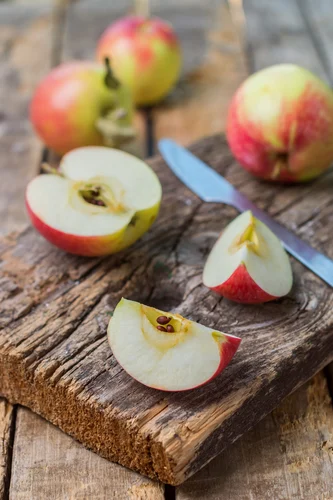
The integration of fresh produce into the diets of backyard poultry has become a cornerstone of modern sustainable farming, yet it requires a sophisticated understanding of avian biology and toxicology to ensure the safety of the flock. While apples are widely recognized as a nutrient-dense supplement for chickens, providing essential fiber and antioxidants, they also harbor a hidden chemical risk within their seeds. Agricultural experts and avian nutritionists emphasize that while the flesh of the apple is an excellent treat, the seeds contain amygdalin, a cyanogenic glycoside that can release lethal hydrogen cyanide during digestion. As the popularity of backyard chicken keeping continues to rise globally, understanding the balance between nutritional enrichment and toxicological safety has become a priority for hobbyists and professional poultry managers alike.
The Nutritional Profile of Apples in Avian Diets
Apples (Malus domestica) are frequently cited by poultry experts as a beneficial addition to a chicken’s diet when administered correctly. From a nutritional standpoint, apples offer a variety of vitamins and minerals that support the overall health of the bird. They are particularly rich in Vitamin C, which can help chickens manage heat stress and support immune function, and Vitamin A, which is vital for the health of the respiratory tract and the quality of egg yolks.
Furthermore, apples provide a significant amount of dietary fiber, primarily in the form of pectin. Pectin serves as a prebiotic, fostering a healthy environment for beneficial gut bacteria such as Lactobacillus. A robust gut microbiome is essential for chickens, as it improves nutrient absorption and provides a natural defense against common pathogens like Salmonella and E. coli. The presence of antioxidants, including quercetin and catechin, further assists in reducing oxidative stress within the bird’s cellular structure, potentially leading to longer lifespans and more consistent laying cycles.

Beyond the chemical composition, apples offer psychological enrichment. Chickens are highly inquisitive animals that benefit from environmental stimulation. Suspending a cored apple from a string—a practice often referred to as "apple tetherball"—encourages natural pecking behaviors and physical activity, which can reduce instances of feather pecking and bullying within the coop.
The Chemistry of Amygdalin and Cyanide Poisoning
Despite the clear benefits of the fruit’s flesh and skin, the seeds of the apple pose a distinct physiological threat. Apple seeds, along with the pits of other "stone fruits" such as peaches, plums, apricots, and cherries, contain a compound called amygdalin. Amygdalin is a chemical defense mechanism used by the plant to protect its reproductive components from being consumed by herbivores.
When a chicken consumes an apple seed, the bird’s gizzard—a powerful muscular organ used to grind food—breaks the seed’s tough outer hull. Once the seed is crushed, the amygdalin comes into contact with digestive enzymes (specifically beta-glucosidases). This interaction triggers a chemical reaction that releases hydrogen cyanide (HCN).
Cyanide is a potent toxin because it interferes with the cellular respiration process. Specifically, it binds to the iron atom in cytochrome c oxidase, an enzyme in the mitochondria of cells. This binding prevents the cells from utilizing oxygen, effectively causing cellular asphyxiation. Even if the chicken is breathing normally, its tissues cannot receive the oxygen they need to survive.

Clinical Symptoms of Cyanide Toxicity in Poultry
The severity of cyanide poisoning in chickens depends on the quantity of seeds consumed and the overall health of the bird. While a single apple seed is unlikely to cause immediate death in a healthy adult hen, the cumulative effect or the ingestion of multiple seeds can lead to acute toxicity. Younger chicks, elderly hens, or birds with compromised immune systems are significantly more susceptible.
Veterinary manuals and poultry experts identify several key symptoms of cyanide poisoning in flocks:
- Cyanosis (Blue Comb): One of the most visible signs is the darkening or "blue-ish" tint of the comb and wattles. This occurs because the blood is not being oxygenated correctly at the cellular level.
- Respiratory Distress: Birds may exhibit gasping, open-beak breathing, or rapid, shallow breaths as the body attempts to compensate for the lack of oxygen.
- Neurological Impairment: In the advanced stages of toxicity, chickens may experience tremors, loss of coordination (ataxia), or a total loss of consciousness.
- Cardiovascular Collapse: Cyanide causes a rapid heart rate followed by a sudden drop in blood pressure, eventually leading to cardiac arrest.
- Sudden Mortality: In cases of high-dose ingestion, death can occur within minutes to hours of consumption.
Chronology of Dietary Management and the "10 Percent Rule"
The evolution of poultry feeding has shifted from simple grain-based mashes to more complex, holistic diets. In the early 20th century, chickens were largely left to forage, consuming a mix of insects, seeds, and fallen fruit. However, the intensification of egg production led to the development of "complete feeds"—pellets or crumbles designed to provide 100% of a bird’s daily nutritional requirements.
In the modern context, supplementary treats like apples are viewed as "extras." To maintain a balanced diet, the industry standard is the "10 Percent Rule." This guideline dictates that treats, including fruits, vegetables, and scratch grains, should not exceed 10% of a chicken’s total daily caloric intake. For the average laying hen, this equates to approximately one to two tablespoons of supplemental food per day.

Overfeeding apples, even without the seeds, can lead to issues. The high sugar content in fruit can cause obesity in chickens, which is a leading cause of "Fatty Liver Hemorrhagic Syndrome" (FLHS). Excessive sugar can also disrupt the pH balance of the crop, potentially leading to "sour crop," a yeast infection caused by an overgrowth of Candida.
Comparative Risks: Stone Fruits and Other Toxic Foods
The danger of amygdalin is not limited to apples. The broader Rosaceae family of plants produces several fruits that contain similar toxins in their pits. It is a critical responsibility of the flock owner to manage these risks:
- Peaches, Plums, and Apricots: These fruits contain larger "stones" or pits. While the flesh is safe, the kernel inside the pit is highly toxic. While a chicken’s beak is usually not strong enough to crack a peach pit, the risk remains if the pit is already damaged or if the bird is particularly persistent.
- Cherries: Small enough for a chicken to swallow whole, cherry pits pose both a choking hazard and a toxicity risk if ground down in the gizzard.
- Nightshades: Beyond cyanide, poultry owners must be aware of solanine, a toxin found in the green parts of tomatoes, potatoes, and eggplants.
- Avocados: The skin and pit of avocados contain persin, a fungicidal toxin that can cause respiratory distress and fluid accumulation around the heart in birds.
Broader Implications for the Backyard Farming Movement
The discussion surrounding apple seeds and poultry health reflects a larger trend in the agricultural sector: the professionalization of the backyard farmer. As more individuals move toward self-sufficiency and small-scale egg production, the demand for high-quality, science-based information on avian husbandry has spiked.
Industry leaders, such as Lisa Steele of "Fresh Eggs Daily," have championed the move toward "natural" and "old-timers" methods, which prioritize whole foods and herbal supplements. However, these experts also emphasize that "natural" does not always mean "safe." The meticulous removal of apple cores and seeds is a prime example of how modern safety protocols must be integrated into traditional farming practices.

The economic implications are also noteworthy. A healthy flock is a productive flock. By avoiding dietary toxins and maintaining the 10% treat threshold, keepers ensure higher egg production rates and lower veterinary costs. Furthermore, the quality of the egg is directly influenced by the hen’s diet. A bird that consumes a balanced amount of antioxidants from apples will produce eggs with stronger shells and more nutrient-dense yolks, benefiting the human consumer as well.
Conclusion and Best Practices for Flock Owners
To maximize the benefits of feeding apples while eliminating the risk of cyanide poisoning, poultry owners should adhere to a strict preparation protocol. Apples should be thoroughly washed to remove any pesticide residue, which can be just as harmful to small birds as internal toxins. The fruit should then be cored to remove all seeds before being sliced or chopped into manageable pieces.
For those looking to provide mental stimulation, coring the apple and then threading a rope through the center allows for the "tetherball" effect without exposing the birds to amygdalin. By treating apples as a regulated supplement rather than a dietary staple, and by remaining vigilant about the hidden dangers of seeds and pits, backyard farmers can ensure their flocks remain healthy, active, and productive. The marriage of nutritional enrichment and rigorous safety standards remains the gold standard for modern poultry management.
