
Since its inception on April 22, 1970, Earth Day has served as a global call to action, uniting people across every continent in a collective effort to honor and protect our shared home – planet Earth. This annual observance, now a significant international movement, underscores the interconnectedness of all life and the critical need for environmental stewardship. While human endeavors often dominate discussions about conservation, it is essential to recognize the myriad of fascinating and beautiful animals that play indispensable roles in maintaining planetary health. In commemoration of Earth Day, this article delves into the remarkable contributions of several avian species, highlighting their often-unsung roles as vital environmental heroes, from tiny pollinators to nature’s efficient cleanup crew.
The origins of Earth Day trace back to a period of growing environmental awareness in the United States. Senator Gaylord Nelson, inspired by the anti-war movement and the burgeoning environmental activism, proposed a national day to focus on the environment. The first Earth Day saw an estimated 22 million Americans participate in rallies, teach-ins, and community cleanups, marking a watershed moment in the environmental movement. Its success quickly led to its global expansion, with Earth Day now celebrated in over 190 countries, fostering a shared sense of responsibility for the planet’s future. This year’s Earth Day continues this tradition, encouraging individuals and organizations worldwide to engage in activities that promote environmental protection and sustainability.
Hummingbirds: Tiny Wings, Monumental Ecological Impact
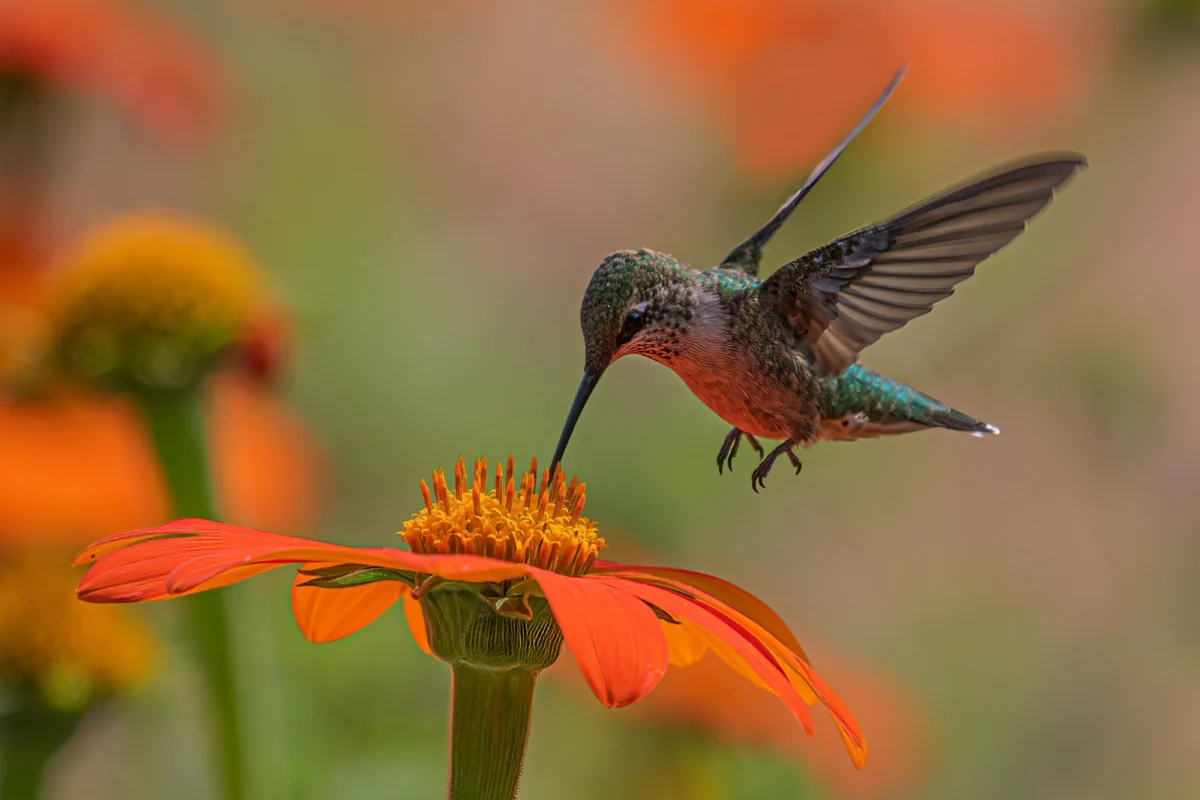
Hummingbirds, despite their diminutive size, exert a disproportionately significant ecological influence, particularly in their capacity as specialized nectar feeders and crucial pollinators. As they flit from bloom to bloom, these iridescent gems transfer pollen, a process vital for the reproduction of countless plant species. This function is especially critical in ecosystems where other pollinators, such as bees and butterflies, may face challenges in surviving due to habitat loss or climate change. The intricate, co-evolved relationships between specific hummingbird species and particular plants underscore their role in fostering biodiversity and sustaining entire ecological communities. Their sensitivity to subtle environmental shifts also positions them as sensitive bio-indicators, providing early warnings of climate disruption.
Research has quantified the extensive reach of hummingbird pollination. Studies indicate that a single hummingbird can visit hundreds of flowers in a single hour, facilitating cross-pollination over significant distances. This mobile pollination service is particularly valuable in fragmented landscapes or where pollinator populations are declining. The energy expenditure required for their characteristic hovering flight necessitates a diet rich in nectar, making them highly efficient in pollen dispersal. For instance, the Ruby-throated Hummingbird, a common sight in eastern North America, migrates thousands of miles annually, carrying pollen across diverse habitats. Their reliance on specific floral resources also makes them vulnerable to changes in plant communities, further emphasizing their role as indicators of ecosystem health. A comprehensive look at their impact can be found in resources that explore their crucial role in maintaining plant genetic diversity and supporting the intricate web of life.
Vultures: Nature’s Indispensable Cleanup Crew
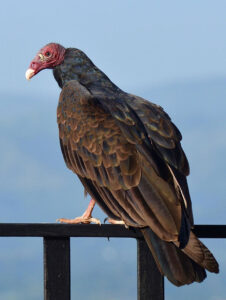
Among Earth’s most vital environmental stewards are vultures, often overlooked and sometimes reviled, yet possessing an unparalleled ability to maintain ecological balance through their carrion-feeding habits. These large birds of prey perform an essential service by consuming carcasses, preventing the proliferation of diseases that could otherwise spread rapidly through animal populations and potentially impact human health. Their highly specialized digestive systems are equipped with potent stomach acids, capable of neutralizing a wide array of dangerous pathogens, rendering them immune to the very diseases they help control.
The ecological significance of vultures as nature’s cleanup crew cannot be overstated. In many regions, their presence is directly linked to reduced instances of zoonotic diseases. For example, a significant decline in vulture populations in parts of India and Nepal due to poisoning from veterinary drugs led to an increase in carcasses remaining unconsumed. This, in turn, resulted in a rise in populations of feral dogs, which are vectors for rabies, leading to an estimated increase of tens of thousands of rabies deaths in humans. This stark correlation highlights the critical role vultures play in disease prevention and public health. Their efficient consumption of carrion also accelerates nutrient cycling, returning vital elements to the soil. Organizations like the World Wildlife Fund emphasize that vultures are not merely scavengers but essential "environmental influencers" that maintain the health and stability of ecosystems by managing organic waste and preventing disease outbreaks.
Seabirds: Bridging Ecosystems, Transferring Vital Nutrients
The remarkable ability of birds to traverse vast distances connects disparate ecosystems, and seabirds exemplify this role by acting as crucial links between marine and terrestrial environments. Through their droppings, seabirds transport essential nutrients, such as nitrogen and phosphorus, from the ocean to land, particularly on islands. This influx of nutrients significantly enriches the soil, fostering the growth of healthier and more robust vegetation. This enhanced plant life, in turn, provides stable habitats, supporting a greater diversity of terrestrial wildlife and contributing to the overall resilience of island ecosystems.
Scientific studies have provided concrete data on the scale of this nutrient transfer. Research indicates that seabird colonies can deposit substantial amounts of guano, a nutrient-rich fertilizer, onto coastal areas and islands. For example, the annual deposition of nitrogen from seabird colonies can be equivalent to significant applications of synthetic fertilizers, directly impacting plant productivity. This process is crucial for maintaining the delicate balance of island flora, which often lack other significant sources of nutrient input. By effectively bridging the marine and terrestrial realms, seabirds contribute to the productivity and ecological integrity of entire island systems, demonstrating their vital role in global nutrient cycles and ecosystem connectivity. Their migrations and foraging patterns are integral to this inter-ecosystem exchange.
Parrots: Architects of Forest Regeneration and Biodiversity
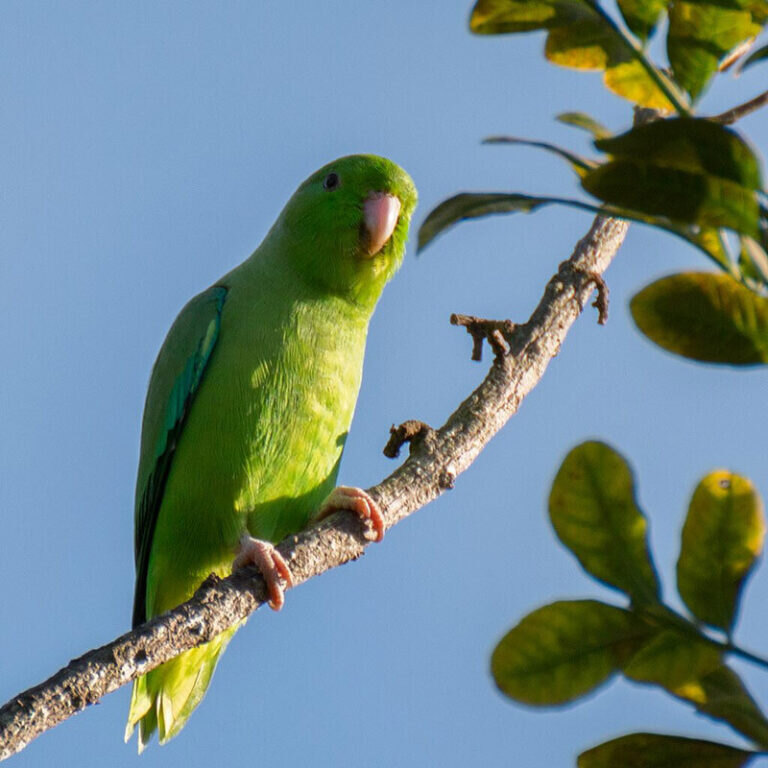
Parrots, often admired for their vibrant plumage and intelligence, also serve as invaluable "multilinkers" within their ecosystems, playing multifaceted roles that promote forest health and biodiversity. Their activities extend beyond mere seed dispersal; they are active participants in pollination, contributing to the reproductive success of numerous plant species. Furthermore, parrots contribute to pest control by feeding on insects, a behavior often overlooked in their diet.
The ecological impact of parrots is deeply intertwined with seed dispersal. As they consume fruits, they ingest seeds, which are then transported across landscapes as the birds fly. This process is crucial for forest regeneration, especially in areas affected by deforestation or fragmentation. Parrots can disperse seeds over considerable distances, aiding in the recolonization of degraded habitats and the maintenance of genetic diversity within plant populations. Their movements facilitate the transfer of energy and nutrients between different ecological zones, supporting the complex life cycles of plants and other organisms. A notable study published in Proceedings of the National Academy of Sciences highlighted how parrots, through their foraging and dispersal behaviors, can influence forest structure and composition, underscoring their significant role in maintaining healthy, functioning ecosystems. Their presence can be an indicator of a thriving and interconnected forest environment, where their actions contribute to a resilient and biodiverse natural world.
The collective impact of these avian species—from the tireless pollination efforts of hummingbirds and the essential sanitation services of vultures, to the nutrient-rich contributions of seabirds and the forest-nurturing activities of parrots—underscores the profound and often underestimated role of birds in maintaining the health and stability of our planet. As we continue to observe Earth Day and reflect on our commitment to environmental protection, recognizing and safeguarding these feathered allies becomes an increasingly urgent imperative. Their continued existence is not merely a matter of biodiversity preservation but a crucial element in the ongoing effort to ensure a healthy and sustainable future for all life on Earth. The interconnectedness of these avian roles with the well-being of entire ecosystems serves as a powerful reminder of nature’s intricate design and the essential contributions of every living organism.
