
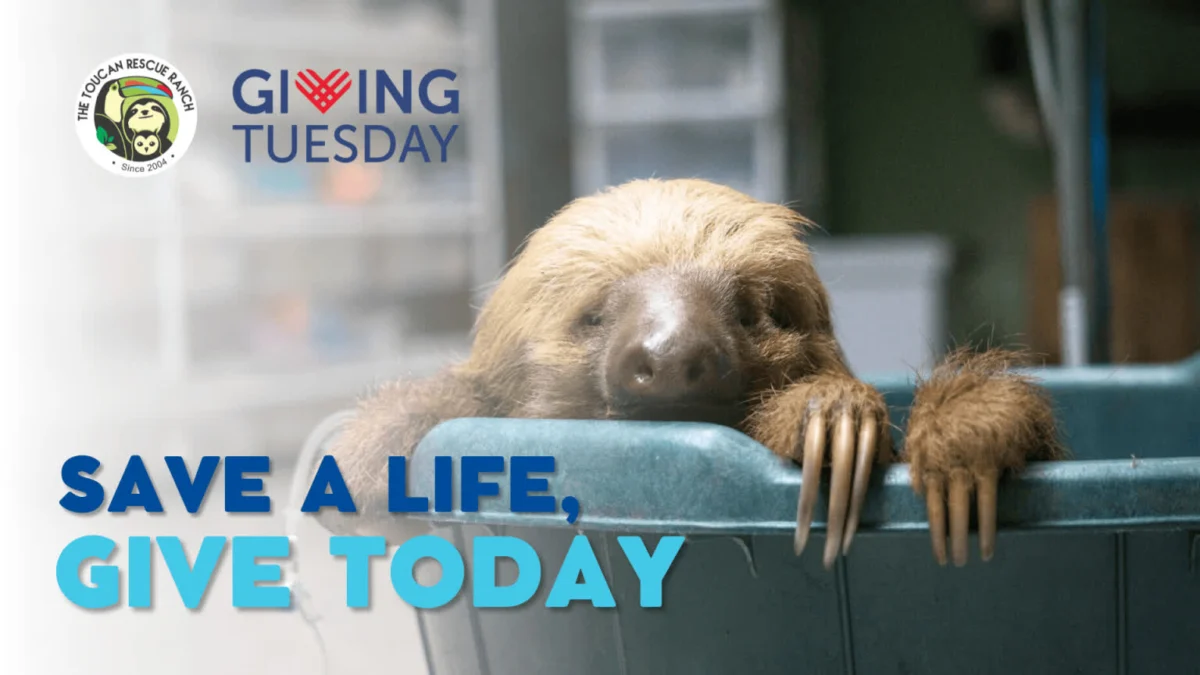
The Toucan Rescue Ranch (TRR), a prominent wildlife conservation organization based in Costa Rica, has issued a critical appeal for public support ahead of Giving Tuesday 2024, citing an unprecedented surge in wildlife emergencies that has pushed the facility to its operational limits. Marking its 20th year of operation, the non-profit organization reported that by July of this year, it had already surpassed the total number of animal intakes recorded in the entirety of 2023. This spike in cases, largely driven by human-wildlife conflict and environmental pressures, highlights a growing crisis for Costa Rica’s native biodiversity and underscores the increasing reliance on donor-funded institutions to bridge gaps in wildlife protection.
The organization’s call to action coincides with Giving Tuesday, a global movement established in 2012 as a day that encourages people to do good. For small, non-governmental organizations (NGOs) like the Toucan Rescue Ranch, this annual event represents a vital lifeline, providing the necessary capital to sustain 24-hour medical care, specialized diets, and the complex infrastructure required for the rehabilitation of species ranging from sloths and toucans to wild cats and raptors. As the ranch prepares for what is projected to be its busiest year on record, the leadership has emphasized that the continued survival of many of Costa Rica’s most vulnerable creatures depends on the collective generosity of the international community.
A Statistical Surge in Wildlife Emergencies
The data released by the Toucan Rescue Ranch reveals a concerning trend in the volume of animals requiring urgent intervention. In 2023, the facility treated over 400 vulnerable animals, a figure that was considered high at the time. However, the 2024 mid-year data indicates a sharp escalation in demand for rescue services. Having already exceeded the 400-animal threshold by July, the ranch is on a trajectory to face the highest volume of cases in its two-decade history.
The demographics of the current animal population at the ranch are particularly striking. According to the organization, 41.8% of the animals currently in their care are orphans. These young animals, often found without their mothers due to accidents or predation exacerbated by human presence, require intensive, around-the-clock care that can last for months or even years before they are eligible for rewilding. The cost of raising an orphaned sloth or bird to maturity is significant, involving specialized milk formulas, temperature-controlled environments, and veterinary monitoring to ensure they hit developmental milestones.
The increase in intakes is not an isolated phenomenon but reflects broader environmental and social challenges in Costa Rica. As urban areas expand and the agricultural frontier pushes further into secondary forests, the interface between humans and wildlife becomes more frequent and often more lethal. The ranch notes that the vast majority of their patients are victims of human-wildlife conflicts, including electrocutions from uninsulated power lines, vehicular strikes on increasingly busy roads, and the persistent threat of the illegal pet trade.
Two Decades of Conservation and Evolutionary Challenges
Founded 20 years ago, the Toucan Rescue Ranch has evolved from a small rescue center into a sophisticated hub for conservation, education, and research. Over the past two decades, the organization has witnessed a shifting landscape of threats. While the early years focused heavily on the rehabilitation of toucans and other avian species, the mission has expanded to include a wide array of Costa Rican fauna.
The chronology of the ranch’s growth is marked by a constant need to adapt to new types of emergencies. For instance, the rise of "sloth tourism" and increased infrastructure development has led to a spike in sloth-related injuries. Electrocutions have become one of the most common causes of admission; as animals attempt to navigate fragmented habitats, they often use power lines as "canopy bridges," resulting in catastrophic burns and limb loss. These cases require complex surgeries and long-term physical therapy, testing the resilience and expertise of the ranch’s medical team.
In response to these challenges, the ranch has refined its "Rewilding" protocol. This mission-centric approach focuses on more than just healing physical wounds; it aims to restore the independence of the animal so it can thrive in its natural habitat. The rewilding process is a multi-stage journey involving medical stabilization, rehabilitation in enclosures that mimic the wild, and a final release into protected areas where the animals can rejoin the ecosystem.
The Financial Realities of Wildlife Rehabilitation
As a donor-funded nonprofit, the Toucan Rescue Ranch operates without direct government subsidies, making public contributions the primary engine of its conservation efforts. The organization has set a specific fundraising target for this Giving Tuesday, aiming to raise $8,000 to cover the immediate costs of the current influx of patients. These funds are earmarked for several critical areas:
- Medical Supplies and Surgery: With more animals arriving in critical condition, the demand for antibiotics, bandages, surgical equipment, and diagnostic tools like X-rays and blood tests has nearly doubled.
- Specialized Nutrition: Each species requires a specific diet. For orphans, this includes high-quality milk replacers and fresh produce that must be sourced daily to ensure proper growth and immune function.
- Infrastructure Expansion: The record-breaking number of intakes has strained the ranch’s physical capacity. Additional enclosures and nursery space are required to house animals safely while preventing the spread of disease.
- Professional Staffing: Caring for hundreds of animals 24/7 requires a dedicated team of veterinarians, biologists, and animal caretakers. Donor funds help maintain the professional expertise necessary for high success rates in rehabilitation.
The ranch has highlighted that every donation, regardless of size, has a tangible impact. Contributions of $10 to $100 can cover anything from a week of specialized fruit for a toucan to the cost of emergency medication for a victim of a car accident. Furthermore, as a registered nonprofit, all donations made to the ranch are tax-deductible, providing an additional incentive for philanthropic support during the year-end giving season.
Broader Implications and Official Perspectives
The crisis at the Toucan Rescue Ranch is symptomatic of a larger global trend in biodiversity loss and the struggle of NGOs to keep pace with environmental degradation. Conservationists argue that the record-breaking number of wildlife emergencies in 2024 should serve as a wake-up call regarding the impact of human activity on fragile ecosystems.
While the ranch focuses on the immediate "heal and release" aspect of conservation, its leadership emphasizes that their work also involves education and research. By documenting the causes of injury, the ranch provides valuable data that can inform public policy, such as the placement of wildlife bridges over highways or the insulation of power lines in high-risk corridors.
"Every animal that comes through our doors gives us a renewed purpose," the organization stated in a recent release. "Rewilding is at the heart of our mission—helping these creatures regain their independence and thrive in the wild where they belong. But we cannot do this alone. The unprecedented demand we are seeing this year means our efforts must double."
Inferred statements from regional environmental partners suggest that the work of TRR is essential for maintaining the ecological balance in Costa Rica’s central valley and beyond. Without the intervention of such facilities, the mortality rate for injured wildlife would be nearly 100%, leading to a gradual thinning of the species that drive the country’s eco-tourism economy and maintain its forest health.
A Call for Collective Action
As Giving Tuesday approaches, the Toucan Rescue Ranch remains a safe haven for the voiceless victims of modernization. The 2024 season has proven that the need for wildlife rescue is not slowing down; rather, it is accelerating at a pace that requires a more robust and resilient support system.
The organization’s message is one of both urgency and hope. By participating in this global day of giving, donors are not merely contributing to a charity; they are investing in the "miracles" of recovery that occur daily within the ranch’s walls. From a sloth taking its first steps back into the canopy to a toucan returning to the skies, these success stories are the direct result of a community that values the intrinsic worth of nature.
The Toucan Rescue Ranch invites the public to be part of this mission, ensuring that Costa Rica’s wildlife can continue to thrive for generations to come. In a year of record-breaking challenges, the organization is looking toward the magic of collective generosity to ensure that 2024 is remembered not just for the number of emergencies, but for the number of lives saved.
