
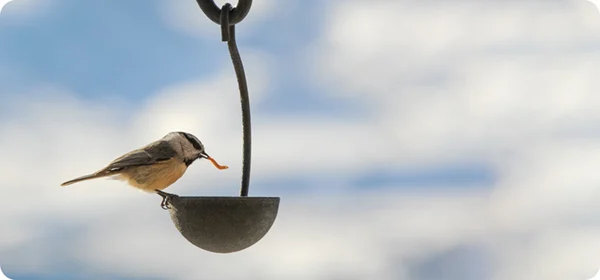
Wild Birds Unlimited Offers Unique Mother’s Day Gift Idea to Delight Avian Enthusiasts and Their Mothers
As Mother’s Day approaches, many are seeking thoughtful and unique ways to express appreciation for the maternal figures in their lives. While flowers, chocolates, and personalized gifts are traditional choices, Wild Birds Unlimited (WBU) is presenting an unconventional yet ecologically sound suggestion: bugs for birds. This initiative, rooted in understanding avian biology and behavior, aims to enhance backyard ecosystems and provide a unique nature-watching experience, particularly appealing to mothers who enjoy observing wildlife. The core concept is that by providing a reliable and abundant food source of insects, particularly mealworms, and by cultivating native plants that attract natural insect populations, individuals can create a vibrant haven for birds, thereby bringing joy and engaging activity to their mothers’ yards.
The Biological Imperative: Why Birds Need Bugs
The appeal of bugs as a Mother’s Day gift, while initially surprising, is grounded in the fundamental dietary needs of birds, especially during critical periods of their life cycle. May marks a significant time in the avian calendar. For countless bird species, it is the peak nesting season. During this period, adult birds are dedicated to raising their young, and their offspring have an insatiable appetite for protein-rich foods. Insects, with their high fat and protein content, are the primary food source for virtually all nestlings for the first few weeks of their lives.
"The importance of insects in a bird’s diet, especially for young birds, cannot be overstated," explains Dr. Eleanor Vance, an ornithologist specializing in urban ecology. "A consistent supply of insects directly translates to healthier fledglings, increased survival rates, and the ability for parent birds to successfully raise larger broods. For backyard bird feeders, this means a more dynamic and active environment, which is incredibly rewarding to observe."
This biological reality underpins WBU’s suggestion. By offering foods that mimic a natural insect diet, such as dried or live mealworms, WBU stores are enabling individuals to directly contribute to the well-being of local bird populations. This is particularly relevant for species that are insectivores, meaning their diet consists predominantly of insects. Providing these supplementary food sources can be crucial, especially in urban or suburban environments where natural insect populations may be diminished due to habitat loss or pesticide use.
A Feast for Migratory Birds and Nesting Families
Beyond the nesting season, insects are also vital for the survival of migratory songbirds. As millions of birds embark on their arduous journeys across continents, they rely on readily available sources of energy. Insects are a concentrated source of fat, essential for fueling long flights. The arrival of migrating species in late spring and early summer presents a prime opportunity for birdwatchers to witness a dazzling array of avian visitors.
"Migratory songbirds, like warblers, vireos, and thrushes, undertake incredible feats of endurance," notes David Chen, a conservation biologist. "Their stopover points, including well-managed backyard habitats, are critical refueling stations. Providing high-energy food sources, such as those rich in insects, can significantly improve their chances of successfully completing their migration and reaching their breeding grounds. The visual spectacle of these colorful birds passing through a yard is a profound experience for any nature lover."
Therefore, offering mealworms or creating a habitat that attracts natural insects not only supports nesting birds but also provides a much-needed boost for these traveling feathered travelers. This dual benefit contributes to a richer and more consistent bird-watching experience throughout the spring and summer months, aligning perfectly with the timing of Mother’s Day celebrations.
Cultivating an Insect-Friendly Habitat: A Two-Pronged Approach
Wild Birds Unlimited emphasizes a two-pronged strategy for creating an optimal environment for insect-eating birds, making the "bugs for birds" gift concept more tangible and effective.
1. Native Plants: The Foundation of a Natural Insect Buffet
The first prong involves enhancing the natural ecosystem by planting native species. WBU advocates for "gifts of nature" that extend beyond a fleeting bouquet. Native plants are not merely decorative; they are the cornerstone of a healthy local food web. These plants have evolved alongside native insect species, providing them with food, shelter, and breeding grounds.
"Native plants are incredibly valuable because they support a diverse array of native insects, which in turn are the preferred food for many native bird species," states horticulturalist Sarah Jenkins. "Unlike exotic or ornamental plants that may have fewer ecological connections, native species create a self-sustaining ecosystem within a garden. They attract pollinators, beneficial insects, and caterpillars, all of which become readily available food for birds."
The types of native plants recommended vary by region, but generally include a mix of flowering perennials, shrubs, and trees. These plants offer nectar and pollen for insects, seeds and berries for birds, and habitat for insect larvae. By planting native species, individuals are essentially establishing a long-term, sustainable food source for birds that requires less maintenance over time and provides continuous ecological benefits. This approach aligns with a growing awareness of the importance of biodiversity and conservation in residential landscapes.
2. Supplemental Feeding: Direct Delivery of Essential Nutrients
The second prong of WBU’s strategy involves direct supplemental feeding of insects. Mealworms, readily available from Wild Birds Unlimited, serve as a highly nutritious and convenient supplement to a bird’s natural diet.

"Mealworms are a fantastic addition to any bird feeding station, especially during nesting season and migration," explains Mark Peterson, a WBU store owner and bird feeding expert. "They are packed with protein and fat, mimicking the nutritional profile of live insects. Many bird species, including those that might not typically visit seed feeders, are attracted to mealworms. They are particularly effective at drawing in insectivorous birds like wrens, chickadees, and nuthatches."
WBU offers a variety of mealworm-based products designed for ease of use and maximum appeal to birds. These include:
- Dried Mealworms: A convenient and long-lasting option that can be offered in a tray feeder or mixed with other bird foods.
- Live Mealworms: For those seeking to provide the most natural and appealing option, live mealworms are available and are highly effective at attracting a wide range of insectivorous birds.
- Nesting SuperBlend®: This specially formulated blend is available as a loose seed mix or a seed cylinder and is enriched with dried mealworms, providing a complete nutritional package for nesting birds.
- Bug, Nut & Berry Cylinder®: Another popular seed cylinder option that combines the appeal of insects with nuts and berries, designed to attract a broad spectrum of bird species, especially those that favor insect-based diets.
These specialized products ensure that individuals can easily incorporate mealworms into their bird feeding routines, providing a reliable and consistent food source that directly benefits birds.
The "Gift of Bugs": A Meaningful and Lasting Tribute
The concept of gifting "bugs for birds" for Mother’s Day offers a unique departure from conventional gifts. It is a present that fosters a deeper connection with nature, promotes ecological well-being, and provides ongoing enjoyment.
"Instead of a gift that might be enjoyed for a day or two, this is a gift that keeps on giving," suggests Emily Carter, a customer who has embraced WBU’s philosophy. "My mother loves watching the birds in her garden. Last year, I set up a dedicated mealworm feeder and planted some native shrubs. The amount of bird activity she has seen this year is incredible. She’s seen new species, more fledglings, and it’s become a daily ritual for her to look forward to seeing who visits. It’s a gift that truly nourishes her spirit and the local environment."
This sentiment highlights the multifaceted appeal of the "bugs for birds" idea. It is a gift that is:
- Educational: It encourages learning about avian diets, nesting behaviors, and the importance of native ecosystems.
- Engaging: It provides a dynamic and ever-changing spectacle of nature for continuous enjoyment.
- Eco-conscious: It supports local wildlife and promotes biodiversity.
- Personalized: It can be tailored to the specific interests and abilities of the recipient, whether they are an experienced gardener or a novice bird feeder.
Furthermore, the act of setting up a bird-friendly habitat or providing supplemental feeders can be a shared activity, offering an opportunity for families to connect and contribute to a common goal.
Addressing Potential Hesitations and Providing Support
The initial reaction to "bugs for birds" might evoke images of pests rather than presents. Wild Birds Unlimited anticipates this and is committed to educating consumers about the ecological benefits and practicalities of this unique gifting option.
"We understand that ‘bugs’ might not be the first thing that comes to mind when thinking about gifts for moms," says a WBU spokesperson. "That’s why we’ve developed resources and expertise to help people understand the ‘why’ behind this suggestion. Our store staff are knowledgeable about local bird species, native plants, and the best feeding strategies. We can guide customers in selecting the right products and plants to create a successful bird habitat."
WBU’s website and in-store resources provide detailed information on:
- Regional native plant recommendations: Helping customers choose plants that will thrive in their local climate and attract specific bird species.
- Bird feeding guides: Offering advice on the types of feeders, foods, and placement that will maximize bird visitation.
- Seasonal bird behavior: Explaining the changing needs of birds throughout the year, emphasizing the importance of insect-based foods during spring and summer.
- Troubleshooting common bird feeding issues: Addressing concerns about attracting pests or managing feeders effectively.
This commitment to education and support ensures that the "bugs for birds" gift is not just a novel idea but a practical and rewarding endeavor for both the giver and the recipient.
Broader Implications: Connecting People with Nature
The "bugs for birds" initiative by Wild Birds Unlimited extends beyond a simple Mother’s Day promotion. It is part of a larger movement to reconnect people with the natural world, particularly in increasingly urbanized environments. By encouraging backyard habitats that support wildlife, WBU aims to foster a greater appreciation for biodiversity and conservation.
"In an era where many people feel disconnected from nature, creating vibrant backyard ecosystems is more important than ever," states Dr. Vance. "These urban oases provide essential resources for wildlife and offer individuals a direct, personal experience of the natural world. The joy derived from observing birds, butterflies, and other creatures in one’s own garden can lead to a deeper understanding and commitment to conservation efforts."
The data supports the impact of well-managed backyard habitats. Studies have shown that suburban gardens, when managed with native plants and appropriate food sources, can be significant contributors to local biodiversity, providing refuge and sustenance for a surprising array of species. For instance, a report by the National Audubon Society highlighted that well-managed bird feeders can support up to 20-30% of a bird’s diet during challenging periods.
By framing "bugs for birds" as a Mother’s Day gift, WBU is not only offering a unique present but also subtly advocating for a lifestyle that benefits both humans and wildlife. It’s a gesture that acknowledges the nurturing spirit of mothers by extending that care to the natural world, creating a legacy of appreciation for the environment that can be passed down through generations. The ripple effect of such initiatives can contribute to healthier ecosystems, more resilient bird populations, and a more engaged and informed public. The seemingly simple act of providing bugs for birds becomes a powerful tool for conservation and a source of profound joy.
