
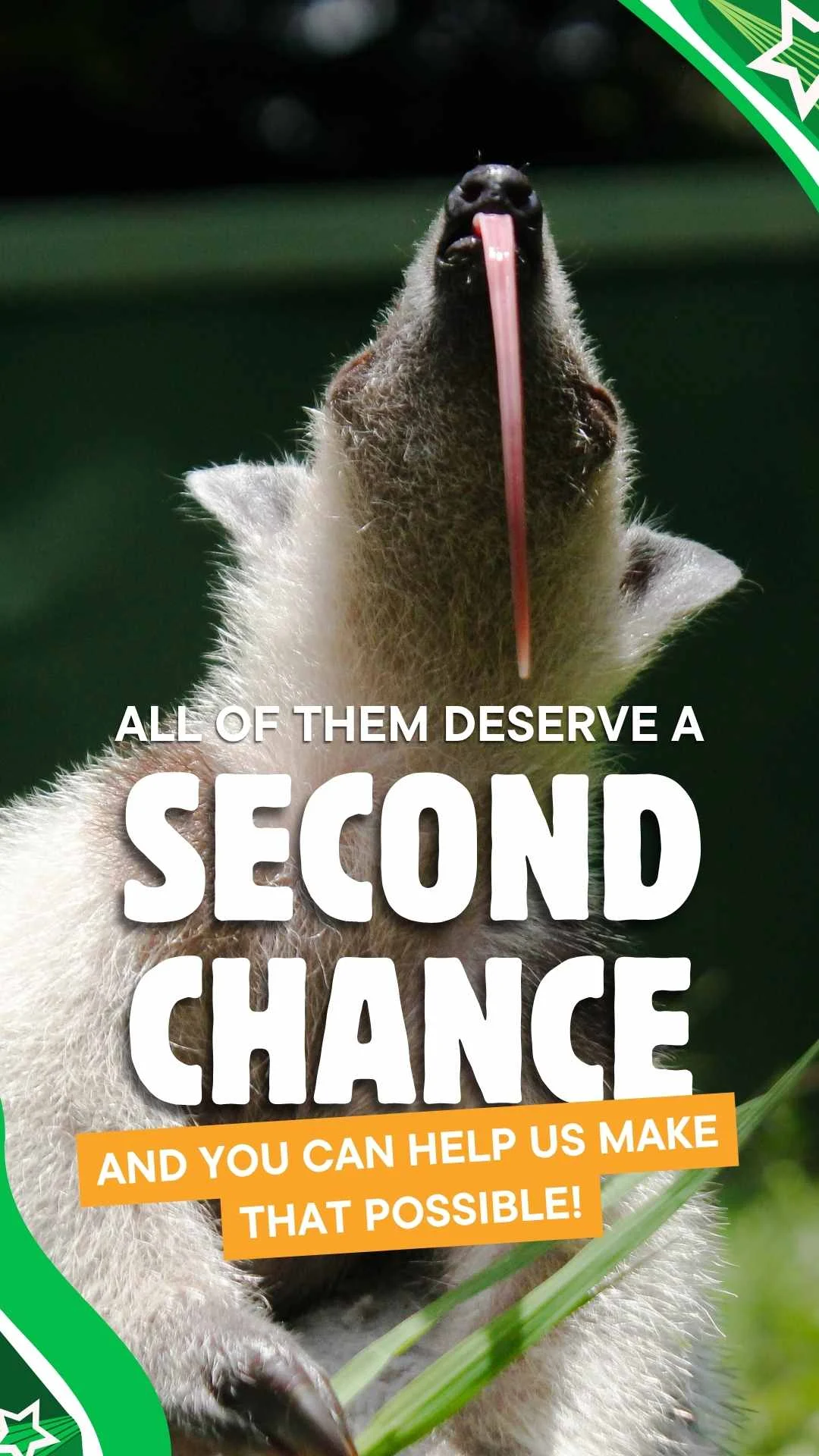
The convergence of global sports culture and environmental stewardship has reached a new milestone with the launch of the Goals for Wildlife campaign, an innovative initiative designed to channel the fervor of the FIFA World Cup into tangible conservation results for Costa Rican fauna. While Costa Rica’s national football team may not be gracing the pitch in this year’s tournament, the nation’s biological heritage remains a central focus for the Toucan Rescue Ranch (TRR), a world-renowned wildlife rehabilitation center. Through this campaign, the organization aims to bridge the gap between sports enthusiasts and conservationists, utilizing a gamified prediction platform to fund the essential medical and rehabilitative care required for rescued animals.
The Intersection of Gamification and Philanthropy
The Goals for Wildlife initiative operates on the principle of "competitive philanthropy," a growing trend in the non-profit sector that leverages digital engagement and social competition to drive donations. Participants are invited to join a structured competition where their knowledge of international football directly correlates with the support received by injured and orphaned wildlife. By predicting match outcomes throughout the World Cup, fans are not merely spectators but active contributors to a "team" of veterinarians, biologists, and volunteers working on the front lines of biodiversity preservation.
This model addresses a critical challenge in modern conservation: the need for consistent, diversified funding streams. By tapping into the global audience of the World Cup—a tournament that attracts billions of viewers—the Toucan Rescue Ranch is expanding its reach far beyond traditional environmental circles. The campaign emphasizes that while football relies on strategy and teamwork to secure a victory, wildlife rehabilitation requires a similar collective effort to ensure the survival of species.
A Three-Step Framework for Participation
The campaign is structured to be accessible yet engaging, following a clear three-step process designed to maximize both user experience and charitable impact.
Step 1: Entry Through Contribution
The point of entry for any participant is a donation made via the official campaign page on MightyCause. This initial contribution serves as the "ticket" to the competition. Unlike traditional sports betting, where the house or the gambler profits, every dollar raised through these entries is earmarked for the Toucan Rescue Ranch’s mission. These funds are immediately directed toward emergency veterinary treatments, specialized nutrition for neonatal animals, and the maintenance of large-scale flight enclosures.
Step 2: Randomized Team Assignment
To foster a sense of community and shared purpose, participants are randomly assigned to one of six specialized "Wildlife Teams." Each team represents a flagship species or a specific group of animals under the care of the ranch. These include:
- Team Sloth: Representing both the two-toed and three-toed sloths, which often require long-term rehabilitation following electrocutions or dog attacks.
- Team Toucan: Representing the iconic birds that gave the ranch its name, focusing on those requiring prosthetic beak work or wing surgery.
- Team Raptor: Including owls and hawks that are frequently rescued after being hit by vehicles.
- Team Monkey: Focused on the complex social rehabilitation of spider monkeys and capuchins.
- Team Psittacine: Representing parrots and macaws rescued from the illegal pet trade.
- Team Small Mammal: Covering coatis, porcupines, and other lesser-known but equally vital species.
Step 3: The Prediction Challenge
Once assigned to a team, participants receive digital forms throughout the tournament stages—the Group Stage, Round of 16, Quarter-finals, Semi-finals, and the Final. Predictions involve selecting winning teams, scores, or specific match milestones. Accuracy in these predictions earns points for the participant’s assigned wildlife team, creating a leaderboard that mirrors the intensity of the actual World Cup.
Scoring Mechanics and Real-World Impact
The scoring system for Goals for Wildlife is bifurcated to ensure that both skill (prediction) and generosity (donation) are rewarded.
Match Predictions
Points are awarded for correct match outcomes. This encourages participants to remain engaged throughout the duration of the month-long tournament. As the stakes of the World Cup rise, so do the points available for correct predictions, ensuring that the competition remains competitive until the final whistle.
Donations as Point Multipliers
Participants and their supporters can make additional donations at any point during the tournament to boost their team’s standing. This creates a dual-incentive structure: a participant might be a poor predictor of football scores but can still lead their wildlife team to victory through direct financial support.
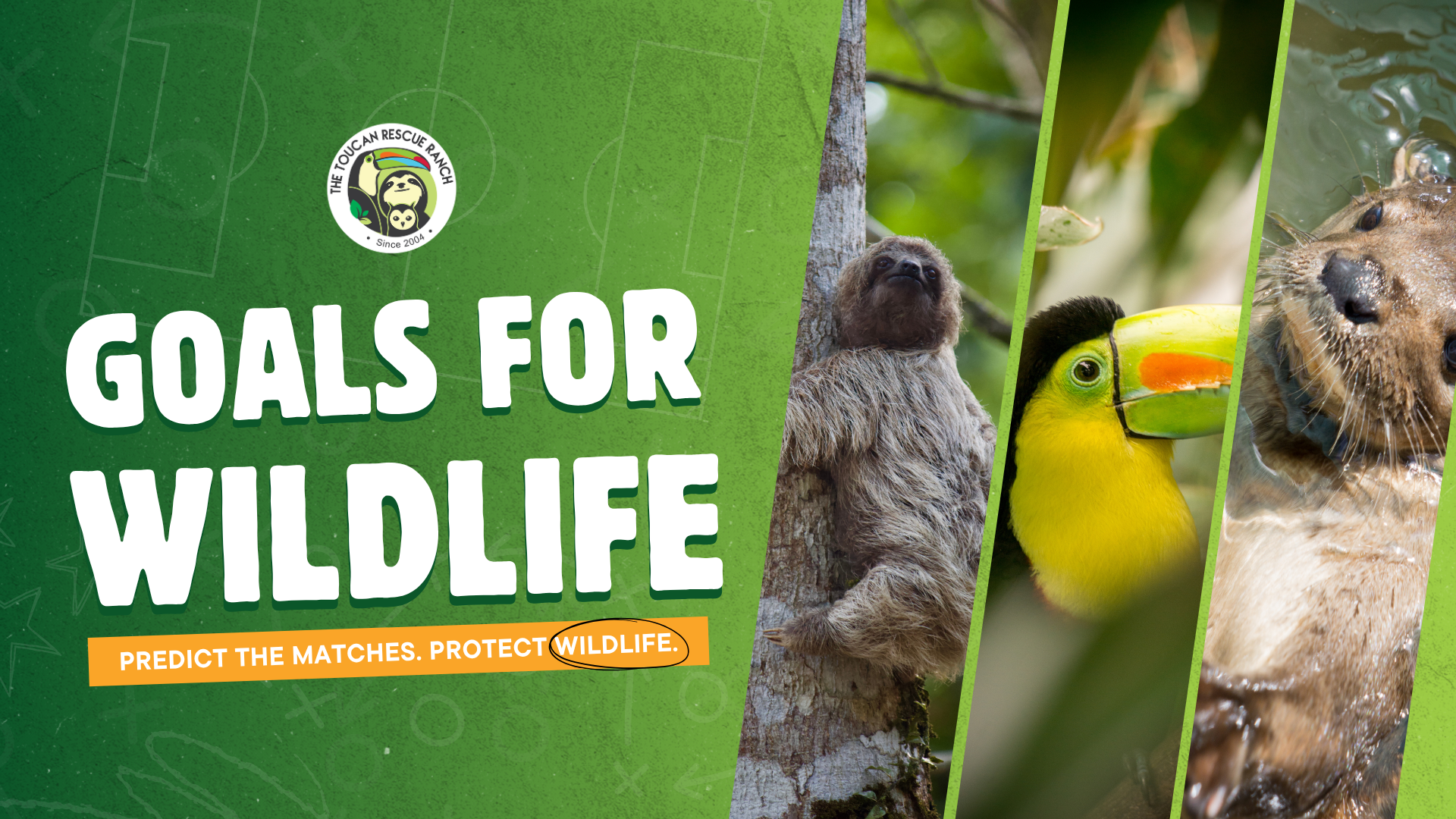
The real-world implications of these points are significant. For instance, a "point" in the game might represent the funding for a day of specialized milk formula for an orphaned sloth or a round of antibiotics for a wounded toucan. By translating abstract game points into concrete medical supplies, the campaign provides donors with a transparent view of how their contributions are being utilized.
Background: The Vital Work of Toucan Rescue Ranch
To understand the necessity of the Goals for Wildlife campaign, one must look at the broader context of wildlife conservation in Costa Rica. Despite its reputation as a global leader in green energy and forest cover, Costa Rica’s wildlife faces escalating threats. Urbanization, the expansion of power lines, and increased road traffic have led to a rise in animal injuries.
The Toucan Rescue Ranch, established in 2004, has evolved from a small rescue center into a sophisticated medical facility. Their "Release Site" in Sarapiquí and their headquarters in Heredia work in tandem to provide a "full-circle" rehabilitation process. This process includes:
- Rescue: Responding to calls from the Ministry of Environment and Energy (MINAE).
- Medical Intervention: Utilizing advanced diagnostics, surgery, and laser therapy.
- Rehabilitation: Providing species-specific enclosures that encourage natural behaviors.
- Rewilding: A rigorous process of ensuring animals can hunt, forage, and protect themselves before being released back into the wild.
The costs associated with this level of care are substantial. A single sloth rehabilitation can take up to two years and cost thousands of dollars in food and medical supervision. Initiatives like Goals for Wildlife are essential for covering these overhead costs without depleting the organization’s emergency reserves.
Analysis of Campaign Implications
The Goals for Wildlife campaign represents a shift in how non-governmental organizations (NGOs) approach fundraising in the digital age. By aligning with a major sporting event, the Toucan Rescue Ranch is utilizing "event-based fundraising" to capture a moment of peak global attention.
From a sociological perspective, the campaign leverages "in-group" dynamics. By assigning participants to teams (e.g., Team Sloth vs. Team Toucan), the initiative creates a micro-community of supporters who feel a personal responsibility for "their" species. This psychological attachment often leads to higher retention rates for donors and a more profound long-term commitment to the cause.
Furthermore, the campaign serves as an educational tool. Each prediction form and update includes facts about the species represented by the teams, the threats they face, and the success stories of animals that have returned to the wild. This ensures that while participants are focused on the football pitch, they are also gaining a deeper understanding of tropical biodiversity.
Timeline and Prize Structure
The campaign follows the official FIFA World Cup schedule, beginning with a pre-tournament registration phase and concluding shortly after the final match.
- Phase 1: Recruitment: Opening of the MightyCause donation portal and team assignments.
- Phase 2: Group Stage: Initial prediction rounds and baseline fundraising.
- Phase 3: Knockout Rounds: High-stakes predictions and "bonus point" donation drives.
- Phase 4: The Final: The culmination of the leaderboard and the announcement of the winning wildlife team.
The prize structure is designed to reward the most dedicated predictors and donors. While the primary "win" is the successful release of animals, TRR has curated prizes for the top three individuals on the leaderboard:
- First Place (Wildlife Champion): Typically includes exclusive experiences such as virtual tours, high-end sustainable merchandise, or symbolic adoption packages.
- Second and Third Place: Recognition on social media platforms and specialized conservation kits.
Conclusion: A Victory for Biodiversity
As the World Cup progresses, the Goals for Wildlife campaign stands as a testament to the power of creative thinking in the non-profit sector. It proves that even in the absence of a national team on the field, a country’s spirit can be represented through its natural wonders.
The ultimate goal of the initiative is to ensure that "wildlife and conservation come out winning." By turning every goal scored in the stadium into a step toward freedom for a rescued animal, the Toucan Rescue Ranch is redefining the relationship between global entertainment and environmental responsibility. For the participants, the thrill of the game is enhanced by the knowledge that their predictions are providing a second chance at life for the unique creatures of the Costa Rican rainforest. Through strategy, teamwork, and the universal language of sport, Goals for Wildlife is scoring a major victory for the planet’s most vulnerable inhabitants.
