
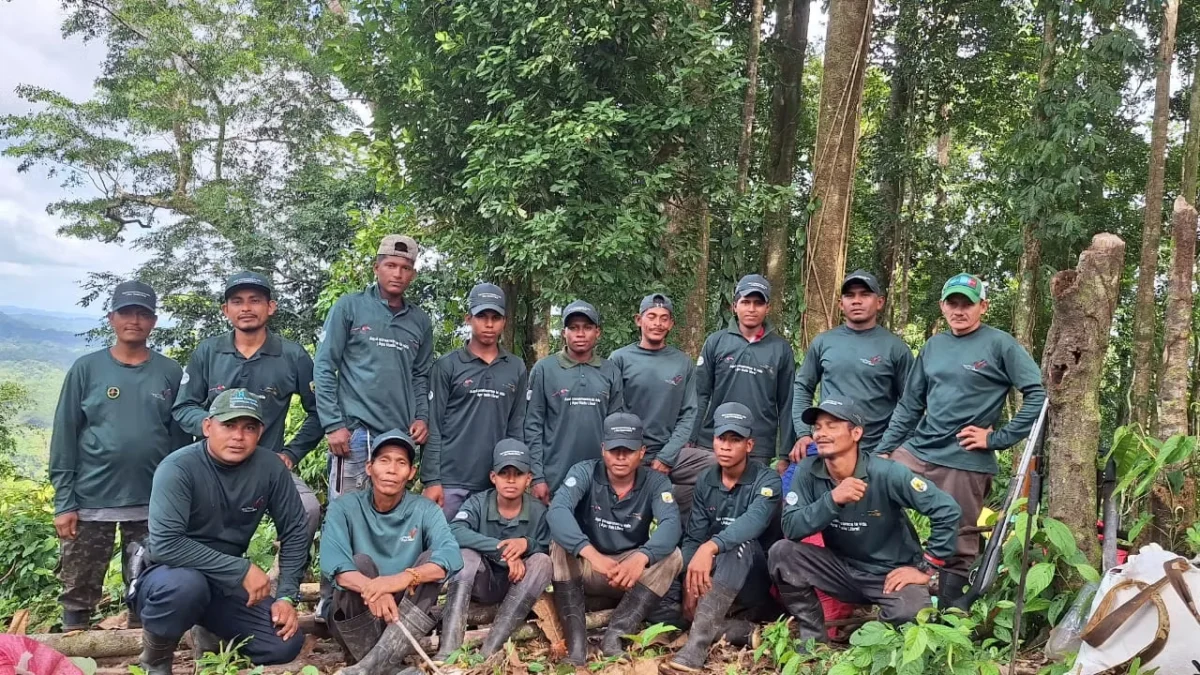
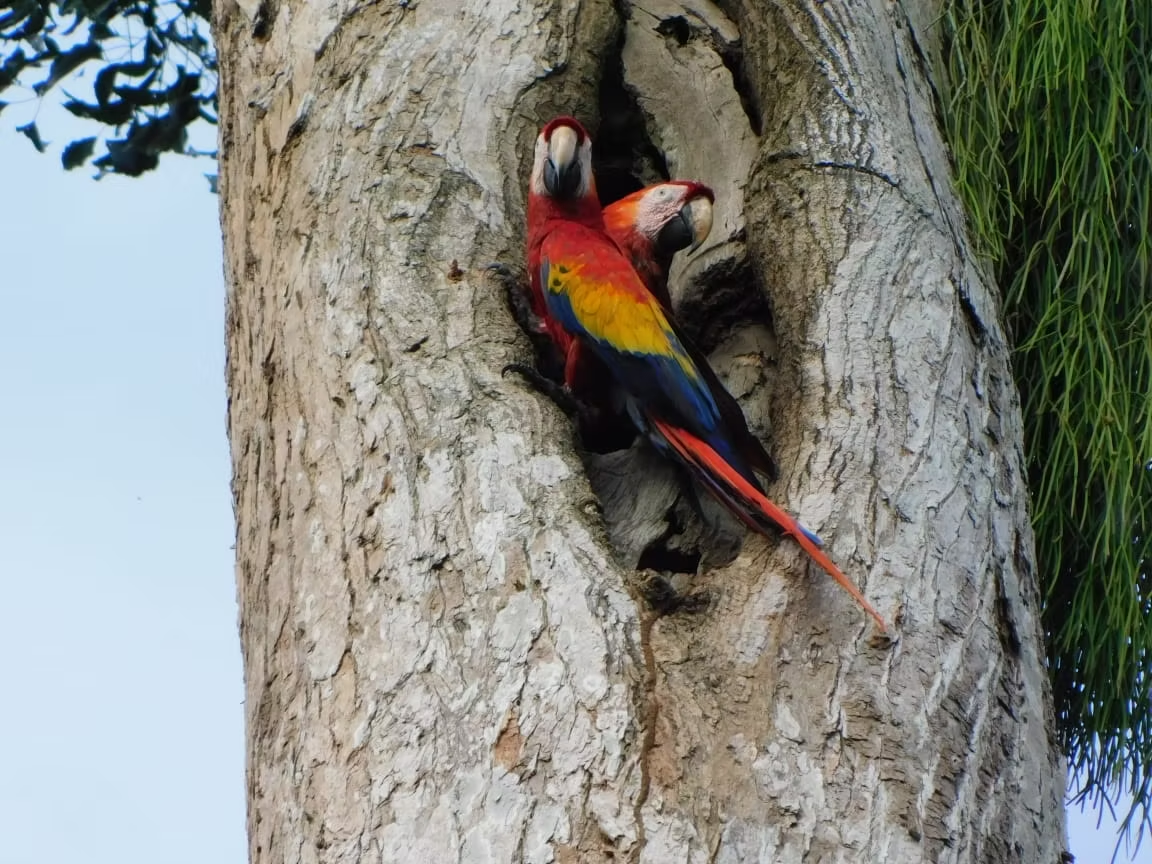
Since 2010, a dedicated partnership between the indigenous peoples of La Moskitia, Honduras, and the environmental organization One Earth Conservation has been tirelessly working to protect the region’s vibrant native macaws and their critical nesting sites. This long-standing collaboration, rooted in mutual respect and a shared commitment to conservation, has yielded significant successes, including the safeguarding of over 1,000 macaw nests from the pervasive threat of poaching and the successful rehabilitation and release of hundreds of these magnificent birds back into their natural habitat. However, the battle for survival is far from over. Despite these commendable achievements, approximately 20% of the nests continue to fall victim to poachers, a stark reminder of the ongoing challenges faced by both the avian population and the dedicated community members who strive to protect them. This persistent threat underscores the urgent need for continued vigilance, increased public awareness, and robust support for the conservation efforts underway in this biologically rich, yet vulnerable, region.
La Moskitia, a vast and ecologically significant area, spans across the borders of Honduras and Nicaragua, representing the second-largest remaining contiguous rainforest in Mesoamerica. This sprawling expanse is a biodiversity hotspot, teeming with an array of unique flora and fauna, including iconic parrot species such as the scarlet macaw (Ara macao) and the great green macaw (Ara ambiguus). These magnificent birds, known for their striking plumage and intelligence, are integral to the ecological balance of the rainforest. The region is also home to several indigenous communities, whose ancestral lands and cultural heritage are intrinsically linked to the natural environment. These communities possess invaluable traditional knowledge about the rainforest and its inhabitants, making them indispensable partners in conservation initiatives.
However, La Moskitia is not without its formidable conservation challenges. The region grapples with a confluence of threats, including the relentless expansion of cattle ranching, which leads to deforestation and habitat fragmentation; the insidious illegal trafficking of both flora and fauna, driven by demand in illegal pet markets and for other illicit purposes; and the destabilizing impact of illegal land grabs, often fueled by external economic interests. These pressures not only endanger the natural ecosystems but also threaten the livelihoods and cultural integrity of the indigenous communities who call La Moskitia home. The vibrant macaw populations, with their high visibility and desirability in the illegal pet trade, are particularly vulnerable to these threats, making their protection a critical indicator of broader conservation success in the region.
Every Nest Counts: A Community’s Vigilance
The phrase "Every Nest Counts" encapsulates the profound significance of each individual nesting site in the broader effort to ensure the survival of macaw populations. For Dr. LoraKim Joyner, a leading figure at One Earth Conservation, this sentiment has guided her work with the La Moskitia villagers for over 15 years. Her dedication to this cause is unwavering, as evidenced by her plans to camp under the trees alongside the villagers during the critical months of March and April. This period marks a particularly vulnerable time for the macaws, as they are nesting and raising their young. Dr. Joyner’s presence, alongside that of the indigenous rangers, signifies a powerful act of solidarity and a commitment to direct action in safeguarding these precious lives.
The success of these conservation efforts hinges on the active participation and unwavering dedication of the local communities. The "Parrot Rangers," as they are often referred to, are the frontline defense against poaching. These individuals, deeply connected to their ancestral lands, undertake arduous patrols, often through dense jungle terrain, to monitor nests and deter potential poachers. Their commitment is often fueled by a deep-seated respect for the macaws, which hold cultural significance and are seen as vital components of their natural heritage. However, the scope of this undertaking is immense, and the resources available are often stretched thin. The constant threat of poaching, coupled with the vastness of the territory, means that the rangers are perpetually in need of additional support, both in terms of personnel and resources.
The vulnerability of the nesting sites during the breeding season is a recurring concern. Poachers, often operating with organized networks, exploit this period to capture young birds, which are highly sought after in the exotic pet trade. The demand for these exotic creatures, driven by a desire for unique pets, directly fuels the illegal trafficking that decimates wild populations. The consequences of such poaching are far-reaching, impacting not only the immediate loss of individual birds but also the long-term viability of macaw populations by disrupting breeding cycles and reducing genetic diversity. The rangers’ efforts are crucial in disrupting these illegal operations, but they require consistent reinforcement and advanced surveillance techniques to effectively combat the sophisticated methods employed by poachers.
A Campaign for Awareness and Action
Recognizing the escalating threats and the urgent need for broader engagement, One Earth Conservation, in collaboration with its indigenous partners, is gearing up for a significant awareness campaign spanning from March through August of this year. This multifaceted initiative aims to illuminate the plight of the threatened parrots of La Moskitia and galvanize global support for their protection. The campaign will feature a series of public demonstrations designed to draw attention to the critical conservation issues at stake. These events will serve as a platform to inform the public about the ecological importance of macaws and the threats they face, fostering a sense of urgency and encouraging action.
A key component of the campaign will be the release of detailed reports offering updates on nest activity and bird sightings. These reports will provide valuable data, showcasing the progress made and highlighting areas where continued intervention is most needed. Such transparency in reporting will not only keep stakeholders informed but also demonstrate the tangible impact of conservation efforts. Furthermore, the campaign will leverage the power of digital platforms by hosting online Facebook and Zoom meetings. These virtual gatherings will offer a unique opportunity for the public to engage directly with indigenous conservationists, allowing for firsthand accounts of the challenges and triumphs on the ground. This direct line of communication aims to foster a deeper understanding and connection between global audiences and the local communities on the front lines of conservation.
The campaign will also delve into profound themes such as "Unconditional Solidarity" and "Transformative Conservation." "Unconditional Solidarity" emphasizes the unwavering support and mutual respect between One Earth Conservation and the indigenous communities, recognizing their vital role as custodians of the rainforest. "Transformative Conservation" speaks to the broader vision of a conservation model that not only protects biodiversity but also empowers local communities, respects their rights, and fosters sustainable development. By exploring these themes, the campaign seeks to inspire a new paradigm in conservation, one that is holistic, equitable, and driven by genuine partnership.
The Call for Global Support
The immense task of protecting the biodiversity of La Moskitia cannot be shouldered by One Earth Conservation and the indigenous villagers alone. Their dedication and hard work are the bedrock of these conservation efforts, but they require a global chorus of support to achieve lasting success. The campaign’s organizers are issuing a clear call to action, urging individuals worldwide to contribute in any way they can. Spreading awareness through social media platforms is a critical first step. By sharing information about the "Unconditional Solidarity" movement and the urgent need to protect these threatened parrots, individuals can amplify the message and reach a wider audience. Each share, each post, contributes to building momentum and raising the profile of this vital conservation cause.
Financial contributions are also essential. Donations, no matter the size, can have a tangible impact on the ground. These funds can be used to support the "Parrot Rangers," providing them with much-needed resources such as protective gear, communication equipment, and logistical support for their patrols. Furthermore, donations can contribute to community-led conservation programs, education initiatives for local youth, and the ongoing research and monitoring efforts necessary to effectively manage and protect macaw populations. The "Transformative Conservation" model emphasizes that financial support should directly benefit the communities involved, ensuring their active participation and long-term commitment to conservation.
For those seeking a more immersive and direct way to contribute, the possibility of joining the team in Honduras is also being offered. This presents an extraordinary opportunity for individuals to witness firsthand the challenges and rewards of conservation work in La Moskitia. By volunteering their time and skills, individuals can directly assist the rangers, participate in community outreach programs, and contribute to the vital efforts of One Earth Conservation. This hands-on experience can foster a profound connection to the cause and inspire a lifelong commitment to environmental stewardship.
To facilitate engagement and provide a clear pathway for interested individuals, an "Interest Form" has been made available. This simple yet effective tool allows those who wish to learn more about how they can help, whether online or in person, to register their interest. The form serves as a crucial bridge, connecting potential supporters with the information and opportunities they need to become actively involved. The organizers are committed to responding to all inquiries promptly, ensuring that every expression of interest is met with clear guidance and support.
In a testament to their commitment, Lafeber, a prominent organization in the veterinary and avian health sector, has announced that this month’s donation will be directed towards supporting additional patrollers. This crucial funding will enable the deployment of more rangers during the current breeding season, significantly enhancing the capacity to protect the parrots and their nests. This direct financial contribution underscores the critical need for resources to bolster on-the-ground protection efforts. Dr. Joyner’s powerful quote, "Consider taking risks as these people have, because everything is at risk," serves as a poignant reminder of the dedication and courage displayed by the indigenous communities of La Moskitia. Their commitment to safeguarding their natural heritage, in the face of significant challenges, is an inspiration and a call to action for the global community. The future of these magnificent birds, and the rich biodiversity of La Moskitia, depends on our collective willingness to stand in solidarity and embrace the principles of transformative conservation.