
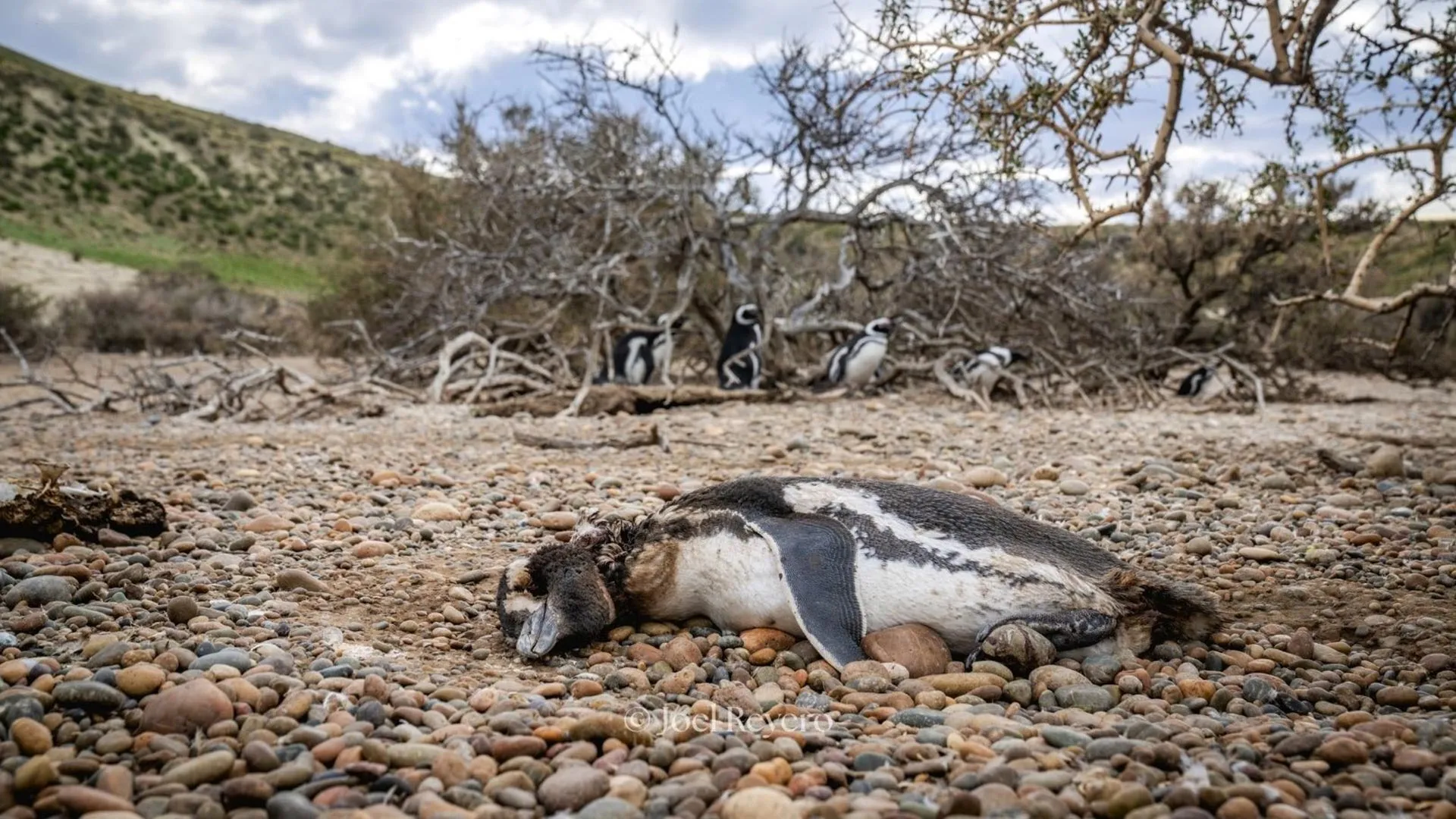
The question of whether conservation efforts should prioritize the protection of one iconic species, even if it potentially harms another, particularly within landscapes still recovering from extensive human activity, lies at the core of a burgeoning conservation challenge at Monte Leon National Park on Argentina’s Patagonian coast. This complex scenario not only underscores the intricate dynamics of ecological restoration but also highlights the unforeseen consequences that can arise when long-separated species are brought into contact within rapidly changing environments. The ongoing situation in Monte Leon offers a compelling, real-world case study for conservationists globally grappling with the nuances of rewilding and ecosystem management.
A Landscape in Flux: The Historical Context of Monte Leon
For decades, the Patagonian coast, including the area now encompassed by Monte Leon National Park, bore the indelible marks of human exploitation. Extensive cattle ranching, a dominant economic activity throughout the 20th century, profoundly altered the region’s ecosystems. The presence of large herds necessitated the systematic eradication of native predators, most notably the puma ( Puma concolor), which were perceived as a threat to livestock. This sustained campaign effectively extirpated pumas from vast swathes of their historic range in southern Argentina, fundamentally reshaping the local food web and predator-prey relationships.
The cessation of large-scale cattle ranching in the region around 1990 marked a significant turning point. With the removal of human pressure and the gradual recovery of natural habitats, pumas, resilient and adaptable predators, slowly but steadily began to reclaim their ancestral territories. This natural recolonization process, a testament to the power of ecological recovery when human interference diminishes, was largely celebrated as a conservation success, signifying the return of a crucial apex predator to an ecosystem from which it had been absent for generations.
Concurrently, another significant ecological shift had occurred. Magellanic penguins (Spheniscus magellanicus), charismatic seabirds endemic to the coasts of South America, had, over many decades, expanded their breeding colonies from offshore islands to the mainland. This migration was a direct consequence of the absence of terrestrial predators. On the mainland, free from the threat of pumas, foxes, or other large carnivores, these penguins found abundant nesting sites, reduced competition, and what appeared to be a safer environment for raising their young. Their colonies flourished, becoming a major draw for wildlife tourism and a vital component of the coastal ecosystem. The stage was thus set for an unprecedented ecological encounter: the returning pumas and the now-mainland nesting penguins.
Monte Leon National Park: A Sanctuary for Study
Established in 2004, Monte Leon National Park represents a critical conservation area along Argentina’s Patagonian coast. Spanning over 62,000 hectares of diverse marine and terrestrial habitats, it is Argentina’s first coastal national park, safeguarding a rich tapestry of biodiversity, including significant populations of marine mammals, seabirds, and unique Patagonian steppe flora and fauna. The park’s creation was a landmark achievement, designed to protect not only the iconic Magellanic penguin colonies but also sea lion and sea elephant rookeries, as well as the coastal steppe environment vital for species like guanacos and armadillos.
However, the park’s status as a recovering ecosystem also makes it a living laboratory for understanding complex ecological interactions. Its designation provided the framework for rigorous scientific investigation into the long-term effects of human activity and subsequent restoration. It was within this context that researchers began to observe the emerging interaction between the re-establishing puma population and the long-established mainland penguin colonies. Initial observations indicated that pumas were indeed preying on penguins, but the extent and ecological implications of this novel interaction remained largely unknown, prompting a dedicated, long-term monitoring effort.
Unveiling the Scale: A Decade of Dedicated Research
Since the park’s inception in 2004, the penguin colonies at Monte Leon have been under the watchful eyes of dedicated researchers. Scientists from the Centro de Investigaciones de Puerto Deseado (CIPD) of the Universidad Nacional de la Patagonia Austral, working hand-in-hand with the experienced rangers of Monte Leon National Park, initiated a comprehensive monitoring program. This collaboration underscored the importance of integrating scientific inquiry with on-the-ground conservation management.
A pivotal phase of this research spanned a four-year period, from 2007 to 2010. During this time, teams meticulously patrolled the penguin colonies, documenting every penguin carcass found and carefully assessing signs of predation, specifically looking for evidence consistent with puma attacks. This painstaking fieldwork provided the foundational dataset for understanding the immediate impact of puma recolonization on penguin populations.
To delve deeper into the long-term implications and broader ecological context, the CIPD team subsequently forged a partnership with researchers from Oxford University’s Wildlife Conservation Research Unit (WildCRU). This international collaboration brought advanced analytical capabilities and a global perspective to the study, allowing for a robust interpretation of the collected data and the application of sophisticated population models. The joint effort aimed to move beyond mere observation to a comprehensive understanding of how this novel predator-prey relationship might shape the future of both species within the recovering Patagonian ecosystem.
The Staggering Toll: Thousands of Penguins Succumb to Predation
The analysis of the extensive carcass data by the joint research team yielded startling results. Utilizing sophisticated estimation techniques based on the observed carcass counts, researchers concluded that over 7,000 adult Magellanic penguins were killed by pumas during the four-year study period (2007-2010). This figure represents a significant impact on the local penguin population, which at the time was estimated to be around 93,000 breeding individuals, meaning approximately 7.6% of the adult population was lost to puma predation within this relatively short timeframe.
A particularly striking observation was that many of the killed penguins were only partially eaten or, in some cases, not eaten at all. This pattern suggested that the killings were not solely driven by hunger or the immediate need for sustenance. Melisa Lera, lead author of the study and a postgraduate student at WildCRU, Oxford University, eloquently described this phenomenon: "The number of carcasses showing signs of predation we found in the colony is overwhelming, and the fact that they were left uneaten means pumas were killing more penguins than they required for food. This is consistent with what ecologists describe as ‘surplus killing’."
Surplus killing, also known as excessive killing or superkilling, is a well-documented behavior in various predators, particularly when prey is abundant, easily accessible, or highly vulnerable. Lera drew a relatable parallel, noting, "It is comparable to what is seen in domestic cats when prey are abundant and/or vulnerable: ease of capture can lead to cats hunting more birds, even when they do not end up actually eating them." The relative lack of defenses among mainland penguins, who had evolved in an environment free of large terrestrial predators, made them exceptionally easy targets for the powerful and opportunistic pumas. The initial findings raised significant concerns among conservationists about the long-term viability of the Monte Leon penguin colony. The immediate question became: could this level of predation, characterized by surplus killing, threaten the very persistence of the colony?
Beyond Predation: Unraveling Population Dynamics
To address the critical question of the colony’s future, the research team employed sophisticated population models. These models allowed them to simulate various scenarios, integrating the observed predation rates with other known demographic factors influencing penguin populations. The results offered a nuanced and somewhat unexpected perspective: puma predation, while significant, was unlikely to be the sole factor driving the Monte Leon penguin colony to extinction.
Instead, the models consistently pointed to other ecological factors as far more influential in determining the long-term stability and survival of the penguin population. Chief among these were breeding success—the number of chicks successfully hatched and fledged per breeding pair—and, crucially, the survival rate of juvenile penguins from fledging to adulthood. These intrinsic demographic parameters, reflecting the colony’s ability to replenish itself, proved to be the primary determinants of population trajectory.
Extinction of the Monte Leon colony was projected only in highly hypothetical and extreme scenarios. Specifically, these models indicated that extinction would occur only if juvenile survival rates plummeted to critically low levels, with approximately 20% or fewer failing to reach adulthood, combined with extremely poor reproductive output, such as a maximum of only one chick successfully raised per pair. In such dire circumstances, the high levels of puma predation would indeed exacerbate the decline, accelerating the colony’s path towards extinction. However, crucially, puma predation was not identified as the primary or sole cause. This finding shifted the focus from solely managing predator-prey interactions to a broader understanding of ecosystem health and the myriad pressures affecting penguin populations.
Dr. Jorgelina Marino, a co-author of the study also from WildCRU, Oxford University, emphasized the broader implications of these findings: "This study captures an emerging conservation challenge, where recovering carnivores are encountering novel prey. Understanding how these dietary shifts affect both predators and prey is essential to inform conservation." Her statement underscores the necessity of a holistic and adaptive approach to conservation in dynamic, recovering ecosystems.
The Shadow of Climate Change and Broader Environmental Pressures
The findings from Monte Leon underscored a critical truth: the fate of the Magellanic penguins, much like countless other species globally, is intricately tied to the health of their broader environment, particularly in the face of accelerating climate change. Since breeding success and juvenile mortality emerged as the most critical determinants of population stability, researchers emphasized the urgent need to understand how large-scale environmental conditions, often exacerbated by climate change, impact penguin reproduction and survival.
Magellanic penguins rely heavily on a stable and abundant food supply, primarily small schooling fish like anchovies and sardines, as well as squid. Oceanographic changes, driven by rising sea temperatures, altered current patterns, and increased ocean acidification, can profoundly disrupt marine food webs. Shifts in prey distribution, abundance, and nutritional quality directly affect the penguins’ ability to find enough food for themselves and their chicks. For instance, warmer waters can force prey species into deeper, cooler waters or further offshore, increasing the energetic costs for foraging penguins and reducing the amount of food brought back to the nests. This can lead to lower chick growth rates, higher chick mortality, and reduced overall breeding success.
Moreover, extreme weather events, such as unusually heavy rainfall or prolonged heatwaves, which are becoming more frequent and intense due to climate change, can devastate ground-nesting seabird colonies. Flooding can destroy nests and drown chicks, while heat stress can lead to dehydration and mortality, especially among vulnerable juveniles. Changes in sea ice extent and ocean currents can also impact migratory routes and foraging grounds, further stressing penguin populations already facing numerous challenges. The cumulative effect of these climate-driven factors on nutrient availability, food supply, and temperature regulation presents a far more existential threat to the Monte Leon penguin colony than puma predation alone.
An Emerging Global Conservation Dilemma
The specific challenge unfolding in Monte Leon National Park is not an isolated incident but rather a potent illustration of a broader, emerging global conservation dilemma. As ecosystems recover and species distributions shift—often influenced by human-induced changes and subsequent conservation efforts—previously separated species are increasingly encountering one another, sometimes with unforeseen and complex consequences.
Across the globe, similar scenarios are playing out. In the southeastern United States, the recovery of sea turtle populations, particularly loggerheads, faces a novel threat from expanding populations of non-native feral hogs (Sus scrofa). These highly adaptable omnivores have become major predators of sea turtle eggs along the Georgia coast and other nesting beaches, digging up nests and consuming entire clutches, thereby undoing decades of conservation work.
Similarly, in eastern North America, coyotes (Canis latrans) are expanding their range onto coastal barrier islands. These islands, historically isolated from large terrestrial predators, provide critical nesting habitats for various ground-nesting birds and sea turtles. The arrival of coyotes introduces a new, highly effective predator to these fragile ecosystems, altering long-established predator-prey dynamics and posing a significant threat to vulnerable coastal species.
Even in regions where rewilding efforts are actively introducing apex predators, careful consideration of novel interactions is paramount. For example, the reintroduction of wolves in parts of Europe has been largely successful, but it occasionally leads to conflicts with livestock or unexpected pressures on certain prey species that may not have evolved alongside large carnivores in centuries. The Monte Leon case serves as a stark reminder that while the return of apex predators is often a conservation triumph, it also necessitates a deep understanding of the cascading effects and adaptive management strategies.
The Imperative of Continued Monitoring and Adaptive Management
Given the complex interplay of factors influencing the Monte Leon penguin colony, the authors of the study strongly emphasize that ongoing, rigorous monitoring is not merely beneficial but absolutely essential. Continuous tracking of both puma and penguin populations is critical to detect early warning signs of population decline, identify emerging threats, and understand the subtle shifts in ecological dynamics before irreversible damage occurs. This includes monitoring puma numbers, their movements, and their dietary habits, as well as closely tracking penguin breeding success, juvenile survival rates, and the health of their marine food sources.
This data-driven approach is fundamental to implementing adaptive management strategies—conservation actions that are flexible and can be adjusted based on new scientific information and changing environmental conditions. At Monte Leon National Park, authorities are committed to this adaptive framework. Potential management interventions, if deemed necessary, could range from non-lethal deterrents to reduce puma access to particularly vulnerable penguin nesting areas, to habitat enhancements aimed at improving penguin breeding success, such as creating more secure nesting sites. Crucially, addressing the broader threats posed by climate change to marine ecosystems and food availability will require regional and global conservation efforts beyond the park’s boundaries.
The Monte Leon case provides invaluable lessons for conservation practitioners worldwide. It highlights that ecosystem recovery is rarely a straightforward process. The re-establishment of historical ecological relationships can bring forth new challenges, particularly when species have adapted to altered environments over long periods. Effective conservation in the 21st century demands a nuanced understanding of these complexities, a commitment to long-term scientific monitoring, and the flexibility to implement adaptive management strategies that consider the interconnectedness of all life within a dynamic and ever-changing world. The delicate balance in Patagonia serves as a powerful reminder that restoring nature often means navigating an intricate web of unforeseen consequences, requiring continuous vigilance and a deep scientific commitment.