
A groundbreaking scientific paper published in the esteemed journal Science is poised to revolutionize how climate action is prioritized and accelerated, drawing significant attention to one of the planet’s most potent yet frequently overlooked climate solutions: the restoration and rewetting of peatlands. The study introduces a novel "wedge" framework, a universally applicable unit of mitigation effort, designed to simplify complex climate strategies and foster greater public understanding and engagement.
The Wedge Framework: Simplifying Climate Mitigation
The "wedge" concept, widely recognized in climate modeling, represents a substantial unit of emissions reduction. Each wedge, as defined in the new study, signifies an action capable of reducing global emissions by 4%, equivalent to approximately 2 billion tonnes of CO2 equivalent per year by 2050. This unit allows for the direct comparison of diverse mitigation strategies, ranging from the widespread adoption of renewable energy sources like solar power and the reduction of carbon-intensive activities such as air travel, to the expansion of forest cover and, crucially, the restoration of peatland ecosystems.
The authors of the study emphasize that this framework is intended to democratize climate policy discussions, moving them beyond the exclusive domain of energy modelers. In an era where ambitious net-zero targets are encountering increasing resistance due to concerns over energy costs, economic livelihoods, and national security, the paper argues that public trust hinges on the transparency and accessibility of climate choices. By presenting climate pathways in a digestible format, the research aims to empower a broader audience to participate meaningfully in the debate and decision-making processes.
Peatlands Emerge as a Powerful, Underestimated Climate Lever
Amidst the well-established climate mitigation strategies, the Science paper highlights that some of the most impactful solutions remain largely in the shadows. Among these, investing in the health of peatlands is identified as one of the 36 most effective climate mitigation strategies. The study demonstrates that peatland protection, restoration, and rewetting initiatives can deliver climate benefits on a scale comparable to much larger and more visible interventions, all while requiring a significantly smaller land footprint.
The research quantifies the potential of peatland restoration by illustrating that achieving one full "wedge" of mitigation by 2050 is possible by halting the drainage of tropical peatlands and restoring 90% of currently drained tropical peatland areas. This ambitious target encompasses approximately 18 million hectares, an area roughly equivalent to the size of Cambodia. The scale of emissions reduction achieved through this initiative is on par with many headline-grabbing climate solutions, yet it demands considerably less land than alternatives such as large-scale afforestation projects.
The Carbon Sink Powerhouse: Understanding Peatland Dynamics
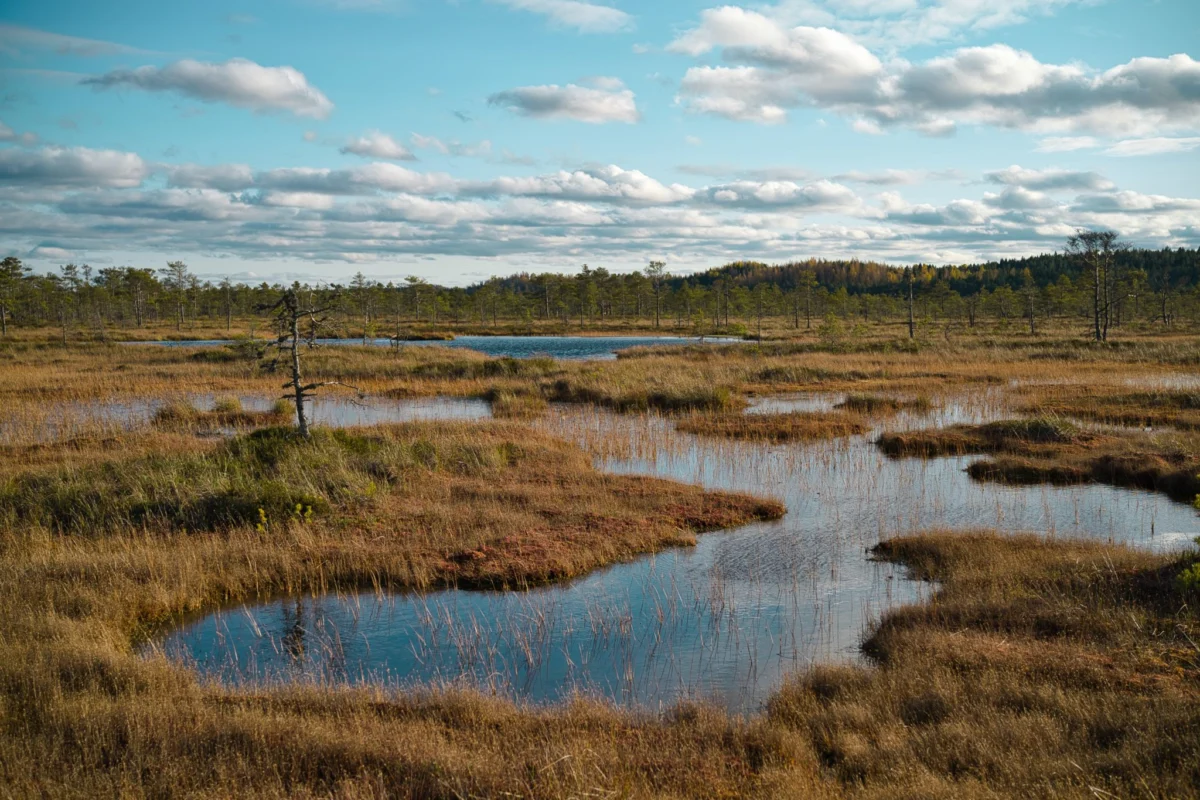
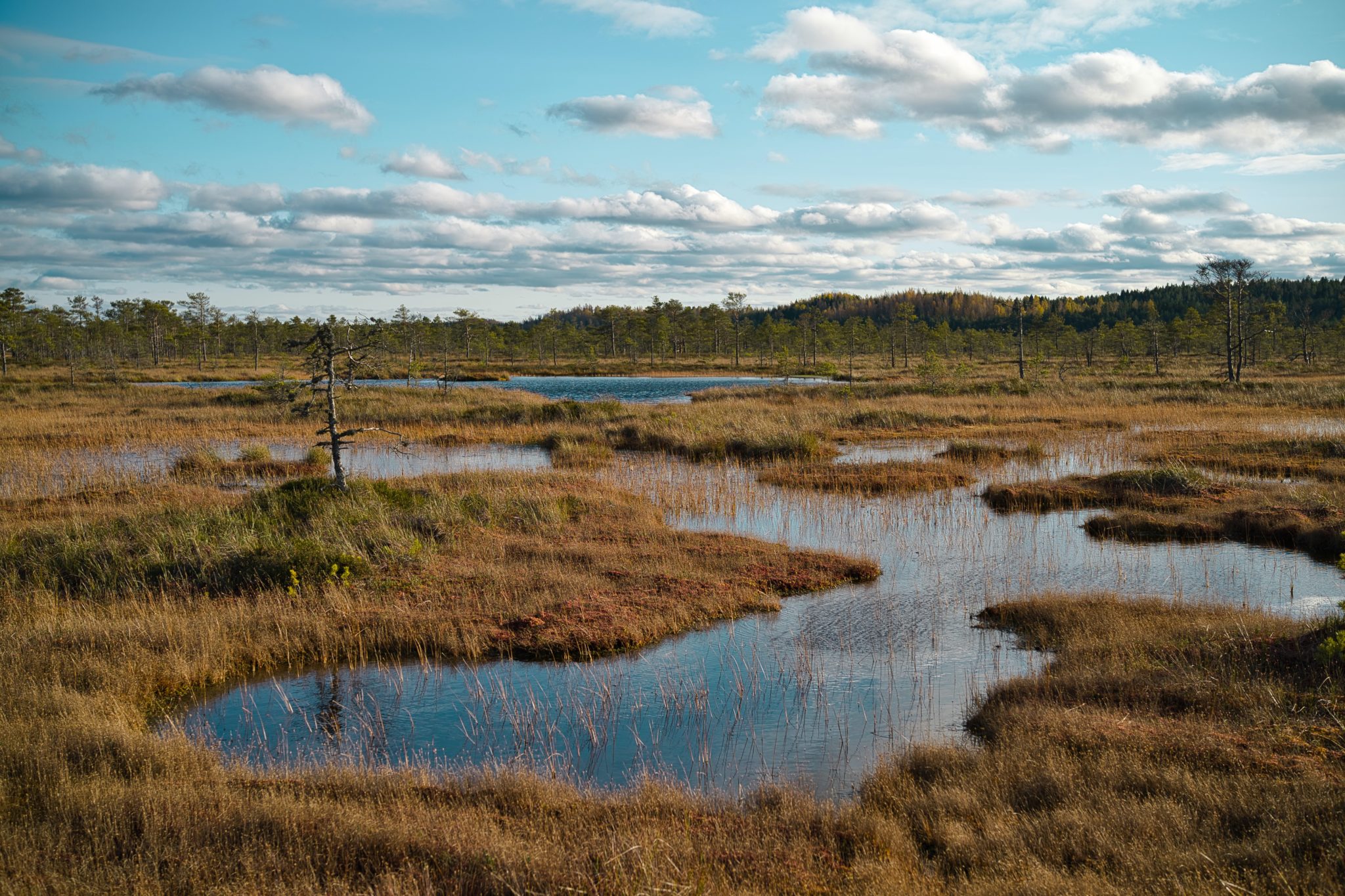
Peatlands are recognized as some of the planet’s most carbon-dense ecosystems. When maintained in their natural, waterlogged state, they act as immense carbon sinks, accumulating and storing vast quantities of organic matter over millennia. However, this vital function is severely compromised when peatlands are drained for agricultural, forestry, or other land-use purposes. Once drained, the exposed peat soils undergo oxidation, releasing their stored carbon into the atmosphere and transforming these critical carbon sinks into significant sources of greenhouse gas emissions. Consequently, rewetting degraded peatlands is an indispensable strategy for curbing these emissions, mitigating the risk of wildfires, and initiating the process of ecological recovery.
Dr. Nathan Johnson, a Research Associate at Imperial College London and a lead author of the study, underscored the unique significance of peatlands: "Peatlands cover only a few percent of Earth’s land, yet they store twice as much carbon as all the world’s forests," he stated. "When land footprint is an important bottleneck for climate action, protecting and restoring peatlands is one of the most powerful ways to cut emissions without competing for vast areas of land."
Eva Hernandez, Global Peatlands Lead for Wetlands International, echoed this sentiment, describing peatlands as "the world’s unsung climate champions." She added, "We’ve been banging away about their huge mitigation potential for years, and this paper shows clearly why governments, businesses, and funders should invest in safeguarding and restoring healthy peatlands. As an added bonus, wet, healthy peatlands also enhance water security, reduce wildfires, mitigate floods and drought, and boost unique biodiversity."
A Timeline of Action and a Call for Investment
The publication of this seminal paper coincides with the impending launch of "The Peatland Breakthrough," a major global initiative aimed at accelerating investment and scaling up peatland action worldwide. The study provides a robust climate rationale, empowering countries and corporations to pledge their support for this critical initiative. The urgency for such action is underscored by the ongoing degradation of peatlands, with significant areas being drained annually, particularly in tropical regions, leading to substantial carbon emissions. Historically, peatland degradation has been driven by land conversion for palm oil, pulpwood plantations, and agriculture, with the most pronounced impacts observed in Southeast Asia.
The research is particularly relevant in the current policy landscape, where climate discussions often gravitate towards high-profile technological solutions such as battery storage, nuclear power, carbon capture, and direct air capture. The Science paper effectively demonstrates that many solutions with comparable climate impacts manifest very differently in practical implementation, and that some of the most potent levers for change are already within reach, often overlooked.
Comparative Climate Impacts: Revealing Hidden Efficiencies
To further illustrate the power of diverse mitigation strategies, the study provides striking comparisons. For instance, it reveals that reducing global meat consumption by 30% would yield the same climate impact as cutting passenger air travel by 70%. Similarly, reducing global food loss and waste by 51% would deliver one "wedge" of emissions reduction, a feat that would require nearly full decarbonization of the global cement production industry to achieve the same effect.

These comparisons not only highlight the magnitude of action required but also underscore that no single pathway leads to a secure climate future. The paper estimates that approximately 20 wedges are necessary to keep the global temperature rise within the 1.5°C target relative to current policy trajectories. Crucially, the study identifies over 6 trillion possible combinations of strategies that could collectively achieve this essential goal, emphasizing the flexibility and diversity of climate solutions.
The Interactive Tool: Empowering Public Agency
Complementing the research paper, the scientists have launched an interactive online platform, climatewedges.com. This tool empowers individuals to construct their own decarbonization pathways, facilitating the comparison of options across various sectors, including energy, transport, food, buildings, industry, and land use.
Dr. Johnson articulated the fundamental objective behind this initiative: "People should have agency over how they live and what they vote for, but must be able to compare options to do so." This emphasis on public agency is crucial for fostering informed decision-making and building broader societal consensus on climate action.
Peatland Restoration: A Central Climate Strategy
The framing provided by the "wedge" framework is particularly powerful for peatlands. It elevates rewetting and restoration from niche conservation efforts to central climate strategies that warrant significantly greater attention and investment. Peatland restoration offers immediate emission reductions by halting further degradation, while simultaneously delivering a cascade of co-benefits. These include enhanced water security, improved livelihoods for local communities, increased resilience to wildfires and droughts, and the protection of unique biodiversity.
The study also serves as a vital reminder that climate mitigation portfolios are not inherently additive; various strategies can compete for limited resources such as land, biomass, materials, or clean electricity. This reality makes peatland restoration an even more compelling proposition. Compared to many other land-based climate solutions, it offers disproportionately high returns from relatively modest land areas.
As governments worldwide refine their climate action plans and societies grapple with defining pathways that are equitable, feasible, and effective, this new "wedge" framework provides a clearer lens through which to view the choices ahead. For these choices to be credible and impactful, the crucial role of peatlands in the global climate mitigation portfolio must be unequivocally recognized and acted upon. Restoring and rewetting peatlands stands as one of the most effective means not only to avert emissions from degraded landscapes and sequester atmospheric carbon but also as a prime example of how nature-based solutions can deliver substantial climate impact at scale. The scientific validation provided by this Science paper is expected to catalyze a significant shift in global climate policy and investment priorities.