
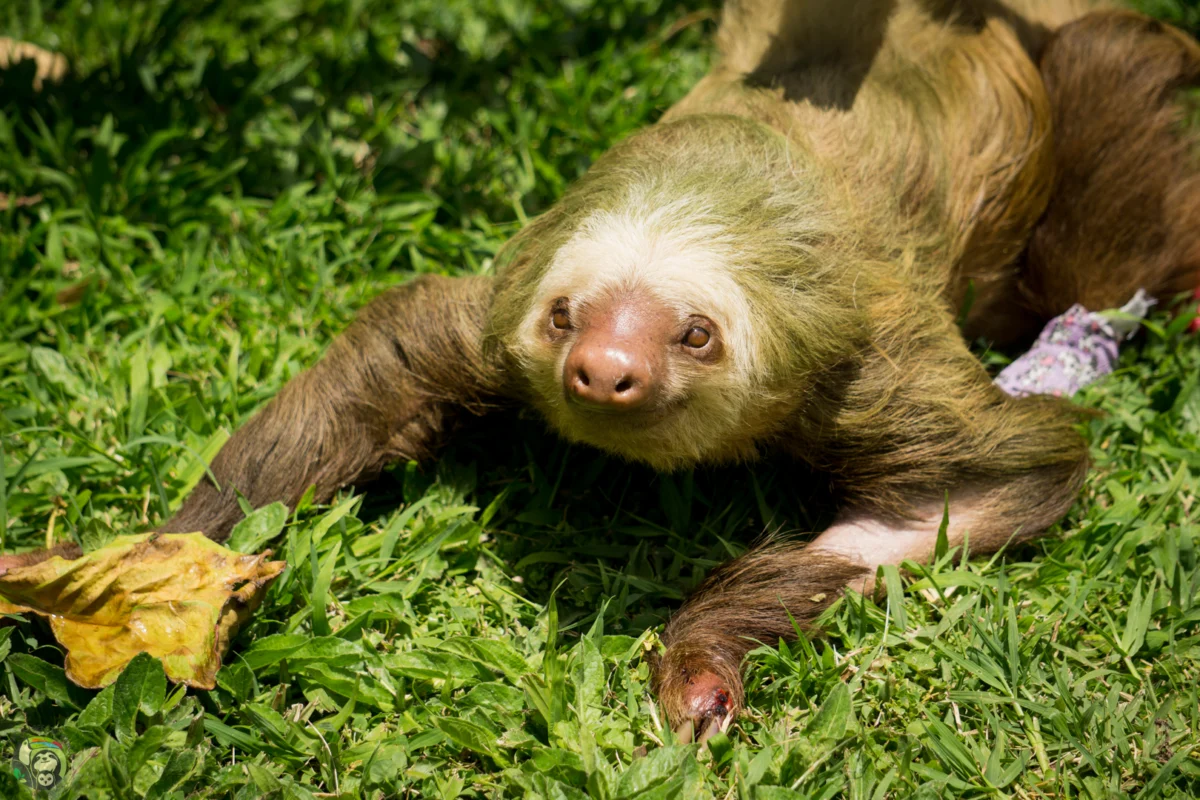
Located in the lush, biodiverse landscape of Costa Rica’s Central Valley, the Toucan Rescue Ranch (TRR) has emerged as a global leader in the field of wildlife medicine and ecological stewardship. Established with a mission to rescue, rehabilitate, and release the nation’s diverse fauna, the facility operates a sophisticated veterinary complex dedicated to treating animals that have fallen victim to anthropogenic threats, habitat fragmentation, and natural ailments. As Costa Rica continues to position itself as a pioneer in environmental conservation, the work performed at TRR provides a critical safety net for the country’s biological heritage, combining compassionate care with rigorous scientific protocols and state-of-the-art medical technology.
The Evolution of Wildlife Medicine in the Central Valley
The Toucan Rescue Ranch was founded in 2004 by Leslie Howle, initially as a sanctuary for rescued toucans. However, the pressing need for specialized medical intervention for a broader range of species—including sloths, owls, monkeys, and wild cats—necessitated a rapid expansion of its clinical capabilities. Today, the facility stands as a high-functioning wildlife hospital that manages hundreds of cases annually. The evolution of the ranch from a small-scale rescue center to a comprehensive medical facility reflects a broader trend in global conservation: the transition toward "One Health" initiatives, which recognize that the health of wildlife, humans, and the environment are inextricably linked.
The clinic at TRR is designed to meet the unique physiological requirements of neo-tropical species. Unlike domestic veterinary practices, wildlife medicine requires an intimate understanding of species-specific metabolic rates, stress responses, and anatomical nuances. For instance, the anesthesia protocols for a three-toed sloth differ significantly from those used for a bird of prey or a small feline like an oncilla. By focusing on these specialized fields, the ranch ensures that each patient receives care that is not only life-saving but also conducive to a successful eventual return to the wild.
Comprehensive Clinical Assessment and Diagnostic Excellence
The medical journey for any animal entering the Toucan Rescue Ranch begins with a rigorous triage process. Given that many residents arrive following traumatic events—such as vehicle strikes, electrocutions on uninsulated power lines, or attacks by domestic pets—the initial assessment is a race against time. The veterinary team employs a suite of diagnostic tools, including digital radiography, ultrasonography, and comprehensive hematology. These tests allow clinicians to identify internal hemorrhaging, bone fractures, and underlying infections that may not be immediately apparent during a physical examination.
Diagnostic imaging is particularly vital in cases involving Costa Rica’s turtle populations. Injuries to the carapace or plastron (the upper and lower shell) require precise surgical alignment to ensure the animal’s long-term survival. By utilizing advanced imaging, the veterinary team can assess the depth of shell fractures and determine if internal organs have been compromised. This data-driven approach allows for the creation of customized treatment plans, ensuring that interventions are targeted and effective.
Specialized Surgical Interventions and Exotic Medicine
Once a diagnosis is established, patients often move into the surgical suite. The Toucan Rescue Ranch has invested heavily in technology that mirrors human neonatal and intensive care units. Specialized surgical procedures range from orthopedic repairs—utilizing pins and wires to mend broken wings or limbs—to soft tissue surgeries aimed at repairing lacerations.
A notable area of expertise at the ranch is avian medicine. Birds, particularly toucans and parrots, have highly efficient but sensitive respiratory systems, making anesthesia a high-risk endeavor. The TRR veterinary team utilizes specialized monitoring equipment to track oxygen saturation and heart rates in real-time, allowing for complex procedures to be performed with a higher margin of safety. Furthermore, the ranch has pioneered the use of innovative materials in wildlife repair, such as using specialized resins to stabilize fractured turtle shells, a process that requires both medical knowledge and a degree of structural engineering.
The Path to Recovery: Habituation-Sensitive Rehabilitation
Medical stabilization is only the first phase of the ranch’s comprehensive care model. The rehabilitation phase is where the "rescue" truly transitions into "ranch" life. Recovery enclosures at TRR are meticulously designed to simulate the natural habitats of the residents. For arboreal species like sloths and spider monkeys, this means providing complex climbing structures that encourage the rebuilding of muscle mass and coordination. For predatory birds, large flight aviaries allow for the assessment of flight mechanics and hunting capabilities.
A critical component of this phase is the minimization of human contact. To prevent "imprinting"—a psychological state where a wild animal becomes accustomed to or dependent on humans—the staff employs strict protocols. This is essential for the "Release" portion of the TRR mission. Animals that lose their natural fear of humans are at a much higher risk of being poached or entering into conflict with local communities once they return to the wild. The rehabilitation process is therefore as much about psychological conditioning as it is about physical healing.
Preventative Medicine and Biosecurity Protocols
In a sanctuary environment where multiple species are housed in proximity, the risk of disease transmission is a constant concern. The Toucan Rescue Ranch maintains stringent preventative medicine protocols to safeguard the health of both its permanent residents and its temporary patients. This includes routine screenings for parasites, regular vaccinations where applicable, and strict quarantine procedures for new arrivals.
Biosecurity is further maintained through rigorous cleaning schedules and the use of specialized disinfectants that are safe for exotic animals but effective against tropical pathogens. By prioritizing preventative care, the ranch reduces the likelihood of outbreaks that could devastate vulnerable populations. This proactive stance is a hallmark of the facility’s commitment to high-standard veterinary ethics.
Nutritional Science as a Pillar of Recovery
Nutrition is often the "silent partner" in wildlife rehabilitation. Each species at the Toucan Rescue Ranch requires a diet that mirrors its natural intake in the wild. The facility employs nutritional experts who work alongside the veterinary team to formulate diets rich in the specific vitamins and minerals needed for healing.
For example, sloths, which are folivores, require a diet primarily consisting of specific leaves that provide the necessary fiber for their slow digestive systems. In contrast, recovering raptors require high-protein whole-prey diets to support the energy demands of flight and tissue repair. The ranch also manages a complex "nursery" for orphaned animals, where specialized milk formulas are used to ensure that infants receive the colostrum and nutrients necessary for healthy development.
Education, Research, and Global Conservation Impact
Beyond its clinical work, the Toucan Rescue Ranch serves as a hub for education and scientific research. By hosting interns, veterinary students, and researchers from around the world, the ranch facilitates the exchange of knowledge in the burgeoning field of wildlife medicine. The data collected from patients—ranging from blood chemistry values to success rates of various surgical techniques—contributes to a global database of knowledge that helps conservationists worldwide.
The ranch’s educational programs also target the local community and international visitors. By highlighting the specific threats facing Costa Rican wildlife, such as the dangers of the illegal pet trade and the impact of poorly planned infrastructure, TRR fosters a culture of environmental responsibility. This educational outreach is vital for addressing the root causes of wildlife injury, rather than merely treating the symptoms.
Broader Implications and the Future of Wildlife Conservation
The work of the Toucan Rescue Ranch has significant implications for Costa Rica’s broader conservation goals. As a nation that derives a substantial portion of its GDP from ecotourism, the protection of its wildlife is both an ecological and economic imperative. The ranch’s ability to return healthy animals to the wild helps maintain the genetic diversity of local populations, which is crucial for the resilience of ecosystems in the face of climate change.
Analysis of the ranch’s impact suggests that its integrated approach—combining high-tech medicine with community education—is the most effective model for modern wildlife centers. As habitat loss continues to bring humans and wildlife into closer contact, facilities like TRR will be increasingly necessary to mitigate the resulting conflicts.
The Toucan Rescue Ranch remains a testament to what can be achieved through a dedicated synthesis of science and compassion. By providing a voice for the voiceless and a healing hand to the injured, the ranch ensures that Costa Rica’s "Pura Vida" is not just a slogan, but a reality for the thousands of animals that call the rainforest home. Through continued support and scientific advancement, the ranch is poised to remain at the forefront of wildlife medicine, ensuring a healthier future for the planet’s most vulnerable inhabitants.