
PHOENIX, AZ – A groundbreaking analysis released by Audubon Southwest illuminates the profound economic contributions of Arizona’s rivers, lakes, and streams, underscoring their critical role not only as vital ecological habitats but also as powerful engines for the state’s economy. The report, conducted in collaboration with outdoor-focused research firm Southwick Associates, quantifies the significant financial impact generated by water-based outdoor recreation, demonstrating that these natural resources are indispensable for Arizona’s prosperity and quality of life. The study reveals that water-based outdoor recreation in Arizona generates an impressive $11.7 billion in economic output annually, surpassing the combined contributions of the state’s golf and wine industries. Furthermore, this sector supports a substantial number of jobs across the state, outperforming even the mining industry in terms of employment figures, highlighting water’s often-underestimated value in a desert environment.
Initial Findings Highlight Water’s Economic Powerhouse Status
The core finding of the Audubon Southwest report is a clear articulation of the economic might held within Arizona’s aquatic systems. According to the analysis, the $11.7 billion in economic output from water-based outdoor recreation significantly outstrips the $6 billion generated by the golf industry and the $5.7 billion from the wine industry. While the mining sector in Arizona boasts a higher economic output at $21.2 billion, the report emphasizes that water-related outdoor recreation supports a greater number of jobs throughout the state, indicating its broader employment impact across diverse sectors. This comprehensive assessment provides a compelling argument for the strategic importance of water conservation and management, linking environmental health directly to economic vitality. The study assessed participation by Arizona residents in water-based recreation and their time spent engaging in these activities, projecting economic contributions for the period between September 2024 and August 2025. It also factored in spending by both residents and non-residents on various related activities, providing a holistic view of the economic ecosystem surrounding Arizona’s waterways.
The Lifeline of a Desert State: Contextualizing Arizona’s Water
Arizona, often synonymous with vast deserts and arid landscapes, possesses a surprising abundance of diverse aquatic environments, from the majestic Colorado River carving through the Grand Canyon to the serene mountain lakes and verdant riparian corridors of the White Mountains and the historic San Pedro River. These water bodies are not merely scenic backdrops but represent the lifeblood of the state, supporting unique ecosystems, providing crucial resources for agriculture and urban centers, and, as this report powerfully demonstrates, fueling a robust recreational economy.
The state’s relationship with water is deeply rooted in its history, marked by landmark agreements like the Colorado River Compact of 1922 and the construction of massive infrastructure projects such as the Central Arizona Project (CAP), completed in 1993. These efforts were primarily driven by the need to secure water for agriculture and rapidly growing urban populations. However, decades of drought, exacerbated by climate change, and continuous population growth have placed unprecedented strain on Arizona’s finite water resources. This challenging context underscores the increasing urgency to understand and value water in all its dimensions, moving beyond just consumptive uses to also acknowledge its non-consumptive economic benefits.
The Audubon Southwest report emerges at a critical juncture, providing timely data that can inform policy decisions amidst ongoing discussions about water allocation, conservation, and sustainable development. By quantifying the economic value of water for recreation, the study adds a powerful new dimension to the argument for protecting and restoring Arizona’s rivers, lakes, and streams. It reframes water not just as a resource to be managed for survival, but as an asset that actively contributes to the state’s economic health and its residents’ quality of life.
Methodology Behind the Valuation
To arrive at its detailed conclusions, Audubon Southwest partnered with Southwick Associates, a respected research firm specializing in outdoor recreation and conservation economics. The study employed a robust methodology to quantify the economic contributions of water-based outdoor recreation. Researchers meticulously analyzed participation rates among Arizona residents, tracking the time they spent recreating on or along the state’s aquatic resources. This involved surveying residents about their activities and the frequency of their engagement over a specific period.
A critical component of the assessment was the estimation of spending by both Arizona residents and non-residents. This included direct expenditures on a wide array of goods and services associated with water-based activities. Such spending encompasses everything from fishing licenses, bait, tackle, and boat rentals to camping fees, lodging, dining, fuel, and specialized equipment like kayaks, paddleboards, and hiking gear. The economic impact model then traced how these direct expenditures ripple through the economy, generating indirect and induced effects. Indirect effects include the money spent by businesses in their supply chains (e.g., a tackle shop buying inventory from a wholesaler), while induced effects account for the spending of wages by employees in directly and indirectly affected industries.
The timeframe for assessing resident participation was projected for September 2024 through August 2025, allowing for a forward-looking perspective on the sector’s anticipated economic footprint. This projection method provides stakeholders with valuable insights into the future potential of these water-dependent industries, enabling proactive planning and investment. The comprehensive approach ensured that the economic value attributed to Arizona’s water resources was not merely speculative but grounded in tangible expenditures and employment data.
Beyond Recreation: Detailed Economic Contributions
The report’s $11.7 billion figure for economic output is a testament to the multifaceted nature of water-based recreation. This output comprises the total value of goods and services produced, reflecting sales revenue, wages, salaries, and various taxes generated throughout the state’s economy. The study suggests that this economic activity supports tens of thousands of jobs across a diverse range of sectors, including hospitality, retail, food service, transportation, guide services, equipment manufacturing and sales, and maintenance. These jobs are often geographically dispersed, benefiting rural communities as much as urban centers, particularly those situated near popular lakes, rivers, and streams.
Comparatively, the economic impact of water-based recreation is particularly striking when viewed against other established Arizona industries. While golf tourism and the burgeoning wine industry are significant contributors, their combined output still falls short of the economic activity fueled by water recreation. The state’s mining industry, historically a pillar of Arizona’s economy, generates a higher overall output due to the capital-intensive nature of its operations and the high value of extracted minerals. However, the report highlights that water-based outdoor recreation supports a greater number of jobs. This distinction is crucial for policymakers, as it underscores the recreational sector’s capacity for broad-based job creation and its potential to diversify Arizona’s economic portfolio beyond traditional resource extraction. The nature of these jobs often requires fewer specialized skills than mining, making them accessible to a wider demographic and fostering a more inclusive economic growth model.
Resident Engagement: A Deep Dive into Water-Based Activities
The report delves into the widespread participation of Arizona residents in water-based outdoor activities, revealing that more than 2.2 million individuals engage in one or more such activities annually. This represents nearly 39% of the state’s adult population, a remarkable figure that underscores the intrinsic appeal of water in a desert environment. A key qualitative finding is that a substantial majority of Arizona residents affirm that the presence of water significantly enhances their enjoyment of outdoor pursuits within the state. This sentiment reinforces the emotional and cultural value of water, which translates directly into recreational demand and, consequently, economic activity.
The study identified the most popular water-related activities among Arizona residents:
- Picnicking / Relaxing Outdoors: At 21.4%, this category highlights the simple pleasure of proximity to water, offering a serene escape and social gathering spaces.
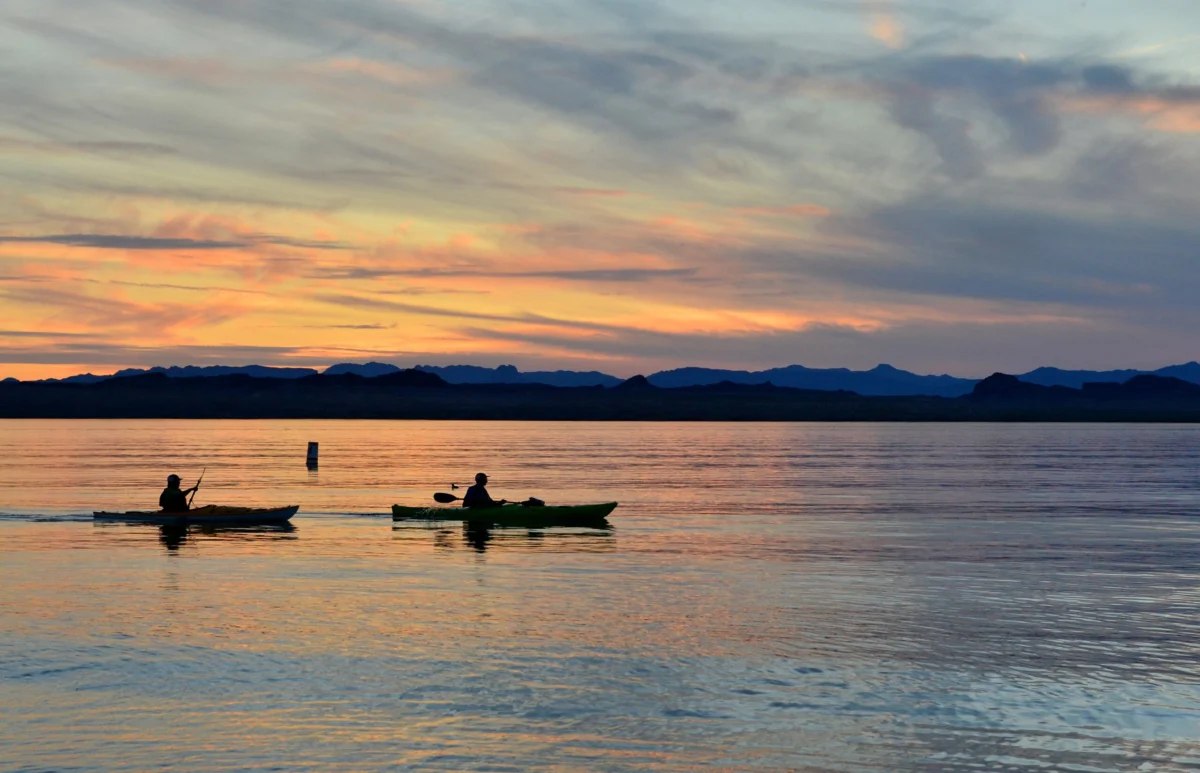
- Water Sports: Comprising 14.1% of participation, this category includes a broad spectrum of activities such as kayaking, canoeing, paddleboarding, tubing, swimming, and motorized boating. The diversity of Arizona’s waterways, from calm lakes to thrilling river rapids, accommodates various skill levels and preferences.
- Fishing: Accounting for 12.2% of participants, fishing remains a cherished pastime, with anglers seeking diverse species in the state’s lakes, reservoirs, and perennial streams.
The report also noted that the specific activities residents participate in vary significantly by county. This geographical variation reflects the distinct landscapes and aquatic offerings across Arizona. For instance, counties with major rivers like the Colorado might see higher rates of boating and rafting, while those with mountain lakes might attract more fishing and camping enthusiasts. Urban areas with constructed lakes or accessible river segments cater to picnicking, casual water sports, and family-oriented recreation. This localized diversity emphasizes the importance of managing water resources with regional needs and recreational preferences in mind.
Local Impact: The Verde River and Yavapai County as a Case Study
The report provides a compelling county-level breakdown, showcasing the localized economic benefits stemming from water-based recreation. Yavapai County serves as a prime example, where water-based recreation generates an estimated $720 million in economic output and supports approximately 4,500 jobs within the state. This substantial contribution is largely attributable to the Verde River, one of Arizona’s few remaining perennial rivers, which flows through the heart of the county.
Cottonwood Mayor Ann Shaw articulated the profound significance of the Verde River for her community: “This report provides significant insight into the economic benefits that the Verde River provides in terms of recreation for the City of Cottonwood and all of its Yavapai County neighbors who recognize and rely on this free-flowing Arizona river as a life-source and habitat, not just for the wildlife that the National Audubon Society works so diligently to preserve, but for all of us who thrive along its banks.” Her statement underscores the interconnectedness of environmental health, community well-being, and economic prosperity, particularly in regions where natural assets are central to local identity and livelihood.
Beyond Yavapai, other counties across Arizona similarly benefit from their aquatic resources. Mohave County, home to Lake Havasu and significant stretches of the Colorado River, likely sees immense economic activity from boating, fishing, and water sports tourism. Coconino County benefits from Lake Powell and the recreational opportunities around the Grand Canyon, while Maricopa County, despite its urban sprawl, boasts popular urban lakes and accessible river segments that serve millions of residents seeking respite and recreation. These localized impacts highlight how water resources act as economic anchors, drawing in visitors, supporting local businesses, and providing employment opportunities across the state.
Official Perspectives and Stakeholder Reactions
The release of the report has elicited strong affirmations from various stakeholders, who recognize the profound implications of its findings. Lena Allen, Director of Stewardship for the Arizona Office of Tourism, highlighted the unique allure of water in the desert: “This new study confirms what residents and our tens of millions of visitors have already experienced. There’s a magnetic pull to water in Arizona, especially since we’re so closely associated with the desert. From the mighty Colorado River to the gentle streams of the White Mountains and the cottonwood-lined San Pedro River, water here delivers life and economic success for communities statewide.” Her remarks underscore how these aquatic attractions are vital for Arizona’s tourism brand, attracting visitors who contribute significantly to the state’s economy.
Haley Paul, Senior Policy Director for Audubon Southwest, emphasized the report’s fundamental premise: the direct link between water availability and economic activity. “Water-based outdoor recreation is a helpful way to measure the economic contributions of the water in our rivers, lakes, and streams because without water, much of the economic activity would cease. People don’t fish in dry lakes or kayak in dry riverbeds.” Her statement serves as a powerful call to action for conservation, framing it not just as an environmental imperative but as an economic necessity.
Officials from the Arizona Game and Fish Department, who manage many of the state’s fishing and wildlife-dependent recreation areas, are expected to welcome the report’s findings. The data likely reinforces their ongoing efforts to maintain healthy fish populations and accessible recreational sites, demonstrating the tangible economic returns of their conservation and management programs. Similarly, local business owners in communities adjacent to popular waterways, such as outfitters, bait shops, restaurants, and hotels, will find validation in the report’s quantification of their revenue streams and employment figures, which are directly tied to the health and accessibility of water resources. The Arizona Department of Water Resources will also likely find the report instrumental in informing future water planning and policy discussions, emphasizing the non-consumptive values of water alongside traditional demands.
Policy Implications and the Future of Water Management
The Audubon Southwest report carries significant policy implications for Arizona’s future water management strategies. By clearly articulating the economic value of water-based recreation, it provides policymakers with compelling data to consider when making decisions about water allocation, infrastructure investment, and conservation funding. The findings suggest that investing in healthy rivers, lakes, and streams is not merely an environmental expenditure but a strategic economic investment that yields substantial returns in jobs, tax revenue, and overall economic output.
The report could influence discussions on sustainable water practices, encouraging a more holistic approach that balances agricultural, urban, industrial, and recreational demands. It underscores the need for policies that protect riparian habitats, restore degraded waterways, and ensure adequate instream flows, recognizing that these actions directly support a multi-billion-dollar industry. Furthermore, the county-level data could empower local governments to advocate for water policies that specifically benefit their regional economies and recreational assets.
In an era of increasing water scarcity and heightened competition for dwindling resources, this report offers a powerful argument for preserving water for its non-consumptive uses. It challenges the traditional view that economic development must always come at the expense of natural ecosystems, demonstrating that healthy ecosystems can be powerful drivers of economic prosperity. The analysis provides a new framework for evaluating the cost-benefits of water projects and conservation initiatives, potentially shifting priorities towards solutions that support both human well-being and ecological integrity. Future research could further refine these economic models, incorporating the value of ecosystem services such as water purification, flood control, and biodiversity, to present an even more comprehensive picture of water’s indispensable role.
Conservation Imperative: Protecting Arizona’s Aquatic Legacy
Arizona’s rivers, lakes, streams, and the intricate habitats they support are unequivocally critical for people, birds, fish, and other wildlife. This report from Audubon Southwest powerfully reinforces that they are also an undeniable economic powerhouse for the state. The long-term sustainability of this economic engine is inextricably linked to the health and abundance of these aquatic resources. As Arizona faces ongoing challenges from drought, climate change, and population growth, the imperative to conserve and protect its water legacy becomes even more pressing.
The National Audubon Society, through its regional office Audubon Southwest, has long championed the protection of birds and the places they need, today and tomorrow. Incorporated in 1905, Audubon is one of the oldest and most effective bird conservation organizations in the Western Hemisphere, working throughout the Americas using science, advocacy, education, and on-the-ground conservation. This report is a testament to their commitment to providing scientific data that informs public policy and fosters a deeper appreciation for the natural world. By highlighting the tangible economic benefits, Audubon Southwest aims to strengthen the case for robust water conservation policies, ensuring that Arizona’s aquatic assets continue to provide both ecological vitality and economic prosperity for generations to come.
For those interested in a deeper dive into the methodology, detailed findings, and individual county fact sheets, the full technical report is available at audubon.org/azrivers.