
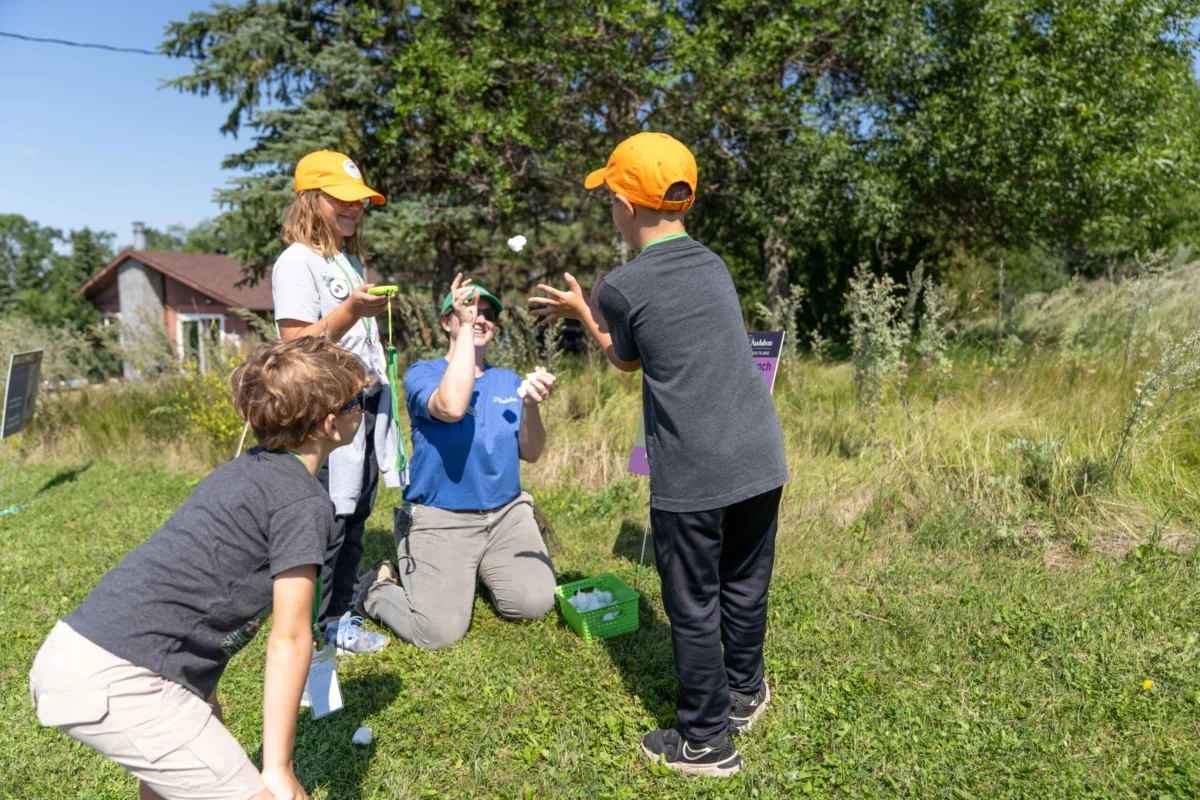
Spiritwood, North Dakota – The National Audubon Society’s Edward M. Brigham III Alkali Lake Wildlife Sanctuary in Spiritwood, North Dakota, has officially opened registration for its highly anticipated Audubon Adventures Nature Camp in 2026. This announcement follows a resoundingly successful inaugural camp in August 2025, which captivated young participants with immersive outdoor learning experiences amidst the sanctuary’s rich grassland and wetland ecosystems. The camp, designed to foster a deeper connection with the natural world, invites children to explore, play, and create lasting memories while cultivating an understanding of local biodiversity and conservation principles.
A Gateway to Nature: The Audubon Adventures Philosophy
At its core, Audubon Adventures Nature Camp embodies the National Audubon Society’s commitment to conservation through education. The program’s philosophy centers on experiential learning, encouraging children to use all their senses to actively engage with their surroundings. In an era where screen time often dominates childhood, providing direct, hands-on encounters with nature is paramount. The camp offers a crucial antidote, enabling children to develop observational skills, critical thinking, and a sense of wonder about the environment. Located within a vital wildlife sanctuary, the camp provides an unparalleled outdoor classroom where every rustle in the grass, every bird song, and every insect discovery becomes a teachable moment. Audubon Great Plains staff emphasize that these early experiences are fundamental in shaping future environmental stewards, instilling a lifelong appreciation for nature and the imperative of its protection.
The Ecological Heartbeat: Edward M. Brigham III Alkali Lake Wildlife Sanctuary
The Edward M. Brigham III Alkali Lake Wildlife Sanctuary serves as the perfect backdrop for the Audubon Adventures Nature Camp. Spanning a significant area in Stutsman County, North Dakota, this sanctuary is a crucial component of the region’s ecological network. It encompasses a mosaic of native prairie grasslands and vital alkali wetlands, habitats that are increasingly threatened across the Great Plains. These diverse environments support an extraordinary array of flora and fauna, making it an ideal location for ecological exploration.
The grasslands provide essential nesting and foraging grounds for a multitude of grassland bird species, many of which are experiencing significant population declines. Species like the Grasshopper Sparrow, Western Meadowlark, and various sparrows thrive in these rich habitats. The wetlands, including Alkali Lake itself, serve as critical stopover points and breeding grounds for migratory waterfowl, shorebirds, and wading birds. During migration seasons, the sanctuary teems with life, offering spectacular birdwatching opportunities. Beyond birds, the sanctuary supports a complex web of life, including insects, amphibians, reptiles, and mammals, all contributing to a vibrant and resilient ecosystem. This biodiversity provides endless opportunities for campers to witness ecological interactions firsthand, from pollinator dynamics to predator-prey relationships, all within a safe and guided environment.
Reflecting on a Successful Inaugural Year: The 2025 Camp Experience
The buzz of anticipation that preceded the inaugural Audubon Adventures Nature Camp in August 2025 was palpable. Audubon Great Plains staff, having meticulously planned for months, were eager to bring their vision to life. The camp, held over three days—August 11th, 12th, and 13th—welcomed 24 school-aged campers, translating into nearly 100 hours of direct nature-based engagement. This initial cohort of young explorers embarked on a journey of discovery that exceeded expectations, laying a strong foundation for future programs.
The 2025 camp curriculum was thoughtfully designed to be both educational and engaging, ensuring that each day offered unique experiences while building upon foundational knowledge. Activities were varied, catering to different learning styles and ensuring constant interaction with the natural environment. Highlights included "trail treks" along newly plotted and mowed paths, "insect investigations" using gentle capture techniques, "creature crafting" with natural materials, "prairie impressions" using clay, and "sun printing" with collected plant specimens. More active components included "birds & binos" for fledgling ornithologists, "bird olympics," "outdoor bingo," and the universally cherished game of "duck, duck, gray duck."
Diving Deeper into the 2025 Camp Activities:
- Trail Treks and Ecological Observation: Campers traversed newly established trails, providing safe and immersive access to different parts of the sanctuary. These treks were not merely walks; they were guided explorations focused on identifying prairie plants, understanding their roles in the ecosystem, and observing the subtle changes in landscape and sound. A particular highlight was venturing to the hilltop overlooking Alkali Lake, offering panoramic views, and then descending to the lakefront for close encounters with aquatic plants and insects, providing a complete ecological perspective.
- Insect Investigations: Armed with nets and guided by staff, children learned gentle capture and release techniques to observe the sanctuary’s thriving insect population. From iridescent dragonflies and intricate spiders to camouflaged katydids and industrious ants, campers identified numerous species, learning about their life cycles, their place in the food web, and unique identifying features. This hands-on experience demystified insects, transforming potential fear into fascination and respect.
- Creative Expression and Nature Art: The knowledge gained from insect investigations flowed directly into "creature crafting," where campers used small plant cuttings gathered during their treks to design and construct imaginative creatures. This activity fostered creativity while reinforcing their understanding of natural forms and textures. Similarly, "prairie impressions" with clay and "sun printing" utilized collected plant varieties to create tangible pieces of art, serving as lasting reminders of their time in nature.
- Birds and Binoculars: The Thrill of Discovery: Introducing young campers to binoculars can be challenging, but the sanctuary provided patient subjects in the form of various swallows resting on cables and fencing. The moment a child successfully brings a bird into focus for the first time—often met with an excited cry of "I can see it!"—is a powerful testament to the camp’s ability to spark wonder. Beyond birds, campers also enjoyed scanning for the cattle that graze the property, an integral part of sustainable grassland management. This experience often led to binoculars topping wish lists, indicating a newly ignited passion for birdwatching.
- Bird Olympics and Outdoor Games: To inject physical activity and playful learning, the "bird Olympics" saw children mimicking the behaviors of various bird species: flapping like a Ruby-throated Hummingbird, dancing like a Greater Prairie-Chicken, catching imaginary bugs like a Western Meadowlark, or balancing like a Great Blue Heron. "Outdoor bingo" encouraged campers to explore with purpose, searching for specific natural items like a spider web, a unique flower, a bird, a nest, or a pinecone, turning observation into a game. The day often concluded with "duck, duck, gray duck," a lively game brought by the camp coordinator (a native Minnesotan), providing a joyful, unstructured opportunity for kids to simply be kids—or any color of duck they chose, with "iridescent duck" being a particular favorite.
The Broader Impact: Fostering Environmental Stewardship
The success of the 2025 Audubon Adventures Nature Camp underscores the critical role such programs play in youth development and environmental education. In an increasingly urbanized and technologically driven world, direct engagement with nature offers profound benefits. Studies consistently show that time spent outdoors improves cognitive function, reduces stress, enhances creativity, and boosts physical health. For the campers at Alkali Lake, these benefits are compounded by a curriculum specifically designed to build ecological literacy.
Audubon Great Plains leadership highlighted the intrinsic value of these experiences. "Our inaugural camp demonstrated unequivocally the thirst children have for genuine connection with nature," stated a representative. "Watching their eyes light up with discovery, whether it was spotting a new bird or identifying an insect, affirmed our belief that these programs are vital for cultivating the next generation of conservationists. It’s not just about learning facts; it’s about building an emotional bond with the natural world that will drive future action."
Parents of the 2025 campers echoed these sentiments, expressing appreciation for a program that combined education with unstructured outdoor play. One parent noted, "My child came home every day filled with stories and new knowledge. They weren’t just learning about nature; they were experiencing it in a way that truly resonated." This feedback reinforces the camp’s model as an effective means of promoting environmental literacy and a sense of place.
Furthermore, the camp contributes to Audubon’s broader conservation mission by raising awareness about the importance of protecting crucial habitats like the Alkali Lake Wildlife Sanctuary. By bringing local children into these spaces, the camp helps cultivate a community of advocates who understand and value their local environment. This local engagement is vital for the long-term sustainability of conservation efforts, as it builds grassroots support and ownership.
Looking Ahead: Registration for 2026
With the successful blueprint of 2025 in hand, Audubon Great Plains is now eagerly anticipating the 2026 Audubon Adventures Nature Camp. The program is set to continue its three-day format, offering unique programming for each day to ensure a fresh experience for campers attending one day or all three. The camp provides a flexible option for families, allowing them to tailor participation to their schedules and interests.
As the snow recedes and the sounds of spring begin to fill the air, the Audubon Great Plains staff are already listening for that "much-anticipated ascending hum of excitement" that signals the return of enthusiastic outdoor learners. The enduring message remains: there is always more to explore at Audubon Adventures Nature Camp.
Registration Details for 2026:
Parents and guardians interested in enrolling their children for the 2026 Audubon Adventures Nature Camp at the Edward M. Brigham III Alkali Lake Wildlife Sanctuary in Spiritwood, North Dakota, can now register online. Programming will be distinct for each day, allowing campers to sign up for one day or all three to maximize their learning and adventure.
- Tuesday, August 11, 2026: [Registration Link]
- Wednesday, August 12, 2026: [Registration Link]
- Thursday, August 13, 2026: [Registration Link]
For more comprehensive information about the camp’s philosophy, daily activities, and what to expect, prospective participants are encouraged to visit the official Audubon Adventures Nature Camp website: [Audubon Adventures Nature Camp in Spiritwood, ND Website Link]. Early registration is recommended due to limited capacity, ensuring that more children can experience the profound joy and educational enrichment of connecting with nature at one of North Dakota’s vital wildlife sanctuaries. The Audubon Adventures Nature Camp represents a continued investment in the future of both children and the natural world they will inherit.