
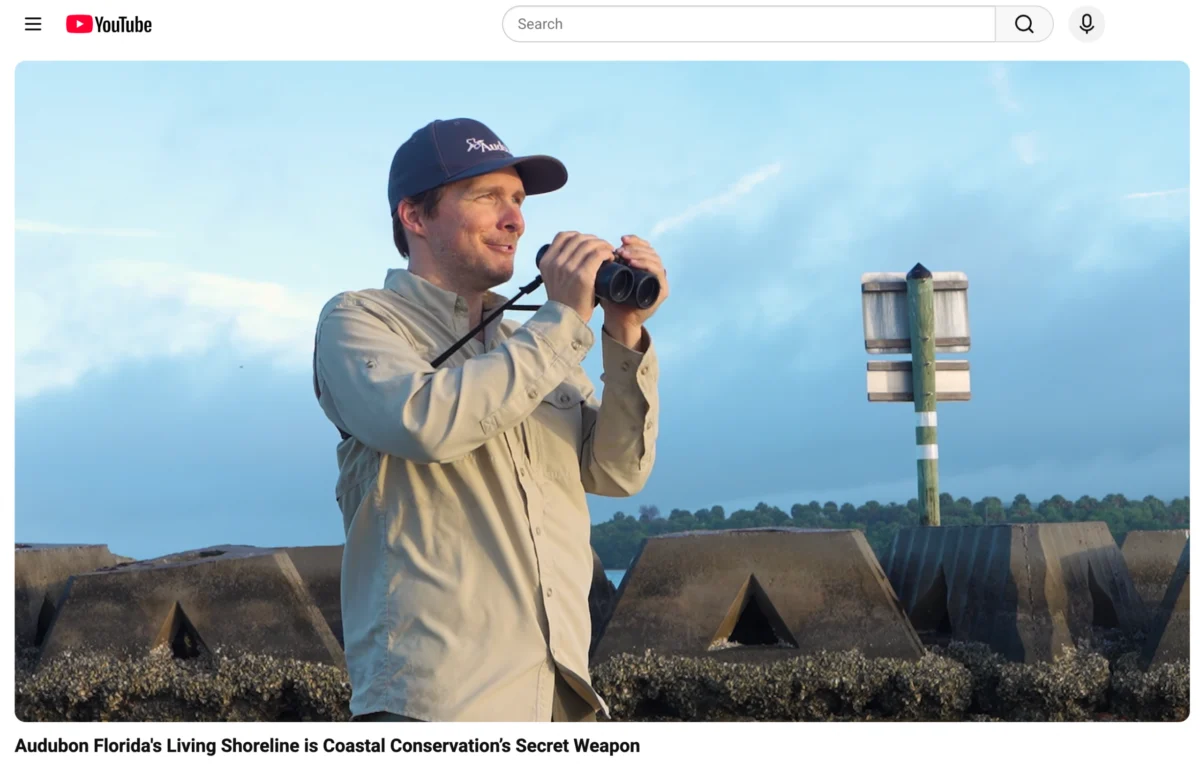
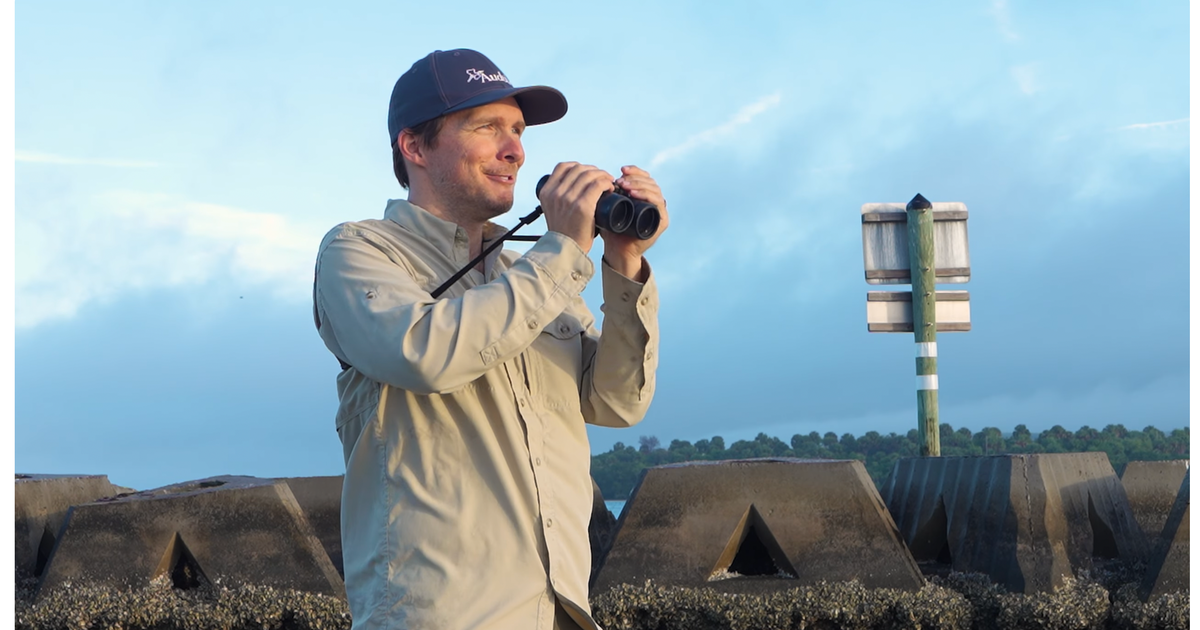
Audubon Florida has successfully implemented over a mile of living shoreline infrastructure within the vital Tampa region, a strategic conservation effort designed to fortify the delicate ecosystems of mangrove islands against the relentless forces of coastal erosion. These innovative structures are specifically engineered to dissipate wave energy, mitigating the destructive impact of boat wakes and the increasing intensity of storm surge, thereby safeguarding islands that serve as indispensable havens for nesting, feeding, and resting wading birds. Jeff Liechty, Florida Coastal Islands Sanctuaries Manager, has been instrumental in illustrating the tangible successes of these living shorelines, particularly at the Alafia Bank Sanctuary, a critical site managed in a collaborative lease agreement with The Mosaic Company and Port Tampa Bay. The project’s efficacy is already evident in the burgeoning growth of new mangrove populations, a testament to the power of nature-based solutions in coastal protection and habitat restoration, as highlighted in a recent video showcasing these significant achievements.
The Imperative of Coastal Resilience and Nature-Based Solutions
Florida, with its extensive coastline and rich biodiversity, faces unique challenges in an era of accelerating climate change and increased anthropogenic pressures. Coastal erosion, exacerbated by rising sea levels and more frequent extreme weather events, poses a significant threat to both human infrastructure and natural habitats. The National Oceanic and Atmospheric Administration (NOAA) estimates that coastal erosion costs the U.S. over $500 million annually, not including the ecological damage. Traditional approaches to coastal defense, such as hardened structures like seawalls and bulkheads, often provide localized protection but can paradoxically worsen erosion in adjacent areas, disrupt natural sediment transport, and degrade vital intertidal habitats. A study by the Florida Department of Environmental Protection noted that while seawalls offer immediate protection, they often lead to "coastal squeeze," where intertidal habitats are lost as sea levels rise and the shoreline cannot migrate inland.
In contrast, living shorelines represent a paradigm shift, employing natural materials and ecological engineering principles to create dynamic, self-sustaining systems that mimic or enhance natural coastal processes. These solutions leverage the protective power of ecosystems like oyster reefs, salt marshes, and mangroves to stabilize shorelines, improve water quality, and provide critical habitat. A living shoreline typically involves a combination of native plants, such as mangroves and salt marsh grasses, and sometimes incorporates natural structural elements like oyster shells, coir logs, or carefully placed rock sills. Unlike rigid seawalls that reflect wave energy, often leading to scouring and erosion at their base, living shorelines absorb and dissipate wave energy, allowing for natural sediment accretion and the establishment of robust vegetation. This approach not only provides superior long-term erosion control but also fosters biodiversity, offering nurseries for fish and invertebrates, foraging grounds for birds, and a natural filter for pollutants. The Audubon Florida initiative in the Tampa region stands as a prime example of this progressive conservation strategy, demonstrating its viability and effectiveness in a highly dynamic coastal environment.
Safeguarding Florida’s Avian Treasures: The Role of Mangrove Islands
The Alafia Bank Sanctuary, like many other mangrove islands across Florida, is a lifeline for a diverse array of wading birds. These unique ecosystems provide a complex tapestry of sheltered waters, intricate root systems, and elevated nesting sites, offering refuge from predators and abundant foraging opportunities. Species such as the Roseate Spoonbill (Platalea ajaja), with its distinctive spatulate bill, and various species of herons and egrets—including the Great Egret (Ardea alba), Snowy Egret (Egretta thula), Tricolored Heron (Egretta tricolor), and Little Blue Heron (Egretta caerulea)—depend heavily on these habitats for their survival. Other significant species include the White Ibis (Eudocimus albus), Wood Stork (Mycteria americana), and the elusive Reddish Egret (Egretta rufescens), many of which are designated as species of special concern due to habitat loss and degradation.
Mangrove islands serve multiple critical functions for these birds. Their dense, interlocking root systems (pneumatophores) provide stable platforms for nesting colonies, protecting eggs and chicks from terrestrial predators and storm surges. The nutrient-rich waters surrounding mangroves are teeming with small fish, crustaceans, and invertebrates, forming the base of the food web that sustains these bird populations. Furthermore, the secluded nature of these islands offers undisturbed roosting sites, essential for birds to rest and conserve energy between foraging bouts. The erosion of these islands directly translates to a loss of vital nesting grounds, reduced foraging areas, and increased vulnerability for entire bird colonies. A study published in Wetlands Ecology and Management highlighted that even minor changes in shoreline stability can lead to significant shifts in avian usage, underscoring the critical need for projects like Audubon’s living shoreline initiative. The Florida Fish and Wildlife Conservation Commission (FWC) consistently identifies habitat loss and degradation as primary threats to many of Florida’s avian species, making these protected sanctuaries indispensable for maintaining healthy populations.
The Alafia Bank Sanctuary: A Hub of Collaborative Conservation
The Alafia Bank Sanctuary, situated within the bustling ecosystem of Tampa Bay, is a testament to the power of collaborative conservation. Leased from and managed in partnership with The Mosaic Company, a leading global producer of concentrated phosphate and potash, and Port Tampa Bay, Florida’s largest port, this sanctuary represents a unique confluence of industrial activity and ecological preservation. This partnership underscores a growing recognition within the corporate sector of its environmental responsibilities and the mutual benefits derived from investing in natural capital. The Mosaic Company, for instance, has a vested interest in the long-term health of the surrounding environment, given its operational footprint and commitment to sustainable practices, while Port Tampa Bay recognizes the importance of a healthy bay ecosystem for sustainable maritime commerce and community well-being.
The history of the Alafia Bank Sanctuary itself is intertwined with human activity. Originally formed from dredge spoils associated with industrial development in Tampa Bay during the mid-20th century, these islands have, over time, been colonized by mangroves and other coastal vegetation, transforming them into significant bird nesting sites. However, their artificial origin also makes them particularly susceptible to erosion, as the uncompacted dredge material is more easily washed away by wave action. This vulnerability made the Alafia Bank an ideal candidate for Audubon Florida’s living shoreline project, where the intervention could provide immediate and long-term benefits to a highly threatened habitat. The collaboration extends beyond funding, involving shared expertise, logistical support, and a collective commitment to protecting Florida’s natural heritage, illustrating a successful public-private partnership model for environmental stewardship.
Project Genesis, Implementation, and Engineering for Nature
The development of over a mile of living shoreline in the Tampa region by Audubon Florida was not an overnight endeavor but the culmination of extensive planning, scientific research, and meticulous engineering, likely spanning several years leading up to the project’s highlighting in March 2026. The project began with detailed site assessments, analyzing wave energy patterns, sediment dynamics, and existing ecological conditions to determine the most effective living shoreline design. This involved bathymetric surveys, vegetation mapping, and hydrodynamic modeling to predict the performance of various structural and biological components. The goal was to create structures that were robust enough to withstand significant wave energy but flexible enough to adapt to natural processes and promote ecological succession.
Typical construction phases for such a project would include:
- Initial Planning and Permitting (e.g., 2022-2023): This phase involved comprehensive environmental assessments, securing necessary permits from state and federal agencies (such as the Florida Department of Environmental Protection and the U.S. Army Corps of Engineers), and detailed engineering design. Community engagement and stakeholder consultations would also have been crucial during this period.
- Site Preparation and Structural Foundation (e.g., 2024): This phase involved clearing any debris and minor grading to establish the desired profile for the new shoreline. Submerged breakwater structures, potentially incorporating oyster reef balls, coir logs (made from coconut fiber), or strategically placed limestone rock sills, were installed to attenuate wave energy before it reached the vulnerable shoreline. These structures are designed to be low-profile, allowing for natural water flow and supporting marine life.
- Vegetation Planting and Establishment (e.g., 2025-2026): Once wave energy was sufficiently reduced, native vegetation, primarily red mangroves (Rhizophora mangle), black mangroves (Avicennia germinans), and white mangroves (Laguncularia racemosa), along with salt marsh grasses like smooth cordgrass (Spartina alterniflora), were carefully planted. These plants were selected for their resilience, their ability to thrive in intertidal zones, and their critical role in stabilizing sediment with their extensive root systems. The careful timing of planting, often coinciding with cooler months or specific tidal cycles, is essential for successful establishment.
- Monitoring and Adaptive Management (Ongoing from 2026): Post-construction, continuous monitoring is crucial. This involves tracking shoreline position changes using GPS and drone technology, assessing vegetation establishment and health, analyzing water quality parameters, and conducting avian usage surveys. Data collected informs adaptive management strategies, allowing for adjustments to be made to ensure the long-term success and resilience of the living shoreline.
Jeff Liechty’s role as Florida Coastal Islands Sanctuaries Manager is central to this ongoing process. His expertise in coastal ecology and sanctuary management provides the scientific rigor and practical oversight necessary for such a complex undertaking. The visible success of new mangrove growth at Alafia Bank, as highlighted by Liechty, is a direct indicator of the living shoreline’s effectiveness in creating a calmer environment where these vital coastal trees can establish and flourish, providing tangible benefits to the ecosystem.
Ecological and Economic Impact: A Holistic View
The ecological benefits of Audubon Florida’s living shoreline project extend far beyond the immediate protection of mangrove islands. By stabilizing shorelines and promoting mangrove growth, the project contributes to:
- Enhanced Biodiversity: Creates new habitat for a myriad of marine organisms, from juvenile fish and crabs that seek refuge among mangrove roots to the myriad of wading birds that forage and nest there. Oyster reefs, if incorporated, provide additional hard substrate for invertebrates and serve as crucial feeding grounds, enhancing the overall trophic structure of the ecosystem.
- Improved Water Quality: Mangroves and salt marsh plants act as natural filters, trapping sediments and absorbing excess nutrients and pollutants from stormwater runoff, thereby enhancing the overall health of Tampa Bay’s waters. This natural filtration can reduce the frequency and severity of harmful algal blooms, which negatively impact marine life and human health.
- Carbon Sequestration: Mangrove ecosystems are highly efficient "blue carbon" sinks, sequestering significant amounts of atmospheric carbon dioxide in their biomass and underlying sediments, playing a crucial role in climate change mitigation. Research indicates that mangroves can store up to five times more carbon per acre than terrestrial forests.
- Increased Coastal Resilience: The project builds natural buffers that can absorb the impact of storm surges and reduce flooding, protecting both natural habitats and adjacent human communities and infrastructure from the escalating threats of extreme weather. The presence of healthy mangroves has been shown to reduce wave height and energy by significant percentages, thereby minimizing property damage during hurricanes.
From an economic perspective, living shorelines offer a compelling return on investment compared to traditional hardened structures. While initial construction costs can be comparable, the long-term maintenance costs for living shorelines are often lower, as they are designed to be self-sustaining and adapt over time. Furthermore, the ecosystem services provided by healthy mangroves—such as supporting commercial fisheries (e.g., shrimp, crab, snapper), enhancing recreational opportunities (e.g., birdwatching, kayaking, eco-tourism), and providing natural storm protection—contribute significantly to local economies. Studies have estimated that coastal wetlands can prevent hundreds of millions to billions of dollars in storm damage annually. By protecting these critical habitats, Audubon Florida’s initiative indirectly safeguards the economic vitality of the Tampa Bay region, which heavily relies on its natural beauty and healthy marine environment for tourism and its commercial fishing industry.
Expert Perspectives and Stakeholder Endorsements
The success of the Tampa Bay living shoreline project has garnered positive attention from various stakeholders and experts in the field of coastal conservation.
Jeff Liechty, reflecting on the project’s impact, stated, "Our living shorelines are not just barriers; they are catalysts for life. Seeing new mangroves take root and thrive on the Alafia Bank, providing crucial nursery grounds and safe havens for our wading birds, is incredibly rewarding. It underscores the profound difference we can make when we work with nature, rather than against it." He further emphasized, "This mile of restored shoreline is more than a number; it represents thousands of healthy chicks, cleaner waters, and a more resilient future for Tampa Bay’s coastal ecosystems, a future we are actively building with our partners."
Representatives from the partner organizations also expressed their commitment. A spokesperson for The Mosaic Company commented, "Our collaboration with Audubon Florida on the Alafia Bank Sanctuary exemplifies Mosaic’s dedication to environmental stewardship and our commitment to operating responsibly. Investing in projects that enhance biodiversity and protect natural habitats is not only the right thing to do but also aligns with our long-term sustainability goals. We are proud to support an initiative that yields such tangible benefits for Florida’s unique ecosystems and the communities that depend on them."

Similarly, Port Tampa Bay highlighted the broader significance. "A healthy Tampa Bay is fundamental to our operations, the economic vitality of the region, and the well-being of our community," stated a Port Tampa Bay official. "The living shoreline project strengthens the bay’s natural defenses, benefiting both wildlife and human interests by protecting our shores from erosion and storm impacts. It’s a prime example of how industry and conservation organizations can work together to achieve impactful environmental outcomes, setting a precedent for future collaborations."
Independent coastal ecologists and conservation scientists have also lauded the effort. Dr. Elena Rodriguez, a marine biologist specializing in coastal restoration at the University of Florida, observed, "Audubon’s work in Tampa Bay is a textbook example of effective nature-based coastal defense. By integrating ecological principles with sound engineering, they’ve created a resilient system that will adapt to changing environmental conditions, offering a sustainable alternative to costly and often environmentally damaging hard infrastructure. This project provides invaluable data and a scalable model for other vulnerable coastal areas facing similar challenges of erosion and habitat loss."
A Broader Vision for Coastal Resilience in the Face of Climate Change
The project in Tampa Bay transcends local impact; it serves as a powerful model for coastal resilience strategies across Florida and beyond. As global climate models predict more intense hurricanes, continued sea-level rise, and altered precipitation patterns, the vulnerability of low-lying coastal regions like Florida will only increase. Relying solely on conventional, engineered solutions is proving insufficient and unsustainable. Nature-based solutions, such as living shorelines, offer a cost-effective, adaptable, and ecologically beneficial alternative or complement to traditional infrastructure, aligning with national and international calls for ecosystem-based adaptation.
Audubon Florida’s extensive experience in coastal conservation, coupled with its scientific rigor, positions it as a leader in advocating for and implementing these solutions. The organization’s commitment to protecting bird populations inherently involves safeguarding their habitats, which, in coastal environments, means protecting the entire ecosystem. This holistic approach recognizes that the health of bird populations is intrinsically linked to the health of the mangroves, salt marshes, and estuaries they inhabit. The success at Alafia Bank also sends a clear message to policymakers and developers: sustainable coastal management requires an integrated approach that prioritizes ecological health alongside economic development. Incentivizing and streamlining the permitting process for living shoreline projects, and incorporating them into broader regional development and climate adaptation plans, will be crucial for scaling these efforts across the state.
The Path Forward: Sustaining Success and Expanding Impact
The completion of over a mile of living shoreline in the Tampa region marks a significant milestone, but the work of coastal conservation is continuous. Audubon Florida’s efforts will now shift towards long-term monitoring of the Alafia Bank Sanctuary, ensuring the continued health and expansion of the newly established mangroves and the robust utilization of the protected areas by wading bird populations. This includes regular surveys of bird nesting success, population counts, and ongoing assessment of shoreline stability and mangrove growth rates, which will provide critical data for future restoration efforts.
Furthermore, the knowledge and best practices gained from this project will be invaluable for future initiatives. Audubon Florida aims to leverage these successes to advocate for and implement similar living shoreline projects in other vulnerable areas across the state, sharing lessons learned with other conservation groups and governmental agencies. The organization will continue to seek out and foster partnerships with governmental agencies, private corporations, and local communities, recognizing that collective action is paramount in addressing the complex challenges of coastal protection and habitat restoration. The story of the Alafia Bank Sanctuary living shoreline is a powerful narrative of hope and proactive conservation. It demonstrates that with thoughtful planning, scientific expertise, and committed partnerships, it is possible to not only mitigate the impacts of environmental degradation but also to actively restore and enhance the natural systems that sustain both wildlife and human well-being. The flourishing mangroves and the vibrant birdlife returning to these protected shores are living proof that investing in nature is an investment in a more resilient and biodiverse future for Florida.