
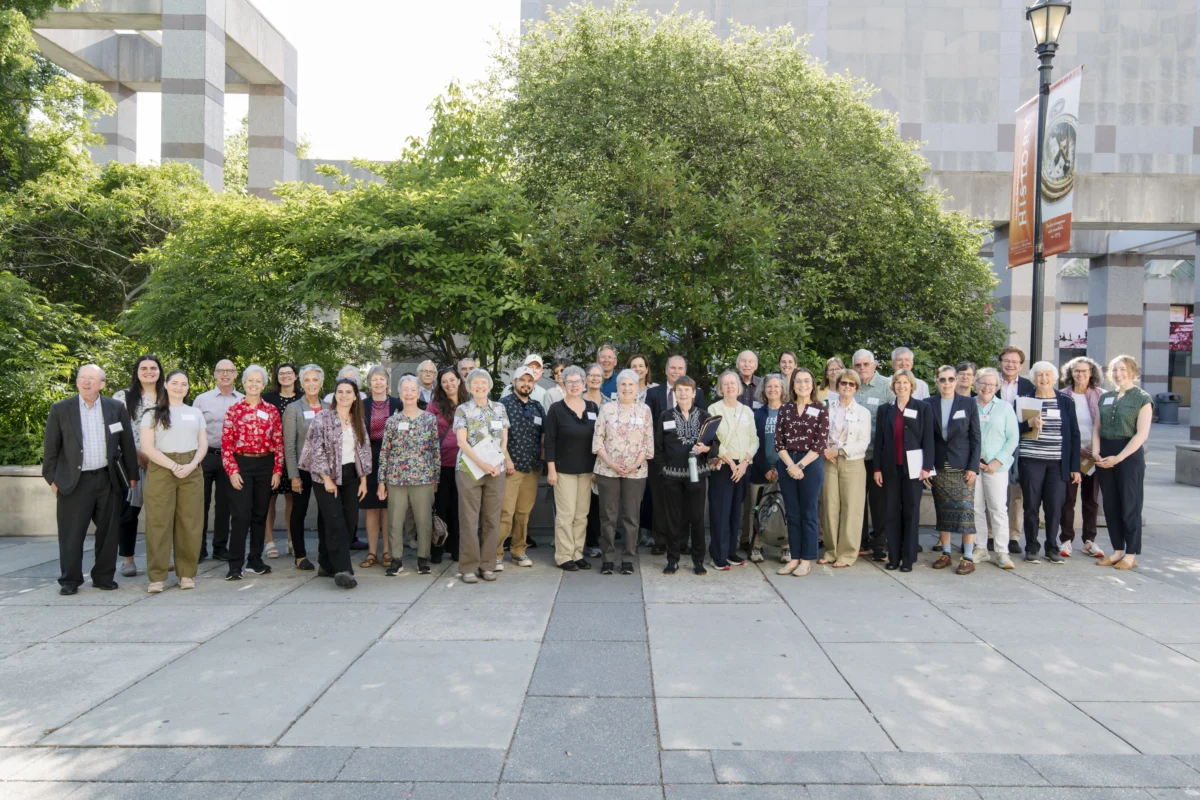
Audubon North Carolina is mobilizing its network of dedicated conservationists for its highly anticipated 2026 Advocacy Day, scheduled for Wednesday, May 27, in Raleigh. This pivotal event calls upon participants from across the state to engage directly with lawmakers, advocating for policies that safeguard North Carolina’s invaluable bird populations and critical natural habitats. Organizers are urging all interested individuals to complete the necessary steps now to confirm their participation, emphasizing the collective power of citizen advocacy in shaping the state’s environmental future.
The annual Advocacy Day serves as a cornerstone of Audubon North Carolina’s commitment to conservation, providing a direct conduit for constituents to voice their concerns and support for environmental protection to their elected officials. By bringing together diverse voices from urban centers to rural communities, the event aims to foster a deeper understanding of the ecological challenges facing North Carolina and to champion legislative solutions. The focus for May 27, 2026, will be on securing commitments from legislators on key environmental priorities, ranging from habitat preservation and clean water initiatives to climate resilience and responsible land use planning.
The Power of Collective Action: Understanding Audubon’s Advocacy
Audubon North Carolina, a state office of the National Audubon Society, has a rich history of conservation efforts spanning over a century. Its mission is deeply rooted in protecting birds and the places they need, today and tomorrow. This mission is pursued through a multi-faceted approach that includes scientific research, on-the-ground conservation projects, public education, and robust policy advocacy. Advocacy Day is a direct manifestation of the latter, designed to leverage the collective strength of its membership and supporters to influence public policy at the state level.
The organization’s advocacy philosophy is grounded in the belief that effective conservation requires not only scientific understanding but also political will. By fostering direct communication between constituents and their representatives, Audubon North Carolina seeks to bridge the gap between scientific imperatives and legislative action. Past advocacy efforts have contributed significantly to critical environmental victories in North Carolina, including the protection of coastal wetlands, the establishment of state parks and natural areas, and the promotion of sustainable energy policies. These successes underscore the importance of sustained citizen engagement and the strategic coordination facilitated by events like Advocacy Day.
A Legacy of Conservation: Audubon North Carolina’s Mission
North Carolina, with its diverse geography ranging from the Appalachian Mountains to the Outer Banks, is a biodiversity hotspot, supporting an incredible array of bird species. The state is a critical flyway for migratory birds and home to numerous resident species, many of which face increasing threats from habitat loss, climate change, and pollution. Audubon North Carolina works tirelessly to protect these species and their habitats through a variety of programs.
For instance, the organization has been instrumental in coastal bird stewardship, protecting nesting sites for species like the Least Tern, Piping Plover, and American Oystercatcher. In the mountains, efforts focus on preserving forest habitats crucial for species such as the Cerulean Warbler and Golden-winged Warbler. Beyond species-specific work, Audubon North Carolina advocates for broader environmental health, recognizing that healthy ecosystems benefit all forms of life, including humans. This holistic approach informs their legislative priorities, which often include securing funding for state conservation agencies, supporting land acquisition for preservation, and promoting policies that reduce carbon emissions and build climate resilience. The 2026 Advocacy Day is expected to build upon these foundational efforts, pushing for legislative advancements that will ensure the long-term health of North Carolina’s natural heritage.
Preparing for Impact: The Advocacy Day Timeline
The journey to Advocacy Day on May 27, 2026, involves several crucial preparatory stages designed to maximize the impact of participants’ efforts. Currently, the primary focus is on confirming participation. Once individuals register their interest, they are typically integrated into a structured preparation process.
- Initial Confirmation: Participants are encouraged to register their intent as soon as possible. This allows Audubon North Carolina to organize delegations efficiently and provide timely updates.
- Delegation Formation: Participants are grouped by their home counties or regions to meet with their specific state representatives and senators. This localized approach ensures that legislators hear directly from their constituents, making the advocacy more personal and impactful. The provisional list of counties includes Wake, Johnston, Franklin; Mecklenburg County and UNC Charlotte Audubon; Forsyth, Stokes, Yadkin; Guilford, Alamance; Chatham, Durham, Orange; Macon, Jackson, Transylvania; Buncombe, Henderson; and Brunswick, New Hanover. Individuals whose counties are not listed are encouraged to contact Dana Sargent at [email protected] to ensure their participation.
- Training and Briefing Sessions: Leading up to May 27, Audubon North Carolina will conduct online and in-person training sessions. These sessions are critical for equipping advocates with the knowledge and skills needed for effective lobbying. Training typically covers:
- Key Legislative Issues: Detailed briefings on the specific bills or policy initiatives Audubon North Carolina is prioritizing for the current legislative session. This includes background information, scientific data, and the potential impacts of these policies.
- Advocacy Techniques: Guidance on how to effectively communicate with legislators, present arguments concisely, share personal stories, and leave a lasting impression. This often includes role-playing exercises and tips on navigating legislative offices.
- Logistics for the Day: Practical information regarding schedules, meeting locations, and what to expect on Advocacy Day in Raleigh.
- Day of Advocacy (May 27, 2026): The actual Advocacy Day in Raleigh is a full-day commitment, typically running from 8 AM to 5 PM. Participants will gather for an initial briefing, receive their detailed schedules, and then proceed to meet with their assigned legislators. Lawmakers often do not commit to specific meeting times until the week of Advocacy Day, requiring participants to keep their schedules flexible. This emphasizes the dynamic nature of legislative engagement.
- Post-Advocacy Follow-up: The work does not end on May 27. Participants are encouraged to follow up with their legislators, thank them for their time, and reiterate their support for the discussed policies. Audubon North Carolina also provides resources for continued engagement throughout the legislative session.
Regional Engagement: A Statewide Effort
The strategic grouping of participants by county is a hallmark of Audubon North Carolina’s Advocacy Day. This regional focus ensures that legislators are confronted with the concerns of their direct constituents, a factor that often holds significant sway in policy decisions. For instance, the inclusion of Mecklenburg County alongside UNC Charlotte Audubon highlights the engagement of both general citizenry and academic communities, bringing diverse perspectives to the legislative dialogue. Similarly, the grouping of coastal counties like Brunswick and New Hanover emphasizes issues pertinent to marine and estuarine ecosystems, while mountain counties like Buncombe and Henderson focus on forest and freshwater conservation.
Each regional delegation typically has a designated leader who helps coordinate meetings, provides local context to issues, and serves as a point of contact. This decentralized yet coordinated approach allows for tailored advocacy, addressing specific local environmental challenges while contributing to a broader statewide conservation agenda. The current TBD status for registration links and specific dates for county-level pre-meetings signifies that these details will be finalized and disseminated as the event draws closer, following the initial general registration for Advocacy Day itself.
Key Policy Priorities for 2026
While the precise legislative agenda for 2026 will be fully unveiled closer to the date, Audubon North Carolina’s advocacy generally revolves around several enduring environmental themes critical to the state. These often include:
- Habitat Protection and Restoration: Advocating for funding and policies that protect critical bird habitats, including wetlands, forests, coastal areas, and grasslands, from development, pollution, and climate change impacts. This might involve supporting land trusts, state park acquisitions, and conservation easements.
- Clean Water and Air: Pushing for stronger regulations and enforcement to reduce pollution in North Carolina’s rivers, lakes, and coastal waters, as well as measures to improve air quality, which directly impacts bird health and human well-being.
- Climate Change Mitigation and Adaptation: Championing policies that promote renewable energy, reduce greenhouse gas emissions, and build resilience against the impacts of climate change, such as sea-level rise, increased storm intensity, and altered migratory patterns for birds.
- Responsible Land Use: Advocating for smart growth policies that prevent urban sprawl into critical natural areas and promote sustainable agricultural practices.
- Funding for Conservation Programs: Securing adequate state funding for agencies and programs dedicated to wildlife management, environmental protection, and public education.
These priorities are not merely abstract concepts but represent tangible efforts to protect the state’s natural assets, which provide immense ecological, economic, and recreational value to North Carolinians.
North Carolina’s Environmental Landscape: Challenges and Opportunities
North Carolina’s unique position on the Atlantic Flyway makes it incredibly important for migratory birds. However, this also means it faces significant environmental pressures. Rapid population growth and associated development contribute to habitat fragmentation and loss. Climate change poses an existential threat, with rising sea levels threatening coastal bird nesting sites and altering wetland ecosystems. Increased frequency and intensity of hurricanes impact both coastal and inland habitats.
Economically, North Carolina’s natural resources are a significant asset. Ecotourism, particularly birdwatching, generates substantial revenue for local economies. According to a 2016 U.S. Fish and Wildlife Service report, wildlife watching activities contributed $75.9 billion to the nation’s economy, with a significant portion attributable to states like North Carolina known for their biodiversity. Preserving these resources is not just an environmental imperative but an economic one. Advocacy Day provides an opportunity to highlight these connections, demonstrating how environmental protection can align with economic prosperity.
Voices from the Frontlines: Statements on Advocacy
Dana Sargent, a key contact for Audubon North Carolina’s Advocacy Day, often emphasizes the critical role of citizen participation. While a direct quote for the 2026 event is yet to be released, previous statements from Sargent underscore the organization’s perspective: "Direct engagement with our elected officials is paramount to ensuring that environmental concerns are heard and acted upon. Our collective voice, united for conservation, is stronger than any individual plea. We urge all confirmed participants to finalize their preparations and stand ready to make a tangible difference for North Carolina’s birds and natural places."
Legislators, while often balancing diverse constituent interests, typically express appreciation for organized citizen input. An inferred statement from a receptive legislator might acknowledge: "We appreciate the input from our constituents and dedicated environmental groups like Audubon North Carolina. Hearing directly from the people we represent helps us understand the issues from their perspective and informs our decisions on critical legislation affecting our state’s natural resources."
Participants themselves often articulate a deep sense of responsibility. One potential advocate might reflect: "It’s vital to make our voices heard for the future of North Carolina’s natural heritage. We are not just speaking for ourselves, but for the voiceless birds and habitats that sustain our state. Advocacy Day is our chance to directly influence the decisions that will shape their future."
The Road Ahead: Implications for North Carolina’s Natural Heritage
The success of Audubon North Carolina’s 2026 Advocacy Day carries significant implications for the state’s environmental trajectory. A strong showing of citizen support and effective lobbying can:
- Influence Legislative Outcomes: Direct engagement can sway votes on specific bills, secure funding for vital conservation programs, or even introduce new protective legislation.
- Raise Awareness: The event generates media attention and public discourse around critical environmental issues, fostering a more environmentally conscious citizenry.
- Strengthen Relationships: It builds stronger working relationships between conservation organizations, legislators, and their constituents, creating a more collaborative environment for addressing complex challenges.
- Empower Citizens: Participants gain valuable experience in the democratic process, realizing their power to effect change and encouraging continued civic engagement.
Ultimately, the long-term goal is to secure a legislative framework that ensures the resilience and biodiversity of North Carolina for generations to come. By engaging with lawmakers on May 27, 2026, Audubon North Carolina and its dedicated advocates aim to lay the groundwork for a future where both human communities and natural ecosystems can thrive.
Participation and Contact Information
To confirm participation in Audubon North Carolina’s 2026 Advocacy Day, individuals are encouraged to complete the necessary registration steps now. The event is scheduled for Wednesday, May 27, 2026, in Raleigh, with participants asked to keep their calendars open from 8 AM to 5 PM due to the flexible scheduling of legislative meetings. For specific questions regarding participation, delegation assignments, or if your county is not listed among the designated groups, please reach out to Dana Sargent at [email protected] or contact your local delegation leader for further guidance. The collective effort of informed and engaged citizens remains the most powerful tool in safeguarding North Carolina’s precious natural resources.