
The National Audubon Society’s prestigious Photography Awards, in a strategic expansion that now encompasses the rich biodiversity of Colombia and Chile, have yielded an extraordinary collection of images and videos, fundamentally transforming the annual competition. This pivotal move has not only opened the doors to a new cohort of exceptionally talented bird photographers and videographers across South America but has also provided an unprecedented visual narrative of the continent’s stunning avian species, captivating judges and global audiences alike. From the endearing yawn of a Common Loon chick to the iridescent splendor of a Rainbow-bearded Thornbill, the 2025 awards illuminate the intricate lives of birds across the Americas, reinforcing the critical role of visual storytelling in conservation.
A Legacy of Avian Storytelling: The Audubon Photography Awards
For over a decade, the Audubon Photography Awards have served as a powerful platform for celebrating the beauty and diversity of North American birds, while simultaneously raising awareness about their habitats and conservation needs. Established by the National Audubon Society, an organization with a century-long legacy of protecting birds and the places they need, the awards have consistently showcased the finest bird photography, transforming stunning images into compelling calls to action. Each year, thousands of submissions are meticulously reviewed, culminating in a selection of winners, honorable mentions, and a Top 100 gallery that captivates millions. The competition underscores the belief that by connecting people emotionally with birds through art, a greater impetus for conservation can be fostered. Historically, the awards have focused predominantly on species found within the United States and Canada, reflecting Audubon’s traditional geographical scope. However, the organization’s evolving understanding of migratory pathways and interconnected ecosystems across the Western Hemisphere necessitated a broader approach.
Strategic Expansion: Embracing the Biodiversity Hotspots of South America
The decision to expand the Audubon Photography Awards to include Colombia and Chile for the 2025 cycle marked a significant milestone in the organization’s commitment to avian conservation across the Americas. Announced in the preceding year, this expansion was not merely an administrative adjustment but a strategic recognition of these nations’ unparalleled avian biodiversity and their critical role in hemispheric conservation. Colombia, renowned as the country with the highest bird diversity in the world, boasts over 1,900 species, representing nearly 20% of the global total. Its varied ecosystems, from Amazonian rainforests to Andean cloud forests and Caribbean coasts, provide habitat for a spectacular array of endemic and migratory birds. Chile, though possessing fewer species, is equally vital, featuring unique Patagonian and Andean species, extensive coastlines crucial for seabirds, and distinct desert ecosystems.
The rationale behind this geographical broadening was multifaceted. Firstly, it acknowledged the interconnectedness of bird populations, many of which migrate between North and South America. Conservation efforts in one region often directly impact species in another. Secondly, it aimed to tap into the immense talent pool of bird photographers and videographers in these regions, whose intimate knowledge of local avifauna and landscapes could offer fresh perspectives and rarely seen behaviors. Thirdly, by highlighting the birds of Colombia and Chile, Audubon sought to engage new audiences and partners in conservation efforts, fostering a pan-American appreciation for avian life. Officials from Audubon lauded the expansion as a natural progression, with inferred statements emphasizing the importance of a holistic approach to protecting migratory birds throughout their entire annual cycle, from breeding grounds in the north to wintering grounds in the south.
An Immediate Boon: Dazzling Diversity Pours In
The impact of the expansion was immediate and profound. The 2025 awards cycle witnessed an unprecedented influx of entries, showcasing a jaw-dropping diversity of species from Colombia and Chile. Judges were reportedly "dazzled" by the quality and uniqueness of the submissions, which brought new dimensions to the overall competition. This surge in participation and visual content enriched not only the main winners and honorable mentions but also specialized galleries, such as "Our Favorite Bird Behaviors" and "Our Favorite Chick Pics." The sheer volume and quality of the South American entries underscored the success of the expansion, providing compelling evidence of the rich avian life awaiting discovery and protection in these regions. The inclusion of these countries transformed the awards into a more comprehensive celebration of avian life across the Western Hemisphere, offering a truly global perspective within the Americas.
The 2025 Video Gallery: A Dynamic Showcase of Avian Life
A particularly compelling outcome of the expanded awards is the 2025 video gallery, which features an equitable split between clips from North and South America. This dynamic collection provides an immersive experience, allowing viewers to witness birds in their natural habitats, engaging in behaviors that range from the mundane to the extraordinary. Each video is accompanied by technical details and a "Behind the Shot" narrative from the photographer, offering valuable insights into the dedication, patience, and artistry involved in capturing these fleeting moments.
North American Wonders: Intimacy and Resilience
-
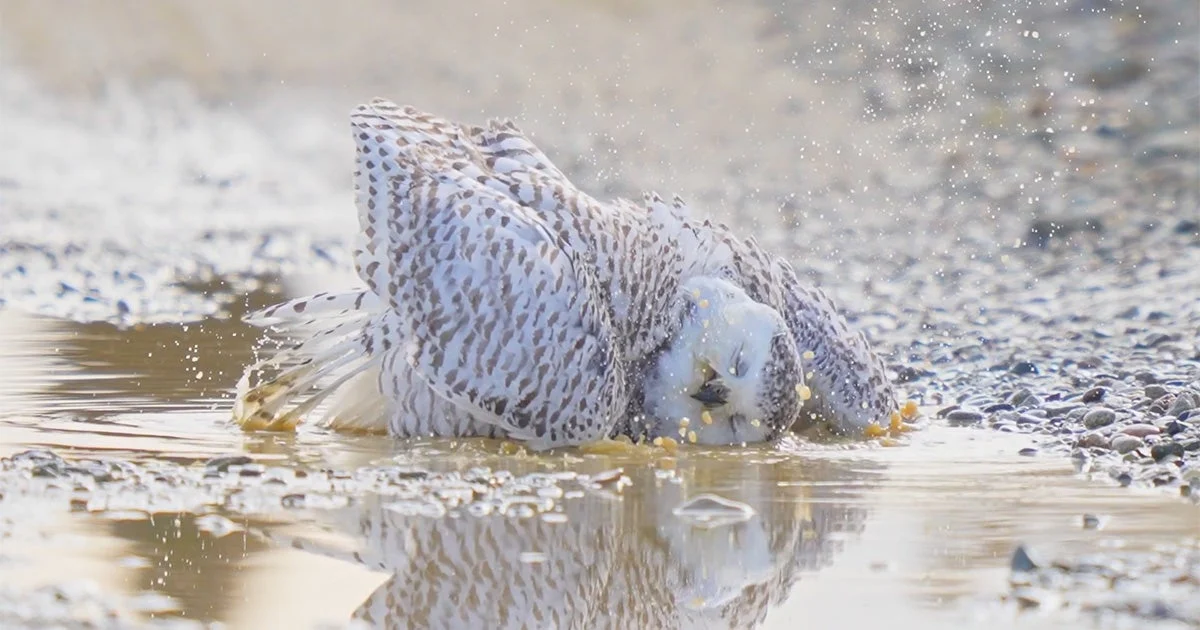
Snowy Owl (Danny Oh, Duxbury Beach, Massachusetts): This captivating video by Danny Oh captures a rare and intimate moment: a majestic Snowy Owl bathing in a melted snow puddle on a dirt road. Photographed in early December, before the owls had fully established their winter territories, the scene offers a glimpse into the active, dynamic lives of these Arctic visitors. Oh’s account highlights his commitment to ethical wildlife photography, maintaining a respectful distance to avoid stressing the bird. Snowy Owls (Bubo scandiacus), iconic predators of the open tundra, are known for their striking white plumage and formidable hunting skills. Their winter migrations to southern latitudes, often driven by prey availability, make them a thrilling sight for birdwatchers. This footage not only showcases a unique behavior but also subtly reminds viewers of the challenges these birds face, adapting to environments far from their usual Arctic homes.
-
Allen’s Hummingbird (Sukhjot Singh, Irvine, California): Sukhjot Singh’s video documents the remarkable nesting cycle of a female Allen’s Hummingbird (Selasphorus sasin) in Southern California, beginning in the unusual winter months. The footage captures the meticulous construction of the nest using fur, leaves, and spiderwebs, the arduous incubation through cold, windy nights, and the tender moments of a mother feeding her demanding chicks. The bittersweet departure of the fledglings after their first flight underscores the fragility and intensity of life in the avian world. Allen’s Hummingbirds are known for their iridescent orange-green plumage and aggressive territorial behavior, particularly males. This video provides a touching testament to parental dedication and the resilience required for species to thrive even in challenging urban-adjacent environments.
-
Blue-gray Gnatcatcher (Sukhjot Singh, San Joaquin Marsh, Irvine, California): Another contribution from Sukhjot Singh features the incredibly agile Blue-gray Gnatcatcher (Polioptila caerulea). His slow-motion footage, captured at 120 frames per second and slowed to 24 fps, reveals the bird’s astonishing aerial acrobatics as it snatches gnats mid-air. The video perfectly illustrates why these tiny songbirds are aptly named "gnatcatchers," highlighting their crucial role in insect control. Documenting these constantly moving, swift birds is a significant challenge, and Singh’s patience and technical skill allow viewers to appreciate the gnatcatcher’s precise wingbeats and graceful descent. These small, active insectivores are common inhabitants of open woodlands and scrub, recognized by their slender build and distinctive blue-gray and white plumage.
-
Cedar Waxwing (Andy Raupp, Montello, Wisconsin): Andy Raupp’s charming video captures two Cedar Waxwings (Bombycilla cedrorum) playfully splashing in a shallow water feature built by him and his father. This footage not only showcases the birds’ elegant appearance but also highlights the simple yet profound importance of providing water sources for wildlife, especially during warmer months. Cedar Waxwings are distinctive for their sleek, masked appearance, silky plumage, and waxy red tips on their secondary feathers. They are highly social birds, often seen in flocks, and are primarily frugivorous, playing a vital role in seed dispersal. The video serves as a beautiful example of how small-scale, backyard conservation efforts can attract and benefit a variety of avian species.
-
Common Loon (Danny Oh, Long Lake, Bridgton, Maine): Danny Oh’s second featured video provides an incredibly tender moment of a Common Loon (Gavia immer) family. Captured during the first week after hatching, the footage shows a tiny loonlet riding on its mother’s back, full from a day of feeding, yawning, and eventually falling asleep. Oh’s dedication to observing this particular family over many years, combined with his ethical practice of hiding behind a bush to avoid disturbance, resulted in this precious and intimate glimpse into parental care. Common Loons are iconic symbols of northern wilderness, known for their haunting calls and remarkable diving abilities. Their breeding success is often tied to undisturbed freshwater lakes, making them important indicators of environmental health.
South American Splendors: Unveiling Hidden Behaviors and Unique Adaptations
-
Golden-headed Manakin (Rubén Torres Restrepo, Yalí, Antioquia, Colombia): Rubén Torres Restrepo’s video unveils the mesmerizing courtship display, or "lek," of the Golden-headed Manakin (Pipra erythrocephala). Filmed in a forest in Colombia, the footage captures adult males performing intricate "dance moves" to attract females, while juvenile males practice nearby. Restrepo’s discovery of this decades-old lek site and his understanding of the manakins’ need for a constant food source to sustain their all-day displays offer a fascinating insight into avian mating rituals. Golden-headed Manakins are small, vibrant passerines found in the tropical lowlands of South America, famous for the males’ elaborate communal displays. This video contributes significantly to documenting complex avian social behaviors in their natural setting.
-
Torrent Duck (León Felipe Jiménez, Gachetá, Cundinamarca, Colombia): León Felipe Jiménez’s video features the elusive and highly specialized Torrent Duck (Merganetta armata), showcasing a chick and its father navigating the tumultuous currents of a rushing Andean river. Jiménez’s "Behind the Shot" narrative highlights the immense challenge of photographing this shy species, requiring patience, knowledge of its behavior, and a stealthy, upstream approach. The scene masterfully captures the essence of this extraordinary duck: its extreme adaptation to fast-flowing mountain rivers, dedicated parental care, and remarkable resilience in a dynamic environment. Torrent Ducks are unique among ducks for their preference for turbulent waters, using powerful webbed feet to navigate strong currents and feed on aquatic invertebrates. Documenting their natural history, as Jiménez is doing for a short film, is crucial for understanding and protecting these specialized birds.
-
Rainbow-bearded Thornbill (Juan Jacobo Castillo, Armenia, Quindío, Colombia): Juan Jacobo Castillo’s video captures the breathtaking beauty of a Rainbow-bearded Thornbill (Chalcostigma herrani) preening and stretching its feathers in the Colombian Andes. This footage is a testament to perseverance, as Castillo waited six hours through cold, rain, and fog for the sun to break through and reveal the hummingbird. Focusing on a known perch, he captured the magical moment as the territorial bird engaged in its routine. Rainbow-bearded Thornbills are tiny, iridescent hummingbirds endemic to the high-altitude cloud forests of the Andes, known for their specialized feeding on small insects and nectar from specific flowers. This video not only highlights the bird’s stunning appearance but also the challenging conditions of its mountain habitat and the dedication required to observe such a species.
-
Black-necked Swan (Sebastian Jesus Varela Monsalve, Arauco, Chile): Sebastian Jesus Varela Monsalve’s video offers a serene glimpse of a Black-necked Swan (Cygnus melancoryphus) pair with their chicks in a wetland near Arauco, Chile. The calm demeanor of the swans by the roadside allowed Monsalve and his partner to capture this special family moment without disturbance. Black-necked Swans are the largest waterfowl native to South America, easily identifiable by their black necks and heads contrasted with white bodies, and a distinctive red knob at the base of the bill. They inhabit freshwater wetlands, lagoons, and estuaries, and are known for their graceful presence and dedicated parental care. The video underscores the importance of protecting such wetland habitats for these iconic species.
-
White-vented Plumeleteer (Juan Antonio Alonso de Juan, Pacho, Cundinamarca, Colombia): Juan Antonio Alonso de Juan’s video features a White-vented Plumeleteer (Chalybura buffonii) feeding from a Nacedero tree in his garden in Pacho, Colombia. His "Behind the Shot" narrative reveals a personal commitment to conservation: collecting native plants destined to be cut and cultivating them in his garden to create a permanent, natural feeding place for hummingbirds. This specific Nacedero tree (Trichanthera gigantea) attracts at least seven different hummingbird species. The video beautifully illustrates how individual efforts, even in a home garden, can contribute significantly to local biodiversity and provide crucial resources for species like the White-vented Plumeleteer, a medium-sized hummingbird common in the humid forests of northwestern South America.
Broader Implications for Conservation and Public Engagement
The overwhelming success of the Audubon Photography Awards’ expansion into Colombia and Chile carries significant implications for bird conservation across the Americas. By showcasing the extraordinary avian diversity of these regions, the awards serve several crucial functions:
- Increased Awareness: The stunning visuals raise global awareness about the specific species and habitats in Colombia and Chile, many of which face threats from habitat loss, climate change, and other anthropogenic pressures. This exposure can catalyze public support for conservation initiatives.
- Data Collection and Research: The photographs and videos, often captured with detailed location and technical data, can contribute to scientific understanding of bird distribution, behavior, and phenology. This "citizen science" aspect enriches ornithological research.
- Empowerment of Local Photographers: The inclusion of local talent empowers photographers and videographers in these countries, providing them with a prestigious platform to showcase their work and advocate for their local wildlife. This fosters a sense of ownership and responsibility for conservation within the communities.
- Cross-Cultural Exchange: The awards facilitate a cross-cultural exchange of knowledge and appreciation for birds, bridging geographical divides and fostering a shared conservation ethic across the hemisphere.
- Tourism and Economic Benefits: By highlighting unique and beautiful bird species, the awards can indirectly promote responsible ecotourism, providing economic incentives for local communities to protect their natural heritage.
The Audubon Society’s ongoing work in Latin America, accessible through dedicated regional initiatives, reinforces its long-term commitment to these areas. The organization’s efforts extend beyond photography awards, encompassing habitat protection, policy advocacy, and community engagement, all aimed at ensuring the survival of bird populations and the health of their ecosystems.
Conclusion: A Vision for Hemispheric Conservation
The 2025 Audubon Photography Awards, particularly with the vibrant contributions from Colombia and Chile, represent more than just a competition; they embody a vision for holistic, hemispheric bird conservation. The captivating videos, ranging from the endearing vulnerability of a loon chick to the dynamic displays of a manakin, serve as powerful reminders of the planet’s irreplaceable avian heritage. By expanding its reach and embracing the diverse talents and species of South America, the National Audubon Society has significantly amplified its message, fostering a deeper connection between people and birds, and igniting a renewed passion for protecting the miraculous lives that grace our skies and landscapes across the entire American continent.