
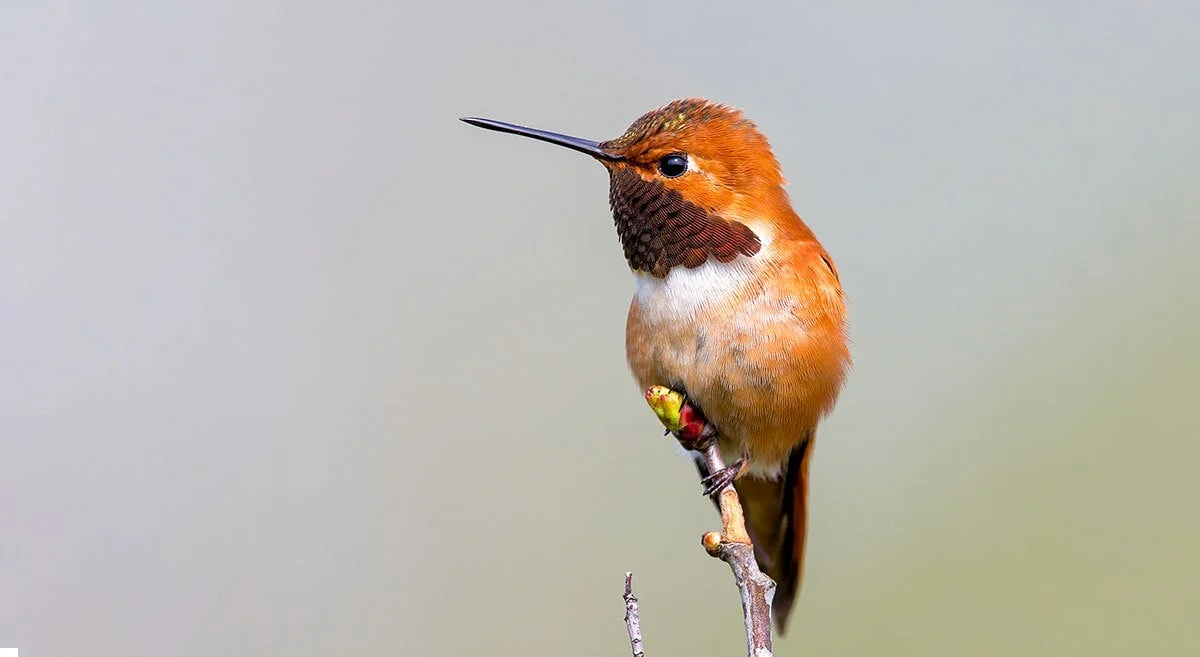
The National Audubon Society has recently cast a significant spotlight on Philadelphia, the "City of Brotherly Love," showcasing its comprehensive urban conservation efforts aimed at protecting vital migratory bird species. These initiatives, spearheaded by Audubon in collaboration with local communities and city agencies, transform urban landscapes into thriving sanctuaries, demonstrating that meaningful ecological preservation is not only possible but essential within densely populated areas. A new four-part documentary series, "Birds on the Move," further amplifies this message, tracing the epic journeys of migratory birds across the Western Hemisphere, with Philadelphia highlighted as a crucial stopover point.
The Critical Crossroads: Philadelphia and the Atlantic Flyway
Philadelphia’s strategic location along the Atlantic Flyway positions it as an indispensable stopover for hundreds of thousands of migratory birds each year. This ancient aerial superhighway, stretching from the Arctic to the Caribbean and South America, funnels countless species through the Eastern Seaboard, making major urban centers like Philadelphia critical for birds seeking rest, food, and shelter during their arduous journeys. However, these urban environments also present unique challenges, including habitat fragmentation, window collisions, light pollution, and diminished food sources. The Audubon Society’s work in Philadelphia directly addresses these threats, aiming to mitigate human-made obstacles and enhance the city’s capacity to support avian life.
The concept of urban conservation has gained increasing traction as scientists recognize the immense ecological value of green spaces within cities. These areas, often overlooked, can serve as biodiversity hotspots, critical stepping stones for wildlife, and vital corridors connecting larger natural landscapes. For migratory birds, a city park, a restored meadow, or a backyard garden can be the difference between survival and exhaustion during their multi-thousand-mile migrations.
A Tapestry of Green Initiatives: Restoring Habitats and Fostering Biodiversity
Audubon’s on-the-ground efforts in Philadelphia are multifaceted, focusing on habitat restoration, community engagement, and public education. These initiatives are not only transforming physical spaces but also cultivating a deeper connection between Philadelphians and the natural world.
Cobbs Creek Park and Whitby Meadow Transformation:
One of the flagship projects is the revitalization of Cobbs Creek Park, particularly the Whitby Meadow area in Southwest Philadelphia. Here, Audubon staff collaborated extensively with the city’s Department of Parks & Recreation and local advocacy groups like the Darby Creek Valley Association. What were once underutilized ballfields have been reimagined and meticulously transformed into vibrant meadow habitats. This ambitious undertaking, which commenced in the mid-2010s with initial planning and community consultations, involved native planting, invasive species removal, and the creation of diverse vegetative structures that provide essential food and cover for birds and pollinators.
The ecological benefits of such a transformation are profound. Native meadows, unlike manicured lawns, offer a rich tapestry of wildflowers, grasses, and shrubs that support a complex food web. They attract insects, which are a crucial food source for many bird species, especially during breeding and migration. Furthermore, meadows are excellent at stormwater management, absorbing rainfall and reducing runoff, thereby improving water quality in local waterways like Darby Creek, which eventually feeds into the Delaware River estuary. This project exemplifies how collaboration between environmental organizations, municipal entities, and community stakeholders can yield significant ecological dividends, turning degraded urban spaces into biodiversity havens. A spokesperson for the Philadelphia Department of Parks & Recreation lauded the partnership, stating, "Our collaboration with Audubon has allowed us to unlock the full ecological potential of spaces like Whitby Meadow, providing invaluable habitat for wildlife while also enhancing green infrastructure for our residents."
Cecil Street Gardens: Community-Led Green Spaces:
Beyond large-scale park restoration, Audubon has also championed smaller, community-led initiatives that empower local residents to create green spaces in their own neighborhoods. The Cecil Street Gardens project stands as a testament to this approach. Working directly with local residents, Audubon facilitated the establishment of biodiverse gardens that now flourish with a variety of native plants. These gardens, often on formerly vacant lots or neglected areas, are designed to attract pollinators like bees and butterflies, which in turn support bird populations.
The impact of projects like Cecil Street Gardens extends beyond ecology. They foster a sense of community ownership, beautify neighborhoods, and provide accessible green spaces for residents. Participants learn about native plants, ecological principles, and the importance of biodiversity, transforming them into active stewards of their local environment. A resident involved in the Cecil Street Gardens initiative remarked, "Seeing our street come alive with flowers and birds, knowing we helped make it happen, has brought our community closer and made us all appreciate nature more right outside our doors."
The Discovery Center: A Hub for Science, Education, and Engagement:
A cornerstone of Audubon’s presence in Philadelphia is The Discovery Center, situated in the Strawberry Mansion neighborhood. Opened in 2018, this unique facility serves as a vibrant nexus where science, environmental education, and community engagement converge. Located on the site of a former reservoir, the center offers unparalleled opportunities for residents, students, and bird enthusiasts to connect with the natural world.
The Discovery Center’s programming is diverse and inclusive, ranging from hands-on environmental education for schoolchildren to birding events for all ages and community science initiatives. Through programs like the annual "Philly Fall Migration Festival" or citizen science projects that monitor local bird populations, the center empowers Philadelphians to become active participants in conservation. It provides critical resources for understanding urban ecosystems, the challenges faced by birds, and practical ways individuals can contribute to their protection. The center’s emphasis on environmental justice ensures that communities historically underserved by green infrastructure have access to high-quality educational programming and natural spaces. Its role is particularly vital in fostering the next generation of environmental stewards, with thousands of students participating in its educational programs annually.
Mitigating Urban Dangers: The Bird Safe Philly Partnership
A significant threat to migratory birds in urban environments is collisions with buildings, particularly windows. An estimated hundreds of millions of birds die annually in North America due to window strikes. Recognizing the urgency of this issue, Audubon is a proud partner in Bird Safe Philly, a collaborative effort launched in 2020 by various conservation groups, including the Academy of Natural Sciences of Drexel University, Delaware Valley Ornithological Club, and Wyncote Audubon Society.
Bird Safe Philly works on multiple fronts to reduce bird collisions across the city. This includes advocating for bird-friendly building design, promoting the use of bird-safe glass or treatments, and encouraging existing structures to adopt mitigation strategies. A critical component of their work is raising public awareness about simple yet impactful actions, such as turning off non-essential lights at night, especially during peak migration periods. Light pollution can disorient birds, drawing them into urban areas where they are more susceptible to collisions. By promoting "Lights Out Philly," Bird Safe Philly empowers individuals and businesses to contribute directly to bird safety. This partnership exemplifies how a concerted, multi-organizational effort can address specific, high-impact threats, making a tangible difference for migrating birds navigating the urban labyrinth. Data collected by Bird Safe Philly volunteers during migration seasons has underscored the scale of the problem and the effectiveness of community vigilance in identifying collision hotspots and advocating for change.
The Broader Narrative: Birds on the Move Documentary
The "Birds on the Move" documentary series serves as a powerful narrative framework that contextualizes Audubon’s work in Philadelphia within a much larger ecological story. This four-part series embarks on an ambitious journey, tracing the migratory paths of birds from Canada’s Boreal Forest—often referred to as North America’s bird nursery—all the way to Colombia, the most bird-rich country on Earth. Along this incredible route, the documentary highlights the various landscapes and communities that play a vital role in ensuring these birds’ survival, including urban environments like Philadelphia.
By showcasing Philadelphia’s conservation efforts within this continental context, the documentary underscores the interconnectedness of ecosystems and the global implications of local actions. It educates viewers about the specific challenges birds face at different stages of their migration and the diverse conservation strategies employed across vast geographical scales. Philadelphia’s role as a critical refueling station is presented as an integral link in this hemispheric chain, emphasizing that the fate of these birds depends on a network of healthy habitats, from pristine wilderness to revitalized city parks. The series not only celebrates the wonder of migration but also serves as a compelling call to action, demonstrating that conservation is a shared responsibility across borders and communities.
The Urgency of Urban Conservation: Why Every City Matters
The work in Philadelphia is a microcosm of a larger, urgent need for urban conservation globally. Scientific reports, such as the 2019 "3 Billion Birds Lost" study by Cornell Lab of Ornithology and partners, reveal a staggering decline in North American bird populations—a loss of nearly 3 billion birds since 1970. This decline signals broader environmental health crises, impacting ecosystems and human well-being alike. Birds are key bio-indicators; their struggles often reflect wider ecological imbalances that can eventually affect humans through degraded air and water quality, pest outbreaks, and reduced ecosystem services.
The model developed in Philadelphia offers crucial lessons for other cities grappling with similar challenges. It demonstrates that effective urban conservation is built upon:
- Strategic Partnerships: Collaborations between non-profits, government agencies, and community groups are essential.
- Community Engagement: Empowering residents to participate directly in conservation efforts fosters sustainability and ownership.
- Science-Based Solutions: Implementing projects rooted in ecological understanding, from native plant selection to light pollution mitigation.
- Education and Awareness: Informing the public about the importance of birds and urban biodiversity.
The implications of successful urban conservation are far-reaching. Environmentally, it creates healthier, more resilient ecosystems. Socially, it enhances the quality of life for urban dwellers by providing access to nature, reducing stress, and fostering community cohesion. Economically, green spaces can increase property values, reduce energy consumption (through urban cooling), and even support ecotourism through birding. Furthermore, bird-friendly urban planning can lead to more sustainable and aesthetically pleasing cities.
Community Empowerment and Future Outlook
Audubon’s work in Philadelphia exemplifies the power of local action to drive global conservation outcomes. By restoring habitats, mitigating threats, and fostering a deep connection between people and nature, staff and volunteers are proving that even in a major metropolitan area, a future where wildlife and people thrive together is achievable.
The ongoing success of these initiatives relies heavily on continued community involvement and sustained partnerships. Organizations like Audubon Pennsylvania envision an expanded network of green spaces, a greater adoption of bird-friendly building practices, and a citizenry increasingly attuned to the rhythms of migration and the needs of urban wildlife. The "Birds on the Move" documentary serves not just as a retrospective but as an inspiration, inviting viewers to become part of this vital conservation movement. Protecting birds starts at the local level, and Philadelphia stands as a compelling example of how a city can become a vibrant, welcoming haven for all. Individuals are encouraged to explore the resources offered by The Discovery Center, participate in community science projects, support local conservation groups, and make simple changes in their daily lives, such as turning off lights at night, to contribute to this essential mission.