
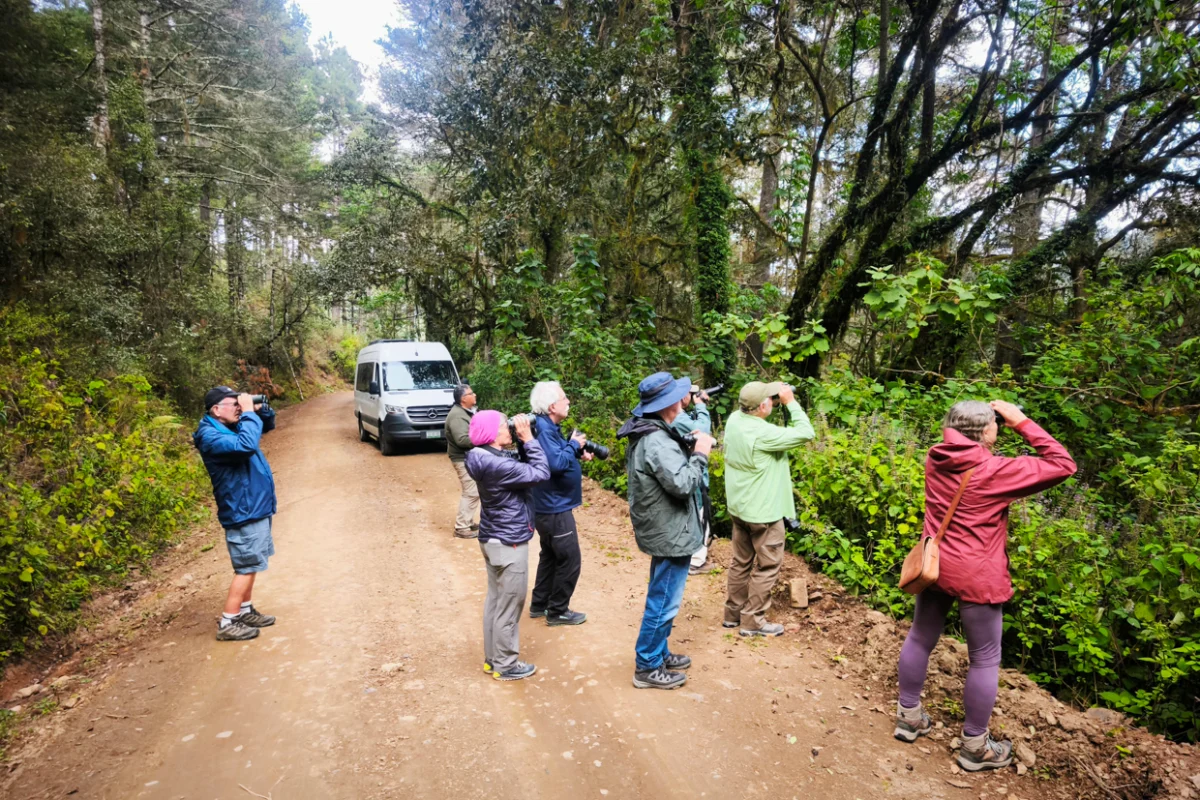
The southern Mexican states of Oaxaca and Chiapas represent one of the most ecologically diverse corridors in the Western Hemisphere, serving as a vital bridge between the Nearctic and Neotropical biological realms. A recent comprehensive ornithological expedition spanning 14 days across these regions documented a staggering 378 bird species, including 360 observed visually and 18 identified through vocalization. This survey, conducted during the peak of the winter migratory season, highlighted not only the region’s high density of endemic species but also the critical role that varied microclimates—ranging from xeric scrub and cloud forests to tropical rainforests—play in sustaining avian life. The findings underscore the international importance of these habitats for conservation, particularly as several recorded taxa are currently under consideration for elevation to full species status.

The Central Valleys and the Zapotec Highlands
The expedition commenced in the city of Oaxaca, situated at the confluence of three valleys. The initial observations at Cerro Fortín provided an immediate look at the intersection of resident and migratory populations. Early sightings of the Dusky Hummingbird, a species near-endemic to the Mexican Pacific slope, and the Virginia’s Warbler, a migratory visitor from the western United States, established a baseline for the trip’s taxonomic breadth.

On the second day, the survey moved toward the xeric scrublands of Yagul and Teotitlán del Valle. This region is characterized by columnar cacti, specifically Myrtillocactus schenkii, which is endemic to the Oaxaca-Puebla area. These botanical structures provide essential nesting and feeding sites for specialists like the Gray-breasted Woodpecker and the elusive Blue Mockingbird. The latter, typically known for its secretive behavior, was observed in an unusual display of prolonged exposure, providing valuable data on its song patterns. In the nearby Piedra Azul reservoir, the team recorded a high concentration of waterfowl and flycatchers, including the Plain-capped Starthroat feeding on American Coral trees (Erythrina americana). The day concluded with an assessment of the Tule Tree, a 1,400-year-old Montezuma cypress with the widest trunk in the world, where the presence of an American Barn Owl was confirmed.

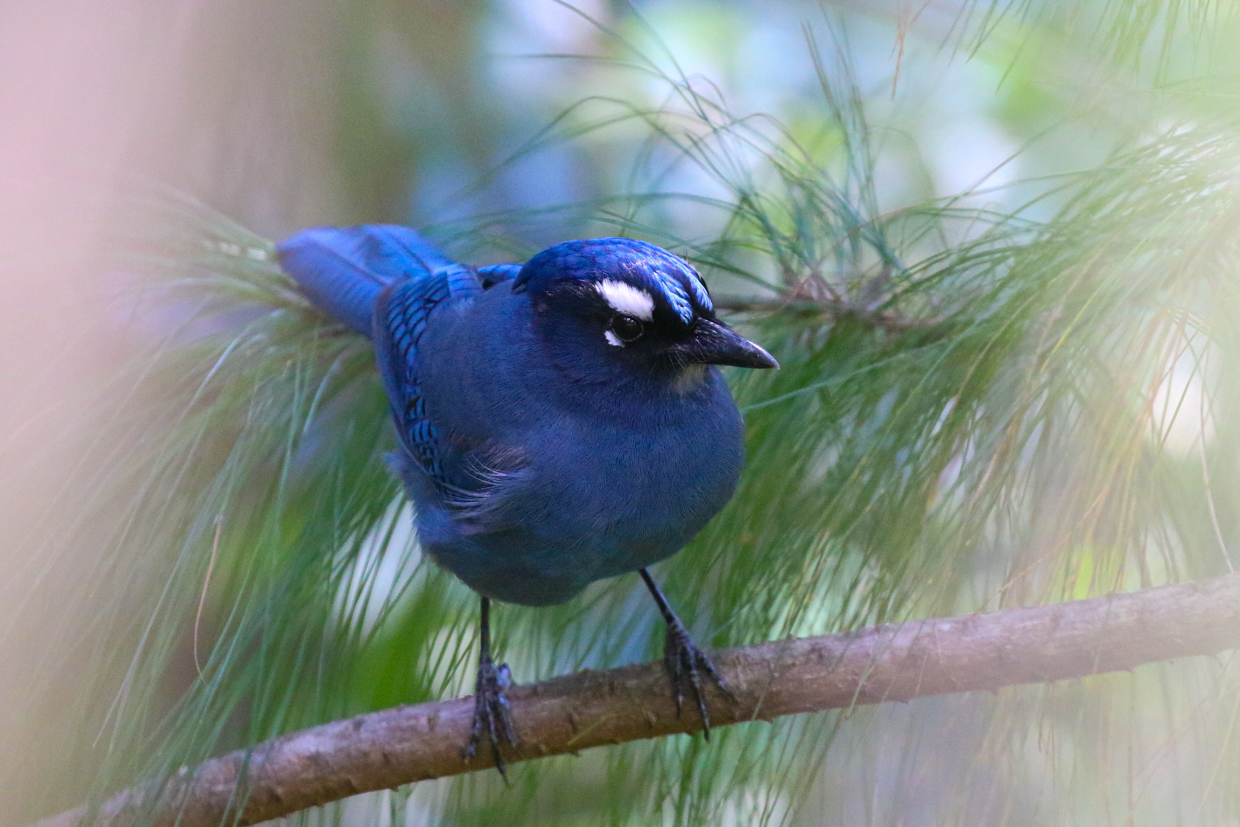
The higher elevations of Tlacolula and La Cumbre Ixtepeji offered a transition into pine-oak forests. At these altitudes, the Oaxaca Sparrow—a species often difficult to track due to its preference for dense, low-lying vegetation—was sighted. In the humid ravines of Cerro San Felipe, where trunks are heavily laden with moss and epiphytes, the team documented the Dwarf Jay and Gray-barred Wren. These species are considered "obligatory" for the region, meaning their survival is strictly tied to the health of these specific high-altitude temperate forests.

Archaeological Sites as Biological Refuges
The expedition integrated data from several major archaeological zones, proving that these protected historical sites act as inadvertent wildlife sanctuaries. At Monte Albán, despite a slow start attributed to uncharacteristic winter cold, a significant group of White-collared Swifts was recorded. This sighting was notable as the species is relatively uncommon in the central Oaxaca valley. The northern platform of the site provided a vantage point for observing migratory warblers, including the Nashville, MacGillivray’s, and Wilson’s Warblers, alongside the resident Canyon Wren.

In the final stages of the journey, the Mayan ruins of Palenque provided a similar sanctuary within a tropical rainforest context. Amidst the pyramids and temples, the team documented the Slaty-tailed Trogon, Scarlet Macaw, and Red-throated Ant-tanager. The vocalizations of howler monkeys provided an acoustic backdrop to the sighting of the Northern Barred-Woodcreeper and Ivory-billed Woodcreeper, highlighting the complex multi-layered ecosystem that exists within the ruins’ perimeter.

The Sierra Madre del Sur and the Pacific Slope
The transition from the Oaxacan valleys to the Sierra Madre del Sur mountains marked a shift into the cloud forest biome. One of the most significant biological finds of the expedition occurred here: the sighting of an Oaxaca Arboreal Alligator Lizard (Abronia oaxacae). Endemic to the state and perfectly camouflaged, this reptile has fewer than ten documented records in the Sierra Madre del Sur, making its discovery a highlight for regional herpetology as well as ornithology.

Bird activity in these humid forests was centered around the Mexican Hand Tree (Chiranthodendron pentadactylon), whose nectar-rich flowers attracted Garnet-throated Hummingbirds and Amethyst-throated Mountain-gems. The expedition also noted the Bumblebee Hummingbird, one of the smallest avian species in the world, active in the bushy undergrowth. As the survey descended toward the Pacific lowlands of Huatulco, the landscape shifted to tropical dry forests. Huatulco National Park yielded views of the Turquoise-crowned Hummingbird and Citreoline Trogon, both icons of the Western Mexican coast. A rare observation of a Zone-tailed Hawk capturing a Black Iguana atop a columnar cactus provided a dramatic example of the predator-prey dynamics in this arid environment.
The Isthmus of Tehuantepec and Coastal Wetlands
The Isthmus of Tehuantepec, the narrowest point between the Gulf of Mexico and the Pacific Ocean, is notorious for its fierce winds, which stunt forest growth to roughly four meters. Despite these conditions, the area is a stronghold for the Rose-bellied Bunting, a highly endangered species with a very localized range. The team recorded an impressive count of 30 individuals at a single location in the Sierra del Tolistoque, a significant figure for a species facing severe habitat pressure.

At the brackish interior lagoons of Santa María Xadani, the survey focused on shorebirds and waterfowl. Despite wind gusts that made tripod stability nearly impossible, the team identified American Oystercatchers, Collared Plovers, and Black Skimmers. This coastal data is vital for understanding the migratory stopover points for birds traveling along the Pacific Flyway.

The Chiapas Highlands and Mangrove Ecosystems
Moving into Chiapas, the expedition explored the La Encrucijada Biosphere Reserve via a boat survey through the mangroves. This ecosystem supported a different suite of specialists, including the Northern Potoo, Sungrebe, and Agami Heron. The Agami Heron, in particular, is a prized sighting due to its reclusive nature in dense swamp forests. The return from the mangroves produced a sighting of the Giant Wren, the largest member of the Troglodytidae family, endemic to a small strip of the Chiapas coast.

In the highlands of San Cristóbal de las Casas, the team targeted the Pink-headed Warbler, a species of significant conservation concern due to its limited range in the high-altitude forests of Chiapas and Guatemala. The team achieved prolonged views of this vibrant red warbler in the cloud forests of Tzontehuitz, alongside the Unicolored Jay and Northern Pygmy-Owl.

The Sumidero Canyon and the Grijalva Basin
The Sumidero Canyon, with its 1,300-meter vertical walls, represents a unique geological and biological feature of the Chiapas landscape. The expedition documented a fascinating social interaction among Russet-crowned Motmots, where one adult appeared to feed another with butterflies—a behavior that is rarely documented and suggests complex social bonds or courtship rituals within the species. The canyon also provided sightings of the elusive Belted Flycatcher, a species closely associated with bamboo thickets, which are increasingly rare due to agricultural expansion.

Rainforest Frontiers and the Tabasco Wetlands
The final leg of the survey took the team through the El Ocote Biosphere Reserve, a tropical rainforest characterized by karst topography. Despite high winds, the team added the Keel-billed Toucan and Montezuma Oropendola to the list. The expedition concluded in the swampy lowlands of Tabasco, near Villahermosa. The final species recorded was the Pinnated Bittern, a master of camouflage in reed beds, bringing the total count to a close.

Conservation Implications and Future Analysis
The data gathered during this 14-day survey serves as a vital snapshot of the current state of avian populations in southern Mexico. The high number of endemics and near-endemics reinforces the argument for expanded protected corridors between Oaxaca and Chiapas. Furthermore, the observation of several species that are candidates for taxonomic splits—meaning they may soon be recognized as distinct, unique species—suggests that the biological value of these regions is even higher than currently recognized.

The presence of migratory species from across North America highlights the interconnectedness of these ecosystems. The health of the Oaxacan pine-oak forests and the Chiapas mangroves is not just a local concern but a continental one, affecting bird populations from Alaska to the Yucatan. As climate change and habitat fragmentation continue to threaten these "islands" of biodiversity, the role of ecotourism and scientific expeditions in documenting and advocating for these areas becomes increasingly paramount. The 378 species recorded stand as a testament to the resilience of Mexico’s southern wilderness and a call to action for its continued protection.