
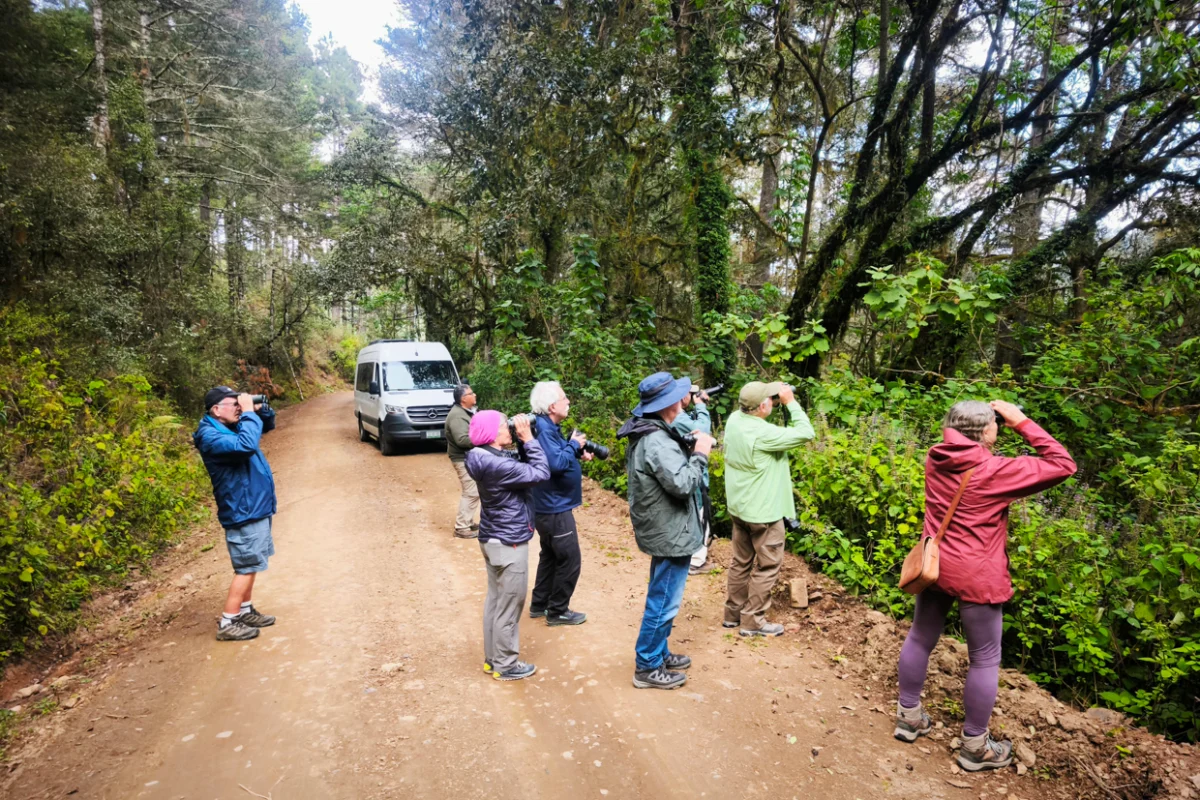
The southern Mexican states of Oaxaca and Chiapas represent one of the most ecologically diverse corridors in North America, serving as a critical habitat for a vast array of resident and migratory avian species. A recent 14-day ornithological expedition, spanning from January 14 to January 28, 2026, documented a remarkable total of 360 observed species, with an additional 18 species identified through vocalizations. This survey highlights the region’s status as a global hotspot for endemism, featuring numerous species unique to Mexico and several taxa currently under consideration for elevation to full species status. By documenting these populations across a variety of habitats—ranging from xeric scrub and pine-oak forests to tropical mangroves and rainforests—the expedition provides essential data on the current state of biodiversity in Southern Mexico.

The Central Valleys of Oaxaca and Zapotec Heritage
The expedition commenced in the city of Oaxaca, strategically located to access the diverse microclimates of the Central Valleys. Initial observations at the Hotel Victoria on the slopes of Cerro Fortín yielded sightings of the Dusky Hummingbird and Virginia’s Warbler, establishing a baseline for the mix of endemic and migratory species characteristic of the region. The survey then moved toward the Zapotec archaeological site of Yagul. This area is defined by xeric scrub and flowering columnar cacti, specifically Myrtillocactus schenkii, which is endemic to the Oaxaca-Puebla region. In this habitat, the elusive Blue Mockingbird was observed in an uncharacteristically exposed state, providing a rare opportunity for behavioral study. Other key endemics identified in the xeric landscape included the Gray-breasted Woodpecker, White-throated Towhee, and Boucard’s Wren.

The transition to the aquatic and agricultural landscapes of Teotitlán del Valle offered a shift in species composition. At the Piedra Azul reservoir, researchers noted a high density of waterfowl and flycatchers. A notable highlight was the observation of the Plain-capped Starthroat feeding on the nectar of the American Coral tree (Erythrina americana), a plant species of significant ecological and cultural value in the region. The integration of local culture was further explored through a visit to the "Bug in the Rug" weaving workshop, illustrating the intersection of natural resources—such as cochineal dyes—and traditional Zapotec artistry.

As the elevation increased toward the Benito Juarez road, the xeric scrub gave way to oak forests and humid ravines. This transition zone proved to be a high-activity area for hummingbirds, including the Mexican Violetear, Rivoli’s Hummingbird, and the Blue-throated Mountain-gem. The presence of the Red Warbler, a striking endemic, underscored the biological importance of these high-altitude humid forests. The day concluded at the Santa María del Tule, home to the world’s widest tree, where the vocalizations of the American Barn Owl were recorded, linking ancient botanical landmarks with nocturnal avian activity.

High-Altitude Specialization in the Sierra Norte
The third day of the expedition focused on the Camino San Miguel Arcangel in Tlacolula and the high-altitude forests of La Cumbre Ixtepeji. The lower xeric areas produced sightings of the Bridled Sparrow and the Sumichrast’s subspecies of the Woodhouse’s Scrub Jay. However, the higher elevations provided the most significant scientific sightings. The Oaxaca Sparrow, a species known for its secretive habits and restricted range, was observed in dense vegetation. Nearby, the Slaty Vireo, another regional specialty, was documented.

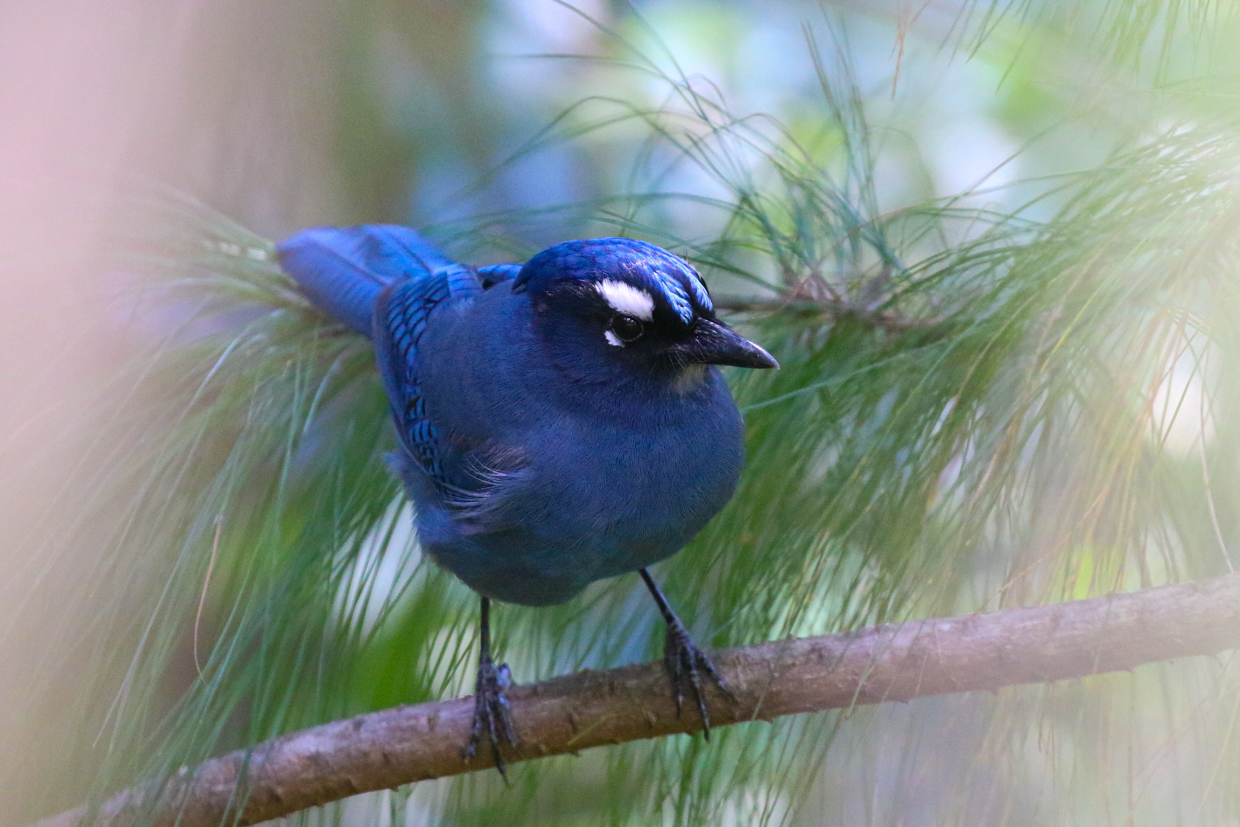
In the humid pine-oak forests of Cerro San Felipe, the ecosystem is characterized by ancient trees draped in moss, epiphytes, and bromeliads. This habitat supports the Dwarf Jay, a species of high conservation concern. Researchers observed the Dwarf Jay foraging for caterpillars on White Tepozan trees (Buddleja cordata), alongside families of Gray-barred Wrens. These observations are critical for understanding the niche requirements of these specialized mountain species, which are increasingly threatened by habitat fragmentation.

Archaeological Sites as Biodiversity Refuges
Monte Albán, the premier archaeological site of the region, served as the focus for the fourth day. Despite the cooler winter temperatures, the site’s northern platform and surrounding trails hosted a variety of migratory species, including the Blue-headed Vireo, Nashville Warbler, and MacGillivray’s Warbler. An unexpected sighting of a large flock of White-collared Swifts—a species rarely documented in the central Oaxaca valley—suggested potential shifts in local movement patterns.

The expedition then transitioned into the Sierra Madre del Sur, arriving in a cloud forest environment. The silence of the dusk was broken by the calls of the Long-tailed Wood-Partridge, a species more often heard than seen. The following day in these humid forests yielded sightings of the Garnet-throated Hummingbird and the Amethyst-throated Mountain-gem. A significant non-avian find was the Oaxaca Arboreal Alligator Lizard (Abronia oaxacae), an endemic reptile with fewer than ten previous records in the Sierra Madre del Sur, highlighting the general biological richness of these protected zones.
The Pacific Slope and the Isthmus of Tehuantepec
Moving toward the Pacific lowlands, the expedition documented the transition from shade-grown coffee plantations to tropical dry forests. In the Huatulco National Park, the survey recorded species representative of Western Mexico, such as the Citreoline Trogon, Turquoise-crowned Hummingbird, and the Orange-fronted Parakeet. The observation of a Zone-tailed Hawk predating a Black Iguana atop a columnar cactus provided a vivid example of the raptor-prey dynamics in the dry forest canopy.

The Isthmus of Tehuantepec, the narrowest point between the Gulf of Mexico and the Pacific Ocean, is characterized by high winds that stunt forest growth. This unique environment supports the Cinnamon-tailed Sparrow and the highly endangered Rose-bellied Bunting. In the Sierra del Tolistoque, a count of 30 Rose-bellied Buntings was recorded at a single location, providing valuable population density data for this vulnerable species. The coastal lagoons of Santa María Xadani added shorebirds to the survey, including the American Oystercatcher and the Reddish Egret, despite gale-force winds that challenged the researchers’ stability.

Mangroves and Highlands of Chiapas
The expedition shifted its focus to the state of Chiapas, beginning with the La Encrucijada Biosphere Reserve. A boat survey through the mangroves revealed a dense population of kingfishers, including the Ringed, Amazon, and American Pygmy varieties. Rare sightings of the Sungrebe and the Agami Heron further emphasized the importance of these wetlands. On the return journey, the Giant Wren, a Chiapas specialty, was observed, confirming the persistence of the species in its localized habitat.

Ascending into the Chiapas Highlands (Los Altos de Chiapas), the team worked with local guide Alberto Martinez. The Montetik Park and Tzontehuitz cloud forests provided sightings of the Pink-headed Warbler, a species of immense beauty and high conservation priority. The Unicolored Jay and the Blue-throated Motmot were also documented in these bromeliad-heavy forests. The Sumidero Canyon, with its 1,300-meter walls, offered a different vertical perspective, yielding sightings of the Belted Flycatcher and the Russet-crowned Motmot. Notably, researchers observed a rare social interaction among three adult Motmots involving food-sharing, a behavior that warrants further ethological investigation.

The Tropical Rainforests of Palenque and Tabasco
The final leg of the survey took place in the El Ocote Biosphere Reserve and the Mayan ruins of Palenque. Despite heavy rains and high winds, the rainforest canopy revealed Keel-billed Toucans, Montezuma Oropendolas, and Scarlet Macaws. The ruins themselves, surrounded by primary jungle, hosted the Slaty-tailed Trogon and the Red-legged Honeycreeper. The soundscape was dominated by families of howler monkeys, underscoring the intact nature of the local ecosystem.

The expedition concluded with a drive toward Villahermosa, Tabasco. The final observations in the swampy wetlands included the Snail Kite and the elusive Pinnated Bittern. The successful documentation of 360 species over 14 days serves as a testament to the biological wealth of Southern Mexico. However, the reliance on specific habitats—such as the endangered cloud forests of Chiapas and the xeric scrub of Oaxaca—suggests that continued conservation efforts are vital. The data collected during this expedition, now archived in the eBird database, provides a snapshot of avian health that will be used by researchers and conservationists to monitor these populations in the years to come.

Broader Implications and Economic Impact
The expedition also highlighted the symbiotic relationship between ecotourism and local communities. In locations like Teotitlán del Valle and San Cristóbal de las Casas, birding tourism provides a sustainable economic alternative to extractive industries. By valuing standing forests and intact ecosystems, local populations are incentivized to protect the habitats that attract international researchers and enthusiasts. The inclusion of cultural sites like Monte Albán and Palenque within the survey also demonstrates how archaeological preservation can inadvertently create "islands" of biodiversity in increasingly developed landscapes.

From a scientific perspective, the recording of 18 "heard-only" species and the observation of near-endemics awaiting taxonomic reclassification suggest that our understanding of Mexican ornithology is still evolving. As genomic sequencing and acoustic analysis become more sophisticated, many of the populations observed during this January 2026 trip may eventually be recognized as distinct species, further increasing the biodiversity value of Oaxaca and Chiapas. This report stands as a comprehensive record of one of the most successful avian surveys in recent years, bridging the gap between historical data and future conservation needs.