
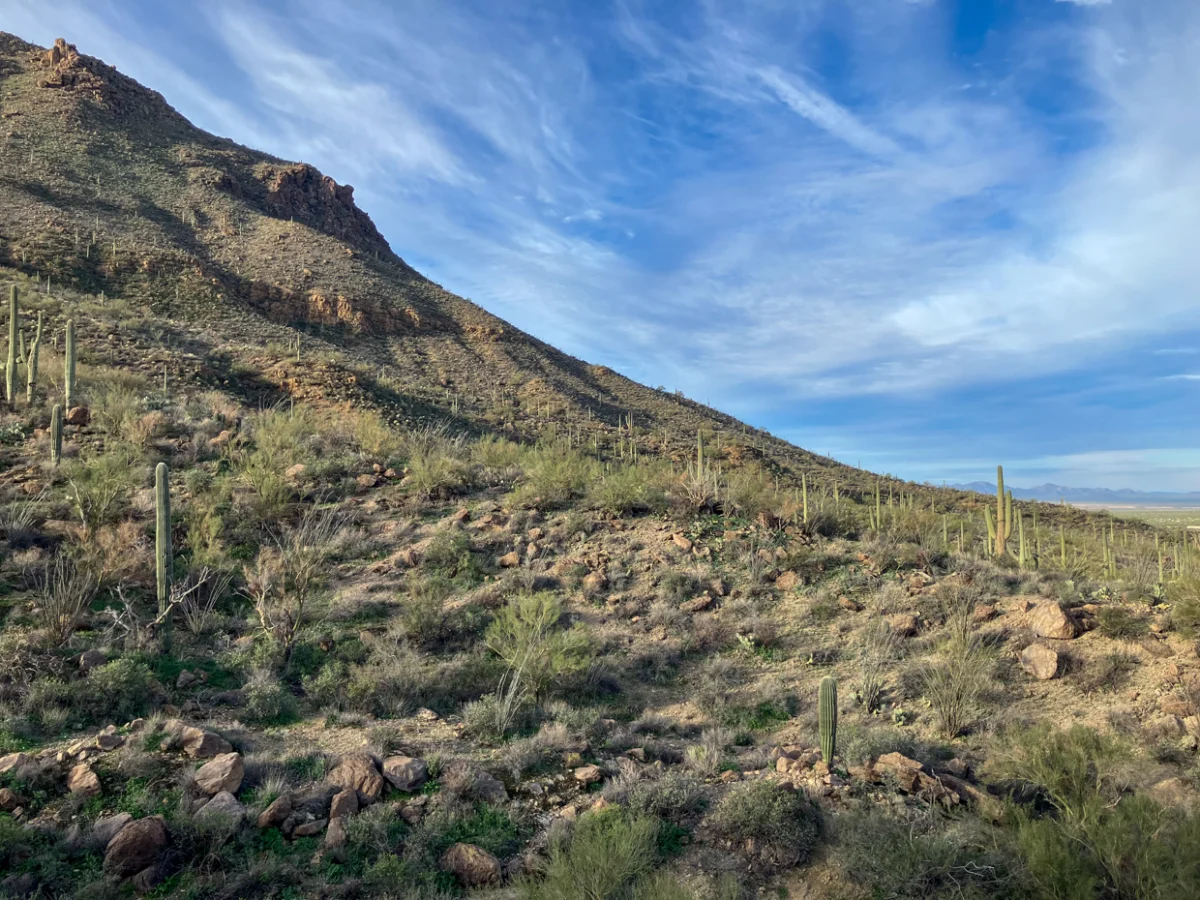
The ecological diversity of Southeast Arizona remains one of North America’s most significant ornithological crossroads, a fact reinforced by a recent multi-day winter survey across the region’s varied habitats. From the saguaro-studded slopes of the Sonoran Desert to the high-altitude "Sky Islands" of the Chiricahua Mountains, researchers and birding enthusiasts documented a vast array of species, highlighting both the resilience of local populations and the impact of persistent regional drought. The survey, which traversed key locations including Tucson, Madera Canyon, Patagonia, and the San Pedro River Valley, provided a detailed snapshot of wintering avian life in a landscape where North American and Mexican biological zones converge.

The Sonoran Desert Habitat and Urban Riparian Oases
The expedition commenced on the outskirts of Tucson, focusing on the Sonoran Desert habitat dominated by the giant saguaro (Carnegiea gigantea). These iconic cacti serve as the primary infrastructure for desert-dwelling birds. Initial observations recorded high activity among characteristic residents, including the Verdin (Auriparus flaviceps), Black-tailed Gnatcatcher (Polioptila melanura), and the Cactus Wren (Campylorhynchus brunneicapillus), Arizona’s state bird.

A primary objective in this habitat was the Gilded Flicker (Colaptes chrysoides). Unlike its more widespread relatives, the Gilded Flicker is almost entirely dependent on saguaro forests for nesting. The survey successfully identified a pair perched atop a mature saguaro, a sighting accompanied by a Crested Caracara (Caracara plancus), a raptor more commonly associated with the grasslands of the South and Central Americas but which has established a firm presence in Southern Arizona.

Recognizing the critical role of water in an arid environment, the survey moved to the Sweetwater Wetlands and local municipal parks. In the desert, these artificial and natural water bodies act as magnets for biodiversity. The documentation of fifteen duck species, including Cinnamon Teal (Spatula cyanoptera) and Bufflehead (Bucephala albeola), alongside a cooperative Sora (Porzana carolina) and the vibrant Vermilion Flycatcher (Pyrocephalus obscurus), underscores the importance of maintaining urban wetlands as stopover points for migratory waterfowl and wintering insectivores.

Transition to the Sky Islands: Madera Canyon
The second phase of the survey moved toward the Santa Rita Mountains, specifically Madera Canyon. This area is a prime example of a "Sky Island"—an isolated mountain range rising from a desert sea, creating unique microclimates that support Sierra Madrean species typically found in Mexico.

Before ascending the canyon, the group surveyed local scrublands, identifying Gambel’s Quail (Callipepla gambelii), Curve-billed Thrashers (Toxostoma curvirostre), and Abert’s Towhees (Melozone aberti). A significant find was the Rufous-winged Sparrow (Peucaea carpalis), a species with a highly restricted range in the United States, often difficult to locate outside of specific desert-grassland transitions.

Within Madera Canyon, the Santa Rita Lodge’s feeding stations provided a concentrated look at montane species. The diversity of woodpeckers was particularly notable, with Acorn Woodpeckers (Melanerpes formicivorus) and Arizona Woodpeckers (Dryobates arizonae) observed. The latter is one of the few North American woodpeckers with primarily brown plumage, limited to the oak-pine woodlands of the Southwest. Other notable observations included Mexican Jays (Aphelocoma wollweberi), Bridled Titmice (Baeolophus wollweberi), and the Rivoli’s Hummingbird (Eugenes fulgens), one of the largest hummingbird species in the region.

Riparian Health and Rare Vagrants in Patagonia
The survey continued southward to Patagonia, a region famed for its riparian corridors and the Patagonia Lake State Park. This area serves as a critical junction for rare wintering species. The group successfully located a Red-breasted Sapsucker (Sphyrapicus ruber), a rare winter visitor to the region, and a Lewis’s Woodpecker (Melanerpes lewis).

The Patagonia Lake survey revealed a significant concentration of grebes, including Western and Clark’s Grebes, which are often difficult to distinguish at a distance. The presence of these waterbirds, alongside species like the Common Raven and Chihuahuan Raven, allowed for direct morphological comparisons, an essential component of field identification and data accuracy.

One of the survey’s highlights occurred in the town of Patagonia itself, where a male Williamson’s Sapsucker (Sphyrapicus thyroideus) was observed in a public park. This species is known for its extreme sexual dimorphism, with the male’s striking black, white, and yellow plumage contrasting sharply with the female’s more muted tones. Additionally, a Rufous-backed Robin (Turdus rufopalliatus), a Mexican species that occasionally wanders north in winter, was documented in the foothills of the Patagonia Mountains.

Community Conservation: The Paton Center for Hummingbirds
A vital data point in the survey was the Tucson Bird Alliance’s Paton Center for Hummingbirds. This facility, a former private residence turned conservation site, highlights the role of community-led efforts in preserving avian habitat. The flagship species, the Violet-crowned Hummingbird (Leucolia violiceps), was recorded here, maintaining its status as a rare but reliable winter resident in this specific locale.

The survey also noted the presence of Lazuli Buntings (Passerina amoena) and Canyon Towhees (Melozone fusca) at the center, demonstrating how supplemental feeding stations can support diverse populations during the leaner winter months when natural forage may be scarce due to drought.

Grasslands and the Sandhill Crane Migration
The expedition transitioned to the vast grasslands around Sonoita and the San Pedro House. While the ongoing regional drought has led to a noticeable decline in some sparrow and raptor numbers, the survey group identified both Western and Chihuahuan Meadowlarks, Loggerhead Shrikes, and a Prairie Falcon (Falco mexicanus).

The most dramatic spectacle of the survey took place at Whitewater Draw Wildlife Area. This site is a primary wintering ground for Sandhill Cranes (Antigone canadensis). The survey recorded thousands of cranes performing aerial maneuvers, a biological phenomenon that draws thousands of tourists to the region annually. Within the flocks of Snow Geese, several Ross’s Geese were identified, providing a rare opportunity for side-by-side comparison of the two similar species.

In an unexpected development, the group documented an adult Bald Eagle and a Rough-legged Hawk at Whitewater Draw. Both are considered rare in Southeast Arizona, with the Rough-legged Hawk typically wintering much further north in the Great Plains or the Intermountain West. Their presence may indicate shifting wintering patterns or a response to prey availability.

The Chiricahua Mountains and Portal
The final leg of the survey focused on Cave Creek Canyon in the Chiricahua Mountains, near the town of Portal. This area is renowned for its dramatic rhyolite cliffs and high biodiversity. Despite snow cover at higher elevations preventing access to the Mexican Chickadee’s primary habitat, the survey documented a Blue-throated Mountain-gem (Lampornis clemenciae), the largest hummingbird in the United States.

The woodpecker tally for the entire tour reached an impressive 11 species with the addition of the Hairy Woodpecker (Dryobates villosus) in the Chiricahuas. This high diversity of a single family (Picidae) underscores the structural complexity of the Arizona woodlands, which provide ample nesting and foraging niches.

Final Observations and Ecological Implications
The survey concluded with stops in the Willcox area, specifically Lake Cochise and the Twin Lakes Golf Course. These sites yielded observations of Crissal and Sage Thrashers, as well as a massive roost of approximately 2,000 Yellow-headed Blackbirds (Xanthocephalus xanthocephalus). The sight of such a large, concentrated flock provided a vivid conclusion to the data collection.

Data Summary and Analysis
Over the course of the expedition, the survey documented a wide spectrum of avian life, categorized by habitat:

- Desert Scrub: High stability in resident species like the Cactus Wren and Verdin.
- Riparian/Wetlands: Critical dependence on managed water sources (Sweetwater, Whitewater Draw) for migratory waterfowl and cranes.
- Sky Islands: Significant presence of Mexican-influenced species (Mexican Jay, Rivoli’s Hummingbird), though high-altitude access was weather-dependent.
- Grasslands: Evidence of drought impact, with lower-than-average sparrow density but significant raptor sightings (Prairie Falcon, Rough-legged Hawk).
Chronology of the Survey
- Days 1-2: Tucson Basin and Madera Canyon (Focus: Desert specialists and Sierra Madrean birds).
- Days 3-4: Patagonia and Sonoita (Focus: Riparian vagrants and grassland ecology).
- Days 5-6: San Pedro River, Whitewater Draw, and Portal (Focus: Crane migration and montane diversity).
- Day 7: Willcox and return to Tucson (Focus: Thrasher diversity and blackbird roosts).
Environmental Context
The findings of this survey are set against the backdrop of a multi-decade "megadrought" in the American Southwest. Ornithologists have noted that while some species, like the Vermilion Flycatcher, seem to be expanding their range northward, others, particularly grassland sparrows, are facing habitat degradation. The concentration of birds at sites like the Paton Center and Whitewater Draw highlights the increasing importance of "refugee" habitats—areas where water and food are guaranteed through conservation management.

Conclusion
The winter avian survey of Southeast Arizona reaffirms the region’s status as a premier destination for ornithological study and ecotourism. The documentation of 11 woodpecker species and rare vagrants like the Rufous-backed Robin and Red-breasted Sapsucker illustrates the dynamic nature of this ecological corridor. As climate patterns continue to shift, ongoing monitoring of these populations will be essential for conservation strategies aimed at preserving the unique "Sky Island" and Sonoran Desert ecosystems. The presence of thousands of Sandhill Cranes and the massive roosts of Yellow-headed Blackbirds serve as a reminder of the scale of avian migration and the vital role that Arizona’s wetlands play in the life cycles of birds across the Western Hemisphere.