
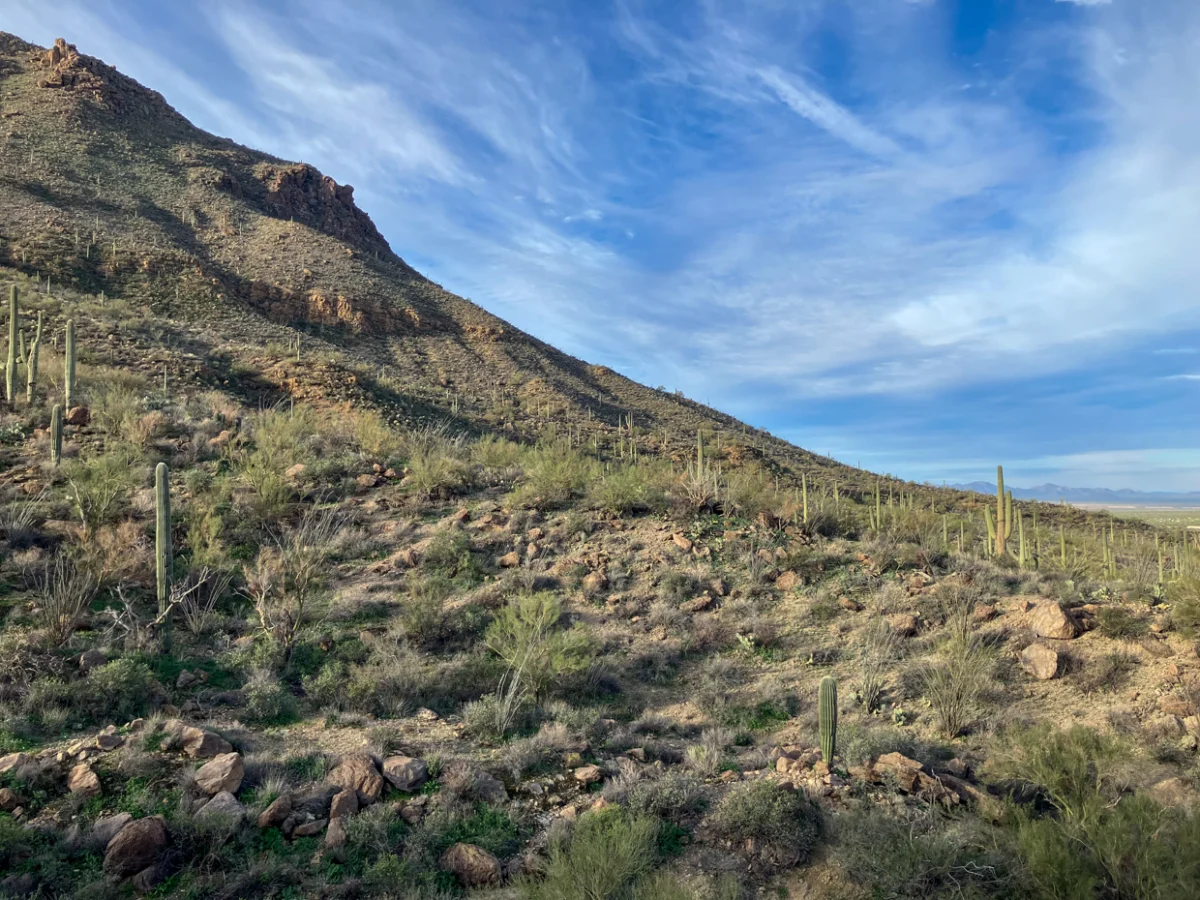
The unique ecological convergence of the Sonoran and Chihuahuan deserts with the Sierra Madre and Rocky Mountain ranges has once again proven Southeast Arizona to be a premier destination for ornithological study and ecotourism. A recent multi-day birding expedition across the region’s diverse "Sky Island" habitats has documented an impressive array of resident and migratory species, highlighting the biological importance of this corridor during the winter months. From the towering saguaro forests of Tucson to the riparian galleries of the San Pedro River and the high-altitude coniferous forests of the Chiricahua Mountains, the expedition recorded over 100 species, including rare winter vagrants and regional endemics.

Ecological Context of the Southeast Arizona Sky Islands
Southeast Arizona is defined by its "Sky Islands"—isolated mountain ranges separated by "seas" of desert and grassland. These mountains, including the Santa Ritas, the Patagonias, and the Chiricahuas, act as biological bridges between the temperate north and the subtropical south. Because of this, the region supports a level of biodiversity that is largely unparalleled in the continental United States. For birders and biologists, the winter season offers a unique window to observe altitudinal migrants—birds that move from high peaks to lower valleys to escape the snow—alongside wintering waterfowl and raptors that have traveled thousands of miles from the Arctic and Canada.

The recent expedition navigated these varying elevations, beginning in the low Sonoran Desert and culminating in the high-country forests, providing a comprehensive snapshot of the region’s avian health and distribution.

Phase I: The Sonoran Desert and Urban Wetlands
The survey began on the western edge of Tucson, within the saguaro-dominated landscapes that characterize the Sonoran Desert. The saguaro cactus (Carnegiea gigantea) serves as a keystone species in this environment, providing nesting cavities and food sources for a variety of specialized birds.

Observers identified several desert-adapted species, including the Verdin, Black-tailed Gnatcatcher, and the Cactus Wren, Arizona’s state bird. A primary objective in this habitat was the Gilded Flicker, a woodpecker species almost entirely restricted to saguaro forests. The team successfully documented a pair of Gilded Flickers, a significant sighting given the species’ specific habitat requirements and the increasing pressure on desert ecosystems due to urban expansion.

Following the desert survey, the focus shifted to the Sweetwater Wetlands and local municipal parks. In the arid Southwest, man-made wetlands and reclaimed water facilities have become vital refuges for migratory waterfowl. The expedition recorded fifteen species of ducks, including Cinnamon Teal and Bufflehead, alongside more elusive marsh birds like the Sora. The presence of the Vermilion Flycatcher—a vibrant insectivore—provided evidence of the sustained insect populations supported by these permanent water sources even in mid-winter.

Phase II: Woodpecker Diversity and the Santa Rita Mountains
As the expedition moved south toward Green Valley, the focus transitioned to the diversity of the Picidae family. Southeast Arizona is renowned for its woodpecker variety, and the group eventually recorded eleven different species during the trip. Notable sightings included the Lewis’s Woodpecker and a rare wintering Red-breasted Sapsucker, the latter of which is typically found further west and north, making its presence in Green Valley a highlight for regional data collection.

The second full day was dedicated to Madera Canyon in the Santa Rita Mountains. Madera Canyon is one of the most famous birding locations in North America, serving as a primary example of a Sky Island drainage. At the Santa Rita Lodge feeding stations, the group observed "Sierra Madrean" species—birds whose ranges primarily extend through the mountains of Mexico. These included:

- Arizona Woodpecker: A brown-backed woodpecker with a very limited U.S. range.
- Mexican Jay: A social, non-crested jay typical of oak-pine woodlands.
- Bridled Titmouse: Noted for its complex facial patterns and preference for oak habitats.
- Rivoli’s Hummingbird: One of the largest hummingbirds in the United States.
Short hikes along the canyon’s flowing streams yielded sightings of the Painted Redstart and the Red-naped Sapsucker, illustrating the importance of riparian corridors within the mountainous terrain.

Phase III: The Patagonia-Sonoita Creek Preserve and Grasslands
The expedition continued to the town of Patagonia, a world-renowned birding hub centered around the Patagonia-Sonoita Creek. This area is famous for its "Canyon-Effect," where the lush riparian vegetation attracts rare Mexican species that rarely cross the border.

At the Tucson Bird Alliance’s Paton Center for Hummingbirds, observers documented the Violet-crowned Hummingbird, a flagship species for the center. The surrounding foothills offered a sighting of the Rufous-backed Robin, a shy Mexican visitor that is highly sought after by North American birders.

The transition from the lush creek-side to the vast grasslands of Sonoita provided a stark contrast in species composition. In these open expanses, the team identified:

- Meadowlarks: Both Western and Chihuahuan species were noted, requiring careful auditory and plumage distinction.
- Loggerhead Shrike: A predatory songbird that thrives in open country.
- Mountain Bluebird: A winter visitor from higher latitudes or altitudes.
- Chestnut-collared Longspurs: A flock of these grassland specialists was observed in flight, though they remained elusive on the ground, a behavior often linked to their camouflage strategies in dry winter grasses.
Phase IV: The San Pedro River and the Sandhill Crane Migration
The San Pedro River represents one of the last undammed, free-flowing rivers in the Southwest. The San Pedro House, a historic ranch turned conservation center, provided sightings of the Green-tailed Towhee and a Western Screech-Owl roosting in a Fremont cottonwood. These ancient trees are essential for cavity-nesting raptors and owls.

The expedition then moved to Whitewater Draw Wildlife Area, a critical wintering ground for Sandhill Cranes. Each winter, tens of thousands of these large, prehistoric-sounding birds migrate from their breeding grounds in the northern U.S. and Canada to the Sulphur Springs Valley. The group observed the cranes performing their characteristic "aerial acrobatics" as they returned to the shallow waters to roost.

In addition to the cranes, the wetlands at Whitewater Draw hosted:

- Snow and Ross’s Geese: Providing an opportunity for side-by-side comparison of these two similar white geese.
- Bald Eagle: An adult was documented, representing a significant sighting for this part of Arizona.
- Rough-legged Hawk: A rare winter visitor from the Arctic tundra, marking a southern extreme for its wintering range.
Phase V: The Chiricahua Mountains and the Cave Creek Canyon
The final leg of the journey took the team to the Chiricahua Mountains, the largest and most biologically diverse of Arizona’s Sky Islands. Nestled in Cave Creek Canyon, the town of Portal serves as the gateway to this rugged wilderness.

Despite snow cover at higher elevations limiting access to the habitat of the endemic Mexican Chickadee, the expedition found success at lower-elevation feeding stations. Observations included the Blue-throated Mountain-gem—the largest hummingbird in North America—and the Woodhouse’s Scrub-Jay.

The journey back toward Tucson included a stop in Willcox at Lake Cochise and the Twin Lakes Golf Course. These sites are famous for attracting rare shorebirds and waterfowl. The expedition concluded with a spectacular sighting of a flock of approximately 2,000 Yellow-headed Blackbirds, their golden heads creating a visual spectacle against the desert twilight.

Data Analysis and Environmental Implications
The data collected during this expedition serves as a vital indicator of the environmental health of Southeast Arizona. Several key takeaways emerged from the observations:

- Impact of Ongoing Drought: The expedition noted lower-than-average numbers of certain sparrow and raptor species in the Chihuahuan desert scrub. This is likely a direct result of the prolonged drought conditions affecting seed production and rodent populations. The "quietness" of the grasslands around Sonoita further supports the concern that fluctuating precipitation patterns are altering winter bird distributions.
- Importance of Managed Wetlands: The heavy reliance of birds on sites like Sweetwater Wetlands and Whitewater Draw highlights the critical role of water management in conservation. As natural cienegas (wetlands) disappear, these managed areas become the primary survival sites for migratory species.
- Climate and Vagrancy: The presence of species like the Red-breasted Sapsucker and the Rufous-backed Robin suggests that Southeast Arizona remains a vital "sink" for vagrant species, providing a necessary buffer for birds that have drifted off their traditional migratory paths.
- Economic Impact: Birding tourism is a significant economic driver for Pima, Santa Cruz, and Cochise counties. The presence of international birders at sites like Madera Canyon and the Paton Center underscores the need for continued habitat protection to support the local economy.
Conclusion
The winter birding expedition through Southeast Arizona successfully documented a high level of avian diversity across multiple biomes. From the recording of eleven woodpecker species to the massive congregations of Sandhill Cranes and Yellow-headed Blackbirds, the trip reaffirmed the region’s status as a critical crossroads for North American birdlife. However, the observed effects of drought serve as a reminder of the fragility of these Sky Island ecosystems. Continued conservation efforts, particularly regarding water rights and the preservation of riparian corridors, will be essential to ensure that this unique corner of the world remains a sanctuary for both resident and migratory birds for generations to come.