
In an upcoming educational webinar designed for avian enthusiasts and pet bird owners, Dr. Stephanie Lamb will delve into the complex and often distressing subject of avian neoplasia. Scheduled for Friday, April 10, 2026, at 12:00 p.m. PST, this session, titled "Avian Vet Insider – Avian Neoplasia, Part 1," aims to demystify the various forms of cancerous and tumorous growths that can affect pet birds. The webinar will cover a spectrum of neoplastic conditions, ranging from common and benign skin masses to more aggressive and potentially incurable diseases, offering insights into both frequently encountered and rarer avian cancers. This marks the first installment of a two-part series, acknowledging the breadth and seriousness of the topic.
The "Avian Vet Insider" series is a recurring initiative hosted by [Name of Hosting Organization, e.g., Lafeber Company’s Avian Health Division], a recognized authority in avian health and research. This program has consistently provided pet bird owners and veterinary professionals with access to leading avian veterinarians and specialists, offering in-depth discussions on critical aspects of bird care and well-being. Previous webinars have addressed topics such as common avian diseases, nutritional guidelines, behavioral issues, and emergency care, building a valuable repository of knowledge for the avian community. The introduction of a specialized series on neoplasia underscores the growing concern and the need for greater public understanding and awareness surrounding cancer in pet birds.
Understanding Avian Neoplasia: A Growing Concern
Neoplasia, the uncontrolled proliferation of cells leading to the formation of tumors, is a significant health concern in avian species, mirroring its prevalence in mammals. While often associated with older animals, neoplastic conditions can affect birds of all ages. The broad term "neoplasia" encompasses a wide array of conditions, including benign tumors (neoplasms that do not spread to other parts of the body) and malignant tumors (cancers that can invade surrounding tissues and metastasize to distant organs).
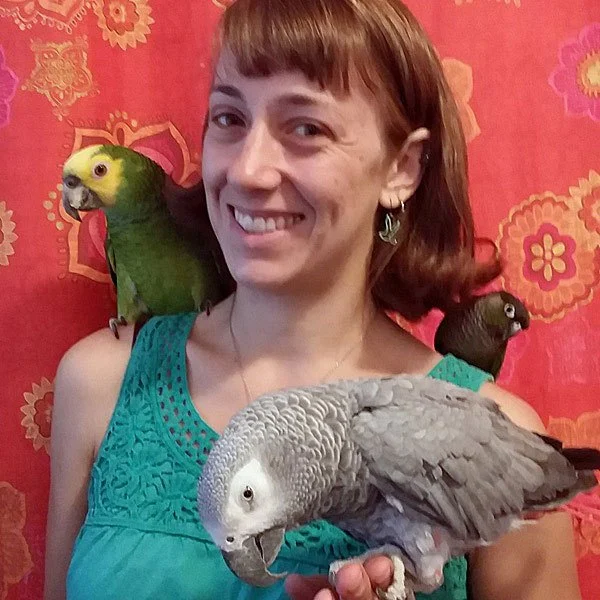
Dr. Stephanie Lamb, a respected figure in avian veterinary medicine, will lead this educational session. Her expertise, evidenced by her visual presence in promotional materials alongside Amazon and African Grey parrots, suggests a deep practical understanding of avian oncology. The webinar is strategically designed to cater to a diverse audience, including experienced pet bird owners who may have encountered similar health challenges with their own birds, as well as individuals seeking to proactively learn about neoplasia and its potential impact on their avian companions.
The decision to structure the discussion into two parts reflects the intricate nature of avian neoplasia. Part 1 is expected to lay the foundational knowledge, introducing key concepts, common presentations, and perhaps diagnostic approaches. Part 2 will likely build upon this, exploring treatment modalities, prognostic factors, and potentially more advanced or specialized neoplastic conditions. This phased approach ensures that participants can absorb complex information without feeling overwhelmed, fostering a more comprehensive understanding.
Chronology of the Event and its Context
The webinar is scheduled for Friday, April 10, 2026. This date places it within a typical academic or professional development calendar, allowing for widespread participation. The choice of a Friday midday slot (12:00 p.m. PST) is common for online educational events, aiming to accommodate professionals and enthusiasts across various time zones. A crucial element provided by the organizers is a link to a time zone converter, emphasizing the global reach of the webinar and the importance of accurate scheduling for international attendees.

The "Avian Vet Insider" series has been a consistent feature in the avian health education landscape. While specific dates for past webinars are not provided in the source material, the ongoing nature of the series implies a commitment to continuous learning and knowledge dissemination. The scheduling of this particular webinar in April 2026 suggests that it is part of a planned curriculum, potentially following other related topics or preceding further specialized discussions.
Supporting Data and Background Information
While the provided text does not include specific statistical data on avian neoplasia, general veterinary literature highlights its increasing recognition. Factors contributing to this include:
- Improved Diagnostics and Veterinary Care: As veterinary medicine advances, so does the ability to diagnose and identify diseases like neoplasia with greater accuracy. Longer lifespans for pet birds, due to better nutrition and care, also mean they are more susceptible to age-related diseases, including cancer.
- Genetic Predispositions: Certain breeds or species of birds may have genetic predispositions to specific types of cancer. For instance, some studies have indicated higher incidences of certain tumors in species like African Greys, Amazons, and budgerigars.
- Environmental Factors: While less studied than in human or other animal populations, potential environmental carcinogens (e.g., air pollutants, toxins in food or housing) are a consideration in avian health.
- Viral Infections: In some avian species, certain viruses have been implicated in the development of neoplastic diseases. For example, Marek’s disease virus, though primarily affecting poultry, serves as a precedent for viral oncogenesis in birds.
The financial implications of diagnosing and treating avian neoplasia can be substantial for pet owners. Costs can include diagnostic imaging (X-rays, ultrasounds), biopsies, surgical procedures, chemotherapy, and ongoing supportive care. The complexity of avian anatomy and physiology often necessitates specialized surgical techniques and intensive post-operative care, contributing to higher veterinary expenses. Providing owners with information on early detection and management can potentially reduce the severity of disease and associated treatment costs.
Potential Reactions and Inferred Statements
While no direct statements from related parties are included, it is reasonable to infer the following perspectives:
- From Pet Bird Owners: Many owners who have experienced neoplasia in their birds would likely welcome such a webinar. They may express a desire for more information on early signs to watch for, effective treatment options, and ways to manage the emotional and financial burden of dealing with a sick bird. Comments might reflect a sense of urgency and a search for hope and practical advice.
- From Avian Veterinarians: Veterinary professionals would likely see this webinar as a valuable resource for continuing education. They might appreciate a structured overview of current knowledge, the latest research findings, and practical tips for diagnosis and management, particularly for those in general practice who may see a broader range of avian conditions.
- From Avian Advocacy Groups: Organizations dedicated to avian welfare would likely support such educational initiatives. They might see it as a way to improve the overall health and longevity of pet birds, reducing suffering and promoting responsible pet ownership by equipping owners with critical health knowledge.
Broader Impact and Implications
The "Avian Vet Insider – Avian Neoplasia, Part 1" webinar has several significant implications for the avian community:
- Enhanced Owner Preparedness: By educating owners about the signs, risks, and potential outcomes of avian neoplasia, the webinar empowers them to be more vigilant in monitoring their birds’ health. Early detection is often critical for successful treatment and improved prognosis in many cancers.
- Demystification of a Complex Disease: Cancer is a frightening diagnosis. Providing accessible, expert-led information can help alleviate fear and misinformation, enabling owners to approach the topic with a clearer understanding and make informed decisions in consultation with their veterinarians.
- Support for Veterinary Professionals: The webinar serves as a platform for ongoing professional development, ensuring that avian veterinarians and technicians are updated on the latest advancements in avian oncology. This benefits the entire field and, by extension, the birds under their care.
- Advancement of Avian Welfare: A better-informed owner base contributes to the overall welfare of pet birds. When owners understand potential health issues and are equipped with knowledge, they are better positioned to provide appropriate care, seek timely veterinary intervention, and advocate for their birds’ health needs.
- Future Research Directions: Increased awareness and discussion around avian neoplasia can also highlight areas where further research is needed. Identifying common patterns, treatment successes, and challenges can inform future studies aimed at understanding the causes and developing more effective therapies for avian cancers.
In conclusion, the upcoming webinar on avian neoplasia represents a vital educational opportunity. By bringing together expert knowledge and a concerned audience, it aims to foster a greater understanding of a critical health issue, ultimately contributing to the improved well-being and longevity of pet birds worldwide. The two-part format suggests a commitment to thoroughness, ensuring that this complex topic is addressed with the depth and clarity it deserves.