
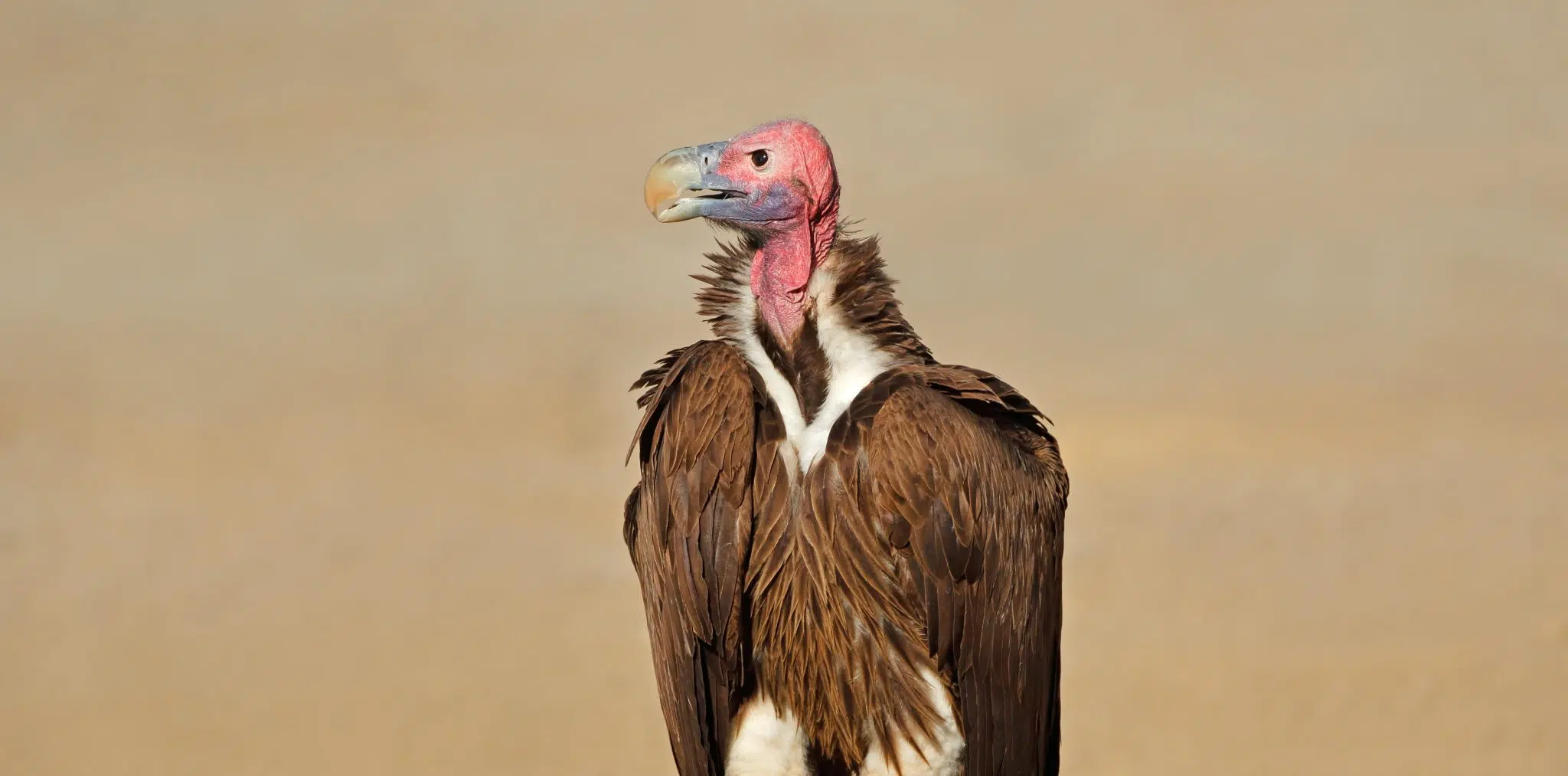
BirdLife International’s Senior Vulture Conservation Officer, Lovelater Sebele, a Zimbabwean expert operating across southern Africa, is at the forefront of a paradigm shift in conservation, advocating for inclusive strategies that embrace marginalized groups and indigenous knowledge. Her work, centered on the region’s beleaguered vulture populations, underscores the critical need to move beyond generic, top-down approaches to secure a sustainable future for these vital, yet often misunderstood, species.
The Unsung Heroes of the Ecosystem: A Critical Valuation
Vultures, often dismissed for their appearance and scavenging habits, are ecological linchpins, providing indispensable ecosystem services that are crucial for environmental health and human well-being. These services, primarily the rapid removal of carrion, prevent the spread of diseases, reduce greenhouse gas emissions from decaying carcasses, and mitigate risks to livestock and human populations. In southern Africa alone, the value of these natural services is estimated at a staggering US$1.8 billion annually. This figure, highlighted in a 2025 BirdLife International press release, encompasses averted public health costs, reduced veterinary expenses, and the maintenance of ecological balance.

Despite their profound ecological and economic contributions, vultures face severe underappreciation. Sebele candidly admits, "First of all, they are not good-looking birds. They are big with bald heads. They spend a lot of time on smelly carcasses. So people do wonder why you would actually want to work with vultures!" This sentiment often relegates vultures to the periphery of conservation efforts, which frequently prioritize charismatic megafauna like elephants, lions, and rhinos. Yet, the decline of vulture populations, with several species now listed as Endangered or Critically Endangered by the IUCN (such as the Lappet-faced Vulture, White-backed Vulture, and Hooded Vulture mentioned in the article), poses a grave threat to the very ecosystems they tirelessly cleanse. Africa has witnessed dramatic declines in vulture numbers, with some species experiencing drops of over 90% in recent decades, primarily due to poisoning (both accidental and intentional), belief-based use, habitat loss, and collisions with power infrastructure.
A Call for Inclusive Conservation: Beyond the Western Paradigm
Sebele’s central message is a powerful indictment of conventional conservation models that often exclude the very communities living alongside wildlife. The "one-size-fits-all" approach, she argues, is not only ineffective but can also be counterproductive, failing to account for the intricate tapestry of local cultures, beliefs, and socio-economic realities. Her experience reveals that true conservation success hinges on meaningful engagement with local populations, recognizing their historical ties to the land and its creatures.
In Africa, cultural connections to nature are deeply embedded, often expressed through totems and traditional narratives that link communities to specific animals and birds. These connections, while sometimes complex, offer a foundation for conservation efforts. Birds, for instance, have long served as natural indicators for African peoples, signaling changes in seasons, rainfall patterns, or impending droughts – "They see certain birds and they know the rain is about to come or that it’s going to be a dry year," Sebele notes. This demonstrates a sophisticated understanding of ecological processes, passed down through generations.

Navigating Cultural Connections and Traditional Practices
One of the most complex challenges facing vulture conservation in Africa is the "belief-based use" of vulture parts in traditional African medicine and spiritual healing. This practice, often misunderstood and demonized by external conservationists, stems from deeply rooted cultural beliefs. Vultures, due to their wide-ranging movements and ability to locate carrion from vast distances, are perceived to possess unique insights or foresight. As Sebele explains, "Over generations, Africans have been people that are very observant of their surroundings… the local explanation that they dream of where carcasses will be found means their heads became one of their body parts used for spiritual ‘belief-based’ practices."
This demand for vulture parts contributes significantly to poaching and illegal trade, exacerbating the birds’ perilous decline. Historically, conservation responses often gravitated towards outright prohibition and eradication of such practices, a strategy Sebele critiques. "There was a time when we thought about completely eradicating the use of vultures," she recalls, "but we realised that you do not get rid of a culture like that." Such blanket approaches, reminiscent of colonial-era attempts to suppress traditional African religions in favor of Christianity or Islam, tend to drive practices underground, making monitoring and intervention far more difficult. The true extent of traditional medicine use remains obscured, though associations like the one in Zimbabwe boasting 45,000 members hint at its widespread prevalence.
Evolving Strategies: From Eradication to Collaboration

BirdLife International, guided by experts like Sebele, has shifted its strategy from confrontation to collaboration. The current approach involves working directly with the custodians of culture – traditional healers – to foster a shared understanding and identify sustainable alternatives. This involves creating platforms for discussion and knowledge exchange, recognizing that many traditional healers themselves value nature and understand the implications of species loss. The goal is not to eliminate cultural practices but to evolve them, ensuring they do not harm biodiversity. "We appreciate that we will never get to a point where there is zero use of these species in medicine," Sebele states, "but we are working with traditional healers in cognizance of the culture." This nuanced approach seeks to identify alternative materials that can fulfill the same spiritual or medicinal roles without depleting wild populations.
This collaborative model is yielding tangible results. There’s a noticeable increase in community awareness regarding the illegality of killing and harvesting vultures. Reports of suspicious activities, which were once rare, are now more common, leading to arrests and prosecutions. This marks a significant shift from a time when poaching of vultures was often overlooked in reports that focused almost exclusively on more charismatic species like elephants. This progress is rooted in finding common ground: both conservationists and local communities ultimately want to see vultures survive, recognizing their intrinsic value and the vital ecosystem services they provide. There’s a growing understanding that the collapse of vulture populations would not only devastate ecosystems but also undermine traditional cultures dependent on these birds.
Systemic Challenges and the Path Forward
Beyond cultural practices, Sebele highlights broader systemic challenges within the conservation sector itself. While personally fortunate to have strong family support, she acknowledges the pervasive issues of gender and racial bias that systematically disadvantage women and people from different ethnic backgrounds in conservation roles. Furthermore, many "universal" behavior-change strategies, often developed in Western contexts, fail to resonate with African peoples’ ways of life, beliefs, and social structures. "If you try and produce a one-size-fits-all solution," she asserts, "the reality is that it fits no one perfectly."

Sebele emphasizes that "conservation is not just the plants and animals in the space; it has a social and cultural aspect to it." This calls for conservationists to be more open to these dimensions, integrating diverse knowledge systems – scientific and indigenous – to craft more effective and equitable solutions. This perspective aligns with a growing global movement to decolonize conservation, recognizing the historical injustices and power imbalances that have often characterized environmental protection efforts in the Global South.
Local Knowledge: An Untapped Resource
The integration of local knowledge offers profound benefits. Sebele recounts a surprising lesson learned from communities despite her extensive experience with vultures: "For local communities, vultures are valuable because when they lose livestock they have to spend days searching for it. If they are not seeing soaring vultures, they still hope the animal is alive. If they see vultures circling an area, the plan is to investigate what they are looking at – it saves them time they would otherwise spend searching for an already dead." This practical utility, often overlooked by external observers, provides a powerful incentive for communities to actively participate in vulture conservation.
Communities are increasingly contributing by identifying and removing threats in their landscapes, such as poison baits, and meticulously mapping nesting sites to provide crucial data for conservationists. This collective power, uniting conservationists with local communities, is proving to be an unstoppable force.

BirdLife’s Vision: A Unified Flock for Nature
Lovelater Sebele’s work embodies BirdLife International’s philosophy of a "mixed flock" – a global partnership that celebrates diversity and brings together individuals from all backgrounds, each contributing their unique character and perspective. This approach recognizes that the complexity of environmental challenges demands a multifaceted response, one that draws on a wide array of knowledge, experiences, and passions.
The call for inclusivity extends beyond local communities to the broader conservation movement. By fostering an environment where more people, especially Africans, are empowered and encouraged to engage in conservation, BirdLife aims to amplify the "global chorus for nature." As Sebele eloquently puts it, "I’m standing in for the voiceless, for organisms that have every right to be here but unfortunately cannot speak for themselves."
The Future of African Conservation

The future of African conservation, particularly for its vultures, depends on the continued embrace of inclusive, culturally sensitive strategies championed by leaders like Lovelater Sebele. By moving away from prescriptive, top-down models and instead fostering genuine partnerships with local communities, conservation efforts can become more effective, equitable, and sustainable. This involves not only protecting species but also respecting and integrating the rich cultural heritage and traditional knowledge that have long sustained the intricate relationship between people and nature on the continent. The ongoing dialogue, collaboration, and mutual learning between scientific experts and indigenous custodians of the land represent the most promising path forward for safeguarding Africa’s invaluable biodiversity.
Lovelater Sebele was interviewed by John Fuller.