
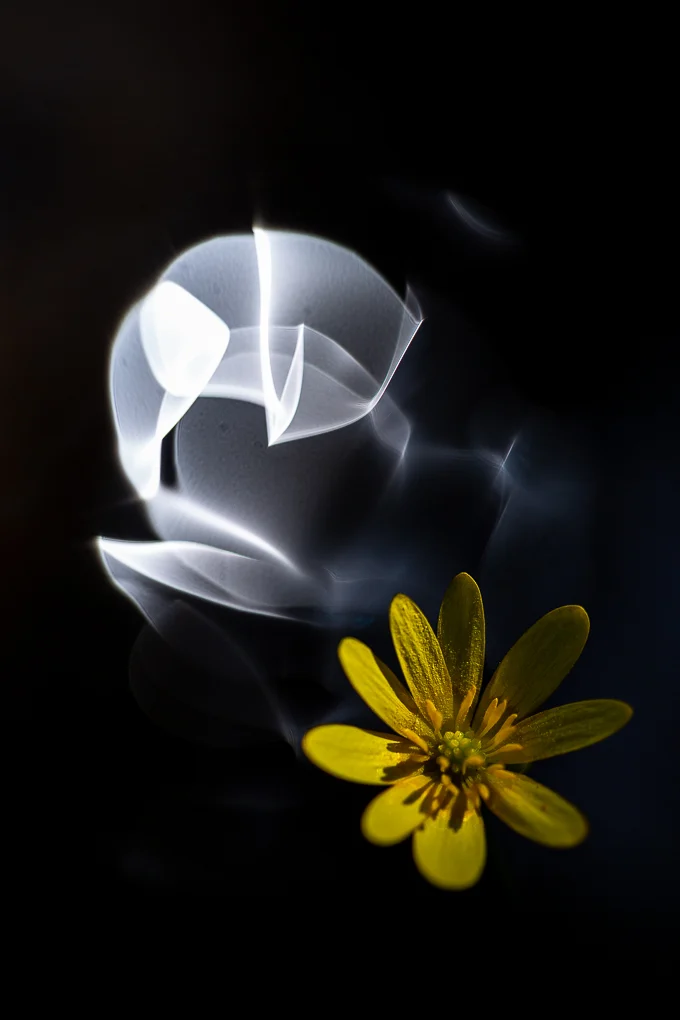
A significant shift is underway in the realm of nature photography, challenging long-held conventions that traditionally relegated midday light to an undesirable period for capturing compelling images. While the soft, ethereal glow of dawn and dusk, colloquially known as the "golden hour," has long been the revered standard among landscape and wildlife photographers, a growing number of artists are rediscovering and deliberately leveraging the intense, high-contrast conditions of the midday sun. This evolving perspective views what was once considered "harsh" light not as an impediment, but as a unique opportunity for distinctive artistic expression and technical mastery.
The impetus for this re-evaluation often arises from practical circumstances, such as extended multi-day photographic expeditions where adherence to strict "golden hour" schedules proves impractical or limiting. For instance, during a recent multi-day photography trip to Austria’s easternmost national park, a photographer found themselves in a situation that epitomizes this paradigm shift. Tasked with meeting a publishing deadline, the artist was compelled to dedicate midday hours to writing, all while surrounded by the captivating landscapes of the Neusiedler See-Seewinkel National Park. Paradoxically, this period, traditionally reserved for rest or administrative tasks due to the challenging light, now presented a compelling pull to venture out and capture the scene.

The Conventional Wisdom Challenged
For decades, the dogma in nature photography circles dictated that optimal conditions for appealing images existed primarily during the early morning and late evening. The reasons were well-founded: the sun’s low angle produces warm, diffused light, long shadows that add depth and dimension, and a reduced dynamic range that cameras handle more easily. Conversely, midday, with the sun high overhead and skies often clear, creates intense, directional light, leading to deep, unforgiving shadows and blown-out highlights. This high dynamic range often resulted in images lacking detail in both the brightest and darkest areas, making post-processing a significant challenge and leading many to simply pack up their gear until the evening.
Early photographic journeys often reinforced this perspective. Novice photographers frequently lament overcast skies, yearning for "beautiful" sunny weather, only to discover that the very conditions they desired proved more difficult to photograph effectively than the soft, diffused light of a cloudy day. It took considerable time for many to internalize that harsh sun, despite its apparent vibrancy, made creating compelling photographs significantly harder under traditional approaches.

A Paradigm Shift in Practice
However, contemporary nature photographers are increasingly seeing things differently. Beyond the aesthetic considerations, there’s a broader philosophical shift towards appreciating all natural conditions. The discourse around climate change, for example, has fostered a greater acceptance of rain and other "unideal" weather, extending this appreciation to photographic conditions. This holistic view encourages photographers to embrace every moment spent in nature, regardless of the light, seeking out unique opportunities that might otherwise be overlooked.
The pursuit of distinctive imagery also plays a crucial role. In an increasingly saturated photographic landscape, artists are constantly seeking ways to differentiate their work. Images captured under harsh midday light, while more challenging to execute, can yield results that are remarkably exciting, mesmerizing, and, critically, rarer. The sheer difficulty often means fewer photographers attempt them, making successful renditions stand out.

The Austrian Expedition: A Case Study
The Neusiedler See-Seewinkel National Park, a UNESCO World Heritage site located on the border between Austria and Hungary, offers a rich backdrop for such photographic exploration. Characterized by its vast shallow lake, extensive reed belts, and unique steppe landscapes, it is a haven for diverse birdlife and specialized flora. The very features that make it ecologically significant—expansive water bodies, varied vegetation, and open skies—also present dynamic lighting challenges and opportunities.
During the aforementioned trip, the photographer’s internal conflict between writing and shooting at noon underscored this evolving attraction to hard sunlight. This personal anecdote reflects a broader trend: the realization that even during the "off-hours," mesmerizing scenery and promising opportunities abound for those willing to look beyond conventional wisdom.

Technical Virtuosity: Mastering Harsh Light
Capturing decent images in hard light demands a higher degree of technical skill and creative problem-solving than shooting in soft, diffused light. The primary technical hurdle is the extreme dynamic range—the significant difference in brightness between the brightest and darkest parts of a scene. While modern camera sensors have improved dynamic range capabilities, midday sun can still push them to their limits.
However, photographers are learning to turn this challenge into an advantage. The pronounced contrasts, often appearing even more dramatic in-camera than to the naked eye, can lead to extraordinary photographs. A key aspect of this mastery involves liberating oneself from the rigid aspiration that all parts of an image must retain texture and cannot be completely white (blown out) or black (crushed shadows). Deliberately allowing areas to be pure black or white can serve as a powerful compositional tool, simplifying the scene and drawing the viewer’s eye to specific elements. This selective exposure is fundamental to leveraging high contrast for artistic effect.

Unveiling Hidden Beauty: Artistic Opportunities
The magic of hard light frequently resides in small, intimate scenes rather than expansive landscapes. As the light intensifies, the frame often narrows, leading photographers to reach for macro or telephoto lenses. This approach allows for detailed exploration of:
-
Reflections: Hard light reflects intensely from a wide array of natural surfaces, creating intricate patterns and secondary light sources. Water is a prime example; while an entire lake surface at noon might appear uninteresting, a closer inspection of its ripples, waves, and the way light plays across its movement can reveal mesmerizing textures and abstract compositions. Beyond water, reflective surfaces like dew-kissed leaves, iridescent insect wings, slick ice, and wet rocks or wood can become canvases for dazzling light displays.

-
Refractions: Certain natural elements possess the ability to refract light, splitting it into various colors and patterns. Water droplets clinging to spider webs or foliage, the delicate structures of dragonfly wings, or even dust particles and pollen on a water surface can become tiny prisms, creating captivating visual effects when pierced by strong sunlight.
-
Transparent Structures: Midday light excels at revealing the hidden depths, colors, and patterns within transparent or translucent natural structures. Insect wings, fine feathers, and certain leaves, which might appear opaque in softer light, become luminous and intricate when backlit by the sun. For example, a bird’s wing might reveal an unexpected spectrum of colors, or the submerged vegetation of a lake might glow with vibrant hues as sunlight penetrates the water’s surface, illuminating hidden aquatic ecosystems. Even blurred foreground vegetation, used to frame a scene, can exhibit a stunning array of colors when bathed in bright light.
Practical Advantages and Creative Freedom

Beyond the artistic possibilities, embracing midday light offers significant practical advantages. The bright conditions allow for very fast shutter speeds, eliminating the need for a tripod in many situations. This freedom from heavy equipment translates to greater agility, spontaneity, and a more relaxed photographic experience. A photographer can move quickly, experiment with different angles, and react instantly to fleeting moments without the cumbersome process of setting up a tripod. For instance, capturing a fast-moving sparrow with intricate wing feather detail under direct sun might involve settings like ISO 250, f/14, and 1/5000 sec—impossible to achieve handheld in dimmer conditions without sacrificing sharpness.
This minimalist approach, where often only a camera body and a telephoto or macro lens are required, simplifies the entire process. It allows photographers to focus more on observation and composition rather than gear management, fostering a deeper connection with the natural environment.
Compositional Strategies for High Contrast

When working with hard light, compositional strategies often pivot towards creating high-key or low-key images. While some photographers might pursue stark, high-key white photographs, many find particular allure in the "little bits of magic" within the brighter parts of a scene. This often means that the majority of the image is rendered dark or even pure black, deliberately underexposing the background to emphasize the brightly lit main subject. This technique effectively directs the viewer’s attention and enhances the dramatic impact of the light.
Crucially, achieving these striking high contrasts rarely requires complex techniques like High Dynamic Range (HDR) photography, which can often appear artificial or counterproductive in these specific scenarios. The beauty lies in capturing the inherent contrast as it presents itself. By minimizing time spent on gear manipulation or extensive post-processing, photographers maximize their time in the field, fostering exploration, experimentation, and a more authentic engagement with nature. This approach also makes photography more accessible when time constraints or challenging terrains preclude early morning or late evening shoots.
Broader Implications for Nature Photography

The growing embrace of midday light signifies more than just a technical adaptation; it represents an expansion of the nature photographer’s toolkit and a deepening of artistic sensibility. It democratizes the practice, making compelling nature photography possible throughout the day, not just during fleeting "golden hours." This shift encourages a more profound engagement with light itself, teaching photographers to perceive its nuances and potential in all its forms.
Ultimately, this evolving philosophy underscores the importance of creativity over strict adherence to traditional photographic "rules." Rather than prescribing specific compositions, perspectives, or subjects, the emphasis shifts to personal vision and experimental approaches to light. By encouraging photographers to pay close attention to smaller scenes, high contrasts, reflections, and glittering light around midday, the movement fosters innovation and a continuous process of learning and discovery in the field. It is a testament to the idea that true artistry in nature photography lies in the ability to find beauty and expressiveness in every condition, celebrating the full spectrum of natural light.