
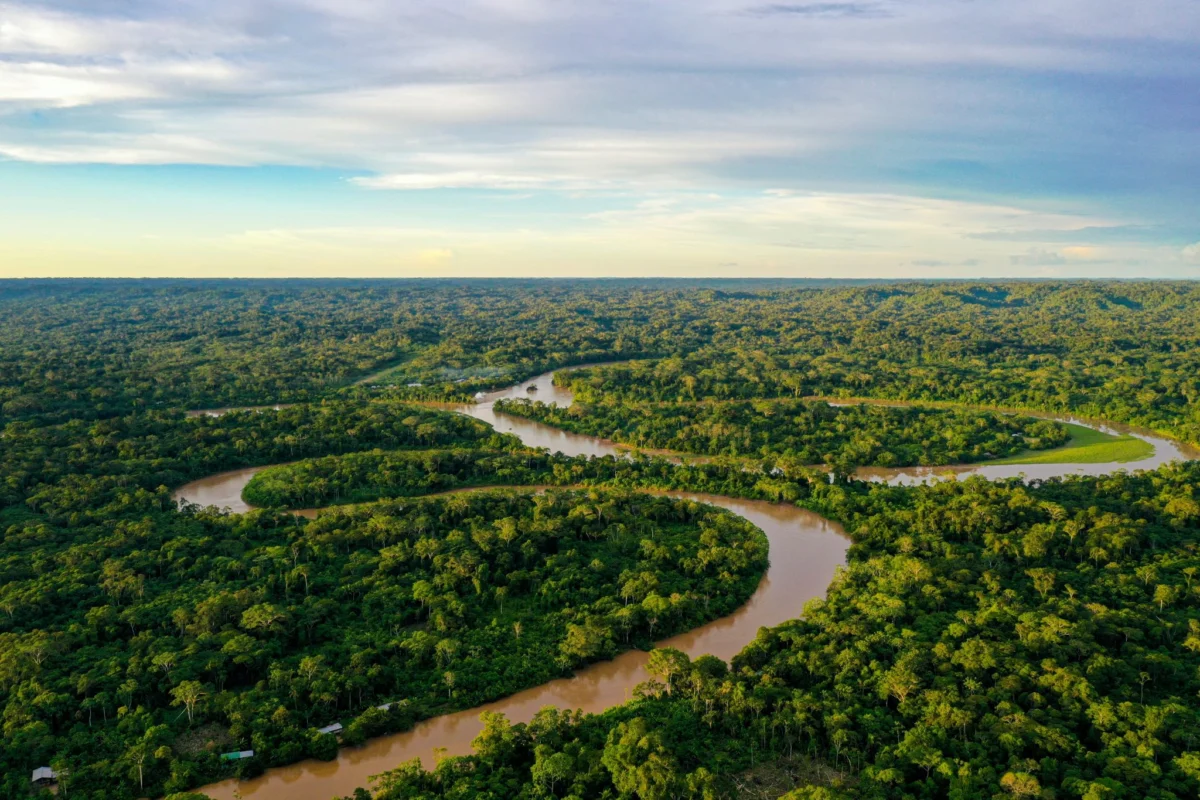
The global imperative to combat climate change and halt biodiversity loss gained significant momentum this International Day of Forests, as BirdLife International highlighted the transformative impact of its Forest Impact Accelerator (FIA). This innovative program is designed to convert promising, locally-led conservation initiatives into robust, financially sustainable solutions, fostering climate resilience and safeguarding critical ecosystems for both nature and people. Launched as a critical response to escalating environmental threats, the Accelerator represents a forward-thinking approach to conservation, moving beyond traditional grant-based models to embrace sustainable finance and empower communities directly.
The Indispensable Role of Forests in a Changing Climate
Celebrated annually on March 21st, International Day of Forests serves as a poignant reminder of the invaluable contributions of these vital landscapes to planetary health and human well-being. Forests, which cover nearly a third of Earth’s landmass, are biodiversity hotspots, harboring over 80% of all terrestrial animal, insect, and plant species. Beyond their biological richness, they are indispensable for ecological stability, acting as Earth’s lungs by recycling the air we breathe, purifying water, regulating rainfall patterns, and serving as colossal carbon sinks. This immense capacity for carbon sequestration positions forests as a cornerstone in the global fight against climate change, absorbing vast quantities of atmospheric CO2 and mitigating its most severe impacts.
However, these crucial ecosystems are under unprecedented threat. Worldwide, climate change is intensifying the frequency and severity of extreme weather events, including devastating floods, prolonged droughts, scorching heatwaves, and catastrophic wildfires. These phenomena lead to widespread degradation of forest landscapes, decimating biodiversity and profoundly impacting the hundreds of millions of people – approximately 300 million – who call forests home and depend on them for their livelihoods, culture, and survival. The accelerating rate of deforestation, driven by agricultural expansion, logging, mining, and infrastructure development, further exacerbates these climate vulnerabilities, creating a dangerous feedback loop that threatens global ecological collapse. According to the Food and Agriculture Organization (FAO) of the United Nations, an estimated 10 million hectares of forest were lost annually between 2015 and 2020, primarily in tropical regions. This loss not only diminishes carbon sequestration capacity but also displaces countless species and human communities, underscoring the urgent need for scalable, sustainable solutions.
Unveiling the Forest Impact Accelerator: An Incubator for Conservation Innovation
Recognizing the critical juncture at which global forests stand, BirdLife International conceived the Forest Impact Accelerator. The program was meticulously designed to address the dual challenges of climate resilience and biodiversity conservation by fostering financially sustainable initiatives. It operates much like a business incubator, providing comprehensive support to early-stage, locally-led Sustainable Finance Initiatives (SFIs). These initiatives range from community-based enterprises and Payment for Ecosystem Services (PES) schemes to innovative trust funds and high-integrity forest carbon projects. The ultimate goal is to ensure that nature conservation and restoration efforts are not only effective but also financially viable over the long term, reducing reliance on finite grant funding and creating self-sustaining models.

The Accelerator’s comprehensive support system for its partner organizations is multifaceted. Participants receive tailored technical assistance, which can include expertise in financial modeling, project management, governance, legal frameworks, and market access strategies. Seed grants provide crucial initial capital, enabling projects to de-risk their early stages and demonstrate proof of concept. A robust peer-learning network fosters collaboration and knowledge exchange among partners, allowing them to share best practices, overcome common challenges, and collectively innovate. Finally, investor matchmaking connects promising SFIs with impact investors, philanthropic organizations, and other sources of sustainable finance, facilitating the transition from concept to full functionality and long-term sustainability.
Ambitious Goals and Measurable Impact: A Five-Year Vision
The current five-year programme of the Forest Impact Accelerator sets ambitious targets for its cohort of initiatives. It aims to guide 23 SFIs through various stages of development, with a specific goal of enabling 13 of these initiatives to achieve full operational functionality. Collectively, these projects are poised to significantly impact global conservation, targeting the protection and restoration of one million hectares of Key Biodiversity Areas (KBAs). KBAs are sites of global importance for the conservation of biodiversity, identified using globally standardized criteria, making their protection crucial for safeguarding endangered species and critical habitats. Beyond ecological benefits, the Accelerator is committed to generating tangible socio-economic benefits for over 200,000 people, with a deliberate focus on ensuring that at least 30% of beneficiaries are women, thereby promoting gender equity and empowerment within conservation efforts.
To ensure transparency, accountability, and adaptive management, the impact of the Accelerator will be meticulously tracked through a sophisticated Forest Impact Dashboard. This innovative platform integrates both local, ground-level data and global remote sensing information to provide a holistic view of project progress and outcomes. It monitors key indicators across three critical dimensions: climate (e.g., carbon sequestration, reduced emissions), biodiversity (e.g., species populations, habitat restoration), and social outcomes (e.g., improved livelihoods, community well-being, inclusion). This integrated data approach allows for real-time monitoring, enabling partners and funders to understand the tangible impacts of their investments and adapt strategies as environmental and social conditions evolve.
Christina Van Winkle, Forests Programme Officer at BirdLife International, underscored the significance of the Accelerator on International Day of Forests: "On this International Day of Forests, we are celebrating the power of innovation to keep our forests standing. BirdLife’s Forest Impact Accelerator is transforming the future of conservation by unlocking sustainable finance, empowering local Partners, and scaling up solutions that protect over a million hectares of vital tropical forest while supporting the communities and biodiversity that depend on them. It proves that when we value forests for the life they sustain, we can secure them for generations to come." Her statement reflects the program’s core philosophy: leveraging financial innovation and local leadership to achieve enduring conservation outcomes.
The Inaugural Cohort: Global Reach and Local Expertise
This year’s cohort of the Forest Impact Accelerator comprises ten selected partners, spanning diverse tropical forest landscapes across Africa, Asia, and the Americas. Each partner brings unique local expertise and a deep understanding of the specific climate risks and biodiversity challenges facing their region. While geographically varied, these initiatives share a common strategic thread: building resilience through diversification. This approach extends across both ecosystems and livelihoods. Ecologically, projects focus on restoring degraded areas, protecting intact forests, and connecting fragmented habitats to enhance overall ecosystem health and function. For livelihoods, diversification strategies include the sustainable harvesting of Non-Timber Forest Products (NTFPs), the implementation of agroforestry systems, the development of ecotourism ventures, the establishment of Payment for Ecosystem Services (PES) schemes, and participation in high-integrity carbon credit markets. This combination of ecological and livelihood diversification is crucial for reducing exposure to climate hazards and creating both financial and ecological buffers that can absorb the shocks of extreme weather events.

The FIA’s measurement framework for these projects is comprehensive, encompassing both quantitative and qualitative indicators. Quantitatively, it tracks metrics such as hectares of forest restored, tree cover gain, and the status of globally threatened species within the project areas. Qualitatively, it assesses indicators vital for human well-being and social equity, including income diversification, levels of community inclusion, and other measures of social well-being. This dual approach ensures that the Accelerator not only tracks broad ecological impact but also monitors what truly matters to the local communities who are at the forefront of conservation efforts. This bespoke tracking mechanism allows for nuanced understanding, recognizing that while some indicators are portfolio-wide, others are highly specific to the local context and community needs of individual projects.
Designing for Climate Resilience: A Proactive and Integrated Approach
A distinguishing feature of the Forest Impact Accelerator is its foundational integration of climate risk assessment into the very design of each project. From inception, partners are guided to meticulously assess local climate hazards, including the specific threats of floods, fires, and droughts prevalent in their regions. They then identify which populations, ecosystems, and economic activities are most exposed and vulnerable to these risks. This proactive approach enables the Accelerator to support the development of nature-based actions that directly mitigate identified risks. For example, projects might focus on native forest recovery on steep slopes to significantly reduce the risk of landslides, or implement diversified agroforestry systems to create buffers against crop failure caused by unpredictable weather patterns. This direct linkage between risk assessment and solution design ensures that investments are strategically targeted for maximum resilience impact.
The Accelerator’s four-pillar support system – technical assistance, seed grants, collaborative learning, and strategic communications – is instrumental in enabling project teams to build robust business cases. This includes developing clear benefit-sharing mechanisms that ensure equitable distribution of financial and ecological gains, establishing strong governance structures for long-term sustainability, and implementing rigorous safeguarding measures to protect human rights and environmental integrity. These elements are critical in making solutions not only effective but also investable and fair, attracting the necessary capital from diverse sources.
The Forest Impact Dashboard serves as the central hub for this transparency and accountability. By combining advanced remote sensing data with detailed field-level observations and Environmental, Social, and Governance (ESG) indicators, the dashboard provides a dynamic and comprehensive view of project performance. This real-time data allows for agile, adaptive management, enabling project managers and stakeholders to respond effectively as climate conditions evolve and new challenges emerge. The ability to monitor and adjust strategies based on concrete data is crucial for ensuring the long-term success and resilience of these initiatives in a rapidly changing world.
Funding the Future of Forest Conservation: A Collaborative Model
The success of the Forest Impact Accelerator over its five-year tenure has been underpinned by the generous and far-sighted support of its funding partners. Key contributors include the Hempel Foundation, the Waterloo Foundation, and the King Charles III Charitable Fund. Their foundational support has been instrumental in establishing the Accelerator and proving its innovative model. In addition to these significant contributions, the program has successfully sourced an impressive £6 million in additional funding, achieved through close collaboration with BirdLife Partners and other stakeholders. This collaborative funding model underscores the growing recognition of the need for diversified financial instruments in conservation.

A recent and highly significant development is the award of a Darwin Initiative Extra grant, funded by the UK Government’s Biodiversity Challenge Funds. This prestigious program is dedicated to supporting global biodiversity conservation, alleviating poverty, and addressing climate change. The substantial award of £4,978,335 will be pivotal in expanding and scaling the achievements of the Accelerator. This new injection of funding is specifically earmarked to secure an additional one million hectares of Key Biodiversity Areas, further cementing the program’s commitment to protecting critical habitats. Crucially, it will also generate economic benefits for an additional 200,000 local people, demonstrating the integrated approach of the Accelerator in linking environmental protection with socio-economic development. This grant not only validates the Accelerator’s model but also provides the necessary resources to significantly broaden its reach and deepen its impact at a crucial time for global environmental action.
Vorsak Bou, CEO of NatureLife Cambodia, a partner organization, offered a testament to the Accelerator’s impact: "The Accelerator gave us the flexibility and support to test and explore ideas for sustainable finance mechanisms. We developed the skills and knowledge needed to design and implement mechanisms to attract private finance." This statement highlights the program’s success in capacity building, empowering local organizations not just with funds, but with the expertise to secure their own financial future.
Broader Implications: Towards a Sustainable Global Future
The Forest Impact Accelerator represents more than just a conservation program; it is a critical model for how the world can urgently meet its climate and biodiversity goals. Its emphasis on sustainable finance, local leadership, and integrated climate resilience aligns perfectly with several of the United Nations Sustainable Development Goals (SDGs), particularly SDG 13 (Climate Action), SDG 15 (Life on Land), and SDG 17 (Partnerships for the Goals). By demonstrating how nature-based solutions can be financially viable and generate both environmental and social returns, the Accelerator contributes to the evolving landscape of climate finance, encouraging greater private sector engagement and innovative funding mechanisms.
The program’s focus on Key Biodiversity Areas reinforces the global commitment to protecting the most irreplaceable sites for nature. By empowering communities to be stewards of these areas, it fosters long-term conservation that is both effective and equitable. The integration of ESG indicators within its monitoring framework further positions the Accelerator at the forefront of responsible investment practices, providing a blueprint for other conservation initiatives seeking to attract ethical capital.
In an era defined by converging ecological crises, the Forest Impact Accelerator stands as a beacon of hope, showcasing that with innovation, collaboration, and a deep commitment to both nature and people, a sustainable future for our planet’s forests is not only possible but actively being built, one resilient landscape at a time. The continued expansion and success of such initiatives are paramount for safeguarding the invaluable services forests provide, ensuring their survival for generations to come, and ultimately, securing the future of humanity itself.