
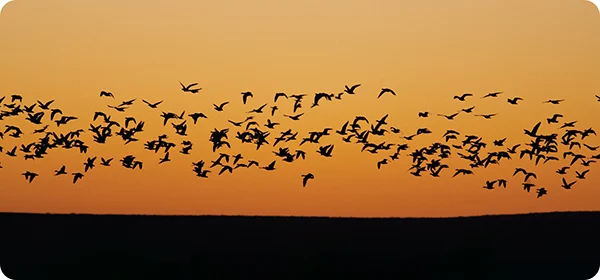
September marks a significant period of transition across natural landscapes and within the avian world, presenting both challenges and vital opportunities for wildlife. As summer’s warmth recedes, giving way to the crisp air of autumn, a cascade of biological shifts unfolds. For many species, particularly birds, this period is characterized by the demanding processes of molting and preparation for arduous migratory journeys. Understanding these natural cycles is crucial for appreciating the delicate balance of ecosystems and for providing targeted support to ensure the survival and well-being of these feathered inhabitants.
The Autumnal Equinox: A Catalyst for Natural Transformation
The transition into autumn, marked by the autumnal equinox around September 22nd or 23rd, signals a fundamental shift in daylight hours and temperatures. This environmental cue acts as a biological timer for countless species. For many humans, September signifies a return to routine: the end of summer vacations, the shift in sporting seasons from baseball to football, and the re-establishment of academic schedules with the reopening of schools and their associated extracurricular activities. However, for the natural world, these changes are not merely calendar markers but potent drivers of essential biological processes.
The landscape itself undergoes a visible transformation. The vibrant greens of summer foliage begin to yield to the burgeoning hues of fall, a prelude to the spectacular, albeit brief, display of autumn colors. Flowers complete their reproductive cycle, transitioning from blooms to seed heads and berries, providing a crucial food source for wildlife as other resources diminish. The cooling breezes offer a welcome respite from summer’s heat, but they also herald the coming winter, prompting a biological imperative for many species to adapt and prepare.
Avian Adaptations: Molting and Migration in Focus
Birds, perhaps more than any other group of animals, are profoundly affected by these seasonal shifts. Parental duties, which dominate the spring and early summer months, largely conclude by September. The shortening days trigger a restless energy, a primal instinct that signals the impending need to embark on long-distance journeys to warmer climates. This period is also characterized by a critical physiological process: molting.
Molting is the biological shedding and replacement of feathers. For adult birds, this process often occurs after the breeding season, allowing them to replace worn, damaged, or faded plumage with fresh, functional feathers. These new feathers are not merely cosmetic; they are vital for survival. Strong, intact feathers are essential for efficient flight, enabling birds to navigate vast distances during migration. Furthermore, a complete and healthy feather coat is critical for insulation, helping birds maintain their body temperature in increasingly cold weather and providing waterproofing against rain and snow.
The physiological demands of molting are immense. Growing an entire set of new feathers is an energetically expensive undertaking. Feathers are primarily composed of keratin, a protein, meaning that birds undergoing molting experience a significantly elevated need for dietary protein. Estimates suggest that the protein requirement can increase by as much as 50-100% during peak molting periods. This intense demand necessitates a substantial caloric intake to fuel the metabolic processes involved in feather growth. The duration of molting can vary, typically ranging from four to eight weeks, depending on the species and the extent of feather replacement. During this vulnerable period, birds may become less agile, and their ability to fly effectively can be temporarily compromised, making them more susceptible to predation.
Simultaneously, many bird species are preparing for or are already engaged in migration. This remarkable feat of endurance requires birds to accumulate significant reserves of body fat, their primary fuel source for sustained flight. Imagine the biological imperative: in a matter of weeks, many birds must effectively double their body weight. This is achieved through hyperphagia, an intense period of feeding where birds gorge themselves on available food sources. The drive to pack on the necessary fat reserves to fuel potentially thousands of miles of non-stop flight is all-consuming.
The Critical Role of Nutrition During Transitional Periods
The confluence of molting and migration places an extraordinary nutritional burden on birds. The need for high-quality food sources rich in fats and proteins becomes paramount. Failure to acquire adequate nutrition during these critical periods can have dire consequences, impacting an individual bird’s ability to survive the winter, successfully complete its migration, or reproduce the following spring. For many species, the stakes are incredibly high, and there is little room for error in their dietary intake.

This presents a significant ecological challenge for birds and, conversely, a vital opportunity for humans who wish to support local wildlife. By understanding these pressing nutritional needs, individuals can actively contribute to the health and survival of bird populations by providing appropriate food resources.
Empowering Backyard Bird Feeding: A Response to Natural Demands
The understanding of these avian transitional needs underscores the importance of strategic backyard bird feeding. Providing feeders stocked with high-fat and high-protein foods during September and the subsequent autumn months can offer a lifeline to birds. This is precisely the time when their dietary requirements are at their peak.
Wild Birds Unlimited (WBU), a leading franchise system dedicated to backyard bird feeding and nature specialty stores, emphasizes the critical role of providing the right nutrition during these transitional periods. Their recommendations for fall feeding often include:
- High-Energy Blends: Specially formulated WBU Plus Blends are designed to offer a balanced mix of seeds and nuts, providing essential fats and proteins.
- Peanuts: A powerhouse of protein and healthy fats, whole peanuts and peanut pieces are a highly attractive and nutritious option for many bird species, including woodpeckers, jays, and nuthatches.
- Nyjer® Seed: While often associated with finches, Nyjer (also known as thistle seed) is a high-oil content seed that provides valuable energy.
- Sunflower Chips: Shelled sunflower seeds, particularly black oil sunflower seeds, are a universally favored food for a wide array of birds due to their high fat content. Sunflower chips offer a convenient, no-mess option.
- Suet: Particularly during cooler weather, suet is an exceptionally high-fat food source that is invaluable for birds preparing for migration and enduring colder temperatures. Many suet cakes are also fortified with seeds, fruits, and insects, offering a comprehensive nutritional package.
- Bark Butter® Products: These specialized food offerings, often a blend of suet, peanut butter, and cornmeal, are designed to attract a diverse range of birds, including those that typically feed on tree bark, and provide essential fats and proteins.
By offering these targeted food options, individuals can directly address the elevated nutritional demands of molting and migrating birds. This proactive approach not only supports the well-being of the birds but also enhances the bird-watching experience for humans, drawing a greater diversity and number of birds to backyard feeders. The presence of these visitors provides a unique opportunity to observe and appreciate the natural world as it navigates these significant seasonal changes.
Educational Resources and Expert Insights
For those seeking a deeper understanding of these natural phenomena, educational resources are readily available. Wild Birds Unlimited offers a wealth of information through various channels, including their WBU Nature Centered Podcast. An episode titled "Basics of Transition" delves into the intricacies of bird behavior and nutritional needs during this critical fall period. Experts John and Brian, featured on the podcast, provide entertaining and informative insights into how to attract a wider array of bird species to backyard habitats during the autumn season, further empowering individuals to become active participants in supporting local avian populations.
The podcast and website of Wild Birds Unlimited serve as valuable platforms for disseminating knowledge about bird ecology, conservation, and the practicalities of backyard bird feeding. These resources aim to foster a greater appreciation for the natural world and to equip individuals with the tools and knowledge necessary to make a tangible positive impact on the lives of the birds they share their communities with.
Broader Implications and Conservation Efforts
The annual cycle of molting and migration is a stark reminder of the interconnectedness of ecosystems and the challenges faced by wildlife in a changing world. Factors such as habitat loss, climate change, and pollution can exacerbate the difficulties birds face during these critical transitional periods. Providing supplemental food sources through backyard feeders is a direct and accessible way for individuals to contribute to conservation efforts on a local level.
Furthermore, promoting awareness about these natural processes encourages a more informed and compassionate approach to wildlife management and habitat preservation. By understanding that birds require specific nutritional support during certain times of the year, communities can advocate for policies and practices that protect essential migratory corridors, nesting sites, and wintering grounds. The seemingly simple act of filling a bird feeder can, when informed by scientific understanding, become a powerful tool for conservation, ensuring that the beauty and ecological significance of avian life can continue to thrive for generations to come. The ongoing efforts by organizations like Wild Birds Unlimited highlight the potential for collective action to make a meaningful difference in the lives of migratory birds.