
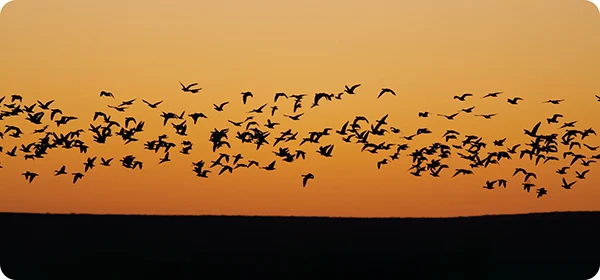
September marks a pivotal period of transition, not only for human endeavors but also for the natural world, particularly for avian populations. As family vacations conclude and the focus shifts to the academic year, the environment itself undergoes a metamorphosis. The lingering warmth of summer gradually yields to the crisp air of autumn, signaling a shift in vegetation from vibrant blooms to the formation of seeds and berries. Deciduous trees, cloaked in green at the month’s inception, prepare for their brief yet spectacular autumnal display of color. Concurrently, birds are also navigating significant life changes, driven by both instinct and environmental cues.
The Biological Imperative of Seasonal Transitions for Birds
For most bird species, the demanding period of parental care has concluded, freeing them to concentrate on their own survival needs. The shortening daylight hours, a potent biological trigger, initiate a restless energy, a subtle yet powerful preparation for the arduous journeys many will undertake to reach their wintering grounds. This period of transition is also intrinsically linked to physical renewal. Many adult birds are simultaneously undergoing a molt, shedding worn and damaged feathers to be replaced by a fresh, pristine plumage. This physiological process is not merely aesthetic; the new feathers are critical for optimizing flight efficiency, essential for long-distance migration, and for enhancing the bird’s ability to thermoregulate, maintaining core body temperature and protecting against the elements.
The demands placed on birds during these transition periods are substantial. Molting, the process of growing an entirely new set of feathers, is metabolically intensive. This complex biological undertaking can last anywhere from four to eight weeks, during which the bird’s requirement for protein, the fundamental building block of feathers, escalates dramatically. Simultaneously, the body expends significant energy to fuel this feather regeneration.
Migration, a feat of endurance and navigation, presents its own set of formidable challenges. Many migratory species must undergo a remarkable physiological transformation, often doubling their body weight in a matter of weeks. This rapid accumulation of fat reserves is crucial for providing the sustained energy required for thousands of miles of flight. The instinct to build these energy stores becomes all-consuming, driving birds to seek out and devour calorie-rich food sources.
The success of both molting and migration hinges critically on adequate nutrition. The consequences of nutritional deficiency during these periods can be severe, impacting survival rates and reproductive success in subsequent seasons. Therefore, the prioritization of high-fat and high-protein foods becomes an absolute imperative for avian populations as the seasons change.
An Opportunity for Avian Support
This critical juncture in the avian life cycle presents a unique opportunity for human intervention, specifically for backyard bird enthusiasts. By providing readily accessible, nutrient-dense food sources, individuals can play a vital role in supporting local bird populations through these challenging transitions. Offering foods that align with birds’ heightened nutritional needs—specifically those rich in fats and proteins—can make a significant difference in their ability to successfully molt and migrate.
Recommended Dietary Supplements for Backyard Birds
To effectively assist birds during this period, it is recommended to offer a variety of high-energy foods. Wild Birds Unlimited (WBU), a leading retailer in backyard bird feeding supplies, suggests several key food types that are particularly beneficial. These include their specialized WBU Plus Blends, which are formulated to meet the specific nutritional requirements of birds. Peanuts, both shelled and unshelled, are an excellent source of protein and fat. Nyjer® (also known as thistle seed), while smaller, is a favorite of finches and is rich in oil. Sunflower chips, which are hulled sunflower seeds, offer a high fat content and are easily consumed by a wide variety of birds.

Suet, a rendered animal fat, is an exceptionally calorie-dense food, especially valuable during colder months or periods of high energy expenditure like molting and migration. It is typically offered in wire cages or blocks. For a more versatile option, Bark Butter® products, often made from a blend of suet, peanut butter, and cornmeal, can attract a diverse array of birds, including those that may not typically visit traditional feeders, such as woodpeckers, chickadees, and nuthatches.
The Ecological Context and Chronology of Seasonal Bird Changes
The annual cycle of avian life is finely tuned to seasonal environmental shifts. The period of spring and early summer is typically characterized by breeding and raising young. This phase is energetically demanding for parent birds, requiring significant foraging to sustain themselves and their offspring.
-
Late Summer (August-early September): As breeding season winds down, many adult birds begin their post-breeding molt. This is a period of intense feather replacement, demanding high protein intake. Juvenile birds, having recently fledged, are also becoming more independent and may also begin molting into their first adult plumage.
-
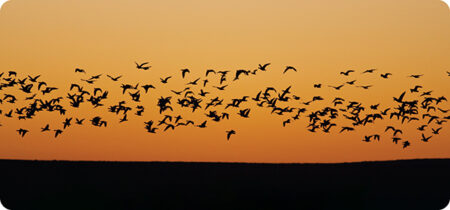
Early to Mid-September: Daylight hours continue to shorten, triggering migratory restlessness in many species. Fat reserves begin to accumulate rapidly. Some early migrants may already be departing for their southern destinations. The transition from summer flora to autumn fruits and seeds commences.
-
Late September to October: This is often the peak of migration for many songbirds and raptors. Birds are in prime condition, having maximized their fat stores. The availability of natural food sources like seeds, berries, and late-blooming insects can influence migratory routes and stopover site selection.
-
Late Autumn (November): The majority of migratory birds have completed their journeys. Resident birds are preparing for winter conditions, continuing to rely on high-energy foods to maintain body temperature and survive potential food scarcity.
Supporting Data and Scientific Insights
Research consistently underscores the nutritional needs of birds during these transitional phases. A study published in the Journal of Avian Biology highlighted that protein content in a bird’s diet can significantly influence the rate and quality of feather regeneration during molt. Similarly, studies on migratory birds, such as those examining species like the Arctic Tern ( Sterna paradisaea ), which undertakes one of the longest migrations known, demonstrate the critical role of lipid (fat) reserves. The ability to store and efficiently metabolize fat is directly correlated with migratory success and survival rates. For instance, a bird might increase its body mass by as much as 50% prior to embarking on a long flight.
The nutritional composition of natural food sources also shifts with the seasons. As insects become less prevalent in autumn, seeds, nuts, and fruits, which are typically higher in fats and carbohydrates, become more important. However, the availability and accessibility of these natural resources can be unpredictable due to weather patterns and local ecological conditions.

Broader Impact and Implications
The practice of supplementary feeding can have broader implications beyond individual bird welfare. By providing consistent and high-quality food sources, backyard feeders can act as crucial refueling stations, particularly for birds in urban and suburban environments where natural food availability may be diminished due to habitat fragmentation and development. This can support higher local bird densities and contribute to the overall biodiversity of urban ecosystems.
Furthermore, engaging with bird feeding offers a tangible connection to nature for individuals, fostering an appreciation for ecological processes and the challenges faced by wildlife. This increased awareness can, in turn, lead to greater support for conservation initiatives and more informed environmental stewardship.
The WBU Nature Centered Podcast episode, "Basics of Transition," offers further insights from experts John and Brian, who discuss strategies for attracting a wider variety of birds to backyards during the fall. This initiative underscores a commitment to educating the public about avian ecology and promoting active participation in conservation efforts through accessible and engaging platforms.
In conclusion, the transition periods of autumn present significant biological hurdles for birds. By understanding their heightened nutritional requirements and providing appropriate supplementary food, individuals can not only enhance the well-being of their local avian populations but also deepen their own connection with the natural world and contribute to the ongoing conservation of these remarkable creatures.