
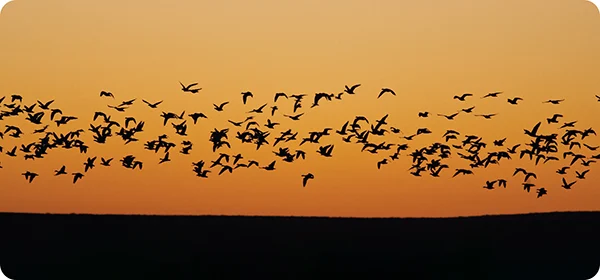
September heralds a period of significant transition, not only for human activities and the natural world but also for the avian populations that share our ecosystems. As family vacations conclude and the rhythm of daily life shifts towards academic pursuits, the natural environment undergoes its own profound metamorphosis. The oppressive heat of summer recedes, yielding to the crisp, cool air of autumn. This seasonal shift is visually marked by the transformation of blooming flowers into seed heads and ripening berries, and the deciduous trees prepare for their annual, albeit brief, spectacle of vibrant color. Crucially, birds, too, are navigating a critical phase of change, a period that, while natural, presents considerable challenges.
The Intensified Demands of Molting and Migration
For many bird species, the end of summer signifies the conclusion of their parental responsibilities. As daylight hours shorten, a subtle yet powerful instinct begins to stir, prompting a restlessness that foreshadows their long-anticipated journeys to warmer wintering grounds. Simultaneously, many birds are undergoing a physiological transformation of their own: the process of molting. This involves the shedding of old, worn feathers and the growth of a fresh set of plumage. These new feathers are not merely aesthetic; they are vital for the birds’ survival, enabling more efficient flight, providing crucial insulation against the dropping temperatures, and ensuring their waterproofing capabilities remain intact.

The biological demands of these transitions are substantial. Molting, for instance, is an energetically expensive process. Growing an entirely new set of feathers, which are primarily composed of protein, requires an immense influx of this nutrient. This molting period can last anywhere from four to eight weeks, during which a bird’s protein requirements skyrocket. This intense physiological undertaking necessitates a corresponding increase in overall energy intake to fuel the entire process.
Migration presents an equally, if not more, demanding challenge. Many migratory birds engage in a remarkable feat of physiological preparation: they dramatically increase their body weight in a short period, often doubling it, by accumulating significant reserves of body fat. This stored energy is the sole fuel source for the arduous, sustained flights that can span thousands of miles. The imperative to pack on this vital fat reserves becomes an all-consuming drive, overriding almost all other behaviors.
The Critical Role of Nutrition
The success of both molting and migration hinges on obtaining the correct nutrition. For birds, there is very little room for error during this critical period. Failure to acquire adequate protein for feather replacement or sufficient fat reserves for migration can have dire consequences, potentially leading to compromised flight, increased vulnerability to predators, and an inability to survive the journey or the harsh winter conditions. Consequently, a bird’s absolute priority during this time is to consume foods that are exceptionally high in fats and proteins.

This biological imperative presents a clear opportunity for human observers and backyard enthusiasts. By understanding the heightened nutritional needs of birds during this transitional season, individuals can significantly aid their local avian populations. Providing feeders stocked with appropriate food sources directly addresses the birds’ urgent requirements, ensuring they have the necessary resources to navigate these challenging periods successfully.
Leveraging Backyard Bird Feeders for Avian Support
The seasonal shift in bird needs offers a tangible way for people to contribute to their well-being. Offering a variety of high-fat and high-protein foods at backyard feeders can make a substantial difference. This includes readily available options such as:
- WBU Plus Blends: These specially formulated seed mixes often incorporate a higher proportion of energy-dense ingredients like nuts and seeds, catering specifically to the needs of birds during migration and molting.
- Peanuts: A rich source of protein and healthy fats, peanuts are a highly sought-after food for a wide range of bird species, from jays and woodpeckers to chickadees and nuthatches.
- Nyjer® Seed: While smaller in size, Nyjer seed is a favorite among finches and other small seed-eating birds. It provides essential nutrients and is an excellent source of energy.
- Sunflower Chips: Shelled sunflower seeds, particularly the chips, offer a concentrated burst of fat and protein, making them an efficient and highly desirable food for many backyard birds.
- Suet: Rendered animal fat, often mixed with seeds, nuts, or insects, is an exceptionally high-energy food source. It is particularly valuable during colder months and for birds engaged in strenuous activities like molting and migration. The high fat content provides the essential calories needed for warmth and energy expenditure.
- Bark Butter® Products: These specially formulated spreads, often made from suet, peanut butter, and other high-energy ingredients, are designed to attract a wide variety of birds, including insectivorous species that might not typically visit seed feeders. They offer a concentrated dose of fats and proteins, making them ideal for supporting birds during transitional periods.
By thoughtfully selecting and offering these types of foods, individuals can transform their backyards into vital refueling stations for birds undertaking their seasonal preparations. This proactive approach not only supports avian health but also enhances the bird-watching experience, drawing a greater diversity of species and facilitating closer observation of their natural behaviors.
Expert Insights and Further Resources
The complexities of avian transitions are a subject of ongoing interest and research. Organizations like Wild Birds Unlimited (WBU) dedicate resources to educating the public about the needs of wild birds. Their "Nature Centered" podcast, for example, features episodes such as "Basics of Transition," where experts John and Brian delve into the intricacies of seasonal changes and how backyard feeders can best support birds. These resources provide valuable, fact-based information for individuals looking to deepen their understanding and engagement with the natural world around them.
The podcast episode "Basics of Transition" likely explores specific feeding strategies, discusses the physiological adaptations birds undergo, and provides practical advice for backyard bird feeding. Such content aims to empower enthusiasts with the knowledge to become effective stewards of their local bird populations, fostering a more harmonious coexistence.
Broader Implications and Conservation
The focus on providing adequate nutrition for molting and migrating birds extends beyond individual backyard enjoyment. It touches upon broader themes of habitat support and species conservation. As natural food sources can fluctuate due to environmental conditions, climate change, and habitat loss, artificial feeding becomes an increasingly important supplement for many bird populations.

The act of providing high-quality food during these critical times can have a ripple effect on bird populations. Birds that are well-nourished are more likely to survive molting, successfully migrate, and reproduce effectively. This contributes to the overall health and stability of wild bird populations, which in turn play vital roles in ecosystems, such as pollination, seed dispersal, and insect control.
The initiative by organizations like Wild Birds Unlimited to educate the public about these needs underscores a growing awareness of the interconnectedness between human actions and the health of wildlife. By encouraging responsible and informed bird feeding practices, these efforts contribute to a more sustainable relationship between humans and the natural world. The information disseminated through their platforms, including their podcast and website, serves as a crucial tool for fostering this awareness and promoting effective conservation actions at a grassroots level. Ultimately, understanding and responding to the challenges faced by birds during their seasonal transitions is a testament to a maturing human understanding of our role within the larger ecological tapestry.