
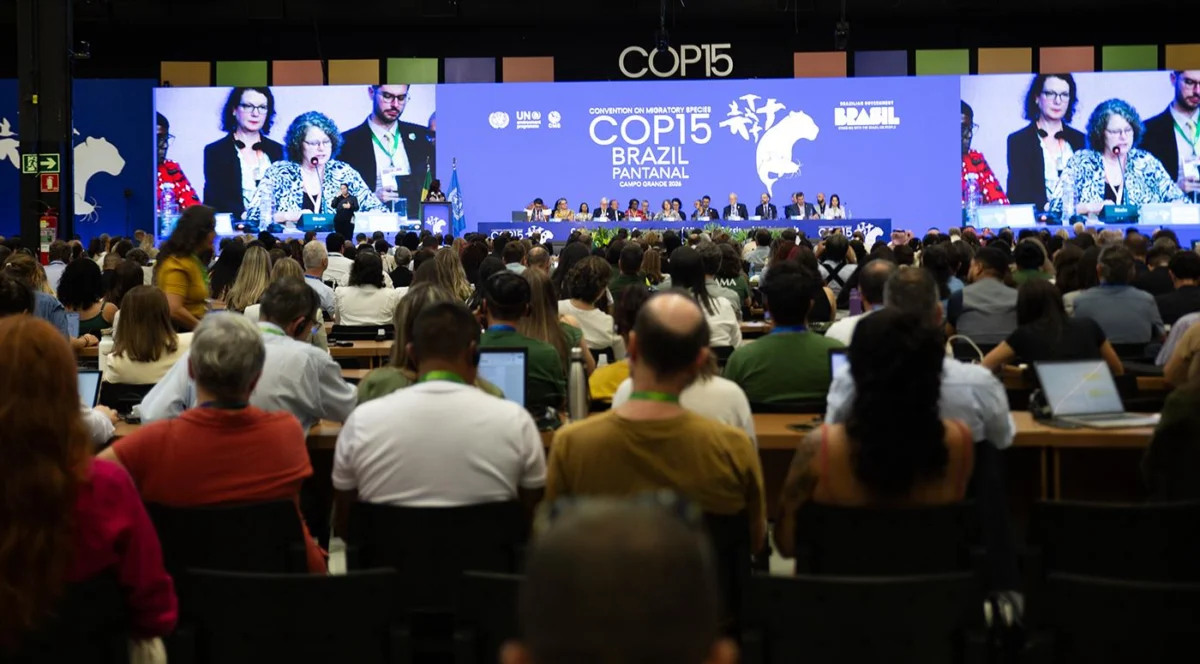
The 15th Conference of the Parties (COP15) to the Convention on Migratory Species (CMS) concluded in Campo Grande, Brazil, on March 25, 2026, marking a significant milestone in global efforts to protect migratory species and their habitats. The conference, held in the heart of the Pantanal, the world’s largest tropical wetland, underscored the indispensable role of wetlands and freshwater systems in biodiversity conservation, climate regulation, water security, and the livelihoods of communities. The adoption of the Pantanal Declaration, a key outcome of the COP’s High-Level Segment, prominently featured a critical clause recognizing these vital ecosystems as essential resting, feeding, breeding, and connectivity points along migratory routes.
A Landmark Declaration for Wetlands and Migratory Species
The Pantanal Declaration, agreed upon at the outset of COP15, established a foundational principle for the conference: "Highlight the central role of wetlands and freshwater systems in biodiversity conservation, climate regulation, water security, and communities’ livelihoods, and that they constitute critical sites for resting, feeding, breeding and connectivity along migratory routes." This declaration, originating from the High-Level Segment of CMS COP15, set a precedent for the discussions and decisions that followed, emphasizing a holistic approach to conservation that integrates the needs of migratory species with the health of their essential habitats.
Successful Conclusion and Forward Momentum
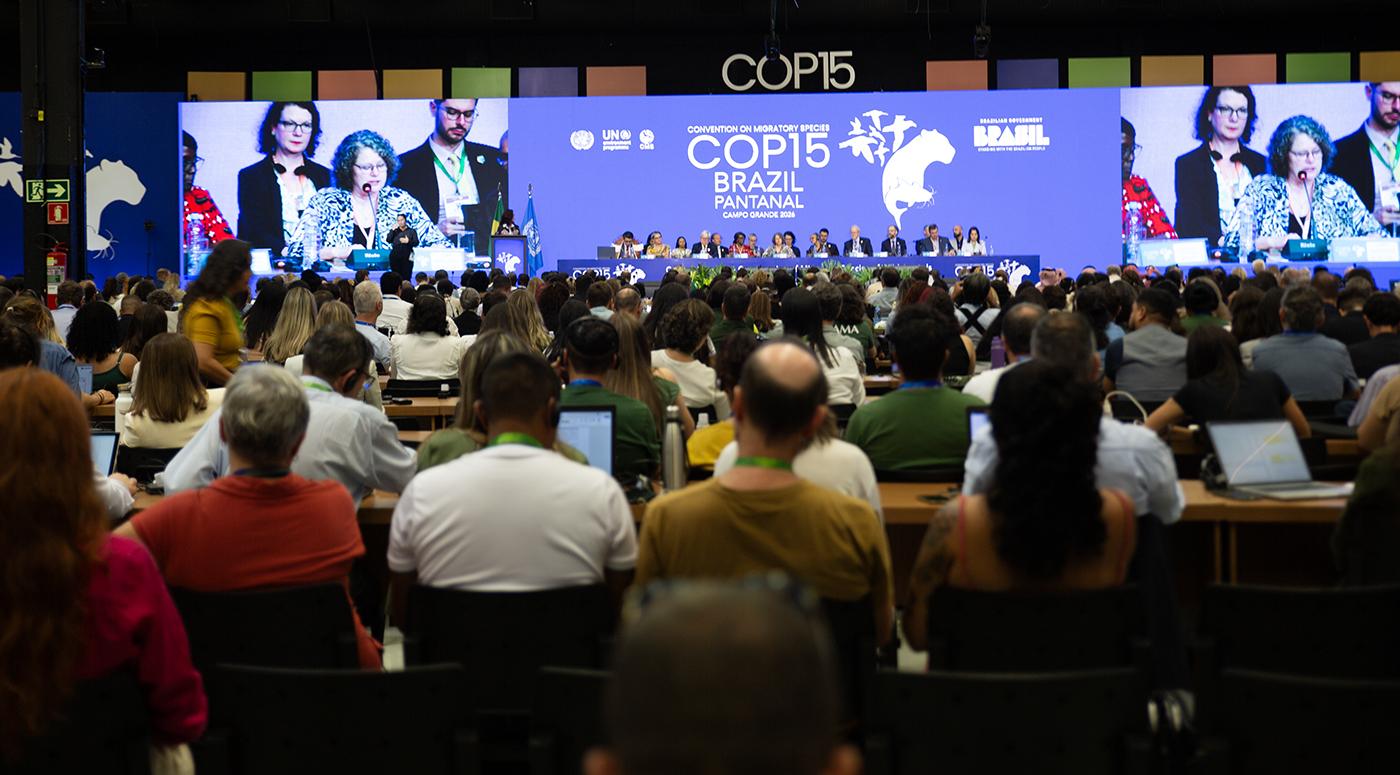
The final day of COP15 saw a successful conclusion, with all proposed resolutions, decisions, and amendments to the CMS Appendices being approved by consensus. Delegates celebrated the adoption of key decisions addressing scientific research and collaboration priorities in areas such as deep-sea mining, freshwater ecosystems, marine flyways, and measures to mitigate vessel strikes on vulnerable whale populations.
A significant achievement of the COP was the addition of 40 species, subspecies, and populations to the CMS Appendices, including species that were a priority for Wetlands International, such as the Lesser Yellowlegs, Hudsonian Godwit, Hudsonian Whimbrel, and the Giant Otter. This expansion of protected species signifies a strengthened commitment to safeguarding a broader spectrum of migratory fauna facing critical threats.
Looking ahead, Germany announced its commitment to host COP16 in 2029. This decision carries particular significance as it marks the 50th anniversary of the CMS, which will be celebrated in Bonn, Germany, its birthplace.

Delegates universally lauded COP15 as a testament to "science-driven multilateral decision-making at work." They highlighted the collective commitment of Parties to protect migratory species and their habitats amidst compounding geopolitical and environmental crises. The closing statements resonated with a sense of accomplishment and renewed determination.
The Echoes of the Pantanal: Connectivity as the Lifeline of Life
The closing address by João Paulo Capobianco, the COP15 President and Executive Secretary of Brazil’s Ministry of the Environment and Climate Change, powerfully encapsulated the spirit of the conference. He emphasized the interconnectedness of the planet through migratory species, stating, "From the Pantanal to the Arctic, from the oceans to the savannas, migratory species connect our planet in ways no political map ever could. They remind us that ecological integrity depends on continuity on flows that must remain alive, uninterrupted, and resilient. And this is precisely what is at stake."
Capobianco’s impassioned plea underscored the vital importance of ecological connectivity: "Connectivity is not an abstract concept. It is the difference between survival and collapse. Between ecosystems that function and those that fail. To protect migratory routes, ecological corridors, and critical habitats is to protect the very fabric of life on Earth." His words served as a poignant reminder of the intricate web of life that migratory species embody and the urgent need for sustained conservation efforts.
Negotiations and Working Groups: Building Consensus
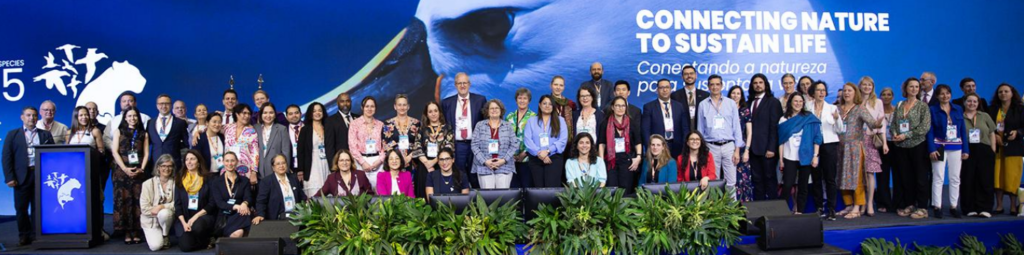
The middle days of COP15, typically a period of intensive negotiation and detailed discussion, saw working groups diligently addressing complex issues. While debates often delved into the nuances of decision language, the overall process flowed smoothly, fostering a positive atmosphere often described as a "happy COP." This sentiment was particularly evident in the outcomes for the world’s migratory species.
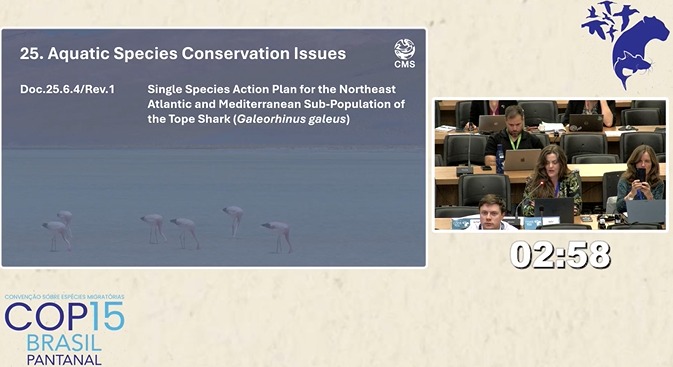
One of the notable successes during this period was the advancement of the "Single Species Action Plan for the Northeast Atlantic and Mediterranean Sub-Population of the Tope Shark (Galeorhinus galeus)." Irene Kingma, representing the Dutch Elasmobranch Society and supported by Wetlands International, presented the plan, which was subsequently forwarded to the COP plenary for adoption. This highlights the collaborative efforts in developing targeted conservation strategies for specific vulnerable species.
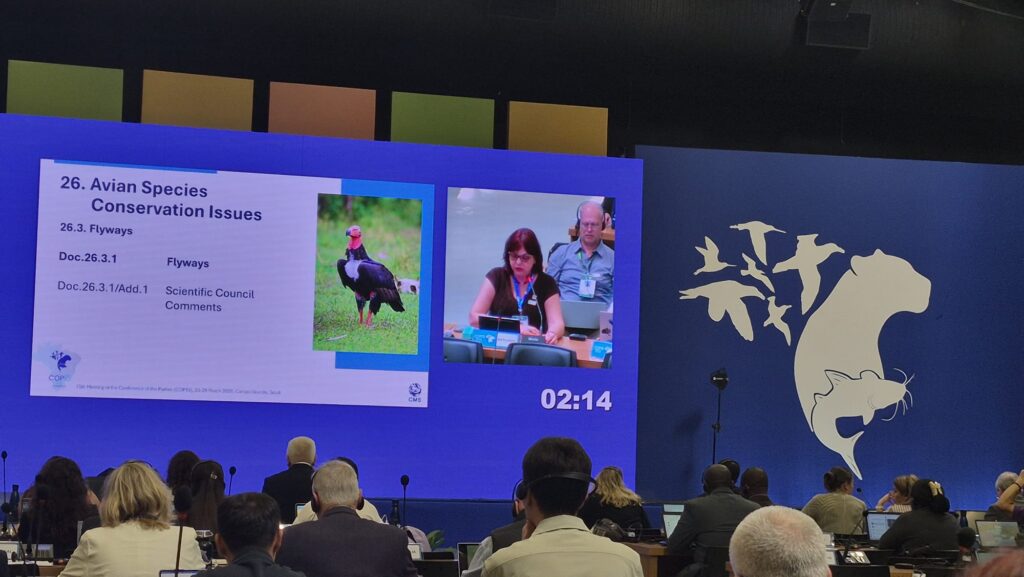
Wetlands International played a significant role in advocating for key decisions, including those related to flyways. Rafaela Nicola, Director of Wetlands International Brazil, delivered an impactful intervention from the floor. She expressed gratitude to the host nation, Brazil, for their leadership and welcomed the work of the Flyways Working Group in enhancing flyway action. Nicola emphasized the value of flyway expertise and the importance of adopting a flyway and "swimway" approach to cross-cutting issues such as renewable energy and ecological connectivity. She specifically highlighted the need to strengthen monitoring of migratory bird populations and their critical sites, referencing the International Waterbird Census and the new Global Waterbird Estimates Partnership as crucial data sources for effective conservation.
Further details on the decisions discussed and adopted can be found in the comprehensive daily updates provided by the IISD Earth Negotiations Bulletin.
Wetlands International’s Active Engagement
Throughout COP15, Wetlands International actively participated in plenary sessions, working groups, and side events, advocating for the crucial role of wetlands in migratory species conservation.
On Day 4, the organization’s efforts contributed to the discussion on the "Multi-species Action Plan for Amazonian Migratory Catfish," another initiative supported by Wetlands International.
Day 3: Focus on Freshwater Fish and Wetland Governance
Day 3 of the COP saw the Committee of the Whole engaging with a lengthy agenda. While much of the discussion centered on marine environments, a draft decision on freshwater fish, supported by Wetlands International and its partners, was also considered.
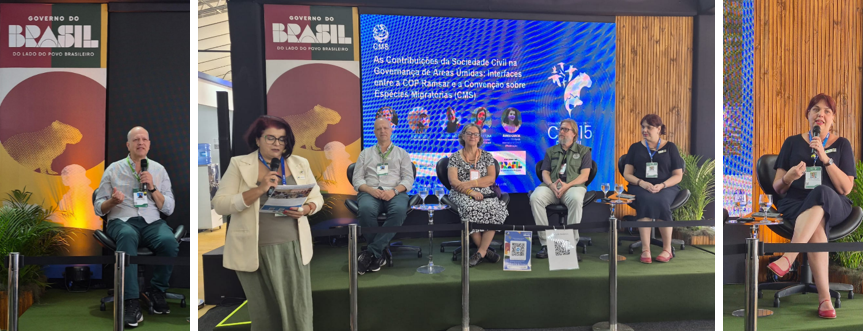
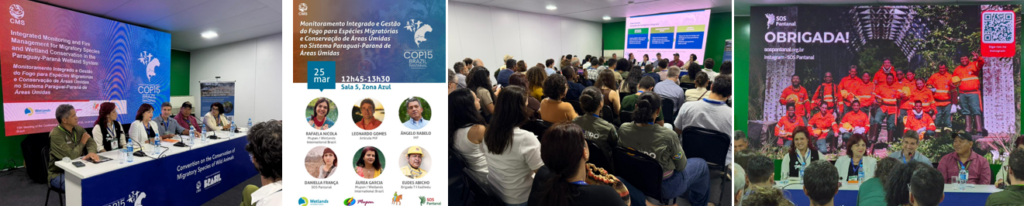
Simultaneously, Wetlands International co-hosted crucial side events. One such event, co-organized with Mupan, the Ministry of Environment and Climate Change of Brazil, and CEMAVE/ICMBio, focused on wetland governance. The session underscored how civil society, scientists, and governments can collaborate to enhance ecological connectivity and protect migratory species across the vital Paraguay-Paraná river and wetland system.
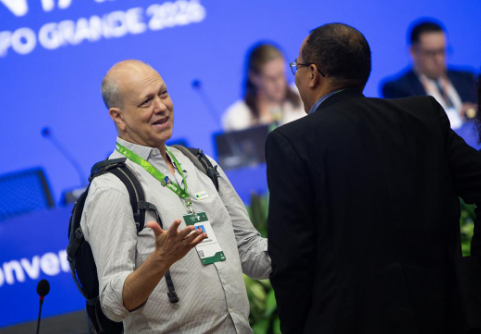
Rafaela Nicola, Executive Director of Wetlands International Brazil, emphasized the significance of these collaborative spaces: "The reactivation of Brazil’s National Wetlands Committee is a key step to reconnect national efforts with global commitments. Spaces like this allow us to align science, policy, and local action to effectively protect wetlands and migratory species."
Another critical side event, co-organized by Wetlands International, focused on fire management in the Pantanal. This session brought together diverse perspectives on prevention, response, and ecosystem resilience in this globally significant wetland. Indigenous leadership, including Chief Eudes Abicho from the Kadiwéu Territory, participated, highlighting the importance of traditional knowledge and frontline experience in addressing fire challenges.
"The increasing frequency and intensity of fires in the Pantanal demand integrated responses that combine local knowledge, science and coordinated action. What we are building in the territory can inform broader strategies for wetland conservation globally," stated Úrea Garcia, General Director of Mupan and Policy Coordinator at Wetlands International Brazil.
Day 2: The Urgent Crisis of Migratory Freshwater Fish
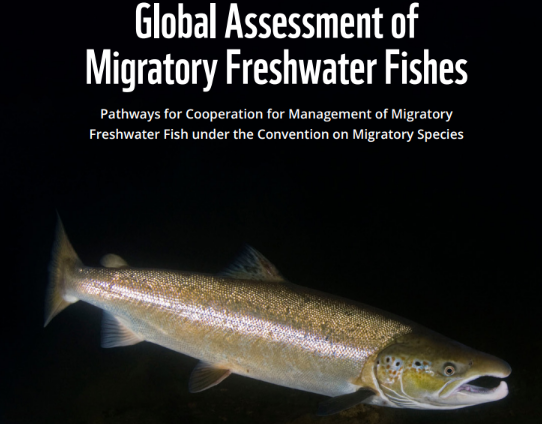
Day 2 of COP15 brought stark news regarding the state of migratory freshwater fish. A new CMS study revealed that some of the longest and most vital freshwater fish migrations are experiencing rapid collapse. The "Global Assessment of Migratory Freshwater Fishes" identified 325 migratory freshwater fish species as candidates for coordinated international conservation efforts, exposing a largely overlooked biodiversity crisis unfolding across the world’s shared river basins. These species face accelerating declines due to dam construction, habitat fragmentation, pollution, overfishing, and climate-driven ecosystem changes.
The assessment highlights that migratory freshwater fish, which are crucial for maintaining river health, supporting major inland fisheries, and sustaining hundreds of millions of people, are among the most imperiled wildlife on the planet. Coenraad Krijger, CEO of Wetlands International, stated, "Migratory freshwater fish populations are in freefall: declining 81% since 1970. We need to accelerate efforts to safeguard their Swimways and invest in the conservation of these species, which are critical to communities and ecosystems across the globe. This is why migratory fishes are one of the priorities in Wetlands International’s new 10-year strategy."
However, the assessment also served as an urgent call to action for COP15 Parties, providing clear recommendations for protecting and restoring rivers to safeguard migratory routes. The technical sessions were proceeding ahead of schedule, though concerns were raised about potential backlogs at the end of the conference due to items being deferred.
The Wetlands International delegation was actively engaged in corridor diplomacy and participating in events. A significant moment facilitated by the delegation was the connection between Indigenous leaders from the Kadiwéu Territory and Dr. Musonda Mumba, the Ramsar Secretary General, underscoring the importance of engaging diverse stakeholders in conservation efforts.
Day 1: The Pantanal Takes Center Stage
The opening day of COP15 in Campo Grande, Brazil, immediately placed the Pantanal at the forefront of discussions. The conference’s location on the doorstep of this immense wetland, a critical landscape for Wetlands International and a vital habitat for numerous migratory species, lent significant weight to the adopted Pantanal Declaration.
The declaration, adopted during the High-Level Segment, emphasized the necessity of "maintaining, enhancing, and restoring ecological connectivity across terrestrial, freshwater and marine ecosystems, particularly through wetlands and other key habitats along migratory routes, to ensure the survival and sustainability of migratory species and their habitats."
Brazil’s Minister of Environment and Climate Change, Marina Silva, underscored the significance of hosting COP15 in this region during her opening remarks. She urged delegates to take decisive actions to ensure the continued movement of migratory species across borders, recognizing their intrinsic value and their contribution to human well-being. Minister Silva also highlighted the COP as an opportunity to "rekindle the light of multilateralism," a principle central to reversing the alarming decline of migratory species populations.
Amy Fraenkel, CMS Executive Secretary, drew attention to the interim "State of the World’s Migratory Species" report, which details current extinction risks and population declines. She called for intensified international cooperation to achieve the Convention’s goals.
During a high-level panel, Dr. Musonda Mumba, Ramsar Secretary General, made a compelling appeal for increased investment in wetland protection and restoration as a cornerstone for safeguarding migratory species and their ecosystems. She later met with the Wetlands International delegation to discuss strengthening international cooperation around the Paraguay-Paraná Wetland System, advancing Ramsar Regional Initiatives, and fostering transboundary dialogue and wetland governance.
Rafaela Nicola, Director of Wetlands International Brazil, remarked, "The Paraguay-Paraná Wetland System is one of the most strategic regions in the world for wetland conservation and migratory species. Strengthening this dialogue with the Ramsar Convention is essential to connect local action in the Pantanal with global decision-making on biodiversity and climate."
In addition to advocacy and events, Wetlands International launched a photo exhibition titled "Pantanal: Landscapes and Lives in Motion." This exhibition, featuring striking images from photographer Joeri Borst among others, showcased the Pantanal as a dynamic territory shaped by water, fire, and human interaction. It highlighted the biome’s remarkable biodiversity, with over 4,700 recorded species, and emphasized the crucial role of Indigenous Peoples and local communities in its protection.
Alen Keller de Oliveira Gomes, Administrative and Financial Director of Mupan, stated, "This exhibition is an invitation to see the Pantanal beyond the landscape, as a territory of people, knowledge and active protection. Bringing these images to CMS COP15 connects local realities with global debates on biodiversity and climate."
The success of COP15 in Brazil, particularly its emphasis on wetlands and freshwater systems, provides a critical foundation for future conservation efforts, reinforcing the interconnectedness of ecosystems and the imperative of global cooperation for the survival of migratory species.