
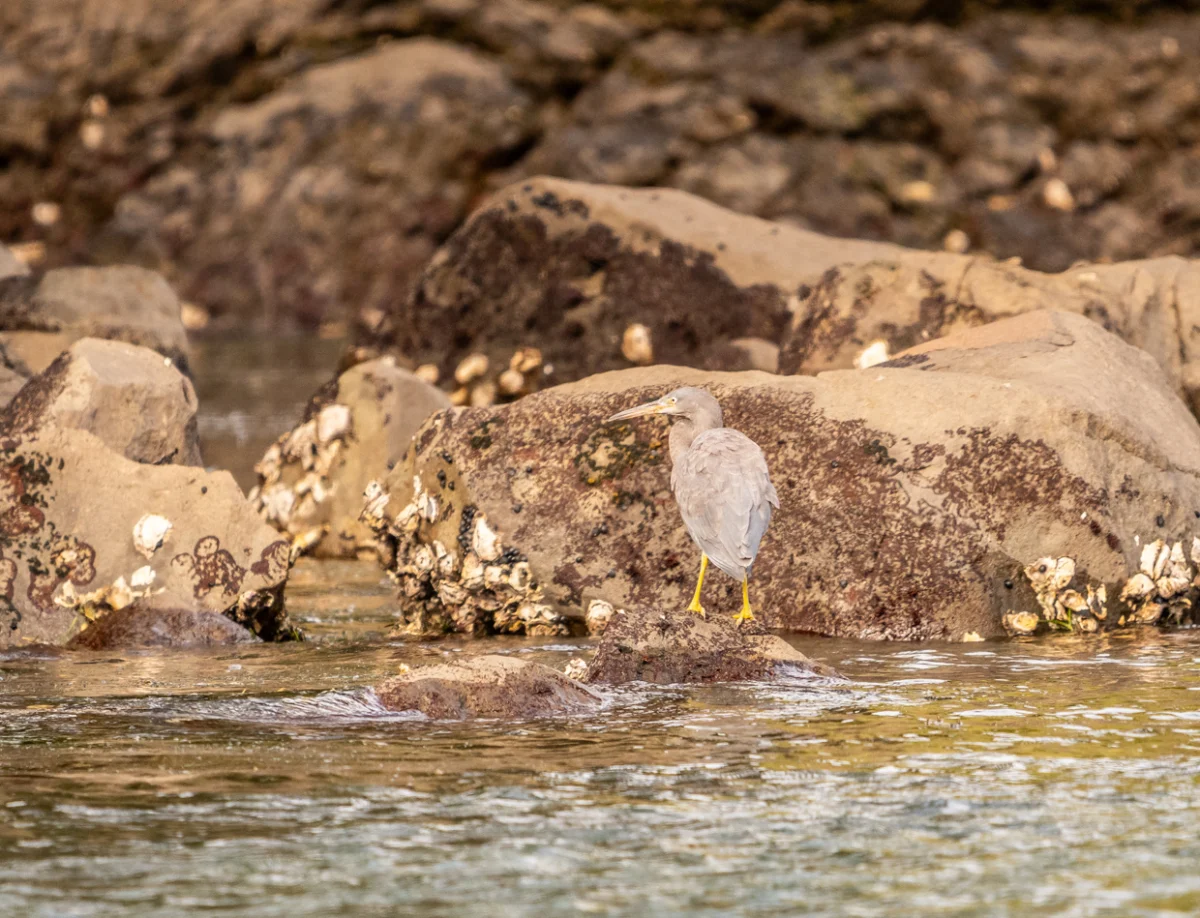
The unique evolutionary history of New Zealand, characterized by its long-term isolation from the supercontinent Gondwana, has resulted in an avian population unlike any other on Earth. A recently concluded 22-day expedition across the North and South Islands has provided a comprehensive snapshot of this biodiversity, documenting a total of 147 bird species. The tour, which spanned from the subtropical reaches of Whangarei to the subantarctic influences of Stewart Island, highlighted both the resilience of endemic species and the critical state of those on the brink of extinction. Among the significant findings were observations of the New Zealand Fairy Tern, of which only 45 individuals remain, and the rare appearance of an Erect-crested Penguin on the mainland.

The expedition focused on several key ecological zones, including pelagic environments, ancient podocarp forests, and predator-free island sanctuaries. These locations are vital for the survival of "old-lineage" birds that evolved in the absence of land mammals. The data collected during this journey serves as an informal census of the current health of these populations, reflecting the success of intensive pest-eradication programs while underscoring the ongoing threats posed by habitat loss and invasive species.

Northern Regions and the Recovery of Pelagic Species
The journey commenced in Whangarei, serving as a gateway to the rich marine ecosystems of the Hauraki Gulf and Northland’s coast. Pelagic excursions targeted several of the world’s most elusive seabirds. A primary focus was the New Zealand Storm-Petrel, a species once thought extinct for over a century until its rediscovery in 2003. Observations during this phase confirmed the presence of healthy numbers of Cook’s Petrels, Parkinson’s Petrels, and Pycroft’s Petrels. The diversity of the Procellariiformes order in these waters remains a global benchmark for marine biodiversity.

On the mainland, the search for the New Zealand Fairy Tern (Tara iti) underscored the fragility of New Zealand’s shorebirds. With a total population estimated at fewer than 50 individuals, the sighting of a single bird at a monitored refuge highlighted the precarious nature of the species’ survival. Conservation efforts, managed by the Department of Conservation (DOC), involve intensive nest monitoring and predator control, yet the species remains the most endangered bird in the country.

The expedition also visited Tiritiri Matangi Island, one of the world’s most successful community-led conservation projects. Since the 1980s, over 250,000 native trees have been planted on the island, and all mammalian predators have been eradicated. This has allowed for the reintroduction of species such as the North Island Kōkako and the Stitchbird (Hihi). Observers documented a thriving ecosystem where birds like the Whitehead and North Island Saddleback exist in densities rarely seen on the mainland.

Central Wetlands and Volcanic Plateau Ecosystems
Moving southward into the central North Island, the expedition shifted focus to freshwater and montane habitats. In the wetlands surrounding Turangi and the Tongariro River, the group documented the Blue Duck (Whio). This species is a specialist of fast-flowing river environments and is featured on the New Zealand ten-dollar note. Its presence is considered a key indicator of river health. Despite their vulnerability to predation by stoats, the population in this region appeared stable, with multiple sightings of both adults and juveniles.

The wetlands also provided rare opportunities to observe the Australasian Bittern (Matuku-hūrepo), a secretive heron-like bird classified as "Nationally Critical." The encounter was noted by experienced guides as one of the most significant in recent years due to the bird’s typically elusive nature. Additionally, the presence of Spotless Crakes and Buff-banded Rails in unusually high numbers suggests that local wetland restoration and trapping initiatives are yielding tangible results for rail species that are often suppressed by invasive rats and mustelids.

The Maritime Hub of Kaikoura and the Cook Strait
The transition to the South Island involved a crossing of the Cook Strait, a corridor known for its powerful currents and high nutrient upwelling, which supports a vast array of albatross species. The expedition recorded White-capped, Salvin’s, and Black-browed Albatrosses during the crossing.

In Kaikoura, where the continental shelf drops precipitously into deep submarine canyons, the group engaged in specialized pelagic viewing. Kaikoura is recognized globally as a "seabird capital." The data collected here included sightings of the Antipodean Albatross, Northern Giant Petrel, and the Southern Royal Albatross—one of the largest flying birds in the world with a wingspan exceeding three meters.
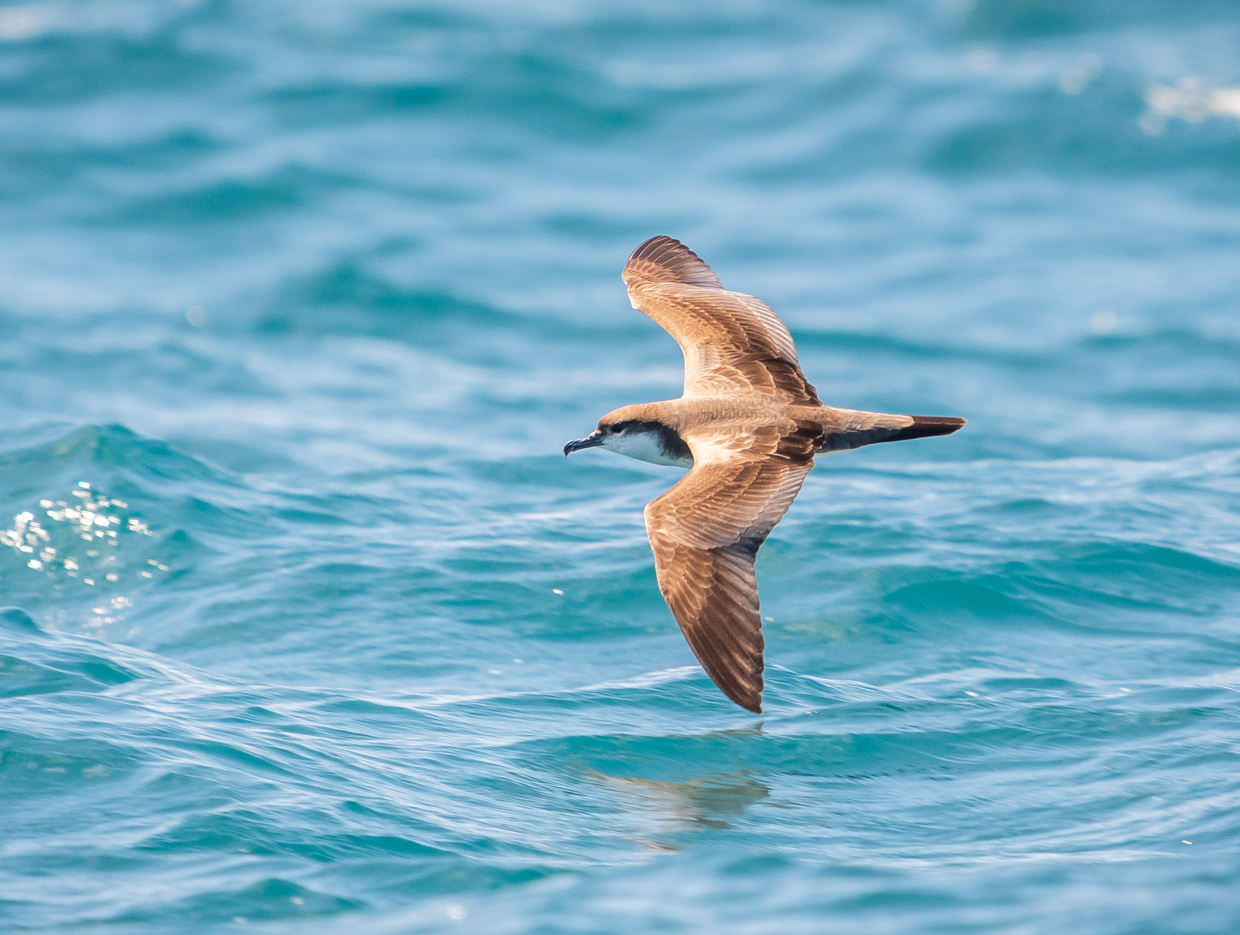
A significant highlight in the Marlborough Sound was the observation of the New Zealand King Shag. Endemic to this specific region, the species has a total population of approximately 800 individuals. The expedition’s sighting of nearly 5% of the world’s population in a single session emphasizes the localized nature of New Zealand’s rare endemics and the risk of catastrophic events affecting such concentrated populations.

Southern Alps and the West Coast Wilderness
The journey through Arthur’s Pass and toward the West Coast allowed for the study of alpine and temperate rainforest species. The Kea, the world’s only alpine parrot, was observed in its natural habitat. Known for its high intelligence and curiosity, the Kea is currently classified as endangered, with estimates suggesting only 3,000 to 7,000 birds remain. Their survival is heavily dependent on large-scale aerial predator control programs, as they are particularly vulnerable to nest predation.

On the West Coast, the focus turned to the Okarito forest, home to the Rowi—the rarest of the five species of kiwi. Through the "Operation Nest Egg" program, Rowi numbers have increased from a low of 160 in the 1990s to approximately 600 today. The expedition’s nocturnal surveys successfully documented the calls of these birds, providing further evidence of the success of the Okarito Brown Kiwi sanctuary.

Stewart Island and the Subantarctic Influence
The southernmost portion of the tour took place on Stewart Island (Rakiura) and Ulva Island. Ulva Island, another predator-free sanctuary, provided a glimpse into a "pre-human" New Zealand. Species such as the Yellowhead (Mohua), which have been largely extirpated from the mainland, were found in abundance.

On Stewart Island, the expedition achieved a rare "triple" in kiwi sightings, documenting the Southern Brown Kiwi (Tokoeka). Unlike their northern cousins, Tokoeka are known to occasionally be active during the day, though the expedition’s primary encounters occurred during specialized nocturnal searches. The observation of two separate individuals foraging in the open provided significant data on the behavior of the Rakiura subspecies.

The coastal waters of the south also yielded sightings of the Yellow-eyed Penguin (Hoiho). With a mainland population of only about 400 breeding pairs, the Hoiho is one of the world’s rarest penguins. The expedition’s documentation of chicks and molting adults highlights the importance of the predator-proof fences and hospital facilities managed by local conservation groups.

Dunedin: The Albatross Colony and Rare Visitors
The tour concluded in Dunedin, home to the world’s only mainland breeding colony of the Northern Royal Albatross at Taiaroa Head. The group observed adults tending to chicks, a process that takes nearly a year from egg-laying to fledging. This colony serves as a primary site for scientific research into albatross longevity and breeding cycles.

A statistically significant event occurred during the visit to the Otago Peninsula: the sighting of an Erect-crested Penguin. This species typically breeds on the remote Bounty and Antipodes Islands and is an extremely rare visitor to the New Zealand mainland. Such sightings are often attributed to "vagrancy" or shifts in oceanic currents, and documenting such an occurrence provides valuable data for marine biologists tracking species movement in response to climate change.

Broader Impact and Conservation Implications
The documentation of 147 species over 22 days underscores New Zealand’s status as a critical hub for global avian biodiversity. However, the data also highlights the heavy reliance on "mainland islands" and offshore sanctuaries. The disparity between bird densities in predator-controlled areas versus unmanaged forests remains a stark reminder of the impact of invasive species.

Lead guides and participants noted that the "abundance of crakes and rails" and the "unprecedented views of Black-fronted Dotterels" suggest that localized conservation efforts are succeeding. However, the "Nationally Critical" status of the New Zealand Fairy Tern and the Yellow-eyed Penguin remains a point of concern. The success of this expedition demonstrates the value of ecotourism in funding and promoting conservation, as well as the importance of citizen science in monitoring the health of endemic populations.

As New Zealand moves toward its "Predator Free 2050" goal, expeditions like this provide the baseline data necessary to measure progress. The transition from the brink of extinction to stable populations for species like the Rowi and the New Zealand Storm-Petrel offers a blueprint for the recovery of other threatened species across the archipelago. The 2026 tour concludes not just as a journey of observation, but as a testament to the ongoing battle to preserve one of the world’s most unique biological heritages.