
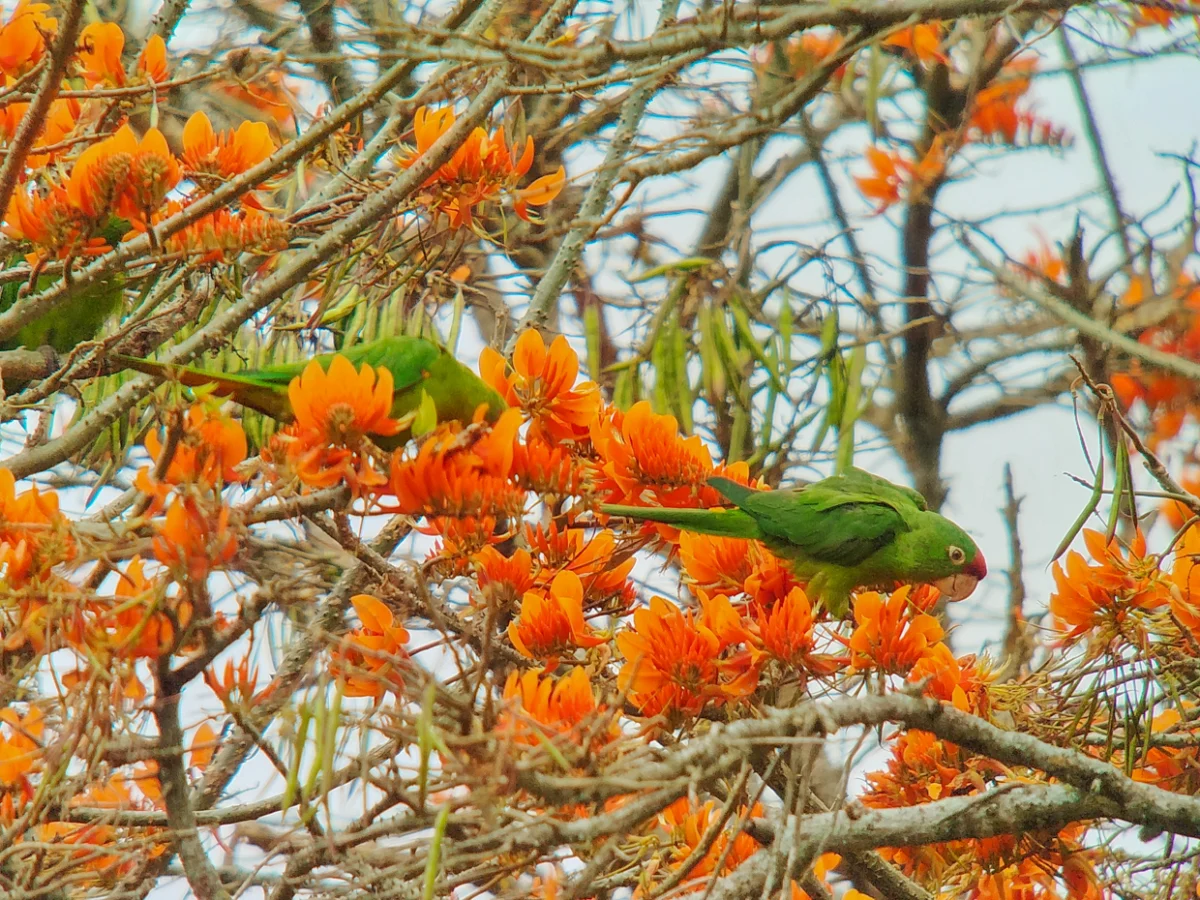
The February 2026 "Costa Rica Sampler" expedition, a comprehensive 11-day ornithological survey led by expert guides Ernesto Carman and Paz Irola, has concluded with significant findings regarding the health and distribution of avian populations across the country’s diverse microclimates. Spanning from the Pacific mangroves of Caldera to the high-altitude paramo of Cerro de la Muerte and the Caribbean lowlands of Sarapiquí, the survey documented hundreds of species, providing a critical snapshot of Costa Rican biodiversity in early 2026. The expedition’s results underscore the vital intersection of community-led conservation, sustainable agriculture, and scientific research in maintaining one of the world’s most concentrated biological corridors.

Ecological Transitions and Pacific Lowland Observations
The expedition commenced in the Central Valley before transitioning to the Pacific slope, a region characterized by a complex mosaic of mangroves, dry forests, and transitional tropical wet forests. At the Caldera mangroves, researchers noted a high density of Psittacidae, including Orange-chinned and Orange-fronted Parakeets, alongside the Turquoise-browed Motmot, a species often used as an indicator of healthy dry forest ecosystems.

A significant portion of the early survey focused on the Tárcoles River basin and Carara National Park. Carara serves as a critical biological "bridge" between the dry forests of the north and the humid forests of the south. Within the park’s Quebrada Bonita Trail, the team documented a rare "jackpot" of Neotropical birding: an active army ant swarm. This phenomenon involves species such as the Bicolored Antbird, Black-hooded Antshrike, and Northern Barred Woodcreeper, which follow the ants not to consume them, but to prey on the arthropods flushed out by the swarm’s movement. Such observations are vital for understanding interspecies dependencies and the health of the forest floor’s invertebrate populations.

The Tárcoles River boat tour further expanded the census, recording four distinct species of Kingfisher (Ringed, Amazon, Green, and Belted) and a significant population of Roseate Spoonbills and Wood Storks. The presence of these apex avian predators suggests a robust aquatic food web despite the region’s increasing human activity.

High-Altitude Biodiversity and the Talamanca Highlands
Transitioning from the heat of the coast to the Talamanca Mountains, the survey reached elevations of up to 3,400 meters above sea level at Cerro de la Muerte. This region is home to several endemic species restricted to the high-altitude oak forests and paramo of Costa Rica and western Panama.

The expedition’s primary objective in this region was the observation of the Resplendent Quetzal (Pharomachrus mocinno). In the village of La Esperanza, the team documented both male and female Quetzals feeding on wild avocados (Lauraceae). The successful sighting of these altitudinal migrants is a positive indicator of the continued availability of fruiting trees, which are essential for the survival of the species.

At the highest altitudes, the survey recorded the Volcano Junco, a specialist of the paramo ecosystem. The team also utilized the hummingbird feeders at Paraíso Quetzal Lodge to conduct a census of high-altitude hummingbirds, noting the Fiery-throated Hummingbird and the Lesser Violetear. These observations contribute to ongoing data regarding how climate fluctuations in the 2020s are affecting the altitudinal range of these sensitive nectar-feeders.

Sustainable Agriculture and Endemic Conservation in the Ujarrás Valley
A pivotal component of the 2026 survey was the investigation of the relationship between agricultural practices and bird populations. At Cafe Cristina, an organic, shade-grown coffee farm, the expedition analyzed how traditional farming methods provide a sanctuary for both resident and migratory species. Observations included the Tennessee Warbler and Montezuma Oropendola, highlighting the role of shade-grown canopies in maintaining avian corridors through otherwise cleared land.

In the Ujarrás Valley, the team focused on the Cabanis’s Ground-Sparrow (Melozone cabanisi), an endemic species currently listed as threatened. The expedition participated in monitoring efforts that emphasize the importance of the valley’s scrub-brush habitat. Furthermore, the survey included data on the Hook-billed Kite, a raptor species currently under specific study by Carman and Irola. The natural history data collected during the 2026 trip—including sightings of a female Hook-billed Kite—assists in mapping the raptor’s distribution and specialized feeding habits centered on arboreal snails.

Volcanic Landscapes and Predator Dynamics at Arenal
The survey moved northwest to the Arenal Observatory Lodge, situated on the flanks of the Arenal Volcano. This area represents a mid-elevation Caribbean slope environment. Despite persistent rain—a common factor in the 2026 season—the team recorded a high diversity of tanagers, including the Emerald and Bay-headed Tanagers, in the fruiting strangler figs.

One of the most significant events of the expedition occurred at the Arenal Observatory observation deck: the prolonged sighting of an immature Ornate Hawk-Eagle. This powerful raptor was observed attempting to hunt smaller birds at the lodge’s feeders. Such interactions provide researchers with rare opportunities to observe predator-prey dynamics in a controlled environment. The presence of the Ornate Hawk-Eagle, a species requiring large tracts of primary forest, suggests that the protected areas surrounding the Arenal Volcano remain sufficiently intact to support top-tier predators.

Night surveys in the Arenal region also documented the Crested Owl and several amphibian species, including Savage’s Slender-toed Frog and the Brilliant Forest Frog, indicating a healthy nocturnal ecosystem.

Research and Conservation at La Selva Biological Station
The final leg of the survey took place at the La Selva Biological Station, operated by the Organization for Tropical Studies (OTS). La Selva is one of the world’s most important sites for tropical ecosystem research. Guided by Kenneth Alfaro, the team integrated their sightings with the station’s long-term data sets.

During a rainy trek through the lowland rainforest, the team encountered another army ant swarm, this time featuring the Ocellated Antbird, an obligate ant-follower that is highly sensitive to forest fragmentation. The most critical sighting at La Selva, however, was a group of six Great Green Macaws (Ara ambiguus). Currently listed as critically endangered, the Great Green Macaw relies on the Almendro tree for nesting and food. The sighting of six individuals preening in the canopy is a significant boost for local conservationists working on the species’ recovery.

The expedition concluded with a stop at Mirador Cinchona, where the team documented the Prong-billed Barbet, and a final survey at Hotel Robledal, which confirmed the presence of resident Ferruginous Pygmy-Owls and Spot-breasted Orioles.

Economic and Conservation Implications
The 2026 "Costa Rica Sampler" expedition provides more than just a list of sightings; it serves as an economic and environmental indicator. The success of such specialized birding tours is a testament to Costa Rica’s successful "Green Trade" model. By converting biological wealth into sustainable tourism revenue, the country incentivizes local communities—such as those in La Esperanza and Paraíso—to protect critical habitats rather than convert them to pasture.

Data from the expedition has been uploaded to the eBird global database, contributing to the citizen science movement that tracks bird populations in real-time. This information is vital for ornithologists tracking the impacts of global climate patterns on migration timing and species distribution.

Conclusion and Future Outlook
While the 2026 expedition faced challenges from unseasonable rain and humidity, the sheer volume of species recorded—ranging from the common Great Kiskadee to the rare Ornate Hawk-Eagle and the critically endangered Great Green Macaw—demonstrates the resilience of Costa Rica’s protected areas. However, the reliance of several species on very specific habitats (such as the Cabanis’s Ground-Sparrow in the Ujarrás Valley) highlights the ongoing need for targeted conservation strategies.

As the country continues to navigate the balance between development and preservation, the findings of the 2026 survey reinforce the necessity of biological corridors and the integration of "bird-friendly" agricultural practices. The expedition leaders concluded that while the state of Costa Rican birdlife remains strong, continued vigilance and research are required to protect the endemic and endangered species that define the region’s unique natural heritage.