
The Republic of Panama continues to solidify its reputation as a premier global destination for ornithological research and eco-tourism following the conclusion of a high-intensity nine-day birding expedition that spanned from the mist-shrouded highlands of Cerro Azul to the remote terminus of the Pan-American Highway in the Darién Gap. Between February 13 and February 22, 2026, a specialized group of observers documented 270 distinct bird species, navigating a diverse array of ecosystems including montane cloud forests, lowland rainforests, freshwater wetlands, and Pacific coastal mudflats. This survey, conducted during a period of unseasonably high rainfall, provides critical data on species distribution and the resilience of avian populations within the Panama Canal watershed and the eastern frontier.

Regional Biodiversity and the Isthmian Corridor
Panama’s unique geography as a biological bridge between North and South America makes it a focal point for biodiversity. The 2026 expedition targeted specific "hotspots" known for high endemism and species richness. The survey began in the foothills of the San Blas Mountains at Cerro Azul, a region within Chagres National Park. This area serves as a vital transition zone where highland species meet lowland varieties.

Observations at Cerro Azul were centered on long-term monitoring sites, specifically the private residence of Jerry and Linda Harrison, who have maintained a feeder network for 13 years. This site provided high-density data on tanagers and hummingbirds. Key sightings included the Rufous-winged Tanager (Tangara lavinia) and the White-ruffed Manakin (Corapipo altera). The presence of seven hummingbird species in a single morning, including the Bronze-tailed Plumeleteer and Snowy-bellied Hummingbird, underscores the importance of private conservation efforts in supplementing national park habitats.

Expansion into the Eastern Lowlands and Lake Bayano
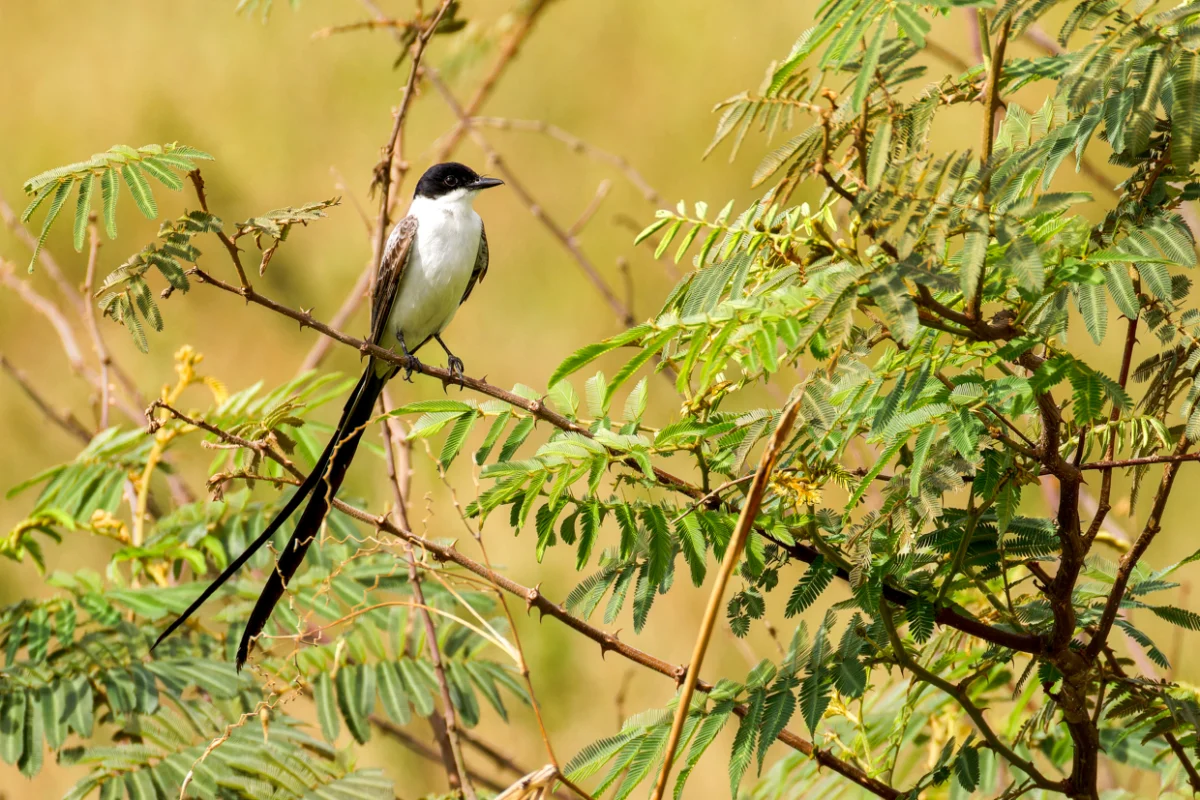
As the expedition moved eastward along the Pan-American Highway toward Tortí, the habitat shifted to a mosaic of cattle pastures, secondary growth, and wetlands. This transition zone is crucial for "edge species" and raptors. Near Chepo and the Camino de Tanara, the team recorded a significant presence of grassland birds, including the Fork-tailed Flycatcher and Red-breasted Meadowlark.

The Lake Bayano region, a massive reservoir created in the 1970s, has become an essential habitat for aquatic birds. Observations at the Bayano bridge yielded sightings of the Bare-throated Tiger-Heron (Tigrisoma mexicanum) and the Common Black Hawk. These records are significant as they indicate the health of the riparian corridors connecting the central canal zone to the eastern provinces.

The Darién Frontier: Resilience Amidst Climate Variability
The most logistically challenging portion of the survey took place in the Darién province, specifically at El Salto and Yaviza. The Darién Gap remains one of the most biodiverse yet under-studied regions in Central America. During the fourth day of the expedition, the team encountered "above-average rains," a climatic anomaly for the February dry season.

Despite torrential showers that forced a pivot in the itinerary, the survey successfully documented 270 species. In Yaviza, where the Pan-American Highway ends at the Choco River, observers noted the persistence of the Black-tailed Trogon and the Purple-throated Fruitcrow. The wetlands north of Yaviza provided sightings of the Muscovy Duck and Greater Ani, species that rely on the seasonal flooding of the Darién’s vast river systems.

In the lowland forests of El Salto, the team identified a "lek" of Golden-collared Manakins. A lek is a communal mating display area, and the continued activity at this site suggests a stable breeding population despite the encroachment of agricultural interests in the region. The observation of the Blue Cotinga, a species prized for its vivid cobalt plumage, further confirmed the presence of high-quality primary forest canopy.

Private Reserves and Nocturnal Surveys in Tortí
The San Francisco Reserve, managed by the Franciscan church, served as a primary study site on the fifth day. This private reserve is critical for the protection of the Cuipo tree (Cavanillesia platanifolia), a giant of the Panamanian rainforest that provides nesting cavities for large raptors. The survey at San Francisco yielded sightings of the Keel-billed Toucan and the rare Tropical Royal Flycatcher.

A significant component of the 2026 survey was the inclusion of nocturnal monitoring. Night expeditions in the Tortí area were exceptionally productive, recording the Common Potoo, Striped Owl, and American Barn Owl. These records contribute to a better understanding of the nocturnal food web in eastern Panama, where owls and potoos serve as primary predators of large insects and small mammals.

The highlight of the eastern leg occurred along the Tortí River, where a group member identified a Capped Heron (Pilherodius pileatus). This species is relatively uncommon in Panama and is more typically associated with South American river systems, suggesting a possible northward range stability or expansion.

The Canal Zone: Pipeline Road and the Rio Chagres
The final phase of the expedition focused on the Panama Canal Zone, specifically the world-renowned Pipeline Road and the Gamboa Rainforest. Pipeline Road is historically significant in the ornithological community, once holding the world record for the most bird species seen in 24 hours.

The 2026 data confirmed that Pipeline Road remains a stronghold for antbirds, which follow swarms of army ants to capture fleeing insects. The team recorded Ocellated, Bicolored, and Spotted Antbirds, all of which are sensitive to habitat fragmentation. The presence of four distinct trogon species in a single morning—Slaty-tailed, Black-throated, Gartered Violaceous, and White-tailed—indicates a robust and diverse forest structure.

The survey also utilized aquatic transport to census the Rio Chagres, the primary water source for the Panama Canal. Boat-based observations added the Yellow-tailed Oriole and Snail Kite to the species list. The Rio Chagres serves as a vital corridor for both resident birds and neotropical migrants, providing a buffer of protected forest on either side of the canal’s shipping lanes.

Urban Biodiversity and Coastal Impact
The expedition concluded in Panama City at the Metropolitan Natural Park, the only tropical forest in Latin America located within a city’s limits. Despite the proximity to urban infrastructure, the park continues to support sensitive species such as the Lance-tailed Manakin and the Bat Falcon.

The final data set was collected at the Pacific coastal mudflats during low tide. These intertidal zones are essential stopover points for migratory shorebirds traveling from the Arctic to South America. The recording of Willets, Whimbrels, and Western Sandpipers emphasizes the need for coastal conservation in the face of Panama City’s rapid urban expansion.

Statistical Summary and Environmental Implications
The 2026 expedition concluded with a total of 270 species identified. This represents approximately 27% of the total bird species recorded in Panama, achieved in less than ten days.

Expedition Data Highlights:

- Total Species: 270
- Key Families Represented: Trochilidae (Hummingbirds), Thraupidae (Tanagers), Accipitridae (Hawks/Eagles), and Trogonidae (Trogons).
- Mammal Sightings: Geoffroy’s Tamarin, Mantled Howler Monkey, Three-toed Sloth, Two-toed Sloth, and Panamanian Night Monkey.
- Critical Habitats Surveyed: 6 distinct ecological zones.
The observation of "above-average rains" during what is traditionally the peak of the dry season (Verano) is a point of concern for researchers. While the moisture may benefit certain fruit-bearing trees, it can disrupt the nesting cycles of species that rely on the dry season for fledging. The resilience shown by the avian populations during this window suggests that Panama’s protected area network—comprising roughly 25% of the national territory—is functioning as an effective refugium.

Broader Impact and Future Outlook
The findings of the 2026 expedition have broader implications for Panama’s National Biodiversity Strategy. The success of eco-tourism in regions like Tortí and the Darién provides a clear economic alternative to deforestation and cattle ranching. By documenting rare species like the Capped Heron and the Spectacled Owl, the expedition provides local communities with the "biological capital" necessary to advocate for continued conservation funding.

Furthermore, the data collected will be integrated into global databases such as eBird, managed by the Cornell Lab of Ornithology. This "citizen science" approach allows researchers worldwide to track shifts in avian populations in real-time, providing a baseline for future studies on the impact of climate change on the Isthmus of Panama.

As the 2026 birding season continues, the results of this survey serve as a testament to the enduring biological richness of Panama. From the gated communities of Cerro Azul to the end of the road in Yaviza, the birds of Panama remain a vital indicator of the region’s environmental health and a cornerstone of its international identity.