
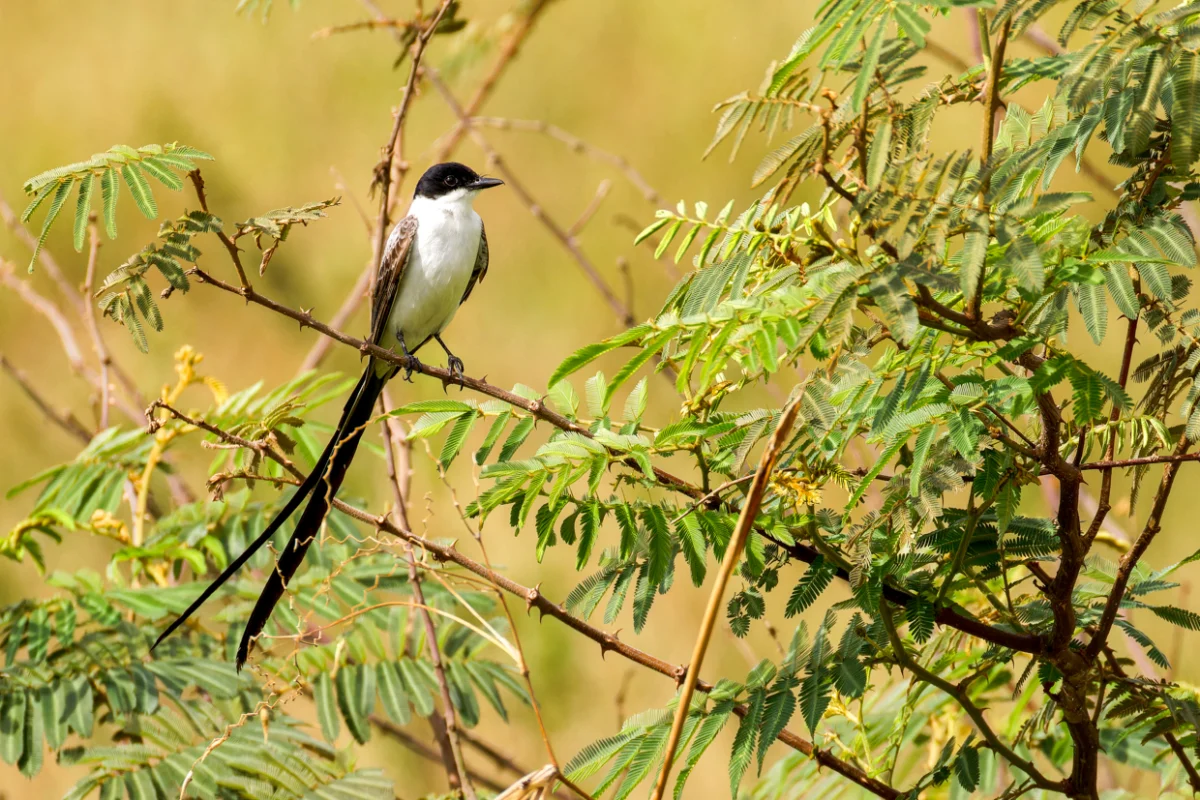
The Republic of Panama has once again solidified its reputation as a premier global destination for ornithological research and ecotourism following the conclusion of a high-level birding expedition conducted from February 13 to February 22, 2026. Over the course of the nine-day survey, a specialized group of researchers and enthusiasts documented 270 distinct avian species, traversing a diverse array of ecosystems ranging from the highland cloud forests of Cerro Azul to the dense tropical lowlands of the Darién Gap and the critical watershed of the Panama Canal.

This expedition comes at a time when Central American biodiversity is under increasing scrutiny due to climate-driven migratory shifts and habitat fragmentation. By recording nearly 27% of Panama’s total known bird species in under ten days, the group provided a vital snapshot of the current health of the country’s biological corridors. The findings underscore the importance of both state-protected national parks and private reserves in maintaining the isthmus’s role as a bridge for migratory species between North and South America.

The Highland Frontier: Cerro Azul and Chagres National Park
The survey commenced in the highlands of Cerro Azul, located within the buffer zone of Chagres National Park. This region serves as a critical transition zone between the humid Caribbean slope and the drier Pacific lowlands. The group’s observations at the long-term monitoring site maintained by Jerry and Linda Harrison revealed an extraordinary density of nectarivores and frugivores.

Over a 13-year period, the Harrison site has become a localized hotspot for monitoring population trends among hummingbirds and tanagers. During the February 2026 visit, seven hummingbird species were recorded in a single morning, including the Snowy-bellied Hummingbird and the Bronze-tailed Plumeleteer. The presence of the White-ruffed Manakin, a species typically associated with high-quality forest undergrowth, suggested that the local canopy remains sufficiently intact to support sensitive lekking species.

Further analysis of the Cerro Azul data highlighted the presence of the Rufous-winged Tanager and three species of honeycreepers—Green, Shining, and Red-legged. The high concentration of these species at specific elevations indicates that the Cerro Azul corridor remains a primary foraging ground during the mid-winter months. Additionally, the observation of Swallow-tailed Kites in active migration over the treetops provided data on the timing of raptor movements, which are essential for understanding larger transcontinental migration patterns.

Eastern Expansion and the Darién Logistical Frontier
Moving eastward from Panama City, the expedition targeted the Bayano region and the Darién province, the latter being one of the most remote and biodiverse regions in the Western Hemisphere. The transit along the Pan-American Highway allowed for the surveying of grassland and edge habitats, which are increasingly under pressure from cattle ranching and agricultural expansion.

In the grasslands of Camino de Tanara, the group recorded species adapted to anthropogenic landscapes, such as the Pied Water-Tyrant, Wattled Jacana, and Savanna Hawk. The presence of the Sapphire-throated Hummingbird and Red-breasted Meadowlark in these areas suggests a resilient avian community capable of utilizing mosaic landscapes where forest fragments meet pasture.

The arrival at Yaviza, the geographic terminus of the Pan-American Highway at the edge of the Darién Gap, marked a significant milestone for the expedition. Despite unseasonable torrential rains—an emerging trend in regional weather patterns—the group successfully surveyed the Yaviza Wetlands. The documentation of four Black-tailed Trogons immediately upon arrival, followed by sightings of the Great Black Hawk and Ochre-lored Flatbill, confirmed that the Darién remains a stronghold for large raptors and specialized insectivores that have seen declines in more developed parts of Central America.

Private Conservation and Nocturnal Biodiversity in Tortí
A critical component of the expedition was the assessment of the San Francisco Reserve near Tortí. Managed by the Franciscan church, this private reserve protects old-growth Cuipo trees (Cavanillesia platanifolia), which are essential nesting sites for large forest eagles and parrots. The survey of this site yielded sightings of the Blue Cotinga and the Tropical Royal Flycatcher, both of which serve as indicators of primary forest health.

The reserve’s success in protecting local watersheds was evident in the variety of kingfishers and herons recorded at its ponds. However, it was the nocturnal survey that provided some of the most compelling data of the trip. The documentation of the Common Potoo, Striped Owl, and American Barn Owl in a single night suggests a robust nocturnal food web. Potoos, in particular, are highly sensitive to noise pollution and habitat loss, making their presence in Tortí a positive sign for regional conservation efforts.

The Panama Canal Zone: A Global Biodiversity Benchmark
The latter half of the expedition focused on the Panama Canal basin, specifically the legendary Pipeline Road and the Chagres River. Historically used for fuel line maintenance during World War II, Pipeline Road has become one of the world’s most famous birding locations due to its accessibility and extreme species richness.

The group’s survey of Pipeline Road recorded four distinct species of trogons: Slaty-tailed, Black-throated, Gartered Violaceous, and White-tailed. The presence of specialized ant-following birds, such as the Ocellated Antbird and Bicolored Antbird, indicates that the army ant swarms necessary for their survival are still prevalent in the Gamboa rainforest. These species are often the first to disappear when forests are fragmented, as they require large, contiguous tracts of land to follow nomadic ant columns.

A boat survey of the Chagres River, the primary water source for the Panama Canal, allowed for an assessment of aquatic avian populations. The group recorded high numbers of Wattled Jacanas, Snail Kites, and the Yellow-tailed Oriole. The Chagres River serves as a vital corridor for both resident waterbirds and North American migrants, and the stability of these populations is directly linked to the management of the Canal’s water levels and the surrounding forest cover.

Urban Integration: Metropolitan Natural Park
The expedition concluded with a survey of the Metropolitan Natural Park in Panama City. As the only tropical forest located within the limits of a major Latin American capital, the park serves as a critical "green lung" and a refuge for species displaced by urban sprawl.

Observations within the park included the Lance-tailed Manakin and the Bat Falcon, as well as the Common Squirrel Cuckoo. The fact that such a high level of biodiversity can persist within sight of the city’s skyscrapers is a testament to Panama’s forward-thinking urban planning regarding conservation. However, the group also noted the presence of coastal shorebirds at the nearby mudflats during low tide, including Whimbrels and Western Sandpipers. These mudflats are increasingly threatened by coastal development and pollution, and the presence of these migratory species highlights the need for continued protection of Panama’s intertidal zones.

Scientific and Economic Implications
The 2026 Panama expedition provides several key takeaways for the scientific community and the regional government. First, the recording of 270 species confirms that Panama remains a top-tier destination for biodiversity, which is a major driver of the country’s growing ecotourism sector. According to industry analysts, birding tourism provides a sustainable economic alternative to extractive industries, incentivizing local communities in areas like Tortí and Yaviza to preserve their natural heritage.

Furthermore, the data collected regarding the timing of migrations and the presence of indicator species will be uploaded to global databases such as eBird, contributing to a broader understanding of how Neotropical birds are responding to environmental changes. The unseasonable rains encountered in the Darién, for instance, may be indicative of shifting precipitation patterns that could impact nesting success for many species in the future.

In inferred statements following the tour, participants emphasized the "extraordinary hospitality" of local hosts and the "critical role" played by private landowners in the conservation landscape. The success of the Harrison feeder station and the San Francisco Reserve demonstrates that individual and community-led initiatives are just as vital as national parks in maintaining the isthmus’s biological integrity.

As the expedition members departed Panama City, the consensus among experts was clear: while Panama’s avian populations remain diverse and vibrant, the continued encroachment of agriculture in the east and urban development in the center requires constant vigilance. The 270 species recorded during this ten-day window are not just a list for enthusiasts, but a mandate for continued conservation in one of the world’s most important ecological crossroads.