
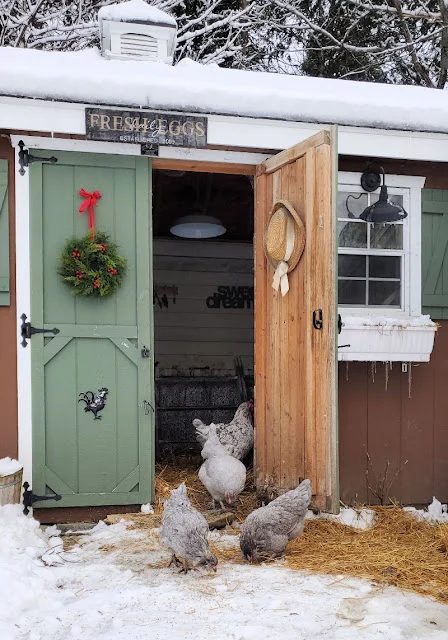
As seasonal temperatures decline across the Northern Hemisphere, backyard poultry keepers and small-scale agriculturalists are shifting their focus toward winterization strategies to ensure the health and productivity of their flocks. While chickens are physiologically more resilient to cold than to extreme heat, the combination of moisture, wind, and freezing temperatures presents significant biological stressors that require proactive management. Expert consensus, led by figures such as Lisa Steele of Fresh Eggs Daily, emphasizes that successful winter husbandry relies on a tripartite approach: structural integrity of the coop, metabolic support through nutrition, and behavioral enrichment to mitigate the effects of confinement.
The Physiology of Avian Cold Tolerance
To understand the necessity of winter preparation, one must first examine the biological mechanisms chickens utilize to maintain a core body temperature that typically ranges between 105°F and 107°F (40.5°C to 41.6°C). Chickens are equipped with a highly efficient natural insulation system consisting of downy feathers that trap air against the skin. By "fluffing" their plumage, birds create a pocket of warmed air that serves as a thermal barrier.

Furthermore, chickens utilize a counter-current heat exchange system in their legs to minimize heat loss through their unfeathered extremities. However, despite these adaptations, certain breeds—particularly those with large, single combs and wattles—remain highly susceptible to frostbite. When ambient temperatures drop, the bird’s body prioritizes core organs, reducing blood flow to the extremities. In humid, poorly ventilated environments, moisture can settle on these tissues and freeze, leading to permanent tissue damage. This biological reality necessitates specific environmental controls within the coop.
Structural Requirements: Ventilation Versus Insulation
A common misconception in amateur poultry keeping is the belief that a coop should be airtight to retain heat. Agricultural experts warn that this approach is often counterproductive and dangerous. The primary threat to chickens in winter is not the cold itself, but the accumulation of ammonia and moisture. A single chicken exhales a significant amount of water vapor and produces nitrogen-rich waste; without proper air exchange, this leads to high humidity and respiratory distress.
The Draft-Free Mandate
The objective of winter coop management is to provide "ventilation without drafts." This is achieved by placing vents high above the birds’ heads when they are roosting. This allows warm, moist air to rise and escape while preventing cold gusts from blowing directly onto the flock.

The Deep Litter Method
Many sustainable farmers employ the "Deep Litter Method" during the winter months. This process involves allowing manure and carbon-rich bedding (such as pine shavings or straw) to accumulate and decompose inside the coop. When managed correctly, the composting process at the bottom layer generates a modest amount of natural heat and beneficial microbes. This method requires a dry environment; if the litter becomes wet, it must be addressed immediately to prevent the growth of mold and the release of excess ammonia.
Nutritional Strategy and Metabolic Heat Production
Feeding requirements undergo a significant shift as daylight hours dwindle and temperatures fall. Digestion is a thermogenic process—the act of breaking down food generates internal body heat. Consequently, a flock’s caloric intake must increase to compensate for the energy expended on thermoregulation.
The Role of Carbohydrates and Grains
Providing "scratch grain" or cracked corn shortly before dusk is a standard recommendation among experienced keepers. Because corn is high in carbohydrates and takes longer to digest, it keeps the bird’s metabolism active throughout the night, effectively acting as an internal heater during the coldest hours.

Hydration Challenges
Hydration remains the most critical, yet often overlooked, aspect of winter care. A chicken cannot digest food effectively without adequate water intake. Furthermore, dehydration significantly reduces a bird’s ability to stay warm. In regions where temperatures remain below freezing, keepers must utilize heated water bases or frequent water changes to ensure the flock has constant access to liquid water. De-icers and specialized poultry fountains have become essential infrastructure for modern backyard farms.
Behavioral Health and Environmental Enrichment
Winter often necessitates longer periods of confinement, particularly during heavy snowfall or extreme wind events. This lack of forage opportunities can lead to "cabin fever," manifesting in aggressive pecking, feather pulling, and general flock stress.
To mitigate these issues, enrichment strategies are employed to keep the birds occupied. These include:

- Pecking Blocks: Compressed seeds and grains that provide a durable activity.
- Aged Produce: Hanging a head of cabbage or kale just out of reach encourages movement and provides essential vitamins.
- External Shelters: Creating "sun rooms" using clear plastic sheeting around the run area allows birds to exit the coop and soak up vitamin D while remaining protected from the wind.
Egg Production and Seasonal Cycles
The winter season naturally corresponds with a decrease in egg production. This is primarily triggered by the reduction in daylight hours rather than the cold itself. Chickens require approximately 14 to 16 hours of light to stimulate the pituitary gland responsible for ovulation.
While some commercial operations utilize supplemental lighting to maintain year-round production, many natural-minded keepers advocate for allowing the birds a seasonal rest. This hiatus allows the hens to divert their protein intake toward feather regrowth (molting) and the replenishment of calcium stores. For those who do collect eggs in winter, frequent collection is mandatory to prevent the shells from cracking as the liquid contents freeze and expand.
Chronology of Winter Preparation
The transition to winter care typically follows a structured timeline to ensure no infrastructure failures occur during the first frost:

- Late Autumn (Pre-Molt): High-protein supplementation is introduced to support the annual molt. Coops are inspected for structural integrity, and any leaks in the roofing are repaired.
- Early Winter (The First Frost): Water heating elements are tested. Dust baths (essential for parasite control) are moved into sheltered areas, as frozen ground prevents natural bathing.
- Mid-Winter (Maintenance Phase): Daily checks for frostbite on combs and wattles. Monitoring of the Deep Litter system to ensure it remains aerobic and dry.
- Late Winter (Preparation for Spring): Evaluation of the flock’s health and planning for the increase in egg production as days lengthen.
Expert Analysis and Broader Implications
The surge in backyard poultry keeping over the last decade has shifted from a niche hobby to a significant component of the "homesteading" movement. This shift has broader economic and social implications. As egg prices fluctuate due to supply chain instabilities and avian influenza outbreaks, localized egg production provides a level of food security for families.
However, professional agriculturalists express concern regarding the learning curve for new keepers. The "humanization" of poultry—such as the use of sweaters or heat lamps—is often criticized by experts. Heat lamps, in particular, are a leading cause of barn fires and prevent chickens from naturally acclimating to the cold. If a power outage occurs, a flock that has become dependent on artificial heat is far more likely to perish than one that has been allowed to adapt naturally.
Lisa Steele’s advocacy for "old-timer methods" highlights a return to hardy, natural husbandry. By focusing on breed selection (choosing cold-hardy breeds like Orpingtons or Wyandottes) and proper coop physics, keepers can maintain healthy flocks without heavy reliance on electrical infrastructure.

Conclusion: The Path to Sustainable Winter Husbandry
Winterizing a poultry flock is an exercise in observation and biological support. The objective is not to shield the birds from the reality of the season, but to provide the tools—dry shelter, high-energy nutrition, and liquid water—that allow their natural defenses to function optimally. As the trend toward decentralized food systems continues to grow, the dissemination of accurate, fact-based winter care information remains vital for the welfare of backyard flocks and the success of small-scale agriculturalists.
The integration of traditional wisdom with modern understanding of avian pathology ensures that the backyard chicken movement remains a sustainable and humane contribution to modern food systems. Through careful preparation and an understanding of the birds’ unique physiological needs, keepers can ensure their flocks emerge from the winter season healthy, vigorous, and ready for the spring production cycle.